Hydroponic Flood Trays: Sizes, Depth and Fittings
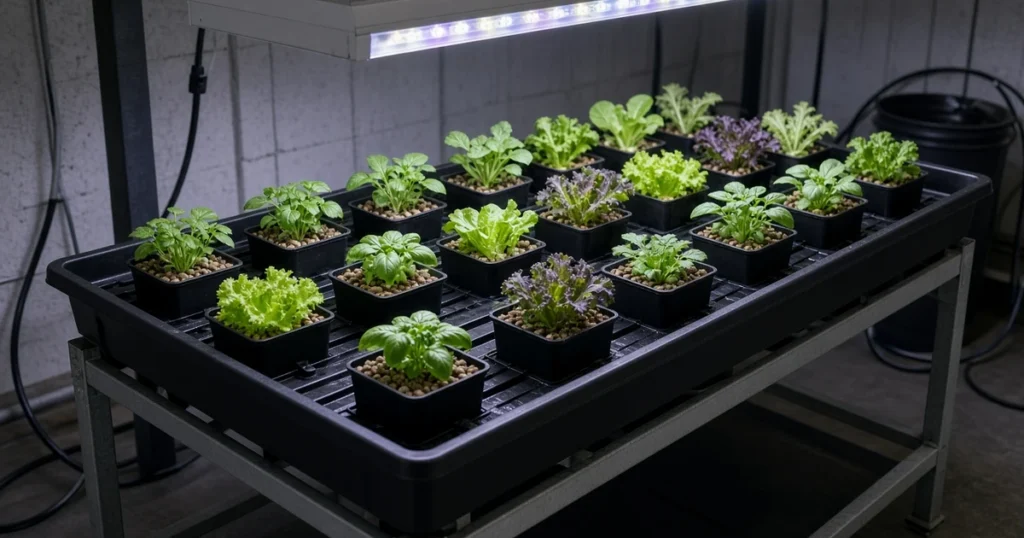
A hydroponic flood tray is the shallow tray at the top of an ebb and flow system. Oregon State University Extension describes trays that flood with nutrient solution on a timer and then drain back into a reservoir. Draining pulls air into the media, so tray design matters as much as the pump.
The short answer
Set a flood tray over or beside a reservoir, add a submersible pump on a timer and fit an overflow that sets the flood height. Run each flood about 20 to 30 minutes, then drain fully. Choose deeper media for larger plants and a ridged tray floor for quicker drainage.
What is a flood tray?
Oregon State Extension says ebb and flow, also called flood and drain, uses flood trays, a nutrient reservoir, a pump and a timer. The timer runs the pump, the solution floods the tray and then drains back so the roots get air. OSU calls it simple and compact and notes it suits seedling production.
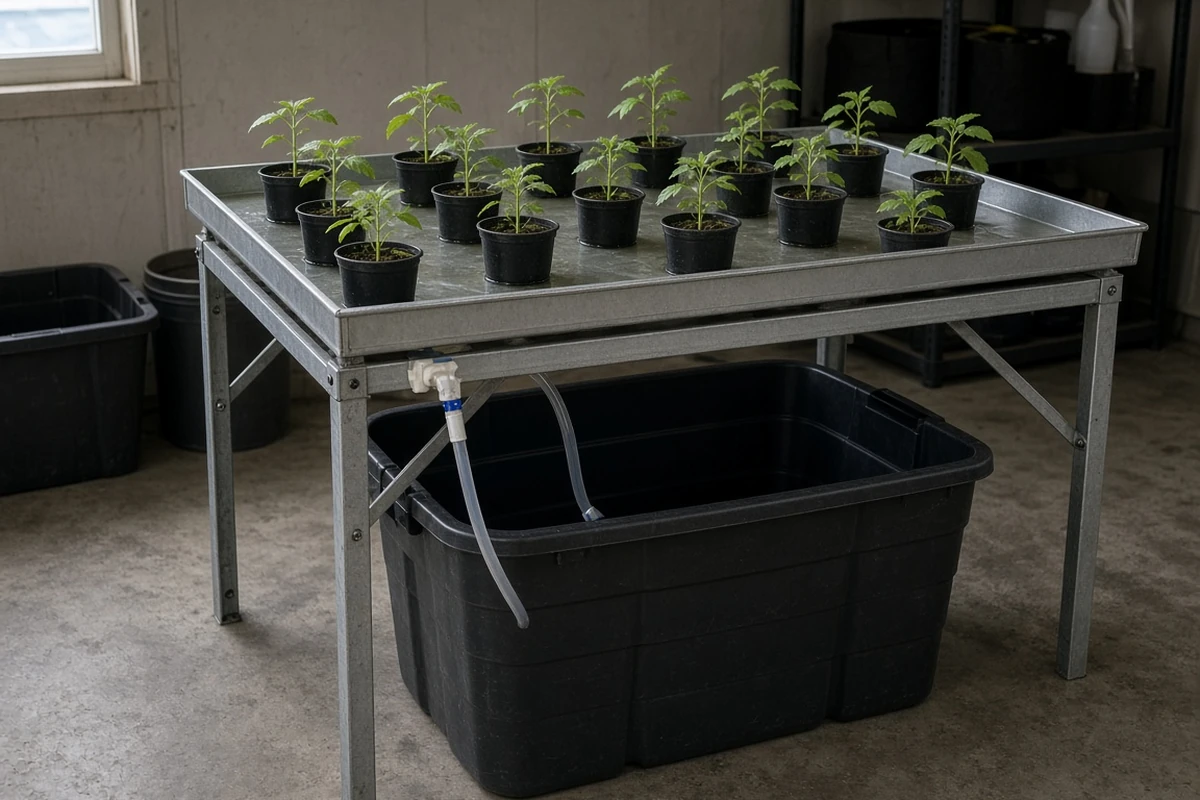
The University of Minnesota Extension describes the tray as either sitting right above the reservoir or connected to it by a drain line. Pumps pull solution into the tray and it drains slowly through the media back to the tank. See caring for your hydroponic system for checks.
How do you pick tray size and depth?
Size the tray to your shelf. OSU says deeper growing media allow longer flood cycles and suit larger crops such as tomatoes. Shallow floods help limit salt buildup near the base of plants. A table with ridges or floor channels drains more completely between cycles. OSU adds that a lower flood depth or a longer gap between floods dries the media and can cut pest problems.
Which fittings does a flood tray need?
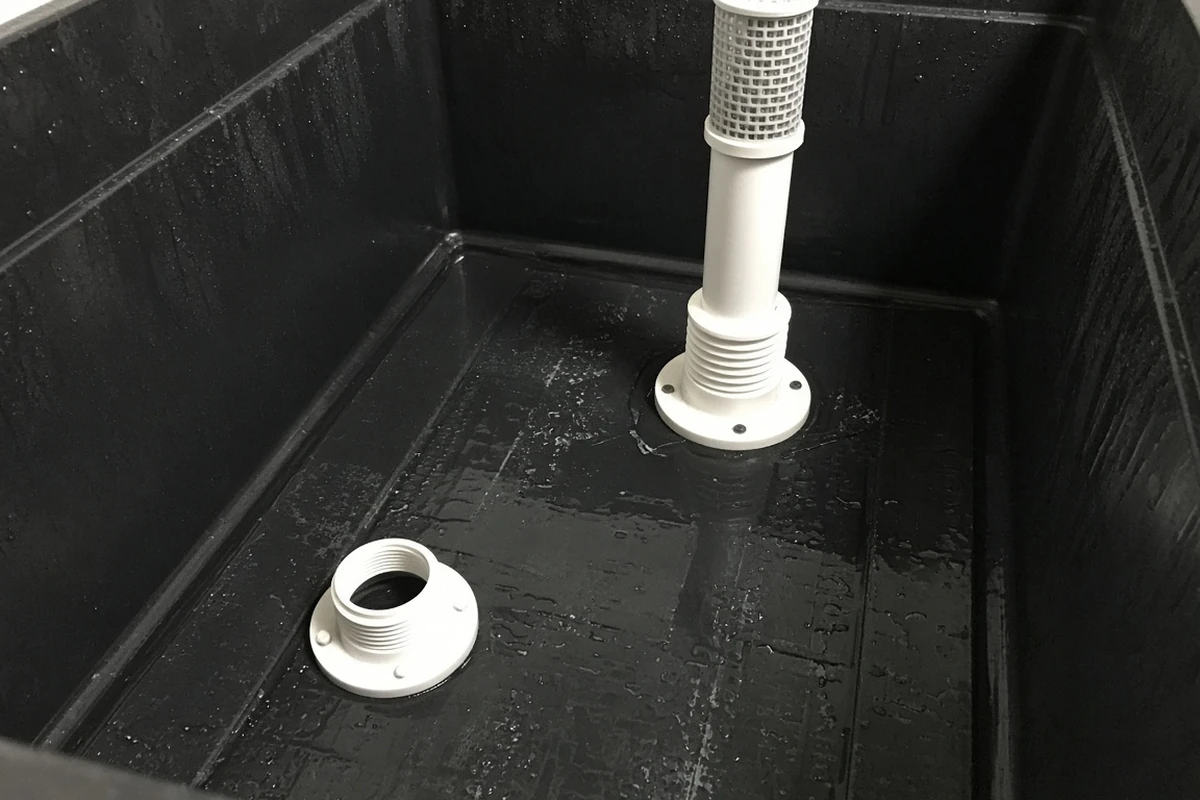
The University of Illinois Extension describes a submersible pump in the reservoir that floods the upper tray for 20 to 30 minutes. Once the water reaches a set level, an overflow pipe or fitting returns it to the reservoir. OSU also mentions an algae trap, a chamber that draws algae away from the growing area. Illinois rates expanded clay pellets as a great fit for ebb and flow. See clay pebbles for cannabis and hydroponic in different mediums.
Flood tray basics
| Part | Job | Notes |
|---|---|---|
| Tray | Holds pots or media | Ridged floor drains better |
| Reservoir | Holds the solution | Below or beside the tray |
| Pump and timer | Floods the tray | 20 to 30 minute floods |
| Overflow | Sets flood height | Returns solution to the tank |
| Media | Anchors roots | Clay pellets, rockwool or fabric pots |
Sources: Oregon State University Extension, University of Illinois Extension, University of Minnesota Extension.
How to: step by step
- Place the reservoir below or beside the tray.
- Fit a fill line from the pump and an overflow fitting set to the flood height.
- Add a return drain to the reservoir.
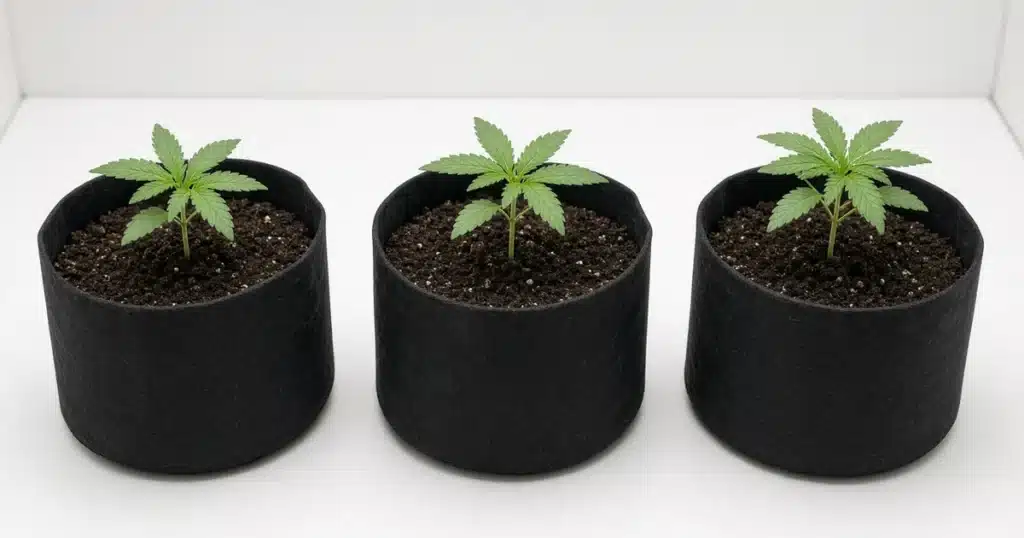
- Fill pots or the tray with clay pellets, rockwool or another medium.
- Set the timer for floods of about 20 to 30 minutes.
- Watch a full cycle to confirm the tray drains.
- Check pH and EC regularly and replace the solution every 2 to 3 weeks.
Troubleshooting
Tray will not drain: clear the drain and check that the tray floor slopes or has channels.
White crust at plant bases: salts are building up. Use shallower floods and run some floods with distilled or reverse osmosis water, as OSU suggests.
Algae in the tray: add an algae trap or shade the solution.
Build a tray that drains well
A flood tray works when it fills on time and empties. Plan crops with growing schedule for your hydroponics and browse more growing guides from Kind Seed Co.
Sources
- Hydro hints: ebb and flow (EM 9458), Oregon State University Extension
- Small-scale hydroponics, University of Minnesota Extension
- Home hydroponics handouts, University of Illinois Extension
FAQ
How deep should a flood tray be?
Deep enough for your media. Oregon State Extension says deeper media allow longer floods and suit larger crops.
How often should the tray flood?
Illinois Extension describes floods of 20 to 30 minutes. Adjust the gap between floods to how fast the media dries.
Do flood trays need an overflow?
Yes. Illinois Extension says an overflow pipe or fitting sets the level and returns solution to the reservoir.
What pots work in a flood tray?
Oregon State Extension lists fabric pots, expanded clay pellets and rockwool.
How often should the solution be changed?
Illinois Extension suggests replacing nutrient solution every 2 to 3 weeks.