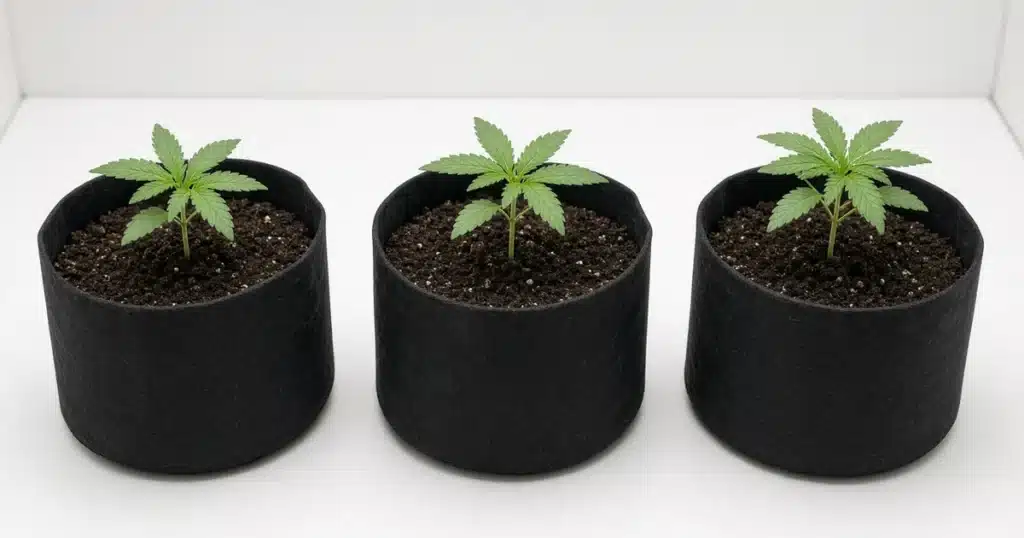
Hydroponic Net Cup Sizes Explained: Matching Cup Size to Crop and Lid
The short answer
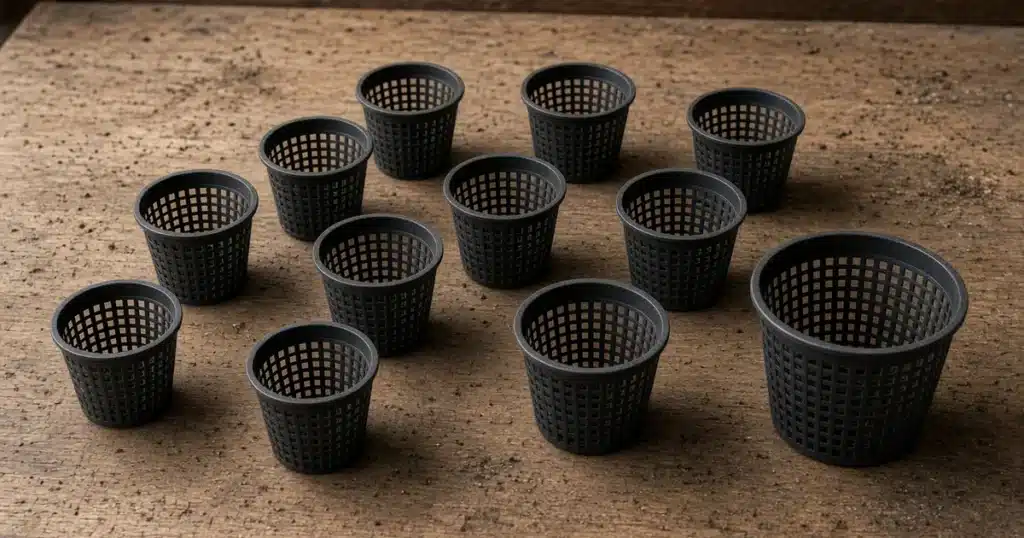
Net cup sizes run from small cups for herbs to wide cups for large fruiting plants. Hydroponic net cups hold the plant and its media in the lid while roots grow down into the water. Match each cup to the lid hole, the plant’s mature size and the spacing your system allows, then fill it with inert media.
Getting the size right early saves you from cutting new holes or moving plants later.
What do net cups do in a hydroponic system?
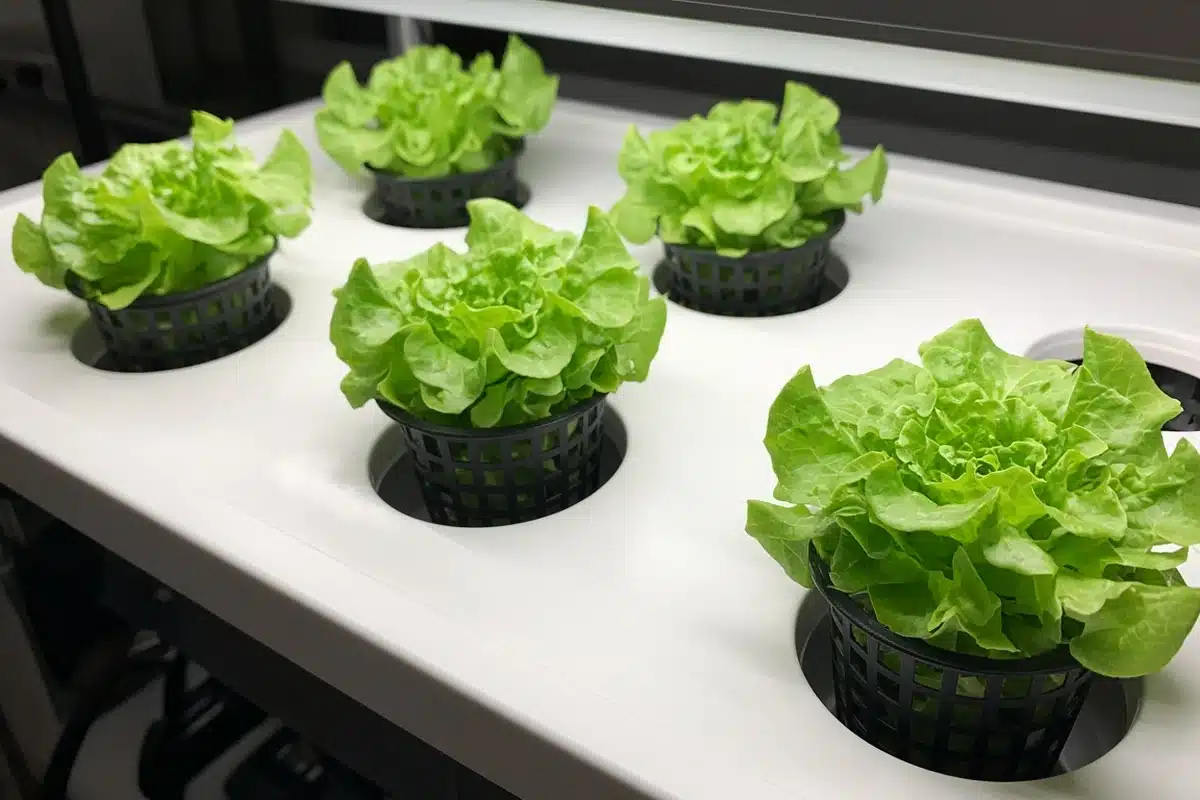
A net cup is a slotted plastic pot that sits in a hole in the lid or channel. The rim rests on the lid. The body hangs below, and the slots let roots grow out into the water or the flow.
The University of Minnesota Extension page on small scale hydroponics describes home systems such as raft and wick setups where plants sit above a nutrient solution. Net cups are the simple part that holds each plant in place.
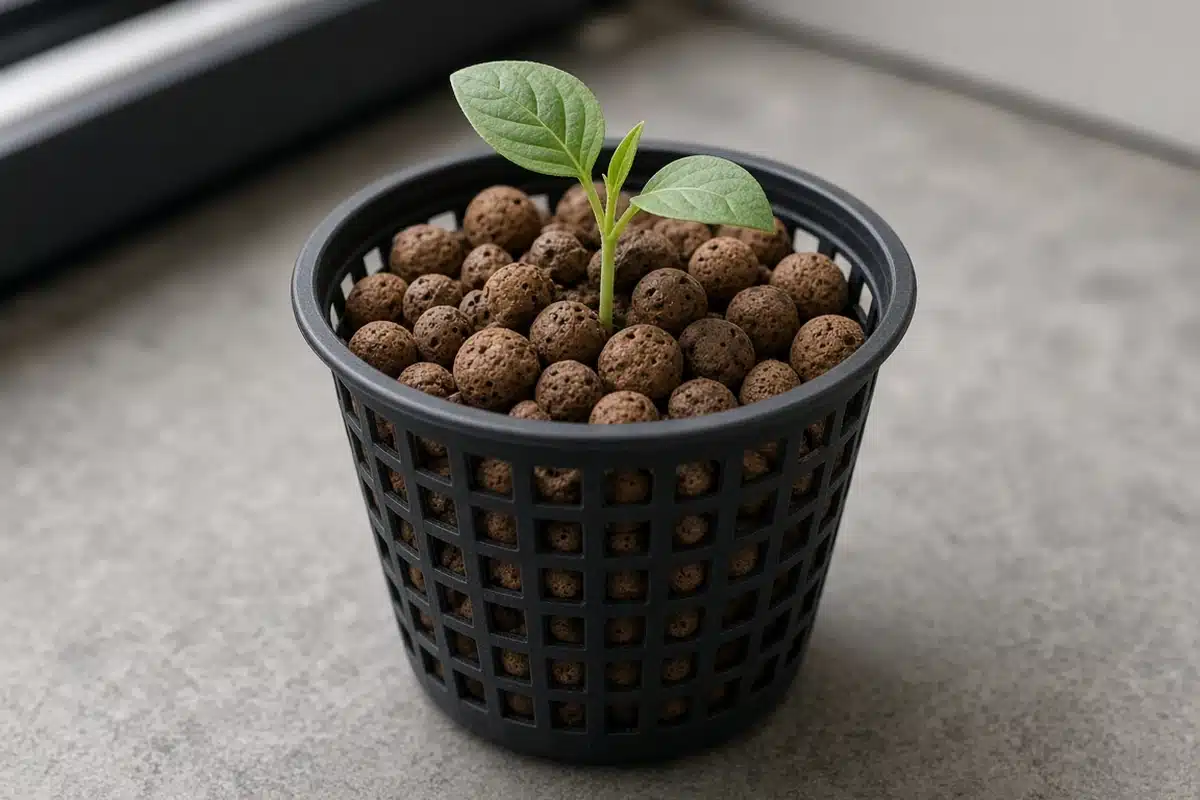
Inside the cup goes an inert medium such as clay pebbles, rockwool or coco. The medium steadies the stem and holds young roots moist until they reach the water. Our post on hydroponic in different mediums compares the most common fills.
Which net cup size fits which crop?
Cup size is measured across the top, often in inches or centimeters. Common sizes run from about 1.5 inches up to 6 inches or more.
| Cup size | Good fit | Notes |
|---|---|---|
| 1.5 to 2 inch | Lettuce, herbs, greens | Fits most towers and NFT channels |
| 3 inch | Larger greens, kale, basil | A common size for buckets and rafts |
| 3.75 to 4 inch | Peppers, small fruiting plants | More room for media and support |
| 5 to 6 inch | Tomatoes, cucumbers, large plants | Often used in single buckets |
Sources: University of Minnesota Extension, Virginia Cooperative Extension, University of Tennessee Extension.
Small cups suit plants that are harvested young and stay compact. The University of Tennessee Extension guide to leafy crop production in small scale soilless and hydroponic systems covers lettuce and greens, which grow well in small cups set close together.
Bigger cups suit plants that grow tall, live longer and carry weight. A wider cup holds more media around the stem, which steadies the plant as it gets heavy.
How do you match cups to lids and spacing?
The cup must fit the lid hole. A cup that’s too small falls through. A cup that’s too large won’t seat. Measure the hole, then buy cups with a body that slides in and a rim that rests on top.
Many lids and rafts are made for one cup size. If you build your own, cut holes with a hole saw that matches your cups.
Spacing matters as much as cup size. Plants need room to spread their leaves without shading each other. The Virginia Cooperative Extension guide to deep water culture systems covers raft layouts where plant spacing is set by the holes in the floating board.
Think about the plant at full size, not as a seedling. A lettuce head may need several inches of room. A tomato may need a whole bucket.
Do slot patterns and colors matter?
Net cups come with wide slots, narrow slots or fine mesh walls. Wide slots let roots out fast and suit clay pebbles, which are too big to fall through. Fine slots hold smaller media such as coco or perlite in place.
Color can matter a little too. Darker, more opaque cups usually let less light reach wet media, which may slow algae.
Some cups have a lip or ridge that grips the lid hole more firmly. These help in towers and channels where water flow can push plants around.
How to: step by step
- List the crops you plan to grow.
- Pick cup sizes that suit each crop’s mature size.
- Measure lid or raft holes before you buy.
- Fill cups with rinsed inert media.
- Set seedlings so roots can reach the water.
- Check cup seating and spacing as plants grow.
Rinse new media before use. Clay pebbles and coco can carry dust that clouds the water.
Place the seedling or starter cube in the center of the cup. Add media around it to hold it upright. Leave the top of the starter cube level with or above the media surface.
Check that the bottom of the cup sits close to the water at first. Young roots need to reach moisture. Once roots grow long, you can lower the water level a little so the upper roots get more air.
If you use rockwool, our post on rockwool for cannabis explains how to soak and set cubes so they fit neatly in net cups.
Clean cups between crops. Soak them in warm soapy water, scrub off old roots and rinse well. Our post on caring for your hydroponic system covers cleaning the rest of the system too.
Troubleshooting
Cups falling through the lid. The cup is too small for the hole. Use a bigger cup or a collar.
Plants tipping over. The cup is too small for the plant. Move to a bigger cup or add a stake or trellis.
Roots snagged in slots. Avoid pulling hard. Cut the cup away if needed.
Algae on the media surface. The wet surface is getting light. Add a lid collar or a layer of dry pebbles on top.
Seedlings drying out. The cup sits too high above the water. Raise the water level so the base of the cup just touches it. Hold the cup only partly submerged so young roots still get oxygen.
Cup choice is a small step that determines your system setup. Kind Seed Co carries cannabis seeds for growers setting up a new hydroponic system.
Sources
- Small scale hydroponics, University of Minnesota Extension, Small scale hydroponics
- Hydroponic production of edible crops: deep water culture (DWC) systems (SPES-464), Virginia Cooperative Extension, Hydroponic production of edible crops
- Leafy crop production in small scale soilless and hydroponic systems (W 844-B), University of Tennessee Extension, Leafy crop production in small scale soilless and hydroponic systems (W 844-B)
FAQ
What is the most common net cup size?
Sizes of 2 to 3 inches are very common in home systems. They fit many towers, buckets and rafts and suit greens and herbs well.
Can you reuse net cups?
Yes. Scrub off old roots and media, wash the cups in warm soapy water and rinse well before the next crop.
Do net cups need media?
Most do. An inert medium such as clay pebbles, rockwool or coco holds the stem steady and holds young roots moist.
Are bigger net cups always better?
No. A large cup in a small plant wastes media and space. Match the cup to the plant's mature size and your lid holes.
How deep should a net cup sit in water?
At first, the bottom should touch or sit just above the water. Once roots grow long, you can lower the level a little.