Landrace strains and the hippie trail
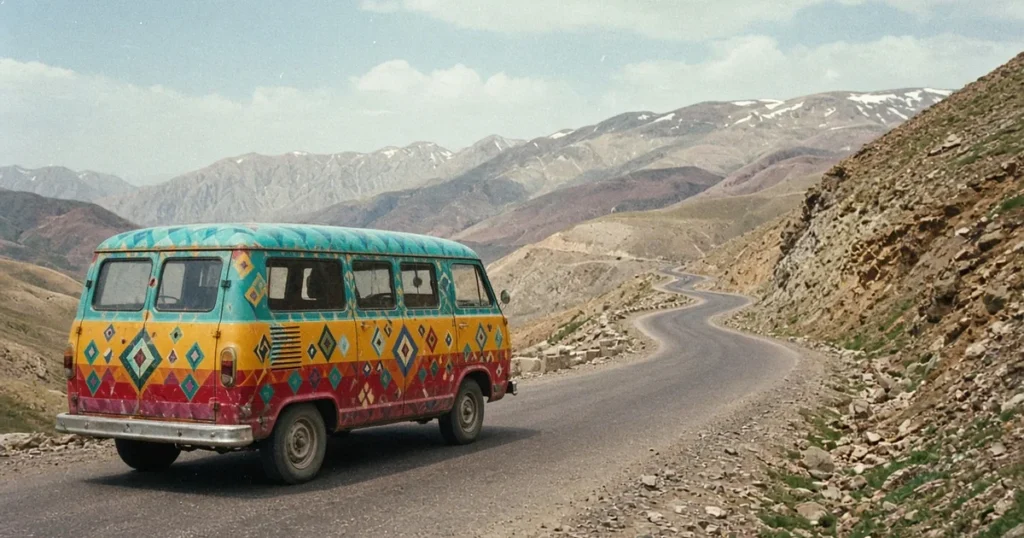
From the late 1950s to the end of the 1970s, thousands of young travelers set out overland from Europe toward India and Nepal. They rode buses, hitchhiked and drove battered vans along a route that came to be called the hippie trail. Along the way, many encountered cannabis cultures that had existed for centuries. Some brought seeds home, and those seeds helped shape the genetics that growers use today.
What a landrace is
A landrace is a local variety of a plant that has adapted over a long time to one region’s climate, soil and the preferences of local farmers. Cannabis landraces developed in places like the Hindu Kush mountains, the plains of northern India, the hills of Thailand and the coasts of Mexico and Colombia. Each one evolved traits suited to its home: short, sturdy plants in the cold mountains, tall and slow flowering plants near the equator.
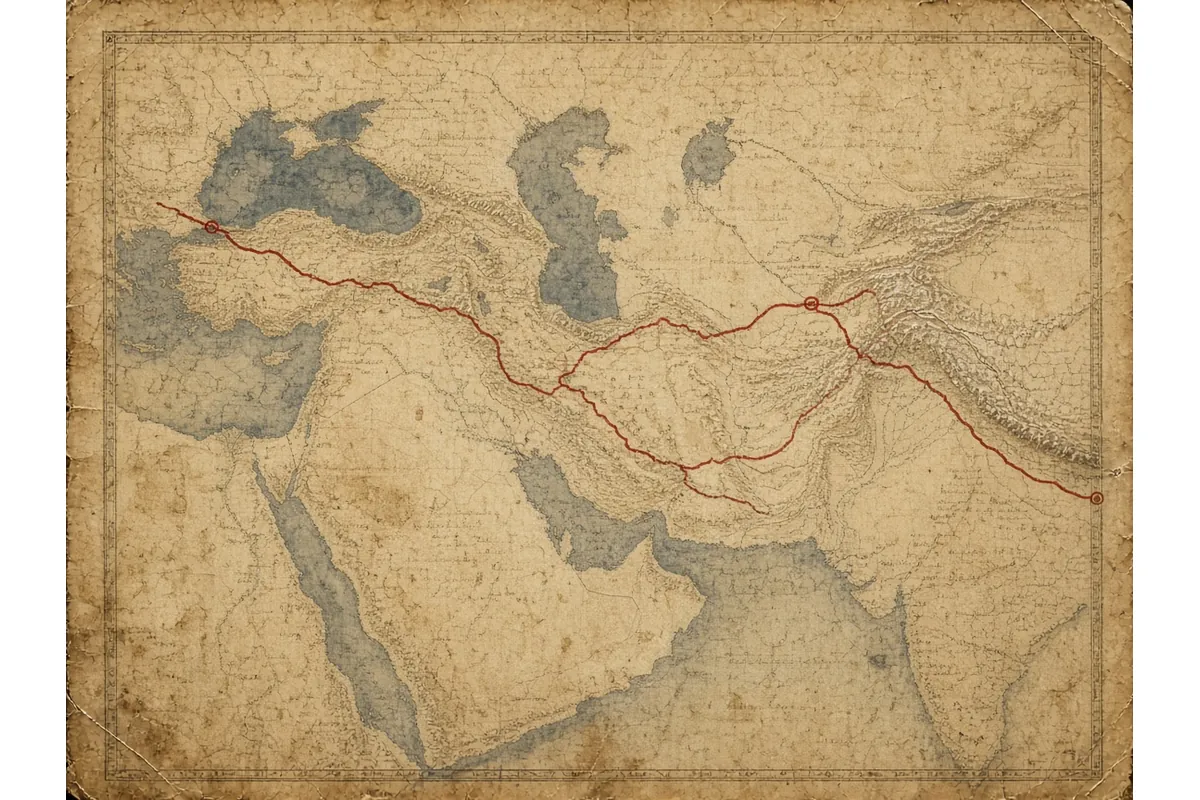
The route
| Region | Common stops | Cannabis tradition |
|---|---|---|
| Turkey | Istanbul | Gateway to Asia, the “Pudding Shop” meeting spot |
| Iran | Tehran | Mostly a transit country for travelers |
| Afghanistan | Herat, Kabul | Long tradition of hashish making |
| Pakistan | Peshawar, Lahore, Chitral | Mountain varieties and hashish |
| India | Delhi, Goa, Manali | Charas and bhang traditions |
| Nepal | Kathmandu | Freak Street, where cannabis was sold openly until 1973 |
Travelers often met at cafes in Istanbul to swap tips and find rides east. Kabul’s Chicken Street became famous among travelers. Kathmandu’s Jhochhen Tole earned the nickname Freak Street for the travelers who gathered there.
Cannabis along the way
Afghanistan
Afghan farmers had made hashish for generations, pressing resin from compact, broad leaf plants. Seeds from these plants became the backbone of many indica lines that later spread through Western breeding.
Pakistan and the Hindu Kush
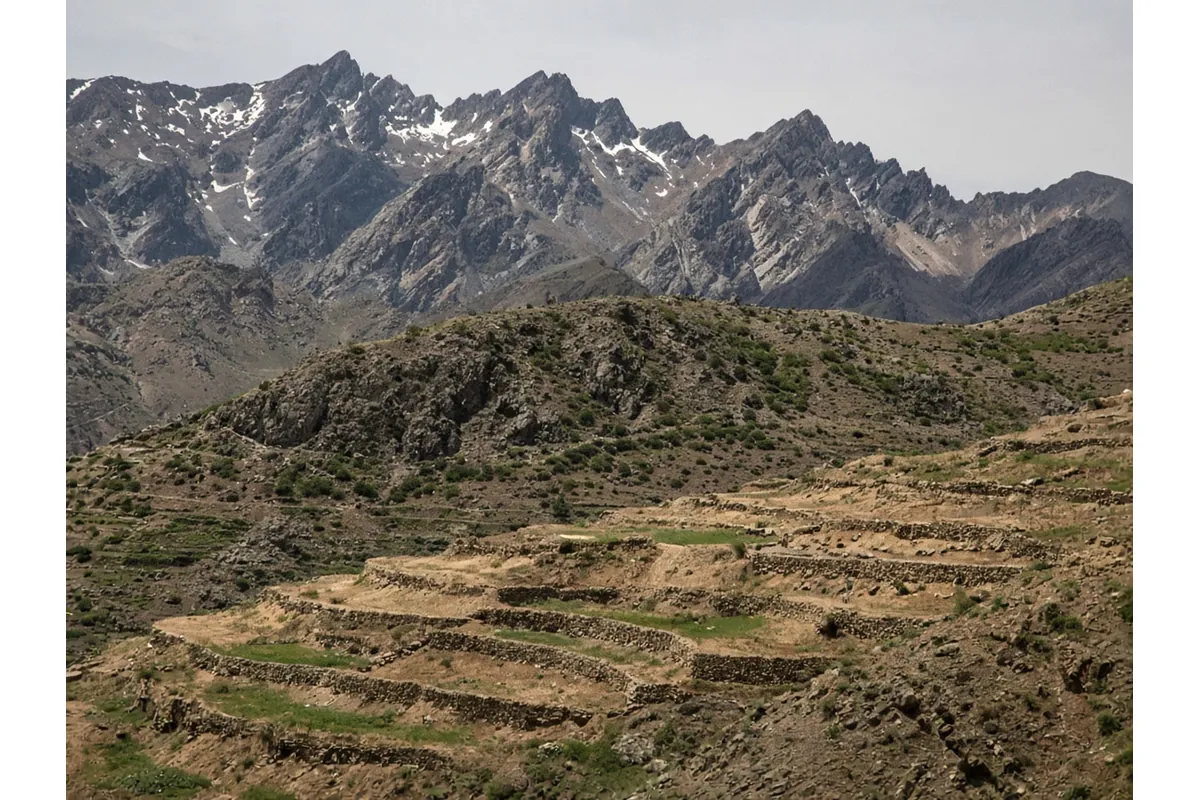
The Hindu Kush mountain range, which stretches across Afghanistan and Pakistan, gave its name to one of the best known landraces. Valleys such as Chitral produced distinctive local types.
India
In India, cannabis has deep roots in religious and cultural life, from bhang preparations to hand rubbed charas in the Himalayan foothills. Travelers to places like Manali and Parvati Valley encountered these traditions.
Nepal
Kathmandu was one of the trail’s final stops. Cannabis shops operated legally there until Nepal banned cannabis in 1973, partly under international pressure.
The end of the trail
The trail faded quickly at the end of the 1970s. The Iranian Revolution in 1979 and the Soviet invasion of Afghanistan the same year closed key parts of the route. Overland travel through the region became far more difficult and dangerous.
Seeds that came home
Some travelers carried seeds back to Europe and North America. In California, Oregon and elsewhere, growers began crossing these imported landraces with tropical varieties from Mexico, Colombia and Thailand. Breeders in the Netherlands built on the same imports. Out of those crosses came some of the most important hybrid lines of the 1970s and 1980s, including the Skunk family, which famously combined Afghan, Mexican and Colombian ancestry, and Northern Lights, which drew on Afghan genetics.
Afghan and Kush genetics brought short flowering times, compact structure and heavy resin. Tropical sativas brought vigor and distinct aromas. Combining them made plants that could finish in temperate climates while keeping traits growers valued.
Landraces today
Many original landraces are now rare or have mixed with modern hybrids. Some breeders work to collect and preserve pure landrace lines from their regions of origin. Growers interested in history often seek out landrace seeds or heirloom lines descended from them. Keep in mind that a name like “Afghan” on a modern seed pack may describe ancestry rather than a pure landrace.
Growing landrace style plants
Mountain indicas
Plants with Afghan or Kush ancestry often stay short and finish early, which suits indoor grows and short outdoor seasons. Their dense buds can be prone to mold in humid weather, so airflow matters.
Equatorial sativas
Thai, Colombian and similar types can grow very tall and take a long time to flower. They are often better suited to warm climates or experienced indoor growers.
Our guide on how to germinate cannabis seeds covers starting any seed, and our guide on when to harvest outdoor cannabis explains how to read ripeness on plants with very different flowering times.
Why the history matters
The hippie trail is a reminder that modern cannabis genetics came from real places and real farming communities. Respecting that history means acknowledging the cultures that developed these plants long before Western breeders arrived.
Life on the road
Travel on the trail was cheap but rough. Many travelers rode buses run by small companies that advertised trips from London or Amsterdam to Kathmandu, a journey that could take weeks. Others drove old vans or hitchhiked. Guidebooks were scarce, so travelers relied on notice boards, word of mouth and hand drawn maps passed between strangers. Illness, breakdowns and border delays were common. For many, the journey itself mattered more than any single destination.
A warning for modern travelers
The world the hippie trail passed through has changed completely. Cannabis is illegal in most of the countries on the old route, and penalties can be severe, including long prison terms. Bringing seeds or cannabis across any border is illegal in most places and can lead to arrest. Treat the trail as history, not as a travel plan. If you travel in the region today, follow local law strictly.
Preserving the legacy at home
Growers who want to honor this history can keep careful records of seed sources, avoid mislabeling hybrids as pure landraces and support breeders who credit the regions their genetics came from.
Enjoy cannabis culture responsibly
Cannabis is only legal for adults in some states, and the rules on possession, public use and home growing change from place to place. Kind Seed Co sells only to adults 21 and older, and nothing here is an invitation to break the law where you live. If you want to know what is allowed in your state, start with our guide to the legal requirements for growing weed plants in your state. Never drive after using cannabis, keep it away from kids and pets, and respect anyone who chooses not to partake. This article is general information about culture and history. It is not legal advice and it is not medical advice.
Frequently asked questions
What was the hippie trail?
An overland route that young travelers followed from Europe through Turkey, Iran, Afghanistan and Pakistan to India and Nepal, from the late 1950s to the late 1970s.
What is a landrace strain?
A local cannabis variety that adapted over a long time to one region’s climate and farming traditions.
Why did the hippie trail end?
The Iranian Revolution and the Soviet invasion of Afghanistan, both in 1979, closed key parts of the route.
Which modern strains came from hippie trail genetics?
Lines such as Skunk and Northern Lights drew on Afghan landraces, often crossed with Mexican, Colombian or Thai types.
Final thoughts
The hippie trail linked young Western travelers with centuries old cannabis cultures from Afghanistan to Nepal. Seeds carried home helped create the hybrids that shaped modern growing. Today, landraces are rarer and worth preserving, and their story is a reminder that the plant’s history began in farming communities far from today’s markets.
Ready to start
Browse the full range in the Kind Seed Co shop or go straight to marijuana seeds. Kind Seed Co sells only to adults 21 and older. Always follow the cannabis laws where you live.