Temple ball hash history
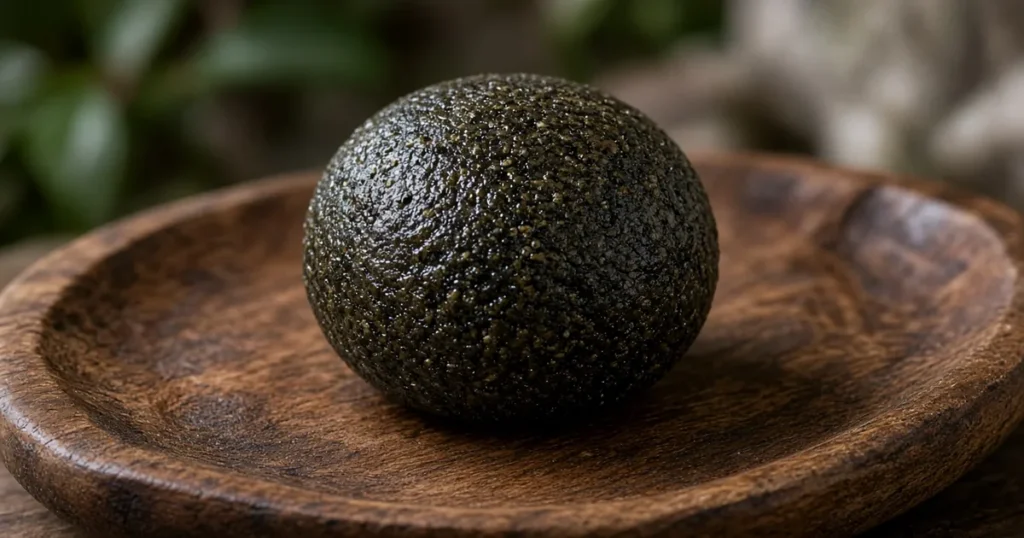
Temple ball hash is one of the most storied forms of cannabis in the world. These dark, glossy, hand rolled spheres trace back to the Himalayan foothills of Nepal and northern India, where hash makers have pressed and rolled resin by hand for generations. Temple balls became famous in the West during the hippie trail era of the 1960s and 1970s, faded after Nepal’s crackdown on hash, and then came back as a craft tradition in the modern solventless scene. This guide covers temple ball hash history, how traditional and modern temple balls are made in broad terms and why they still fascinate hash lovers. If you want to grow resin rich plants for your own solventless projects where it is legal, our 710 seeds collection is a good place to start. Kind Seed Co sells only to adults 21 and older.
What a temple ball is
A temple ball is hash that has been worked by hand and rolled into a ball, then cured over time. The surface is often dark and shiny, while the inside can stay softer and lighter. Traditional temple balls were made from hand rubbed resin, known as charas. Modern versions are often made from ice water hash or dry sift that is pressed and rolled.
Cannabis in the Himalayas
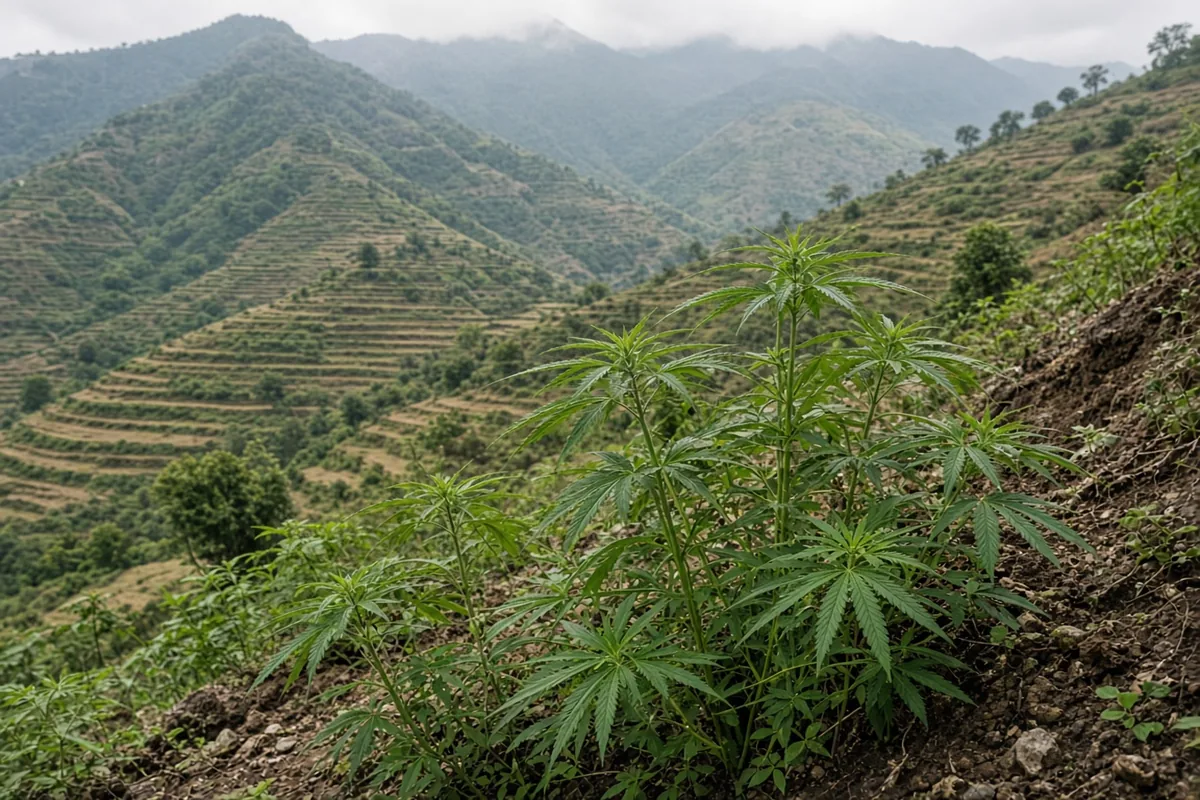
Cannabis has grown in the Himalayan region for thousands of years. Our post on cannabis culture and the first use of cannabis in history covers early records. In parts of Nepal and northern India, people made charas by rubbing the flowering tops of living plants between their palms. The sticky resin collected on their hands, and they rolled it into balls, sticks or slabs.
Cannabis also had a place in some religious traditions of the region. It is associated with the Hindu god Shiva, and some wandering holy men, known as sadhus, have long used charas as part of their devotional practices. Festivals such as Maha Shivaratri are still connected with cannabis in popular accounts.
Where the name comes from
No one knows for certain how the name temple ball started. Common explanations include the link between charas and religious practice in the region, the idea that high quality balls were offered or sold near temples, and Western travelers giving the product a romantic name. Treat any single origin story with caution.
The hippie trail and Freak Street
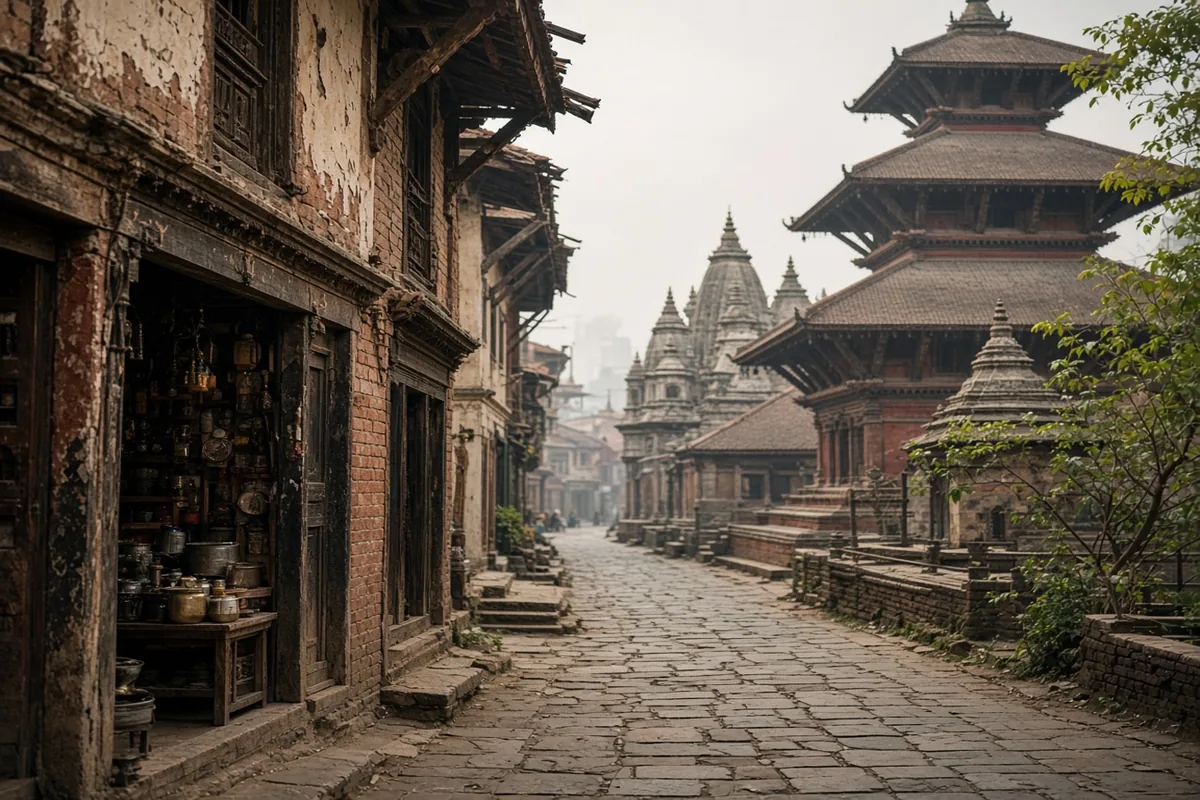
In the 1960s and early 1970s, young Western travelers followed an overland route from Europe through Turkey, Iran, Afghanistan and Pakistan to India and Nepal. This became known as the hippie trail. Kathmandu was a key stop. A lane near Durbar Square, Jhochhen Tole, became known as Freak Street, lined with cheap lodges, cafes and, according to most histories, government licensed hash shops.
Nepali hash, including temple balls, gained a strong reputation among travelers and in Western counterculture. Stories of temple balls spread in music, books and magazines of the era.
The crackdown
Nepal’s open hash trade did not last. Under international pressure, including from the United States, Nepal closed its licensed hash shops around 1973, according to most histories, and later passed the Narcotic Drugs (Control) Act of 1976. The trade went underground, the hippie trail faded, and temple balls became more legend than product for many Western fans. Our history of recreational cannabis before and after strict laws covers the wider global shift toward prohibition.
The modern revival
In the 2000s and 2010s, the solventless hash scene grew in North America and Europe. Hash makers began reviving traditional forms, including temple balls. One of the best known figures in that revival was Frenchy Cannoli, a hash maker who traveled widely in the hash producing regions and later taught traditional methods to a new generation. Today, craft makers in legal markets produce temple balls from carefully made ice water hash or dry sift, sometimes aging them for months.
How temple balls are made, in broad terms
Traditional and modern methods share the same idea: work clean resin by hand, form it into a ball and let it cure. All methods described here are solventless.
Traditional charas
- Resin is hand rubbed from living plants.
- The resin is gathered from the hands and pressed together.
- It is rolled into a ball and stored.
Modern craft method
- Start with quality ice water hash or dry sift. Our guides on how to make hash and making cannabis kief cover the basics.
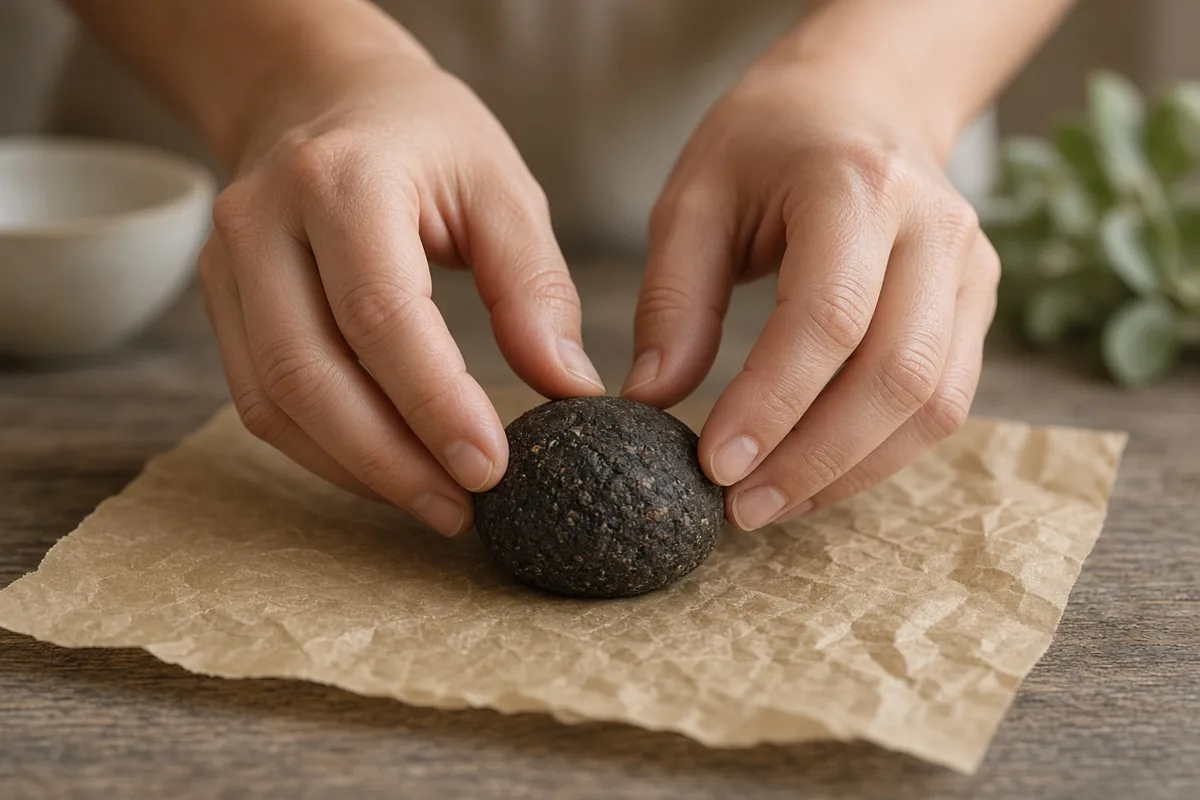
- Gently warm and work the material by hand until it becomes pliable.
- Knead and roll it into a smooth ball.
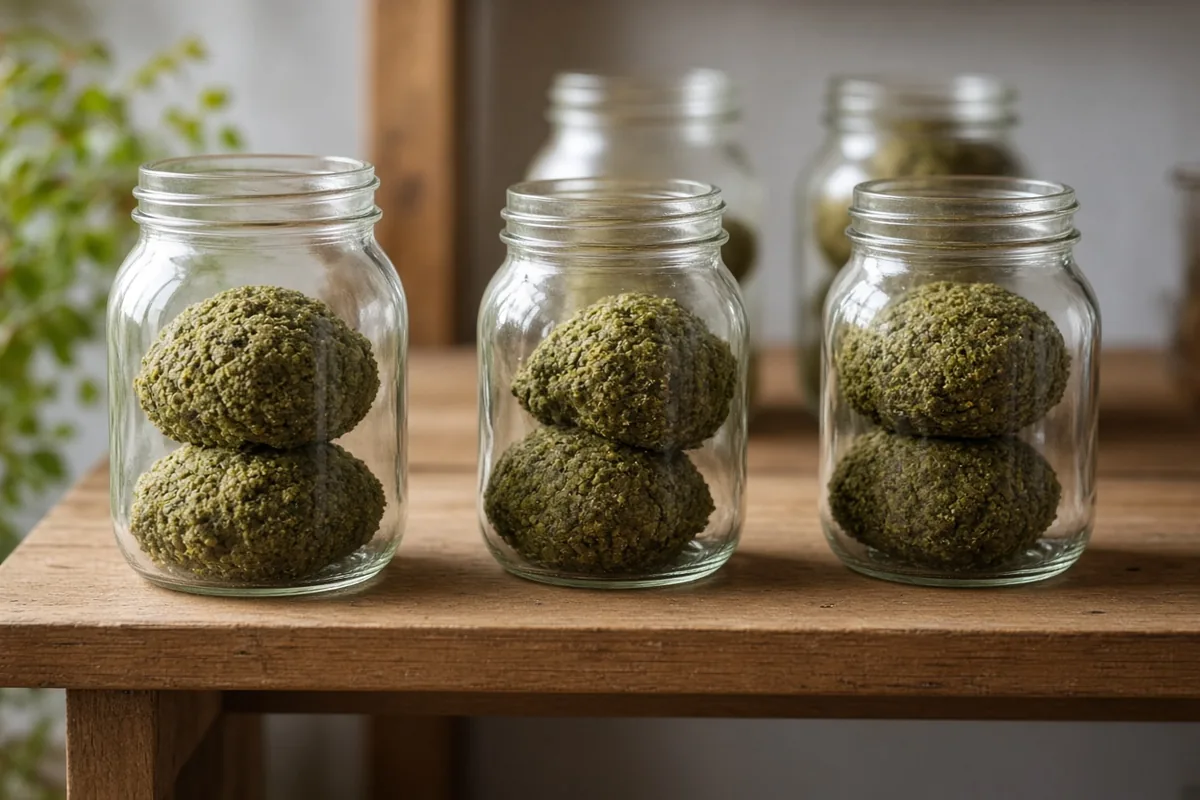
- Cure it in a cool, dark place, sometimes wrapped, for weeks or months.
Curing changes aroma and texture over time. Makers often describe the inside of an aged temple ball as softer than the outer shell.
Charas compared with modern hash
Traditional charas is made from living plants, so it carries the fresh aroma of the growing flower, but it can also include more plant material and hand oils. Modern ice water hash and dry sift start from harvested material and are sorted by size, which usually gives cleaner resin. That is why many modern temple balls look smoother and more uniform than old photos of Himalayan charas. Both approaches share the same hand work and patience.
Why temple balls are special
- Hand work. Each ball shows the skill of its maker.
- Aging. Like some foods and drinks, temple balls change as they cure.
- History. They connect modern solventless craft to centuries of Himalayan tradition.
- Solventless. No chemical solvents are used.
Temple balls and genetics
Traditional charas came from local Himalayan landraces. Modern makers choose strains that release resin easily and have a strong aroma. Landrace history ties into many modern lines. Our post on Thai cannabis genetics shows how regional genetics shaped modern breeding. For home growers in legal states, our 710 seeds and classic strains like Northern Lights #10 are worth a look.
Legal and safety notes
Making hash at home is only legal in some states, and rules differ for adults 21 and older. Check your state’s law before processing cannabis at home. Never travel with hash across state or national borders. Keep all cannabis products labeled and stored away from children and pets.
Frequently asked questions
What is temple ball hash?
Hash that has been worked by hand, rolled into a ball and cured. It traces back to Himalayan charas traditions.
Where did temple balls come from?
From Nepal and the wider Himalayan region, where people have made hand rubbed charas for generations. They became famous in the West during the hippie trail era.
Why is it called a temple ball?
The origin of the name is uncertain. Common explanations link it to religious traditions in the region or to names given by Western travelers.
Are temple balls made with solvents?
No. Traditional and modern temple balls are solventless, made from hand rubbed resin, ice water hash or dry sift.
Why did temple balls disappear?
Nepal closed its licensed hash shops around 1973 and passed stricter drug laws in 1976, pushing the trade underground.
The bottom line
Temple ball hash history runs from Himalayan hand rubbed charas, through the hippie trail and Kathmandu’s Freak Street, to today’s craft solventless makers. It remains one of the most respected forms of hash. Grow your own resin rich plants where it is legal with our 710 seeds or browse the Kind Seed Co shop. Kind Seed Co sells only to adults 21 and older. Always follow the home grow laws where you live.