
A Guide to Making Cannabis Kief
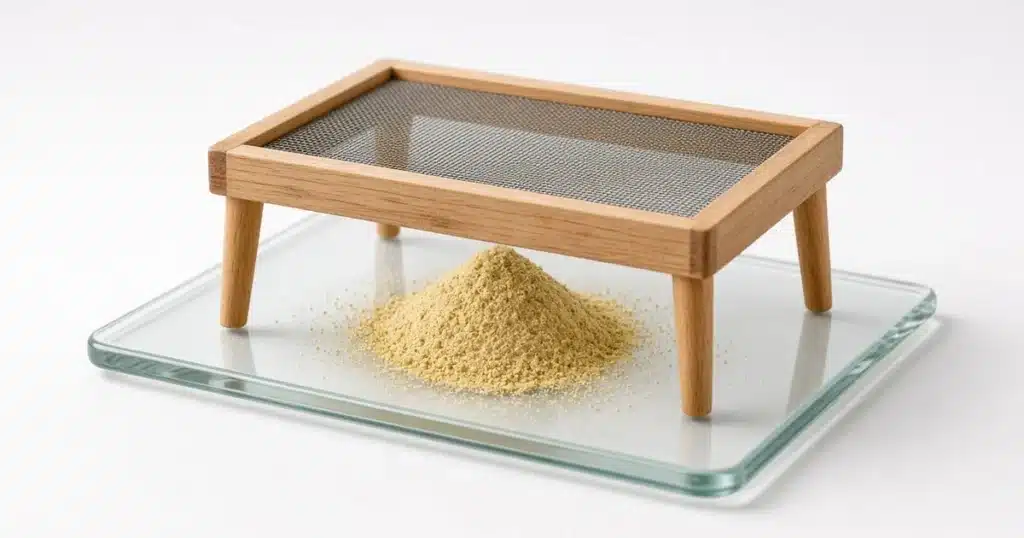
Kief is the fine, sandy powder that collects in the bottom chamber of a four piece grinder. It is made mostly of trichome heads, the tiny resin glands that cover cannabis flowers. Because those heads hold much of a bud’s aroma and cannabinoids, kief is more concentrated than the flower it came from. This guide explains what kief is, how to collect more of it without solvents, how to press it lightly, and how to store it. It draws on NC State Extension and Oregon State University Extension research on trichomes, drying and storage. Laws on homemade concentrates vary a lot, so check your state’s home grow law and possession rules before you make or keep kief.
What kief is (and is not)
Kief is dry sifted trichome heads, with some plant dust mixed in. It is not the same as hash made with solvents, and this guide does not cover any solvent method. Solvent extraction, especially with butane or alcohol near heat, is a serious fire risk and is regulated in many places.
Trichomes are very fragile. NC State Extension describes how trichomes “start off clear and turn an opaque white when maturing” and then “start to turn amber.” Fully formed, mature heads are what you want in kief, which is why well grown, properly harvested buds give the best results.
Why starting material matters most
You cannot sift out more than the bud holds. Good kief starts with:
- Buds harvested at a mature trichome stage.
- A careful dry and storage. Oregon State University Extension notes research showing that “storing flowers in the presence of light, exposure to air and high temperature can negatively affect some cannabinoid concentrations.”
- Trim and sugar leaves from your own harvest, which carry trichomes too.
Very dry, cold material releases trichome heads more easily than sticky, damp material. That is why many people chill buds or trim briefly before sifting. The collecting, chilling and pressing tips below are common grower practice rather than Extension findings.
Method 1: Grinder collection
This is the simplest way. A four piece grinder has a mesh screen above a bottom chamber. As you grind, loose trichome heads fall through the screen and collect below.
Method 2: Dry sift screens
Dry sifting uses one or more fine mesh screens stretched over a frame. You gently rub or shake dry material over the screen, and trichome heads fall through onto a clean, smooth surface below. Finer screens give purer but smaller amounts. Coarser screens give more volume with more plant matter. Gentle, short sessions give cleaner kief than hard scrubbing.
How to make kief: step by step
- Use clean, dry tools. Wipe your grinder or screen and work surface. Moisture makes trichomes clump and can lead to mold in storage.
- Start with dry material. Buds or trim should be properly dried, not damp.
- Chill briefly. Put the material and the grinder or screen in the freezer for 10 to 20 minutes in a sealed bag, so trichomes become brittle. Let the sealed bag warm before opening it to avoid condensation.
- Grind or sift gently. Short, light motions release mature heads without pushing lots of leaf through.
- Collect with a card. Use a plastic card or small brush to gather kief from the chamber or surface.
- Check purity. Lighter, sandy colored kief usually has less plant matter than green kief.
- Store right away. Move kief into a small airtight glass container.
- Label it. Note the strain and date.
Pressing kief lightly
Some people press kief into a small puck so it is easier to handle and store. A simple way is to wrap kief in parchment paper and press it with steady hand pressure or a small press. Many people warm the parchment gently with their hands or a warm (not hot) surface. Avoid open flames. Pressed kief is still a concentrate, so the same legal caution applies.
How much kief to expect
Yield depends on the strain, how frosty the buds are, how dry the material is and how fine your screen is. A grinder collects kief slowly over many sessions. A dry sift screen gives more in one go but pulls more plant matter at the same time. There is no reliable fixed figure, so judge by quality rather than quantity: a small amount of light, sandy kief is better than a large pile of green dust.
Using trim
Sugar leaves trimmed from your own harvest carry trichomes and are a common source of kief. Dry the trim fully, store it in a sealed container in the freezer until you are ready, then sift it in short, gentle sessions. Large fan leaves have few resin heads and add mostly green dust, so leave them out.
Storage
Kief has a large surface area, so it loses aroma faster than whole buds. Store it in small, airtight glass jars in a cool, dark place. Keep it away from heat and sunlight. Open the container only when needed.
Safety notes
- Keep kief and all cannabis products locked away from children and pets.
- Never use solvents or open flames to process kief at home.
- Do not use kief made from buds that showed any sign of mold.
Mistakes to avoid
- Grinding damp buds, which clogs screens and traps moisture.
- Scraping the screen hard, which pushes leaf dust into the kief.
- Storing kief in plastic bags, where kief clings to the plastic and air exposure dulls aroma.
- Leaving kief near a window or heat source.
Troubleshooting kief collection
Very little kief collects. The material may be too fresh, too damp or low in trichomes. Try drier material, chill it briefly, and tap the grinder rather than grinding harder.
My kief is green. Too much plant matter came through. Use a finer screen and lighter pressure.
Kief clumps and sticks. It is likely warm or damp. Work in a cool, dry room and keep tools dry.
Stored kief smells musty or shows fuzz. That can be mold. Throw it away. Do not smoke, eat or use moldy kief. Keep future batches in dry, airtight glass.
Kief smells faint after a few weeks. It was likely exposed to air, heat or light. Use smaller jars and a cooler spot.
Related guides
Learn more about trichomes, how to time your harvest for mature heads, and what to do with buds that dried out.
FAQ
What is kief?
Kief is the fine powder of trichome heads that falls off dry cannabis flowers, often collected in the bottom of a grinder. It carries much of the plant’s aroma and cannabinoids.
Is kief stronger than buds?
Generally, yes. Kief is concentrated trichome heads, so it is more concentrated than the flower it came from.
How do you make hash out of kief without solvents?
Wrap kief in parchment paper and press it with steady pressure, warming it gently with your hands or a warm surface. Avoid open flames. Pressed kief is a concentrate, so check your state’s rules.
Why does freezing help collect kief?
Cold makes trichome heads brittle, so they break off more easily during gentle grinding or sifting. Keep material sealed while it warms to avoid condensation.
How should I store kief?
Keep it in a small airtight glass container in a cool, dark place, away from heat and light. Kief loses aroma faster than whole buds because of its large surface area.
Sources
- NC State Extension, Hemp Harvest Timing and Drying. https://hemp.ces.ncsu.edu/hemp-harvest-timing-and-drying/ (opened 2026-10-16)
- Oregon State University Extension, Post-harvest processing of hemp flowers. https://extension.oregonstate.edu/catalog/post-harvest-processing-hemp-flowers (opened 2026-10-16)


