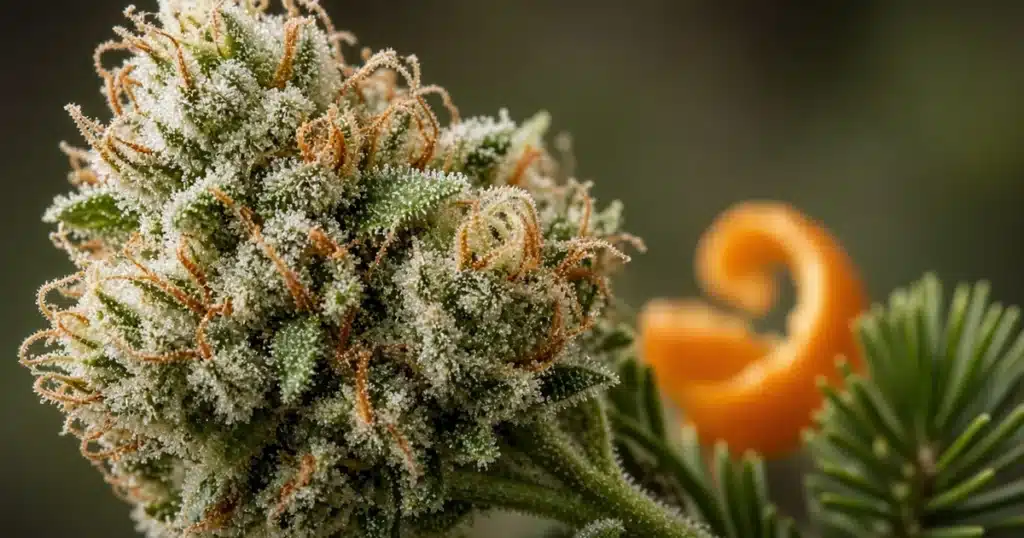
The Danger Of Synthetic Cannabinoids

Synthetic cannabinoids are steadily increasing in prevalence among cannabis users. Yet, they pose serious risks that are often overlooked. Unlike natural cannabis, these lab-made substances can lead to severe health issues. Dive into the dangers of synthetic cannabinoids, uncovering the differences and the health risks involved, to help you make informed and safer choices.
Recognizing and The Danger Of Synthetic Cannabinoids
Synthetic cannabinoids are lab-created chemicals that aim to replicate the effects of THC, the active ingredient in cannabis. Unlike cannabis, these synthetic versions are often sprayed on plant material or sold as liquids for vaping. They go by names like “Spice” or “K2” and are sometimes misleadingly marketed as safe or legal cannabis alternatives.
The production of synthetic cannabinoids involves crafting compounds that interact with the same brain receptors as THC. However, these compounds can be much more potent and unpredictable. Without standard production practices, the strength and makeup of synthetic cannabinoids can vary greatly, posing significant risks. These substances are often sold in unregulated markets, leaving users uncertain about what they’re actually consuming. This unpredictability is a primary reason why synthetic cannabinoids are particularly dangerous compared to natural cannabis.
Health Risks Associated with Synthetic Cannabinoids
Synthetic cannabinoids can lead to severe health issues, far surpassing those linked to natural cannabis. Physically, users may face increased heart rates and high blood pressure, which can escalate to heart attacks. There’s also a risk of seizures and kidney damage, highlighting the immediate dangers these substances pose.
The mental health effects are equally concerning. Users often report intense anxiety, paranoia, and hallucinations. In some instances, these substances have triggered psychotic episodes that require medical care. A study in the New England Journal of Medicine points out that the unpredictable strength and makeup of synthetic cannabinoids make them more likely to cause such severe mental health issues.
Data from the Centers for Disease Control and Prevention (CDC) shows a rise in emergency room visits due to synthetic cannabinoids, emphasizing their significant health risks. These visits often involve serious symptoms needing urgent care, underscoring the dangers. For cannabis users, recognizing these risks is helpful for making safer choices and avoiding potentially life-threatening consequences.
Legal Status and Regulation
The legal landscape for synthetic cannabinoids in the USA and Canada is a tangled web. Initially, these substances slipped through regulatory cracks, popping up in convenience stores and online. As their dangers became clear, both countries moved to tighten controls.
In the U.S., many synthetic cannabinoids now fall under Schedule I of the Controlled Substances Act, marking them as high-risk with no medical use. Yet, crafty manufacturers tweak formulas to dodge these laws, keeping regulators on their toes.
Canada faces similar hurdles. Synthetic cannabinoids are illegal under the Controlled Drugs and Substances Act, but the rapid emergence of new compounds makes enforcement a game of catch-up. Law enforcement struggles to keep pace with these ever-evolving substances.
Adding to the challenge, these products often circulate through illicit channels, wrapped in unmarked packaging. This opacity not only endangers users but also hampers regulatory efforts.
Grasping the legal and regulatory maze of synthetic cannabinoids is critical for all cannabis users. Staying informed helps avoid legal pitfalls and protects against health risks.
Why Synthetic Cannabinoids Are Dangerous
The unpredictability of synthetic cannabinoids makes them particularly hazardous. Unlike natural cannabis, which maintains a consistent profile of cannabinoids and terpenes, synthetic versions can vary drastically in their chemical composition. This inconsistency means users are often unaware of the product’s strength or potential effects. Some batches may contain compounds far more potent than THC, leading to severe and unexpected reactions.
Another major issue is the absence of quality control. While natural cannabis is subject to agricultural and safety standards, especially in legal regions, synthetic cannabinoids are typically produced in unregulated labs. This lack of oversight raises the risk of contamination with harmful substances, posing additional health threats to users.
Recognizing and Avoiding Synthetic Cannabinoids
Identifying synthetic cannabinoids can be tricky, but there are warning signs. They often go by names like “Spice,” “K2,” or “Herbal Incense” and are sold in flashy packaging, sometimes falsely labeled as “natural” or “safe.” Despite these claims, these products are far from harmless.
To steer clear of synthetic cannabinoids, it’s wise to buy from reputable sources, such as licensed dispensaries, where products undergo testing and regulation. Checking for lab results and certifications can guide safer choices. Being familiar with the common street names and packaging styles of synthetic cannabinoids can also help users avoid these risky substances.
Steer Clear of Synthetic Cannabinoids to Ensure Your Safety
The risks associated with synthetic cannabinoids are significant, affecting both physical and mental health due to their unpredictable potency and lack of quality control. The legal framework is complex, with regulators struggling to keep up with the rapid emergence of new compounds. For cannabis users in the USA and Canada, understanding these risks is necessary for making informed decisions.
By recognizing the signs of synthetic cannabinoids and opting for safer, regulated alternatives, users can protect themselves from potential dangers. Education and awareness are helpful in ensuring that cannabis use remains safe and enjoyable. As the cannabis industry evolves, staying informed about the risks and regulations surrounding synthetic cannabinoids will help users avoid legal and health-related issues.
What are synthetic cannabinoids (Spice or K2)?
Synthetic cannabinoids are lab-created chemicals designed to mimic the effects of THC, the main active compound in natural cannabis. Often sprayed onto plant material or sold as vape liquids, they are commonly known by street names like "Spice," "K2," or "Herbal Incense." Despite sometimes being marketed as "legal" or "natural" alternatives, they are completely synthetic and highly dangerous.
What are the health risks and side effects of synthetic cannabinoids?
Synthetic cannabinoids pose severe physical and mental health risks that far exceed those of natural cannabis. Physical side effects include elevated heart rates, high blood pressure, seizures, kidney damage, and even heart attacks. Mentally, users often experience extreme anxiety, paranoia, hallucinations, and severe psychotic episodes that require emergency medical intervention.
Why is synthetic weed so much more dangerous than natural marijuana?
The primary danger of synthetic weed is its extreme unpredictability and lack of quality control. Natural cannabis maintains a consistent profile and is subject to safety regulations in legal markets, whereas synthetic cannabinoids are produced in unregulated illicit labs. The chemical formulas are constantly altered by manufacturers to dodge drug laws, resulting in highly potent, contaminated batches that trigger unexpected and life-threatening reactions.
How can I avoid accidentally buying synthetic cannabinoids?
These products often circulate in unregulated markets or convenience stores, wrapped in flashy packaging with false claims of being a "safe" alternative. To protect yourself, avoid any products labeled as "Herbal Incense," "Spice," or "K2." The best way to steer clear of synthetic chemicals is to exclusively purchase your cannabis from reputable, licensed dispensaries that provide full transparency through laboratory testing and certifications.