The history of the High Times Cannabis Cup

For decades, winning a High Times Cannabis Cup was the closest thing the cannabis world had to an Oscar. Breeders printed it on seed packs, coffeeshops hung the trophies on their walls and strain names became famous overnight. The Cup started small, in a city where cannabis was tolerated, and moved to the United States as legalization spread. Here is how it grew, what changed and why it still shapes the way people talk about genetics.
How the Cup began
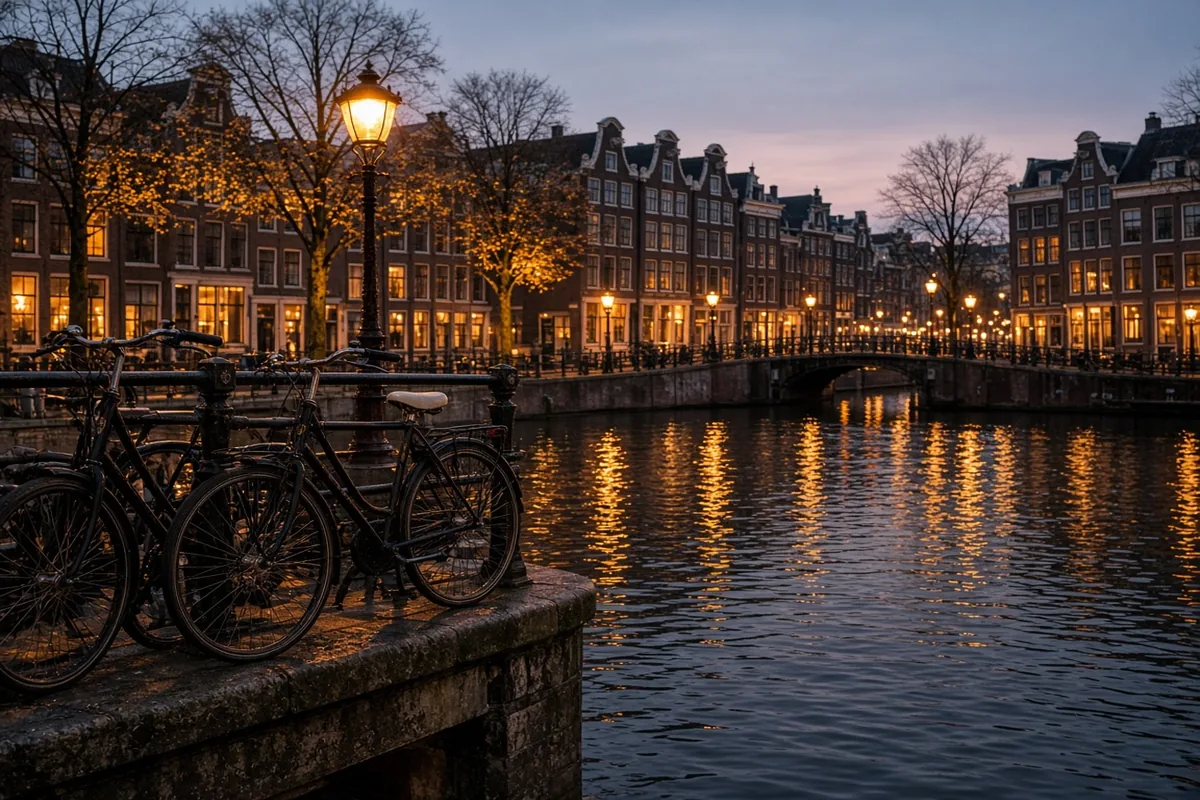
The first Cannabis Cup took place in Amsterdam in 1988. It was organized by Steven Hager, then editor of High Times magazine. The idea was simple. Gather a few growers and seed companies, compare their best flower and crown a winner. Early events were small and informal, closer to a harvest festival than a trade show.
Amsterdam made sense. The Netherlands’ policy of tolerating small sales in coffeeshops gave the event a legal gray zone where judging could actually happen. The city was also home to many of the seed companies that were shaping modern genetics in the 1980s.
The Amsterdam years
Through the 1990s and 2000s, the Cup grew into a week long event held around Thanksgiving. Visitors flew in from around the world. Coffeeshops and seed companies entered categories, and attendees could buy judge passes that let them sample entries and vote.
Over time the categories expanded. There were separate awards for indica and sativa style flower, for hash, for seed company entries and for coffeeshops. Many strains that are still household names earned early fame at these events. Families like Haze, Skunk, Northern Lights and later Kush and Diesel crosses all had their moment on the Cup stage. If you are curious about the genetics behind those names, our guide on the best cannabis seed breeders in the world covers the breeders who shaped that era.
Why winning mattered
A Cup win could change a breeder’s business overnight. Seed packs carried the trophy as a badge. Growers trusted it as a signal that a strain had been tested by a crowd of experienced smokers. In a market without lab testing or brand standards, the Cup was one of the few public scorecards.
That influence also drew criticism. Some people felt judging was too open to marketing and hype. Others pointed out that judges sampled huge numbers of entries in a short time, which made fair comparison hard. Still, the trophies became a lasting part of cannabis lore.
Moving to the United States
As medical and then adult use cannabis spread in the United States, High Times began hosting Cups stateside. Events were held in states such as California, Colorado, Michigan and others, often focused on medical or licensed products that met local rules. Categories shifted toward what licensed markets sold, including concentrates, edibles and vape products alongside flower.
The Amsterdam Cup eventually ended as the Dutch tightened rules around coffeeshops and tourism. The center of gravity moved to legal U.S. markets, where competitions had to follow state rules on testing, sales and who could attend.
How judging changed
| Era | Typical judges | Entries | Notes |
|---|---|---|---|
| Early Amsterdam | Invited panel and staff | Coffeeshop and seed company flower | Small and informal |
| Later Amsterdam | Public judge pass holders | Flower, hash, seed company categories | Week long festival |
| U.S. events | Pass holders in legal states | Licensed flower, concentrates, edibles | Must follow state law |
| Recent years | Mix of judge kits and panels | Products from licensed brands | Format varies by market |
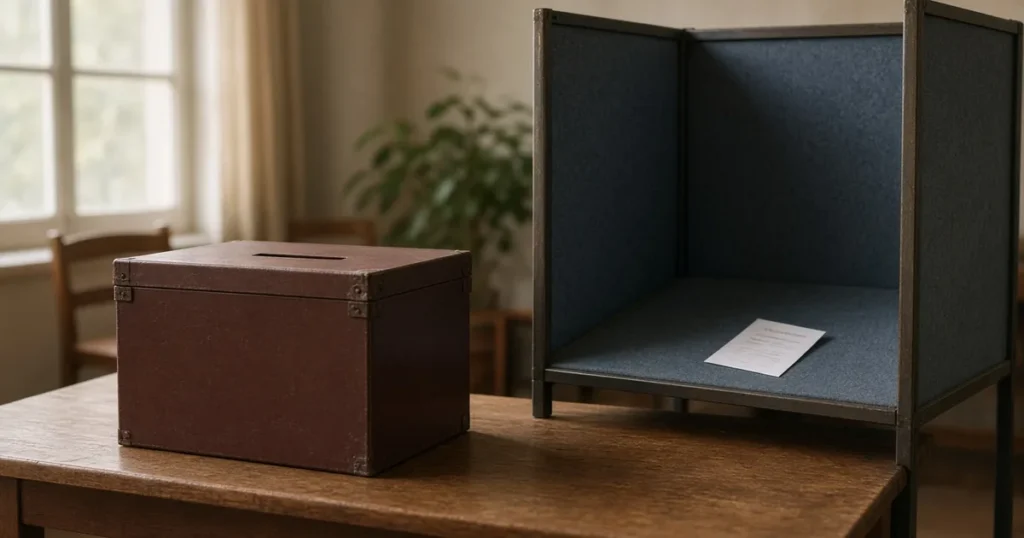
In legal U.S. markets, many events moved to judge kits bought through licensed retailers, which let people evaluate entries at home within local rules.
The Cup’s legacy
The High Times Cannabis Cup helped turn cannabis into a culture with its own awards, stars and history. It gave small breeders a stage, made strain names part of everyday conversation and inspired a whole wave of other competitions around the world. Today there are many events that judge flower, hash and seed genetics. Our roundup of the top cannabis competitions internationally covers the current landscape.
The Cup’s history also shows how much the industry changed. A gathering that started in a tolerated gray zone became a set of events tied to licensing, testing and state rules. That shift mirrors the larger move from underground to regulated.
Growing award style genetics at home
Many adults 21 and older who grow at home like to start with genetics that have earned recognition. If you go that route, remember that results depend heavily on the grower. A trophy strain grown in a hot, cramped tent will not match the jar that won. Focus on the basics: a stable environment, proper feeding and a careful dry and cure. Our guides on complete grow tent setup guide and when to harvest outdoor cannabis cover the steps that make the biggest difference. Always check your state’s home grow rules before you start.
What judges looked for
Across eras, judges tended to score entries on a similar set of traits, even when the forms changed.

- Appearance: bud structure, trichome coverage and trim quality.
- Aroma: how strong and distinct the smell was when the jar opened and when a bud was broken.
- Flavor: whether the taste matched the aroma and held up from start to finish.
- Burn: how evenly the flower burned and what the ash looked like.
- Overall impression: the hardest category to pin down and often the one that decided close calls.
These same traits are still useful for home growers who want to judge their own harvest honestly. Line up a few jars, take notes and compare them side by side. You will learn more about your growing from that exercise than from any trophy.
The Cup and seed company culture
Seed company categories gave breeders a direct reason to stabilize and show their work. A win could justify years of selection, and many companies built their reputations on a handful of Cup results. That competition pushed breeders to refine lines and helped popularize the idea of named, branded genetics that growers still shop for today.
Enjoy cannabis culture responsibly
Cannabis is only legal for adults in some states, and the rules on possession, public use and home growing change from place to place. Kind Seed Co sells only to adults 21 and older, and nothing here is an invitation to break the law where you live. If you want to know what is allowed in your state, start with our guide to the legal requirements for growing weed plants in your state. Never drive after using cannabis, keep it away from kids and pets, and respect anyone who chooses not to partake. This article is general information about culture and history. It is not legal advice and it is not medical advice.
Frequently asked questions
When was the first High Times Cannabis Cup?
The first Cup was held in Amsterdam in 1988, organized by High Times editor Steven Hager.
Why was the Cannabis Cup held in Amsterdam?
The Netherlands tolerated small cannabis sales in coffeeshops, which made judging possible, and the city was home to many key seed companies.
Is the Cannabis Cup still held?
High Times has held Cups in legal U.S. states, but schedules and formats have changed over the years. Check the organizer’s current listings.
Does a Cup win guarantee a good harvest?
No. Results depend heavily on growing conditions, feeding and curing.
Final thoughts
The High Times Cannabis Cup began as a small gathering in Amsterdam and became one of the most famous events in cannabis history. It made breeders famous, shaped which strains people sought out and paved the way for the many competitions that exist today. Its move from Dutch coffeeshops to licensed U.S. markets tells the story of legalization itself.
Ready to start
Browse the full range in the Kind Seed Co shop or go straight to award winning seeds. Kind Seed Co sells only to adults 21 and older. Always follow the cannabis laws where you live.