
Understanding the Role of Terpenes in the Flavor of Cannabis

The cannabis plant is renowned not only for its psychoactive effects but also for its diverse array of flavors and aromas. These sensory attributes are largely attributed to compounds called terpenes, which are aromatic molecules found in various plants, including cannabis.
Terpenes are a class of organic compounds produced by a wide range of plants, including fruits, flowers, and herbs. They are responsible for the distinctive aromas and flavors associated with different plant species. In cannabis, terpenes are synthesized in the resin glands of the plant’s flowers, where they are stored alongside cannabinoids such as THC and CBD.
Types of Terpenes Found in Cannabis
Each type of terpene has a distinct influence on the flavor and effects of different cannabis strains, so a diverse terpene profile gives a fuller flavor.
Myrcene
Myrcene is the most common terpene present in cannabis, providing a strong and earthy flavor profile that often presents hints of musk and cardamom. Myrcene’s effects are relaxing and sedative, which is why they are often associated with indica strains.
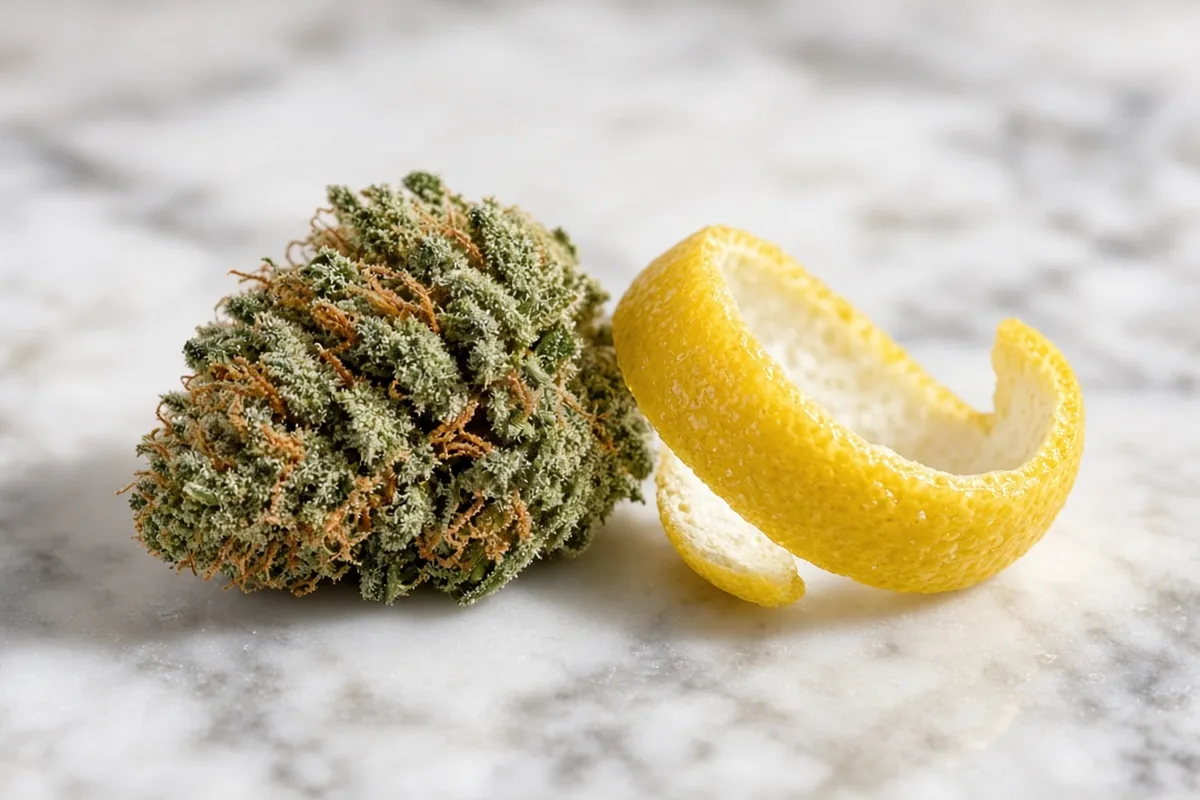
Limonene
Second to Myrcene, limonene is another prevalent terpene in cannabis. True to its name, this terpene has a strong citrus aroma and flavor. In terms of effects, limonene has uplifting properties, often found in sativa strains, and many people describe it as mood-lifting.
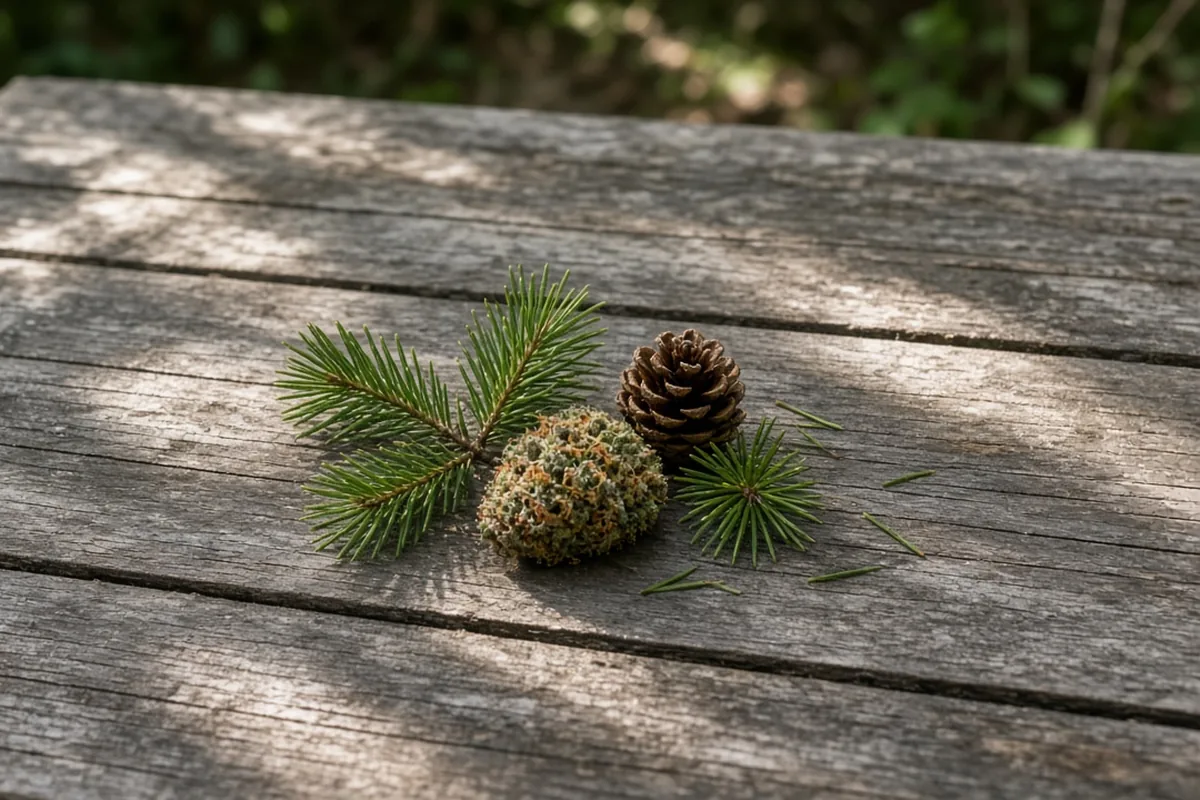
Pinene
Pinene is another common terpene found in cannabis. This terpene has a distinctive pine or forest-like aroma and taste. Many people describe it as bright and uplifting.
Other Common Terpenes
Several other terpenes contribute to the complex flavor profiles and effects of different cannabis strains. These include Linalool, which gives off a lavender aroma, and Caryophyllene, which has a spicy, peppery aroma.
The Impact of Terpenes on Cannabis Flavor
Beyond their individual characteristics, terpenes create a symphony of flavors and aromas through their interaction with other compounds in cannabis, notably cannabinoids. Factors such as growth conditions and processing methods can also significantly influence terpene expression.
Terpenes and Cannabinoids Together
Cannabinoids are the active compounds in cannabis famous for their psychoactive effects. The most well-known and abundant are THC (Tetrahydrocannabinol) and CBD (Cannabidiol).
Terpenes and cannabinoids work in harmony, a phenomenon known as the ‘entourage effect.’ This interaction may shape the overall flavor profile. The same strain of cannabis can induce varying experiences, thanks to the unique combination of terpenes and cannabinoids.
For example, Myrcene assists THC in penetrating the blood-brain barrier, thereby enhancing its psychoactive effects. Similarly, limonene can help in the absorption of other terpenes and cannabinoids through the skin and body tissues, which makes it common in cannabis topicals. In contrast, some users describe pinene-rich strains as feeling clearer. The relationship between terpenes and cannabinoids is a key part of how cannabis tastes and feels.
Factors Affecting Terpene Expression
Beyond the genetic makeup of cannabis strains, environmental factors significantly influence the terpene profile. Elements like climate, soil type, nutrients, and sunlight can either increase or decrease the expression of certain terpenes.
The post-harvest process can greatly affect terpene concentration. Age, drying, and curing methods contribute to the final terpene profile. For example, rapid drying can lead to terpene loss, while slow, well-controlled methods can aid in their preservation. Understanding these factors is essential for home growers aiming to enhance specific flavors in their plants.
Enhancing Cannabis Flavor With Terpenes
Just as a chef might tweak ingredients to achieve the perfect flavor combination, so can cannabis enthusiasts and cultivators manipulate terpenes to enhance or change overall cannabis flavor.
Blending Terpenes for Desired Flavors
By blending different cannabis strains with specific terpenes, cultivators can design a unique flavor and aroma that is tailor-made to personal or market tastes.
For instance, if a grower desires a citrusy cannabis strain, they might select a cultivar high in limonene. Or, to create a calming strain, they may opt for a variety high in myrcene or linalool. The possibilities are endless and only limited by one’s knowledge and creativity in terpene blending.
Understanding Terpene Volatility
An essential factor to consider when dealing with terpenes is their volatility. In essence, terpenes are volatile organic compounds, which means they evaporate at relatively low temperatures. This means that you can easily lose terpenes during the cultivation and curing process, especially if not properly managed. This can significantly affect the final flavor profile of the cannabis and may lead to an end product that differs substantially from the intended outcome.
Terpene volatility can also impact the effects of cannabis. Since different terpenes have different boiling points, the effects of cannabis can change with alterations in temperature. For instance, some terpenes may release their maximum effect at lower temperatures, while others require a higher heat to fully express.
Techniques for Preserving Terpenes
Preserving the terpene profile during the cultivation and curing process is how you keep the intended flavor profile of cannabis. A few best practices for preserving terpenes in cannabis include perfecting the curing process, controlling temperature and light exposure, and using airtight storage containers.
Growers can shape the flavor profiles and effects of their cannabis by selecting specific strains and carefully managing the growth and curing processes. Through experimentation with various terpene compositions, cultivators can craft personalized cannabis experiences that align with their individual preferences.
Related reading: Ultimate Terpenes Guide, The Many Delicious Aromas of Marijuana, Maximizing Terpenes and What Does Weed Taste Like?.
FAQ
What are terpenes in cannabis?
Aromatic compounds that shape smell and taste. They also appear in many other plants.
How do growers protect terpene flavor?
Gentle dry, slow cure, cool dark jars, and avoiding overdrying or baking buds in hot rooms.
Do terpenes equal effects?
Aroma is clearer than effect claims. Use terp info to pick flavors you like, then learn your own response.
Why does the same strain taste different between grows?
Environment, harvest timing, cure, and storage change the terp profile a lot.


