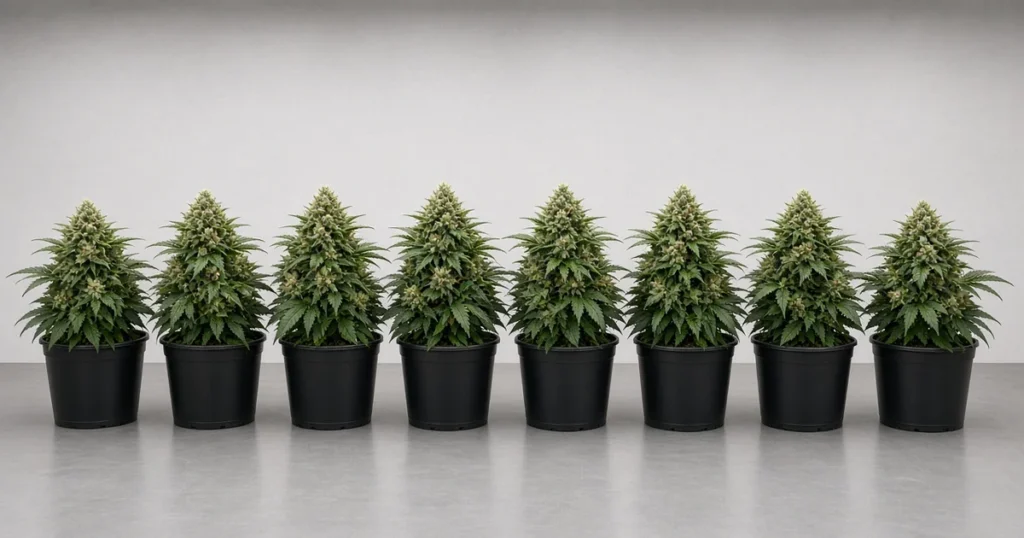
Top 10 Exotic Weed Strains
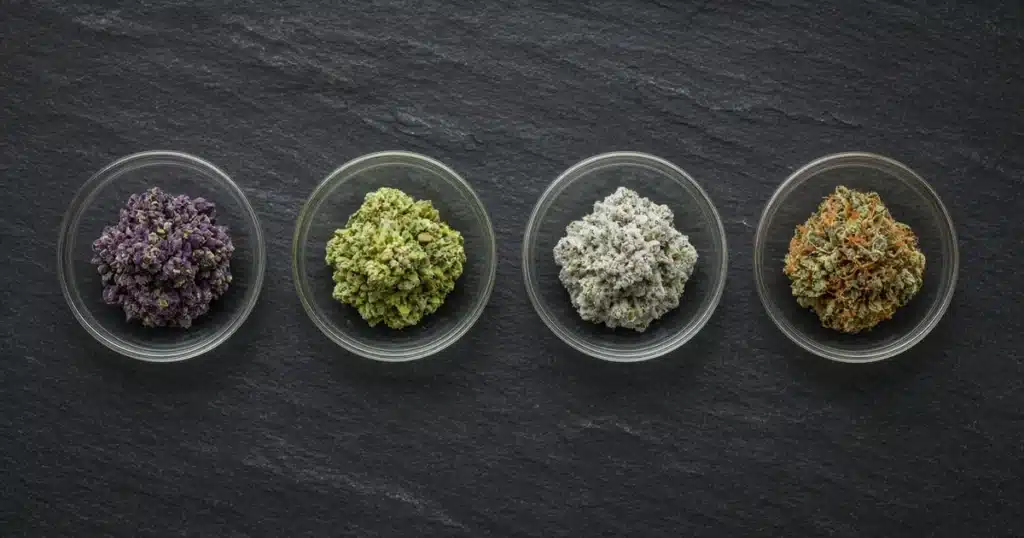
Quick answer: Exotic weed strains are cultivars that growers and shoppers see as rare or unusual, usually because of uncommon genetics, a distinctive aroma or a striking look. “Exotic” is a marketing term, not an official category, and no lab or regulator defines it. The best way to judge an exotic strain is to look past the name to its reported lineage, its aroma notes, its lab report and how it grows.
What Makes a Strain Exotic?
Shoppers use “exotic” when a cultivar feels uncommon. Four traits come up again and again.
- Rarity. Limited releases, regional roots or unusual crosses that are harder to find.
- Genetic background. Lineages that trace toward landrace plants or careful specialty breeding.
- Aroma and flavor. Smells that read as fruity, funky, floral or dessert like in unexpected ways.
- Looks. Purple color, heavy frost or unusual leaf and flower shapes.
There is no standard behind the word. A University of Colorado Boulder study of nearly 90,000 samples across six states found that commercial labels “do not consistently align with the observed chemical diversity” of products, and the researchers noted that sellers are free to name their products what they want. The same study found that some strain names were fairly consistent across samples while others were “consistently inconsistent.” So a name, exotic or not, tells you less than the details behind it.
Consumers commonly report that experiences differ from one exotic strain to the next, and from person to person.
Exotic vs Top Shelf
The two terms often get used together, but they really describe different things.
| Term | What it usually means | What it does not mean |
|---|---|---|
| Exotic | Rare or unusual genetics, aroma or looks | A tested quality grade |
| Top shelf | A seller’s highest price or quality tier, often based on look, smell and trim | Rare genetics |
| Both | A rare cultivar that a seller also ranks in its top tier | A lab result |
A common strain can be top shelf if it is grown, dried and stored well, and an exotic strain can be average if it is grown poorly. Neither term is a formal standard, so judge each jar or plant on its own merits.
10 Exotic Weed Strains Worth Knowing
The ten picks below are known for unusual lineage, aroma or looks. Each entry covers aroma, look and lineage as reported by breeders and sellers. No university source documents these lineages.
1. Purple Thai Photo Fem
A photoperiod known for purple leaning foliage and a fruity, earthy aroma. Its lineage is reported as Chocolate Thai x Oaxacan Gold, two classic sativa-leaning lines. Plants can run tall. See the Purple Thai product page for the current table.
2. Hindu Kush Auto Fem
An autoflowering version of the Hindu Kush line, which is reported to come from mountain landrace plants. It is resin heavy with a sweet, earthy aroma, and it flowers by age rather than by light change. Details are on the Hindu Kush Auto product page.
3. Bruce Banner 2.0 Photo Fem
A photoperiod named after the comic book character, with a sweet and earthy finish. Lineages vary by listing, so read the product table for the version you grow. Growers describe vigorous plants that reward strong light and clean training.
4. Zombie Death Fuck Photo Fem
A photoperiod with a theatrical name and a sweet and sour aroma. Reported lineages differ between sellers, which is common for newer names. Dense flowers mean airflow matters late in flower.
5. Wifi OG Photo Fem
A photoperiod reported as Fire OG x The White. It has a pine forward nose with a sweet edge and the frosty look the OG family is known for. See the Wifi OG product page.
6. Chemdog4 Photo Fem
A selection from the Chemdog line, known for dense, trichome heavy flowers and a sharp chemical and funk aroma. Odor control is a must indoors.
7. Cake Batter Photo Fem
A dessert style hybrid with a bakery sweet aroma. It is reported to draw on Girl Scout Cookies and Cherry Pie genetics. See the Cake Batter product page.
8. Purple Lemon Zkittlez Photo Fem
A Zkittlez family pick with purple color on some plants and a lemon and fruit candy aroma. Color depends mostly on the genetics of each plant.
9. M8 Photo Fem
A cultivar reported to be of Italian origin, with a fruity and floral nose and resinous flowers.
10. Pink Berry Banana Rozay Auto Fem
An autoflower reported to draw on Banana OG, Purple Punch and Rozay genetics. It has a berry and banana aroma with a hint of fuel and flowers by age.
How to Judge an Exotic Strain
- Find the lineage source. Check whether the cross comes from the breeder, a seller table or a strain database. A breeder listing is the strongest of the three, but none are lab data.
- Read the aroma notes. Aroma is what most people mean by exotic. Compare the listed notes across a few sources.
- Read a lab report if there is one. UGA Extension notes that what a lab report includes varies widely from lab to lab, so compare the units, the test date and which compounds are listed before you compare numbers.
- Check how it flowers. Photoperiod plants wait for a light change, while autos flower by age. Utah State University Extension says cannabis is a short day plant that starts to flower when day and night lengths are approximately equal.
- Check the grow difficulty and height. Tall sativa-leaning plants need vertical room, while dense OG and Chem types need strong airflow.
- Match it to your space. Choose one or two new cultivars per run so you can learn each one.
- Check your rules. Before you plant cannabis outdoors, check your state’s home grow law.
Troubleshooting
Plants in the same run look different. Uncommon or newer genetics can show more spread between plants. Keep notes and choose keepers by aroma and structure after the dry.
Flowering runs long. Sativa-leaning picks such as Purple Thai can take longer than the listed window. Check the flowers rather than the calendar.
Dense flowers stay damp. OG, Chem and dessert types build tight tops. Keep air moving and lower late flower humidity.
Plants stretch past the light. Tall picks can stretch hard after the flip. Flip earlier and train in veg.
An auto stays small. Autos have a short veg window. Avoid heavy training or transplant shock early in their life.
The aroma does not match the listing. Aroma shifts with the plant, the dry and storage. Utah State notes that CBD is produced in trichomes, found in the highest density on unpollinated female flowers, so handle flowers gently and dry them cool and slow to protect the trichomes.
Sources
- University of Colorado Boulder, What’s in your weed? The label doesn’t tell you much, study suggests: https://www.colorado.edu/today/2022/05/19/whats-your-weed-label-doesnt-tell-you-much-study-suggests
- Utah State University Extension, Ten Frequently Asked Questions About Growing Cannabis: https://extension.usu.edu/crops/research/ten-frequently-asked-questions-about-growing-cannabis
- UGA Extension, Circular 1209, Chemistry and Lab Results (PDF): https://fieldreport.caes.uga.edu/wp-content/uploads/2023/06/C1209.pdf
FAQ
What makes a weed strain exotic?
There is no official definition. "Exotic" is a marketing term for strains that seem rare or unusual because of their genetics, aroma, looks or limited availability. A University of Colorado Boulder study found that sellers are free to name products what they want, so look at the lineage and aroma behind the label.
Do exotic weed strains test differently in the lab?
Not as a group. "Exotic" is not a lab category, and a University of Colorado Boulder study found that commercial labels do not consistently match product chemistry. UGA Extension notes that what a lab report includes varies widely by lab, so compare reports carefully rather than relying on the word exotic.
Are exotic strains harder to grow?
Not always. Some, like tall sativa-leaning picks, need vertical space and a longer flowering window, while dense OG and Chem types need strong airflow. Others are easy. Read the flowering type, height and timing for each cultivar before you plant.
Is exotic the same as top shelf?
No. Exotic usually describes rare or unusual genetics, aroma or looks. Top shelf usually describes a seller's highest price or quality tier, based on look, smell and trim. A common strain can be top shelf, and an exotic strain can be average if it is grown poorly.
How do you know if a strain is really exotic?
Check where the lineage comes from, compare aroma notes across sources and read a lab report if one is available. If the name is new and the lineage changes from seller to seller, the strain may be more of a marketing name than a rare cultivar.