What a budtender actually does
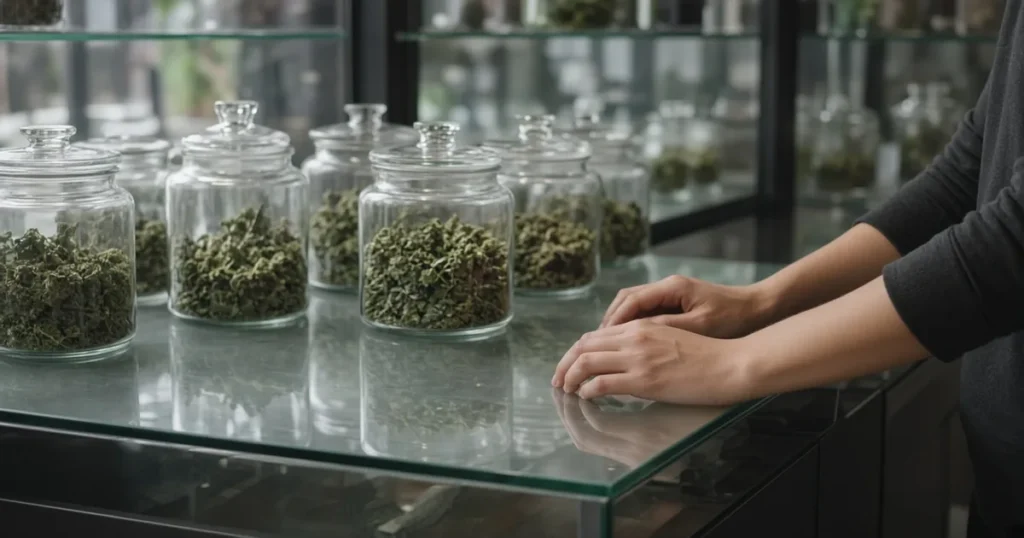
If you have ever walked into a licensed cannabis store, the person who greeted you at the counter was probably a budtender. The job looks simple from the customer side, but it involves more than handing products across a counter. Budtenders check IDs, follow strict state rules, track inventory, explain products and help people who range from total beginners to longtime growers. This article explains what the job really involves, what skills it takes and how people get into it. It is general information for adults 21 and older.
The short definition
A budtender is a retail employee at a licensed cannabis store who helps customers choose and buy products. The name borrows from bartender, and the roles have something in common. Both serve an adult product, both check ID and both are responsible for following the law at the point of sale.
A typical shift
A shift often starts before the doors open. Budtenders may restock shelves and cases, check that the menu matches what is in stock and log any product moves in the state tracking system. Once customers arrive, the work shifts to the counter.
- Greeting customers and checking a valid government ID, every time.
- Asking what the customer is looking for and how familiar they are with cannabis.
- Explaining product types, such as flower, prerolls, edibles, vapes and topicals.
- Pointing out label information, such as the producer, package date and batch test results.
- Ringing up the sale while staying within state purchase limits.
- Answering questions about storage, safe use and local rules.
Between customers there is often cleaning, restocking and paperwork. Closing shifts usually include counting the cash drawer and reconciling inventory.
Compliance is a big part of the job
Cannabis is one of the most tightly regulated retail products in the country. Every package is tracked from the farm to the sale. Budtenders are on the front line of that system. A mistake, such as selling over the daily limit or failing to check ID, can cost a store its license and a budtender their job.
Many states require budtenders to hold a work permit or agent card, pass a background check or complete approved training before they can work. The details vary widely, so anyone interested should check the state regulator website.
What budtenders can and cannot say
Good budtenders share product knowledge, but they are not doctors. In most states they cannot make medical claims or diagnose conditions, and responsible stores train staff to avoid health promises. A good budtender will describe a product, share what other customers often say about flavor or aroma and suggest starting with a small amount, then send any medical questions to a healthcare provider.
That line matters for customers too. If someone behind the counter promises a product will treat a condition, that is a sign the store is not following best practice.
The skills that make a great budtender
| Skill | Why it matters |
|---|---|
| Product knowledge | Customers ask about strains, formats and how products are made |
| Listening | The best recommendation starts with understanding what someone wants |
| Patience | Many customers are new and nervous |
| Attention to detail | Limits, IDs and tracking leave no room for errors |
| Honesty | Saying I do not know builds more trust than guessing |
| Cash handling | Many stores still rely heavily on cash |
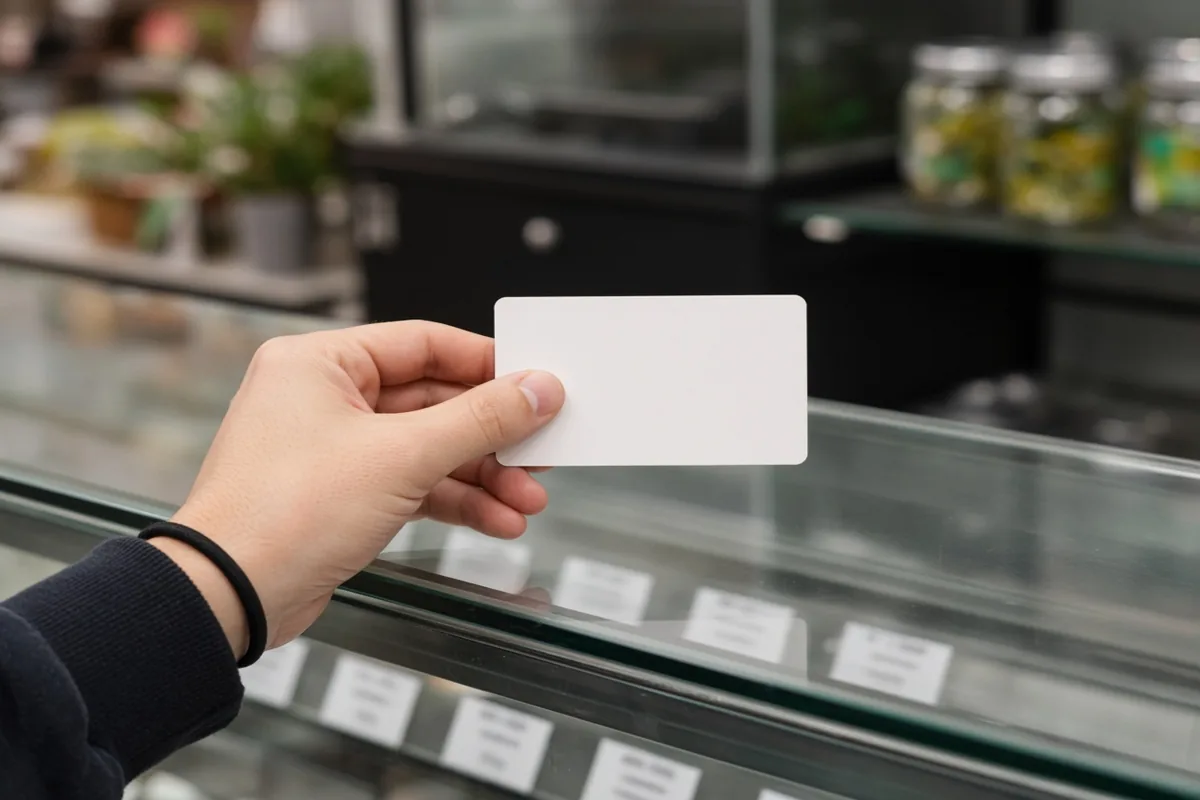
Plant knowledge helps a lot. Budtenders who grow at home, where legal, or who understand how flower is grown, dried and cured can explain quality in a way that customers trust. Knowing how to read terpene information and package dates makes a difference too.
How people get into the job
Most budtenders start without industry experience. Retail, hospitality and customer service backgrounds translate well. A typical path looks like this.
- Confirm you meet the age requirement, which is 21 in most states.
- Check whether your state requires a work permit or training course.
- Apply to licensed stores directly or through job boards.
- Expect a background check and an ID check during hiring.
- Complete store training on products, compliance and the point of sale system.
Some budtenders move into roles such as inventory lead, store manager, buyer or compliance specialist. Others move to the production side, working in cultivation or processing.
Pay and working conditions
Pay is usually hourly and varies by state and city. Some states allow tipping and some customers tip, but that is not universal. The work involves standing for long shifts, handling busy holiday rushes such as April 20 and dealing with occasional frustrated customers. Many budtenders say the best part is helping new customers feel comfortable and sharing their love of the plant.
Tips for customers
You will get the most from a budtender if you are honest about your experience level, ask about test results and package dates, and say what you want to avoid as well as what you want. Ask for the smallest size when you try something new. A good budtender will respect a tight budget and never push you past what you came in for.
For home growers
Budtenders and home growers often share the same curiosity. Many growers enjoy talking with staff about genetics and grow styles. If you are thinking about growing your own, a budtender can be a good sounding board for what kinds of flower you enjoy, which helps you choose seeds. Check our guide to the legal requirements for growing weed plants in your state before you start a garden.
A changing role
As markets mature, the role keeps changing. Online ordering and pickup counters mean some budtenders spend more time packing orders and less time chatting. Delivery, where legal, adds new compliance steps. Through all of it, the core of the job stays the same, which is helping adults buy legal cannabis safely and within the rules.
Enjoy cannabis culture responsibly
Cannabis is only legal for adults in some states, and the rules on possession, public use and home growing change from place to place. Kind Seed Co sells only to adults 21 and older, and nothing here is an invitation to break the law where you live. If you want to know what is allowed in your state, start with our guide to the legal requirements for growing weed plants in your state. Never drive after using cannabis, keep it away from kids and pets, and respect anyone who chooses not to partake. This article is general information about culture and history. It is not legal advice and it is not medical advice.
Frequently asked questions
Do budtenders need a license?
Many states require a work permit, agent card or approved training. Check your state regulator for the exact rules.
Can a budtender give medical advice?
No. Budtenders can describe products but should not diagnose or make medical claims. Medical questions belong with a healthcare provider.
How old do you have to be to be a budtender?
In most states you must be 21, though some medical programs allow slightly younger staff.
Do you tip budtenders?
It depends on the state and the store. Where tipping is allowed, it is common but not required.
Final thoughts
A budtender is part guide, part compliance officer and part retail worker. The job asks for product knowledge, patience and careful attention to state rules. For customers, a good budtender makes legal cannabis easier to understand and safer to buy.
Ready to start
Browse the full range in the Kind Seed Co shop or go straight to kindseed.com. Kind Seed Co sells only to adults 21 and older. Always follow the cannabis laws where you live.