Women who changed cannabis breeding
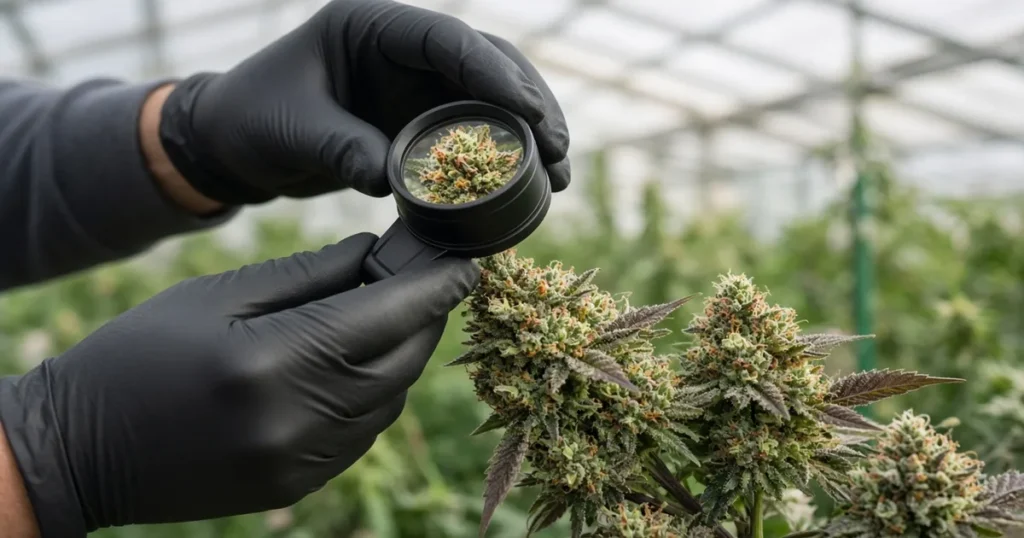
Cannabis breeding history is usually told as a story about a handful of famous men. That version leaves out a lot. Women have been growing, selecting and preserving cannabis for as long as the plant has been cultivated, and in the modern era women have built seed companies, invented key tools and kept important genetics alive. This article looks at that history and at a few of the women whose work is widely recognized. It is a culture piece for adults 21 and older, not a complete list, and many contributions were never recorded at all.
The long view
For thousands of years cannabis was a farm crop, grown for fiber, seed and resin. In many farming households, women handled seed saving, sorting and planting. Choosing which seeds to keep each year is a form of selection, and over generations that work shaped the landrace varieties that modern breeders later collected. Those contributions rarely appear in written records, but the plants themselves carry the result.
Prohibition and the underground years
During the decades of prohibition, breeding moved into basements, back country gardens and small circles of trusted growers. Records were kept quietly or not at all. Women were part of these networks as growers, keepers of seed stock and partners in family operations. Because the work was illegal, credit tended to go to whoever later went public, which is one reason the history skews male.
Mila Jansen and solventless hash
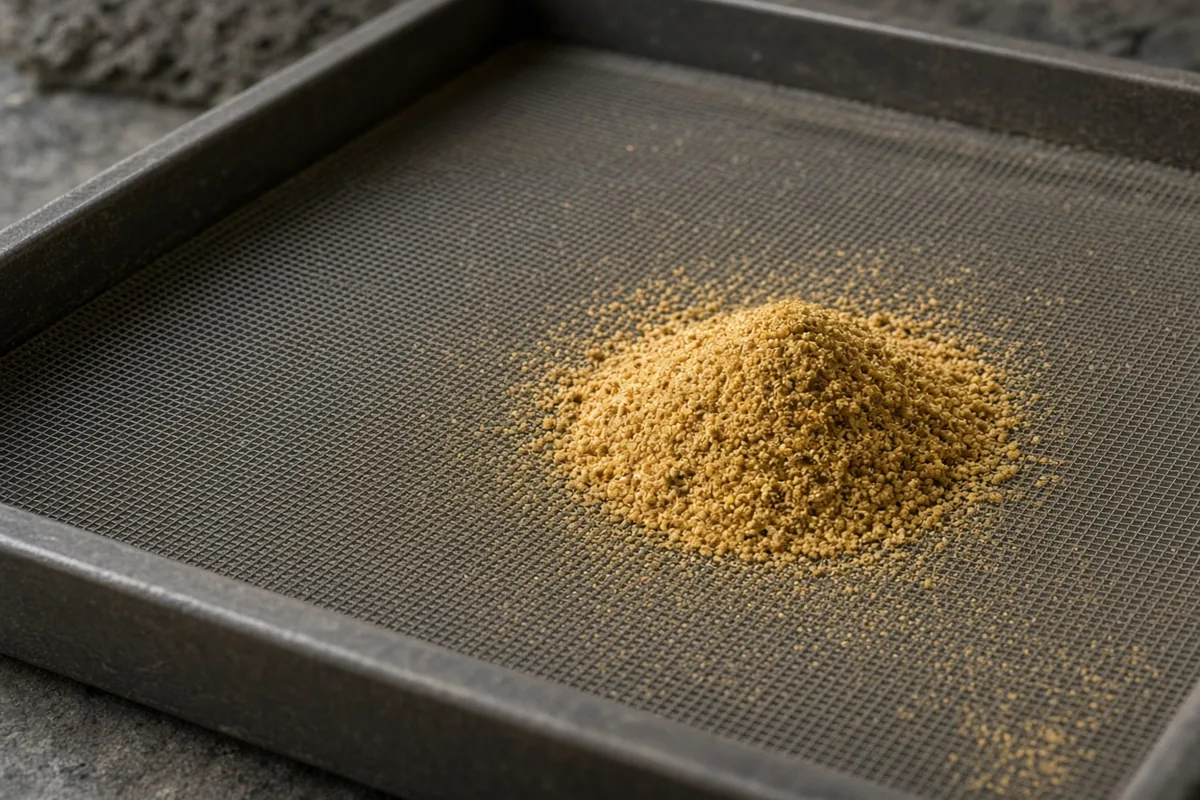
One of the best known figures is Mila Jansen, who is widely credited with inventing the Pollinator, a tumbling machine for dry sifting trichomes, in the 1990s. She later helped popularize the Ice O Lator bag system for ice water extraction. Both methods are solventless, which means they separate resin using cold, water and agitation rather than chemicals. These tools brought clean, simple hash making within reach of small growers and helped shape the modern craft hash scene. She has often been called the hash queen in cannabis media.
MzJill and seed company leadership
In the seed world, MzJill is widely known as a cofounder of TGA Subcool Seeds alongside the late breeder Subcool. TGA lines became popular with home growers for their flavor and colorful phenotypes. Running a seed company involves more than making crosses. It means managing stock plants, testing seed lots, writing grow information and supporting customers, and much of that work is often handled by people who never get their name on a strain.
Women in the legal era
As states legalized, more women entered cannabis openly as cultivators, breeders, lab scientists and business owners. Many small craft farms are run or co run by women, and several licensed breeding programs are led by women. Public credit is still uneven, but the legal market has made it easier for breeders of any gender to sign their work and build a reputation.
What breeders actually do
Whether the breeder is famous or not, the core work is the same.
| Task | What it involves |
|---|---|
| Selecting parents | Growing many plants and choosing the best for traits like structure, aroma and vigor |
| Making crosses | Controlled pollination between chosen plants |
| Hunting phenotypes | Growing out seeds and picking standout keepers |
| Stabilizing | Several generations of selection so a line grows more uniformly |
| Testing | Growing seed lots to check germination and consistency |
| Record keeping | Tracking parents, generations and results |
Much of this is slow, patient and invisible. It is also exactly the kind of work that history tends to overlook.
Preserving genetics
Some of the most important contributions are about keeping things alive. Growers who maintained old clones and seed stock through the prohibition years made it possible for later breeders to work with classic lines. Many of those keepers were women working quietly in small gardens. Their names are often known only within their own communities.
Why it matters for home growers
When you buy seeds, you are buying the result of someone’s careful selection. Knowing that the work comes from many people, not a few famous names, helps you look past hype and judge seeds by consistency, germination and how they grow in your garden. It also reminds home growers that their own careful observation and record keeping is the same skill that great breeders rely on.
Learning from the tradition
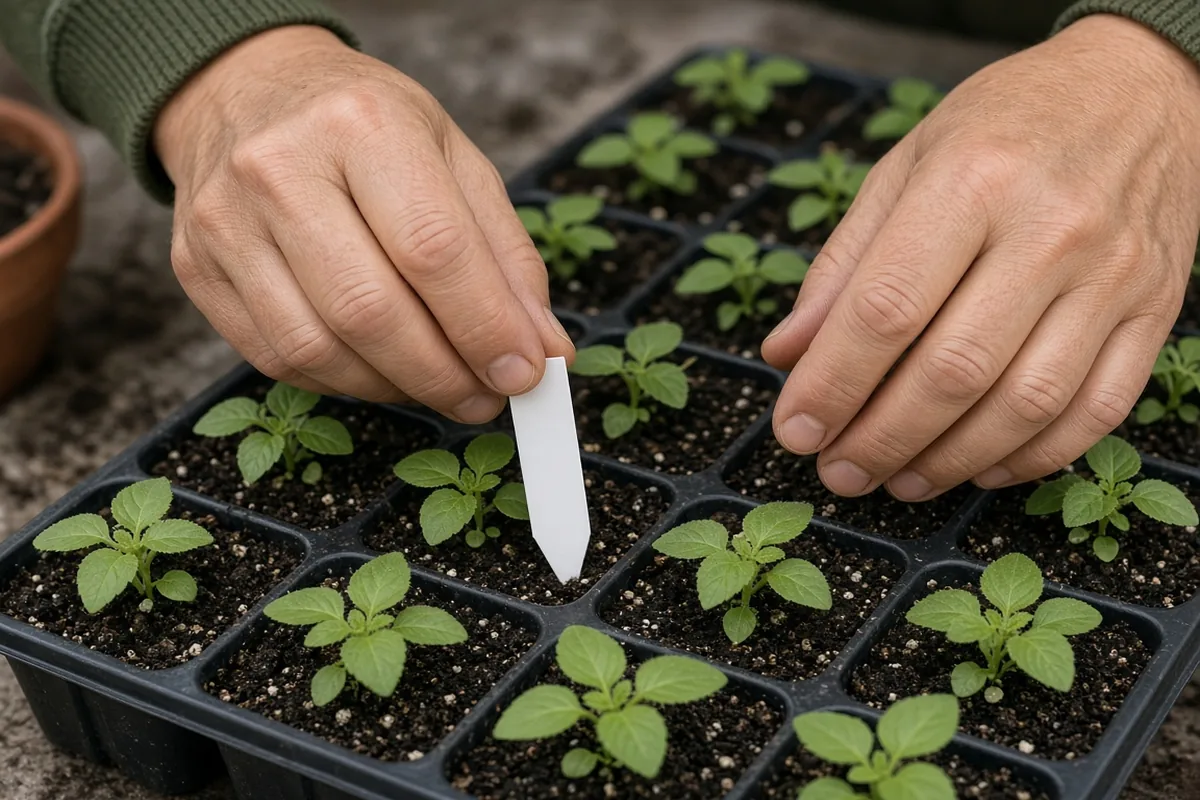
If you want to try simple selection at home, start by growing several plants from the same pack, noting differences and keeping records. Our guide on how to germinate cannabis seeds covers the first step. Breeding your own seeds is a bigger project and is legal only where home cultivation laws allow it, so check your state rules first.
Selection is a skill anyone can learn
A lot of what made these breeders successful was attention. They noticed which plant smelled different, which one stayed healthy in a damp week and which one finished a little earlier. Home growers can build the same habit. Keep a notebook for each plant with the date it sprouted, how it handled stress, when it started to flower and how it smelled at harvest. After a few grows, patterns start to appear, and those patterns are what selection is built on.
Community and teaching
Many women in cannabis have also shaped the culture by teaching. They have written grow guides, run workshops, organized patient groups and mentored newer growers. That kind of work spreads skill faster than any single strain release. When a new grower learns to read trichomes or spot a deficiency early, they are often learning from a chain of teachers who never sought credit.
Telling the fuller story
Cannabis history is still being written, and much of it lives in oral memory. Interviews, local archives and growers sharing their own stories all help fill the gaps. Giving credit where it belongs makes the history more accurate and makes the community stronger.
Enjoy cannabis culture responsibly
Cannabis is only legal for adults in some states, and the rules on possession, public use and home growing change from place to place. Kind Seed Co sells only to adults 21 and older, and nothing here is an invitation to break the law where you live. If you want to know what is allowed in your state, start with our guide to the legal requirements for growing weed plants in your state. Never drive after using cannabis, keep it away from kids and pets, and respect anyone who chooses not to partake. This article is general information about culture and history. It is not legal advice and it is not medical advice.
Frequently asked questions
Who invented the Pollinator?
Mila Jansen is widely credited with inventing the Pollinator dry sift tumbler in the 1990s.
Are there women running seed companies today?
Yes. Women cofound and lead seed companies and licensed breeding programs, though public credit is still uneven.
Why are so few women named in breeding history?
Much breeding happened in secret during prohibition, and credit often went to whoever went public later.
Is solventless hash legal to make at home?
It depends on your state. Some allow home processing without solvents and some do not. Check local law first.
Final thoughts
Women have shaped cannabis breeding from ancient seed saving to modern solventless tools and seed companies. Many names are lost, but the plants carry their work. Recognizing that history makes the story of cannabis more complete and more honest.
Ready to start
Browse the full range in the Kind Seed Co shop or go straight to branded. Kind Seed Co sells only to adults 21 and older. Always follow the cannabis laws where you live.