What changed in the New Hampshire medical marijuana program in 2026
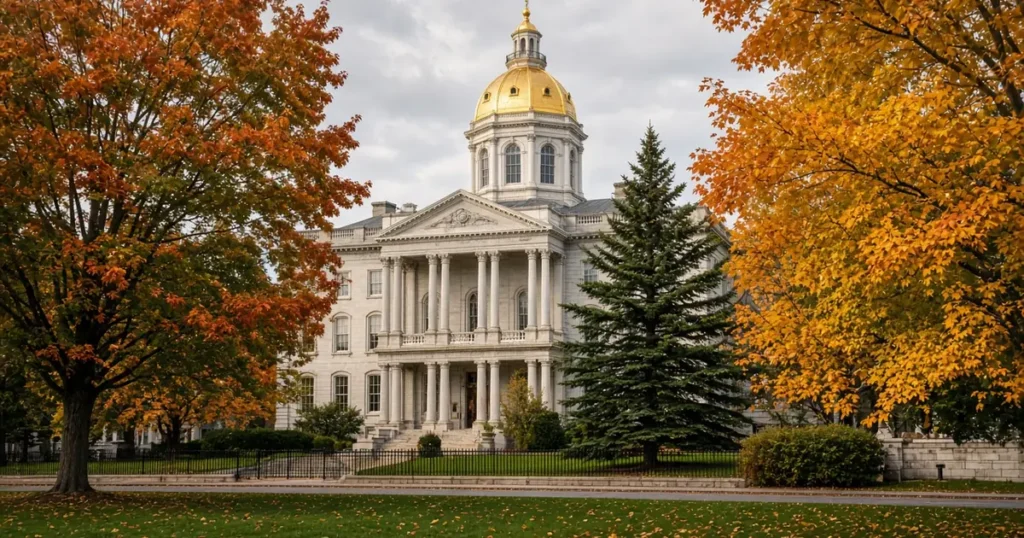
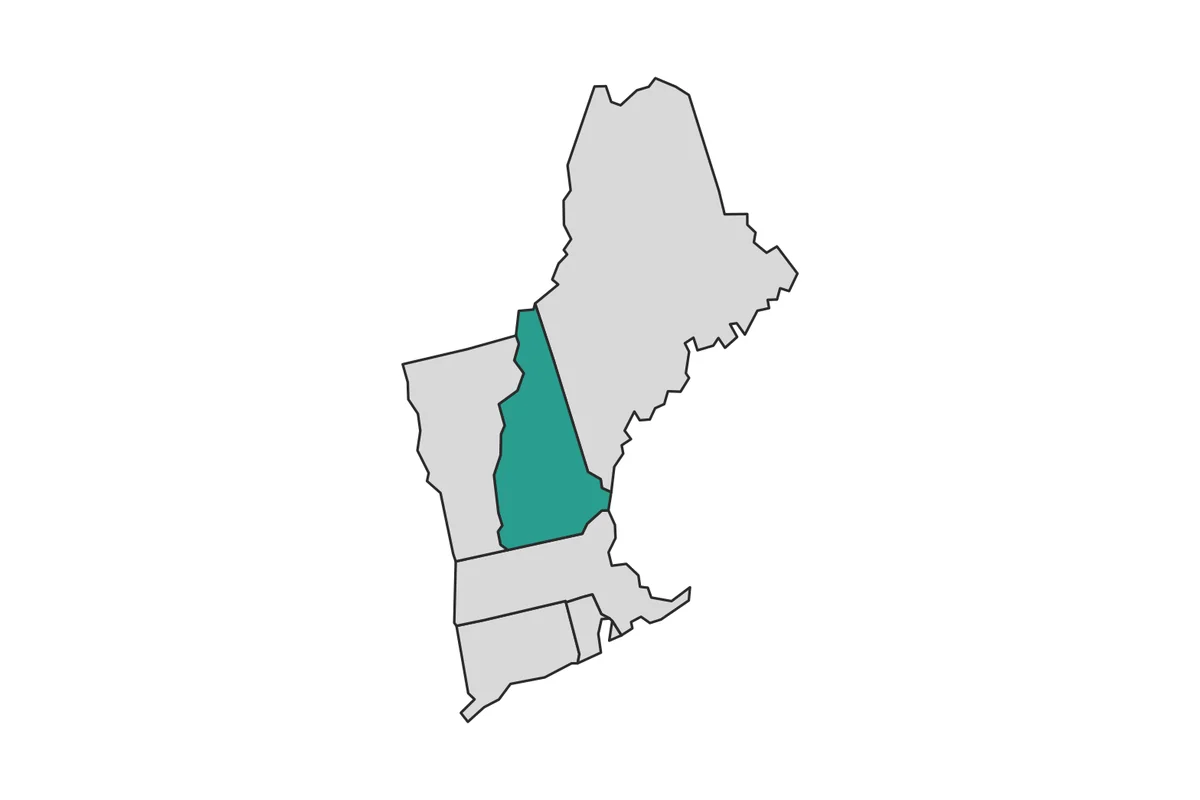
New Hampshire is the only state in New England without legal adult use cannabis, which makes its medical program, the Therapeutic Cannabis Program, unusually important for residents. The program began in 2013 under House Bill 573, codified at RSA 126-X, and it is run by the Department of Health and Human Services. In 2026 the legislature again debated adult use and home grow, and lawmakers overrode the governor’s veto of SB 468, which lets alternative treatment centers seek approval to grow in greenhouses. This post explains the current rules, what lawmakers debated and what patients should watch. It is program and access information only, not legal or medical advice.
How the program works
| Feature | New Hampshire rule |
|---|---|
| Statute | RSA 126-X, from HB 573 (2013) |
| Regulator | Therapeutic Cannabis Program, NH DHHS |
| Dispensaries | Alternative treatment centers, nonprofit at the start |
| Possession | Up to 2 ounces |
| Purchase cap | Up to 2 ounces in a 10 day period |
| Home grow | Not allowed |
| Certifying providers | Physicians, APRNs and physician assistants in NH, Maine, Massachusetts or Vermont with a provider patient relationship |
New Hampshire’s dispensaries are called alternative treatment centers, or ATCs. The statute originally required them to be nonprofit, and a small number operate several locations each across the state.
Recent changes before 2026
Over the past decade lawmakers added conditions, allowed more provider types to certify and eased the provider patient relationship rule. A 2022 change let providers certify when they judge a patient would benefit, giving providers more discretion. Card terms and renewal steps were also updated. Lawmakers have also debated converting ATCs to for profit businesses so they could sell to adults under an adult use model.
The 2026 debate
In 2026 lawmakers again considered adult use bills, including a state run store model favored by some leaders, and home grow bills for patients. Previous sessions passed versions in one chamber that died in the other, or met resistance from the governor. The one change that became law was SB 468. After the governor vetoed it, lawmakers overrode the veto in August 2026, so alternative treatment centers can now ask to grow in greenhouses to cut energy costs and lower prices. Home grow and adult use did not pass. Because the program is set in statute, any change needs both chambers and the governor.
Why neighboring states matter
Massachusetts, Maine and Vermont all have adult use sales, and adult use stores sit near New Hampshire borders. Buying in another state and bringing products into New Hampshire remains illegal under state and federal law, and it is not covered by the therapeutic program. Patients should use ATCs.
What did not change in 2026
Home grow is still illegal. Possession and purchase limits stay at 2 ounces. Public use is banned. Adult use is still illegal. New Hampshire decriminalized small possession in 2017, so adults found with small amounts face a civil fine, but cultivation and sales remain criminal.
Federal and hemp context
The DOJ final rule effective April 28 2026 placed marijuana under a state medical license in Schedule III, with a broader hearing that began June 29 2026. Federal hemp changes arrive with the synthetic exclusion on Nov 12 2026 and THC and container limits plus a seed provision on Dec 11 2026.
Patient checklist
Renew your registry card on time. Use an ATC for purchases. Keep products in original packaging. Do not bring products from neighboring states.
What to watch
Watch the 2027 session for adult use proposals, ATC ownership changes and home grow bills. Our legal requirements for growing weed plants in your state compares other states.
Qualifying conditions under RSA 126-X
The statute lists conditions such as cancer, glaucoma, HIV and AIDS, hepatitis C, ALS, muscular dystrophy, Crohn’s disease, Alzheimer’s disease, multiple sclerosis, chronic pancreatitis, spinal cord injury, traumatic brain injury, epilepsy, lupus, Parkinson’s disease, post traumatic stress disorder, opioid use disorder alongside other treatment, ulcerative colitis and chronic pain, along with conditions that produce severe symptoms. Lawmakers have added to the list nearly every few years. These are eligibility categories in law, and a provider decides whether a patient qualifies.
Getting a card
A provider completes a written certification. The patient submits an application to the Therapeutic Cannabis Program with proof of New Hampshire residency and designates an alternative treatment center. Patients can change their designated ATC through the program. Cards must be renewed on schedule, and the program has lengthened card terms for some patients. Visiting patients from states with similar programs may possess products under reciprocity rules but cannot buy at ATCs unless they register under program rules, so check before traveling.
The ATC model and its limits
Because the statute capped ATC numbers and required nonprofit status at the outset, the network is small. Patients in the North Country and western parts of the state may drive an hour or more. Prices at ATCs have been higher than at adult use stores across the border, which is a frequent complaint and a driver of the adult use debate. Lawmakers have discussed allowing ATCs to convert to for profit status and expand, which could affect locations and prices.
Caregivers
A designated caregiver must be 21 or older and pass a background check. Caregivers can buy and carry products for patients but cannot grow. Each caregiver can serve a limited number of patients.
A note on decriminalization
The 2017 decriminalization law made possession of up to three quarters of an ounce by adults a violation with a fine. That law does not cover cultivation, sales or larger amounts, and it does not replace a registry card.
Products sold at ATCs
ATCs sell dried flower, pre rolls, tinctures, capsules, edibles, topicals and solventless and other concentrates within program rules. Each product must be tested and labeled. Ask your ATC for the lab certificate for any batch.
Program access, age and the law
This guide covers how the New Hampshire program works and who can access it. It does not describe what cannabis does for any condition, and it is not a substitute for a conversation with a licensed practitioner. Rules can change after a legislative session or a new agency rule, so confirm every detail with the NH DHHS Therapeutic Cannabis Program before you act. Federal law still treats cannabis outside a state medical license as a controlled substance, and seeds have their own federal rules, so read our December 11 2026 seed rule explainer before ordering. Kind Seed Co sells only to adults 21 and older, and buying seeds is never a substitute for following the home grow rules in your state. Our guide to the legal requirements for growing weed plants in your state lists what each state allows. This article is general information. It is not legal advice and it is not medical advice.
Frequently asked questions
Did New Hampshire change its medical cannabis program in 2026?
SB 468 became law in August 2026 over the governor’s veto, allowing ATC greenhouse cultivation. Home grow and adult use did not pass.
What is an alternative treatment center?
New Hampshire’s term for a licensed medical cannabis dispensary.
Can New Hampshire patients grow at home?
No. Home cultivation is not allowed.
Can I bring cannabis from Massachusetts or Maine?
No. Bringing products into New Hampshire is illegal and not covered by the program.
Final thoughts
New Hampshire’s program changed only slightly in 2026, with greenhouse growing for ATCs under SB 468, while lawmakers argued over adult use and home grow. Patients still rely on ATCs and 2 ounce limits. Watch the 2027 session for the next attempt at change.
Ready to start
Browse the full range in the Kind Seed Co shop or go straight to marijuana seeds new hampshire. Kind Seed Co sells only to adults 21 and older. Always follow the cannabis laws where you live.