What changed in the West Virginia medical marijuana program in 2026
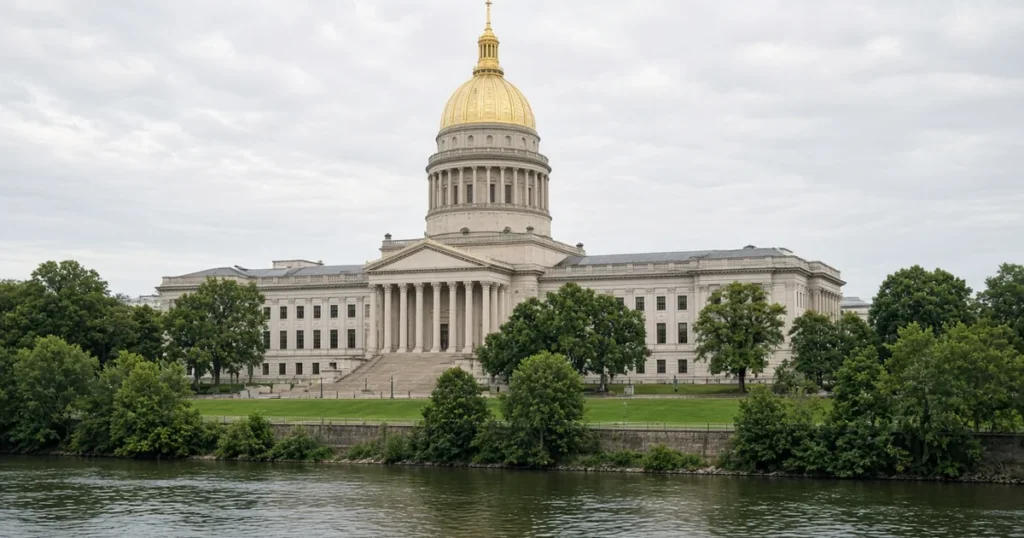
West Virginia’s medical cannabis program was created by Senate Bill 386, the Medical Cannabis Act, in 2017, but patients waited until late 2021 for dispensaries to open. Since then the program has grown steadily. The main 2026 bill was financial. House Bill 5074 would have reallocated money in the Medical Cannabis Program Fund, but the governor vetoed it on April 1 2026, so the existing allocations stay in place. This post explains what that means, how the program works and what stayed the same. It is program and access information only, not legal or medical advice.
The Medical Cannabis Act basics
| Feature | West Virginia rule |
|---|---|
| Statute | SB 386 (2017), West Virginia Code Chapter 16A |
| Regulator | Office of Medical Cannabis, Department of Health |
| Growers, processors, dispensaries | Capped license numbers set in statute |
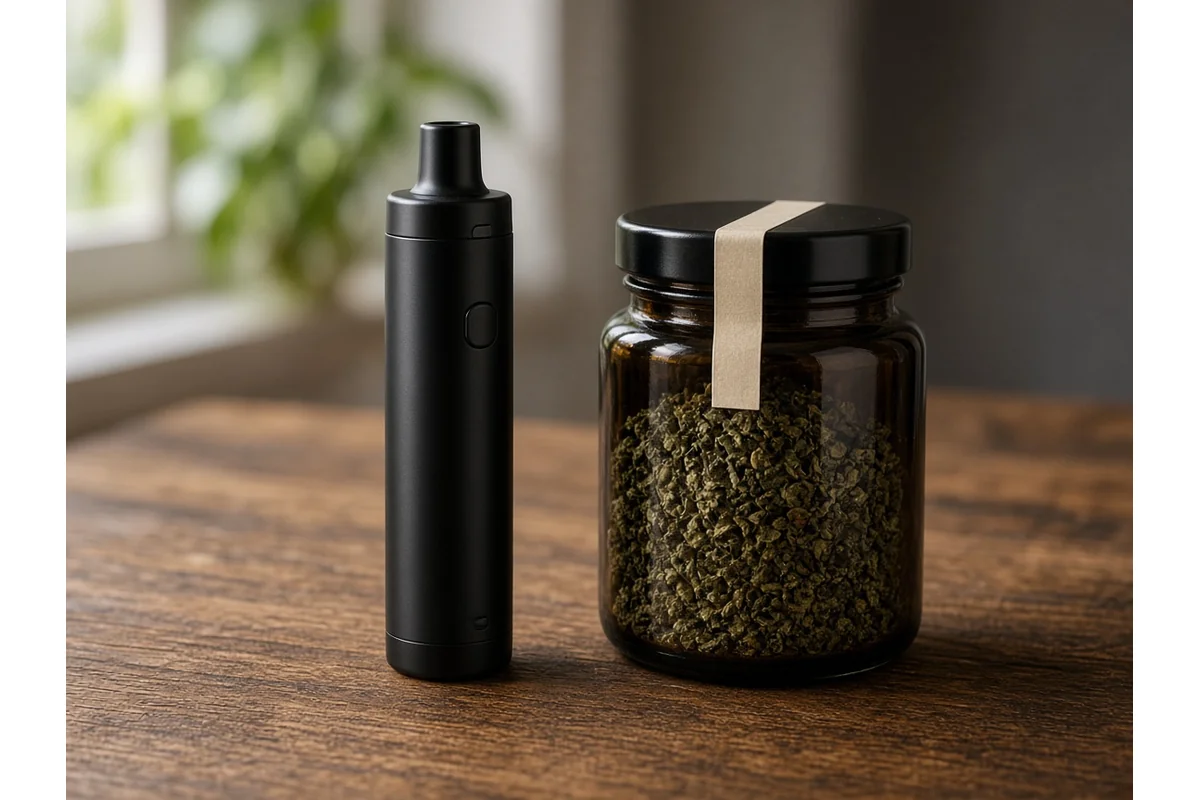
| Forms allowed | Pills, oils, topicals, tinctures, liquids, dry leaf for vaporizing and others |
| Smoking | Not allowed |
| Home grow | Not allowed |
| Purchase supply | 30 day supply, set by rule |
HB 5074 and the fund veto
The Medical Cannabis Program Fund collects license fees, patient card fees and the state tax on sales by growers and processors to dispensaries. Statute directs shares of the fund to purposes such as program operations, research, drug abuse prevention and a fund that supports law enforcement and other programs. HB 5074 would have changed those allocations. Both chambers passed it in March 2026, but the governor vetoed it on April 1 2026, saying it would precommit future revenue. The current allocations remain in place.
How patients get access
A practitioner registered with the Office of Medical Cannabis certifies a serious medical condition. The patient applies online, pays a fee and receives an identification card. Cards are valid for a set period and must be renewed. Caregivers can register to buy for patients. Earlier sessions reduced fees and simplified renewals.
Conditions in the statute
The law lists conditions that include cancer, HIV and AIDS, ALS, Parkinson’s disease, multiple sclerosis, spinal cord damage, epilepsy, neuropathies, Huntington’s disease, Crohn’s disease, post traumatic stress disorder, intractable seizures, sickle cell anemia, severe chronic or intractable pain and terminal illness. These are eligibility categories. A registered practitioner decides whether a patient qualifies.
What did not change in 2026
Smoking is still banned, though dry leaf can be vaporized. Home grow is still illegal. Adult use is still illegal. Possession and purchase limits stay tied to the 30 day supply. License caps remain in statute.
Federal and hemp context
The DOJ final rule effective April 28 2026 placed marijuana under a state medical license in Schedule III, with a broader hearing that began June 29 2026. Federal hemp changes take effect Nov 12 2026 for the synthetic exclusion and Dec 11 2026 for THC and container limits plus a seed provision. West Virginia has also passed its own hemp product rules.
Patient checklist
Renew your card on time through the Office of Medical Cannabis portal. Use dry leaf only with a vaporizer. Keep products in original packaging. Do not use in public or while driving.

What to watch
Watch the 2027 session for proposals on home grow, smoking and license caps, and Office of Medical Cannabis rule updates. Our legal requirements for growing weed plants in your state compares other states.
How long it took to open
After SB 386 passed in 2017, the state needed rules, a banking solution and license awards. A 2019 bill fixed several gaps, including permits for dry leaf. Grower and processor licenses were awarded in 2020, and the first dispensaries opened in November 2021. Since then dispensaries have opened in most regions, though patients in some rural counties still travel long distances. Card registrations rose past tens of thousands within a few years.
Fees and card changes
West Virginia has lowered patient card fees over time and offered fee reductions for some veterans and patients in financial need. Earlier sessions also allowed longer card terms for some patients and added practitioner types. Check the Office of Medical Cannabis site for the current fee schedule before applying.
Practitioner registration
Physicians must register with the Office of Medical Cannabis and complete a training course before certifying patients. The office publishes a list of registered practitioners. Some practitioners offer telehealth visits for renewals where rules allow.
Employment and housing
The Medical Cannabis Act includes some protection from discrimination for cardholders, but employers can still bar use at work and enforce safety rules, and federal workplaces are not covered. Landlords can restrict use on their property. If you have concerns about your job, talk to your employer or an attorney before you register.
Driving and travel
Use while driving is illegal, and products should be stored out of reach while a vehicle moves. Taking products across state lines remains a federal issue, even to states with their own programs.
Product testing
Every product sold must pass testing at a state approved lab for potency and contaminants. Ask for the certificate of analysis if you want to see results for a batch. Labels must show batch numbers so recalls can be traced, and the Office of Medical Cannabis posts recall notices. Keep receipts in case a recall affects your product.
Dispensary counts and regions
The statute caps the number of dispensary permits and spreads them across health regions so that rural parts of the state have access. Each permit holder can operate a limited number of locations. Patients can find the current list of open dispensaries on the Office of Medical Cannabis website, which updates as new sites pass inspection.
Program access, age and the law
This guide covers how the West Virginia program works and who can access it. It does not describe what cannabis does for any condition, and it is not a substitute for a conversation with a licensed practitioner. Rules can change after a legislative session or a new agency rule, so confirm every detail with the West Virginia Office of Medical Cannabis before you act. Federal law still treats cannabis outside a state medical license as a controlled substance, and seeds have their own federal rules, so read our December 11 2026 seed rule explainer before ordering. Kind Seed Co sells only to adults 21 and older, and buying seeds is never a substitute for following the home grow rules in your state. Our guide to the legal requirements for growing weed plants in your state lists what each state allows. This article is general information. It is not legal advice and it is not medical advice.
Frequently asked questions
What is HB 5074 in West Virginia?
A 2026 bill to reallocate the Medical Cannabis Program Fund. It passed the legislature but was vetoed on April 1 2026.
Does HB 5074 change patient access?
No. It was vetoed, and it dealt only with how program revenue is allocated.
Can West Virginia patients smoke cannabis?
No. Smoking is banned, but dry leaf can be vaporized.
Can I grow at home in West Virginia?
No. Home cultivation is not allowed.
Final thoughts
West Virginia’s 2026 change was a fund bill that was vetoed, so the program’s money and access rules stay the same. Patients keep the same forms, limits and rules. Renew on time and follow the Office of Medical Cannabis for updates.
Ready to start
Browse the full range in the Kind Seed Co shop or go straight to marijuana seeds west virginia. Kind Seed Co sells only to adults 21 and older. Always follow the cannabis laws where you live.