What changed in the North Dakota medical marijuana program in 2026
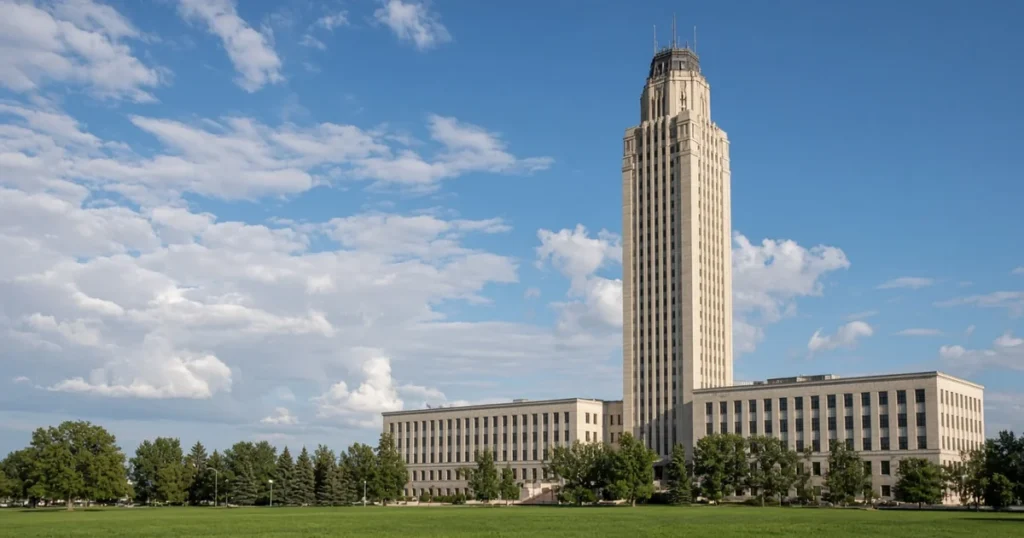
If you looked for a 2026 North Dakota medical marijuana law, you probably came up empty, and that is expected. The North Dakota Legislative Assembly meets in regular session only in odd numbered years, for up to 80 days. Without a special session, there is no regular session in an even year to pass new statutes. So 2026 changes for patients come from rules, agency practice and federal policy rather than new law. This post explains the program, the most recent statutory changes from 2025 and earlier and what to watch for in 2027. It is program and access information only, not legal or medical advice.
Measure 5 and the program’s start
North Dakota voters approved Measure 5, the Compassionate Care Act, in November 2016. In 2017 the legislature rewrote it through Senate Bill 2344, which removed a home grow provision and set tighter rules. Dispensaries opened in 2019. The program is run by the Medical Marijuana Division, which now sits in the North Dakota Department of Health and Human Services after a state agency merger.
Program basics
| Feature | North Dakota rule |
|---|---|
| Regulator | Medical Marijuana Division, Department of Health and Human Services |
| Dispensaries | Limited number of licensed dispensaries across regions |
| Manufacturing facilities | Limited number of licensed facilities |
| Flower purchase cap | Up to 2.5 ounces in a 30 day period, with possession limits |
| Home grow | Not allowed |
| Smoking | Allowed for flower, with limits on where |
| Card term | Set by statute and rule, renew on schedule |
Recent statutory changes before 2026
Earlier sessions made several adjustments. Lawmakers raised flower limits over time, extended card terms for some patients, and added conditions. In 2025 the assembly considered bills on program fees, card terms and testing. Patients should check the division site for the current version of the rules, since each session can change details that matter at the counter.
Why there was no 2026 law
The North Dakota Constitution sets biennial sessions. Lawmakers can be called into special session, and they have been for specific matters, but medical marijuana did not lead to a special session in 2026. That means the 2025 statute remains the base.
Adult use ballot history
North Dakota voters rejected adult use measures in 2018, 2022 and 2024. This post does not cover 2026 ballot results. Medical patients’ rights do not depend on adult use outcomes.
What changed in practice in 2026
The federal rule effective April 28 2026 placed marijuana under a state medical license in Schedule III, with a broader hearing that began June 29 2026. That may affect licensee taxes. Federal hemp changes arrive with the synthetic exclusion on Nov 12 2026 and THC and container limits plus a seed provision on Dec 11 2026. North Dakota has already restricted many intoxicating hemp products under state law.
Rural access
North Dakota’s population is spread out, and some patients live hours from a dispensary. Ask whether your nearest dispensary allows caregiver pickup, and plan purchases around the 30 day window. Designated caregivers must register with the division.
Patient checklist
Note your card expiration and renew on time. Keep products in original packaging. Do not use in public, in vehicles or on federal land, which includes some areas near military bases.
What to watch
Watch the 2027 regular session for bills on card terms, conditions and home grow, and division rule updates. Our legal requirements for growing weed plants in your state compares other states.
Qualifying conditions in North Dakota
The statute lists debilitating medical conditions that include cancer, HIV and AIDS, hepatitis C, ALS, post traumatic stress disorder, Alzheimer’s disease, dementia, brain injury, spinal stenosis, chronic back pain with neuropathy, glaucoma, epilepsy, endometriosis, interstitial cystitis, neuropathy, migraine, rheumatoid arthritis, autism, anorexia, bulimia, opioid use disorder, Tourette’s syndrome and terminal illness, among others added over time. These are eligibility categories in law, and a certifying practitioner decides whether a patient qualifies.
Who can certify
Physicians, physician assistants and advanced practice registered nurses licensed in North Dakota can certify a patient if they have a bona fide relationship with the patient. The practitioner signs a written certification, and the patient applies with the division online. Minors need a parent or guardian as caregiver, and some pediatric products have extra limits.
Fees and renewal
The division charges an application fee for cards, and earlier sessions lowered it. Card terms have been extended for some patients, and renewals still require a new certification. If cost is a concern, ask clinics about certification fees and plan ahead.
Where use is not allowed
Use is banned in public places, in vehicles, at schools and in places where federal law controls, such as federal buildings and certain lands. Tribal lands follow tribal law. Employers may keep drug free workplace policies. Patients with commercial driver licenses face federal rules that bar use.
Products available
North Dakota dispensaries sell dried flower, tinctures, capsules, topical products, patches and certain concentrates, with limits set by rule. Edible products have been limited compared to other states, so ask a dispensary which forms are currently allowed.
Caregivers
A designated caregiver must be 21 or older, pass a background check and register with the division. A caregiver can buy and carry products for a limited number of patients. Caregivers cannot grow, since the program has no cultivation right for anyone outside licensed facilities. Caregiver registration must be renewed along with the patient card.
Program access, age and the law
This guide covers how the North Dakota program works and who can access it. It does not describe what cannabis does for any condition, and it is not a substitute for a conversation with a licensed practitioner. Rules can change after a legislative session or a new agency rule, so confirm every detail with the North Dakota Department of Health and Human Services Medical Marijuana Division before you act. Federal law still treats cannabis outside a state medical license as a controlled substance, and seeds have their own federal rules, so read our December 11 2026 seed rule explainer before ordering. Kind Seed Co sells only to adults 21 and older, and buying seeds is never a substitute for following the home grow rules in your state. Our guide to the legal requirements for growing weed plants in your state lists what each state allows. This article is general information. It is not legal advice and it is not medical advice.
Frequently asked questions
Did North Dakota pass a medical marijuana law in 2026?
No regular session met in 2026, since the legislature meets in odd numbered years. No 2026 program law was found.
Who runs the North Dakota program?
The Medical Marijuana Division of the Department of Health and Human Services.
Can North Dakota patients grow at home?
No. The 2017 rewrite of Measure 5 removed home grow.
How much flower can a North Dakota patient buy?
Up to 2.5 ounces in a 30 day period under current rules, check with the division.
Final thoughts
North Dakota’s 2026 is a quiet year by design, because the legislature does not hold a regular session in even years. The 2025 statute and division rules still govern. Watch the 2027 session for the next round of changes.
Ready to start
Browse the full range in the Kind Seed Co shop or go straight to marijuana seeds north dakota. Kind Seed Co sells only to adults 21 and older. Always follow the cannabis laws where you live.