When to plant cannabis outdoors in Virginia
Virginia is really four growing states stacked side by side. A grower in Virginia Beach can set plants out while a grower in Highland County is still scraping frost off the windshield, and the same strain that finishes easily in Suffolk may stall in the Allegheny Highlands. Timing your planting in Virginia means picking your region first, then matching genetics to that region’s fall. This guide is for adults 21 and older growing within state law.
The law first: four plants, tagged and hidden
Adults 21 and older may grow up to 4 plants per household for personal use. Virginia adds two details many states skip. Each plant must carry a tag with the grower’s name and driver’s license or ID number, and plants must be out of public view and kept away from anyone under 21. Retail sales rules have been in flux, so confirm the current law with official Virginia sources before you plant.
The four plant cap is per household, not per adult, so roommates share it. With so few plants, Virginia growers usually do better with fewer, larger photoperiod plants in the east and compact autoflowers in the west, rather than cramming plants into a small bed.
Where Virginia’s frost lines fall
| Region | Typical last spring frost | Typical first fall frost | Common planting window |
|---|---|---|---|
| Tidewater and Hampton Roads | Late March to early April | Mid November | Late April to mid May |
| Piedmont, Richmond, Northern Virginia | Mid to late April | Late October | Early to mid May |
| Shenandoah Valley | Late April to early May | Mid October | Mid to late May |
| Blue Ridge and Southwest highlands | Mid May | Early October | Late May to early June |
These are rough ranges. Virginia Cooperative Extension publishes frost and planting calendars by county, and your local Extension office is the best source for your own dates.
Tidewater and the Eastern Shore
The Chesapeake Bay and the Atlantic hold heat late into fall, so the coastal plain has the longest season in the state. A photoperiod plant set out in early May has five months of growth ahead of it. The tradeoff is moisture. Sandy coastal soils drain fast, but the air is heavy from July on, and tropical systems often stall over Hampton Roads in September. Growers here pick strains that finish by late September or early October, before the wettest weeks.
The Piedmont and Northern Virginia
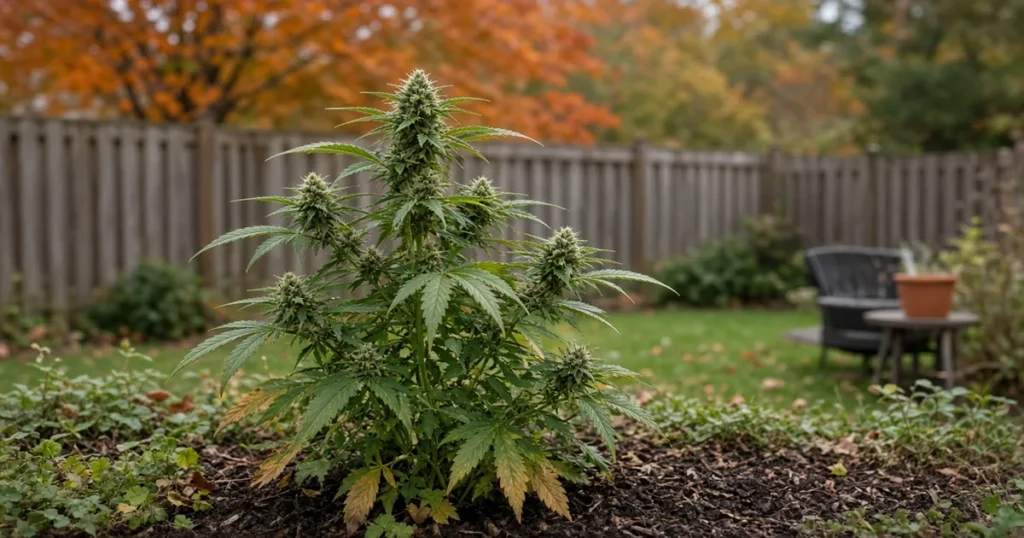
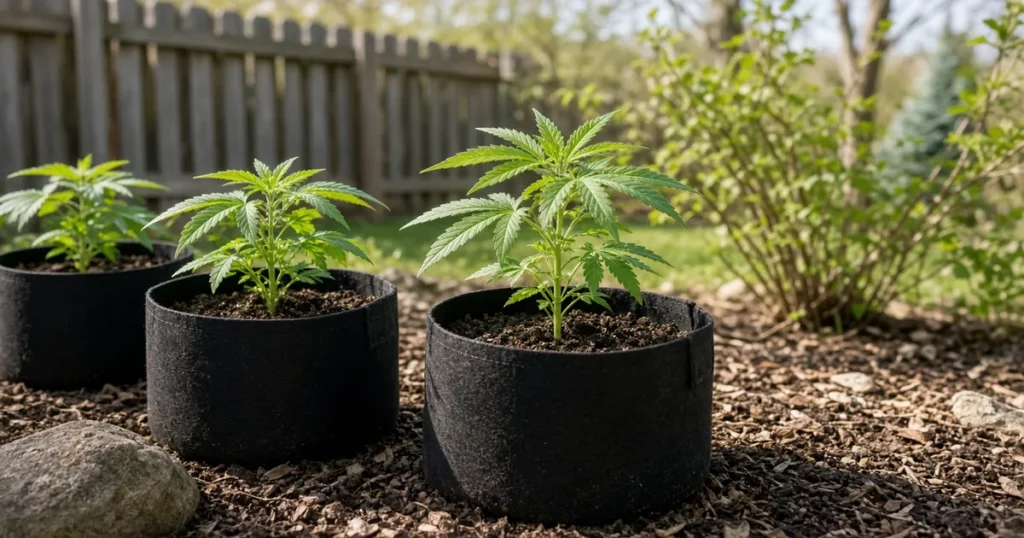
From Fredericksburg to Charlottesville to Lynchburg, red clay is the defining feature. It holds water and compacts easily, so many growers use raised beds or 25 to 45 gallon fabric pots rather than digging into native soil. Planting in early May gives photoperiods time to size up before flowering begins in August. Northern Virginia suburbs often have small, overlooked yards, which makes the out of public view rule the real planning problem.
The Shenandoah Valley
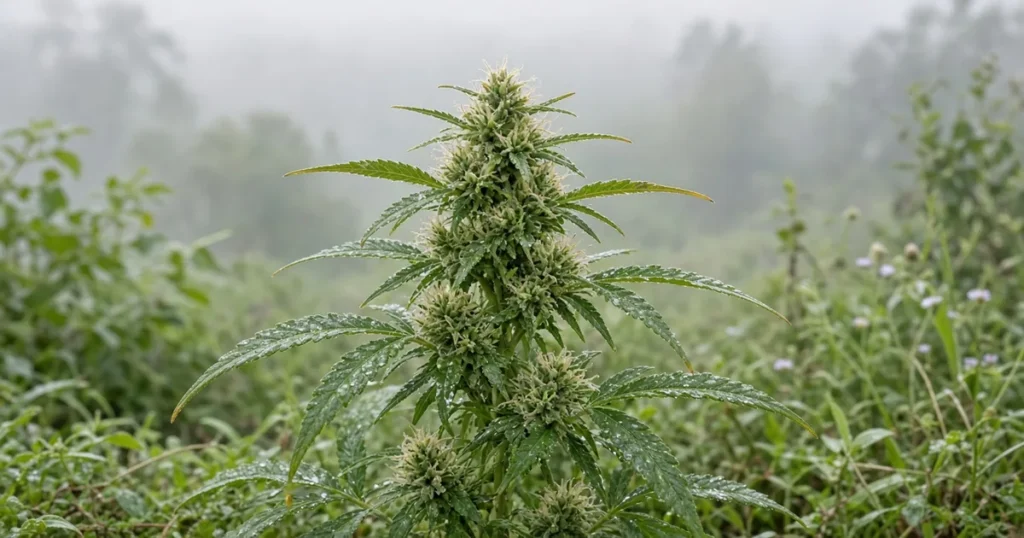
Cold air drains off the Blue Ridge and Alleghenies and pools on the valley floor. That means late spring frosts and heavy fall fog. Valley growers often wait until the third week of May and choose strains with a reputation for mold resistance, because morning fog that sits on buds until 10 a.m. is a common cause of rot in October.
The Blue Ridge and Southwest Virginia
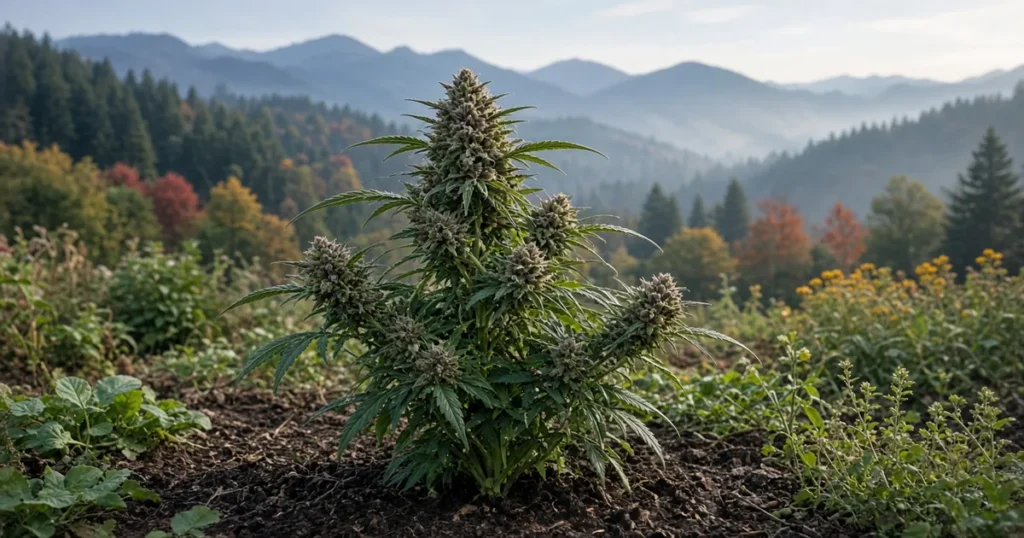
Elevations above 2,000 feet in places like Floyd, Wise and Highland counties give a season closer to New England’s. A frost in the second week of October is normal. Autoflowers planted in early June and harvested by September fit well here, as do fast photoperiods with listed flowering times of eight weeks or less.
Virginia’s pest and disease calendar
Japanese beetles arrive in late June across most of the state and chew leaves through July. Hand picking them into soapy water each morning is the simplest control. Corn earworm and other caterpillars move into flowering buds in August and September, especially near farm fields in the Shenandoah and Southside. Spotted lanternfly has spread through Northern Virginia and the Winchester area and feeds on many plants, so keep an eye on stems. Leaf spot and powdery mildew show up in muggy late summers, and gray mold (botrytis) is the main threat once buds swell.
Spacing plants at least five feet apart, removing interior leaves and keeping the lower third of the plant clear helps air move through the canopy. In the Tidewater, this can matter more than any spray. Our list of mold resistant cannabis strains is a good starting point for humid parts of the state.
Hurricane season and your harvest
Atlantic hurricane season peaks in early to mid September, exactly when Virginia photoperiods are swelling their buds. A single named storm can bring three or four days of rain and gusty wind. Growers in the east watch the forecast closely from Labor Day on, stake plants with sturdy bamboo or cages in August and keep plants in pots they can wheel into a garage. If a long rain is coming and trichomes are mostly cloudy, many growers cut a few days early rather than gamble.
Autoflowers or photoperiods in Virginia
Photoperiod plants start flowering as nights lengthen, usually in late July or August in Virginia. In the Tidewater and Piedmont, that leaves room for large plants, which suits a four plant limit. Autoflowers flower on their own clock, often finishing about ten to twelve weeks from sprouting. East of the Blue Ridge, a grower could run one autoflower crop from April into June and a second from June into September. In the mountains, autoflowers are often the safer default.
Starting and planting out
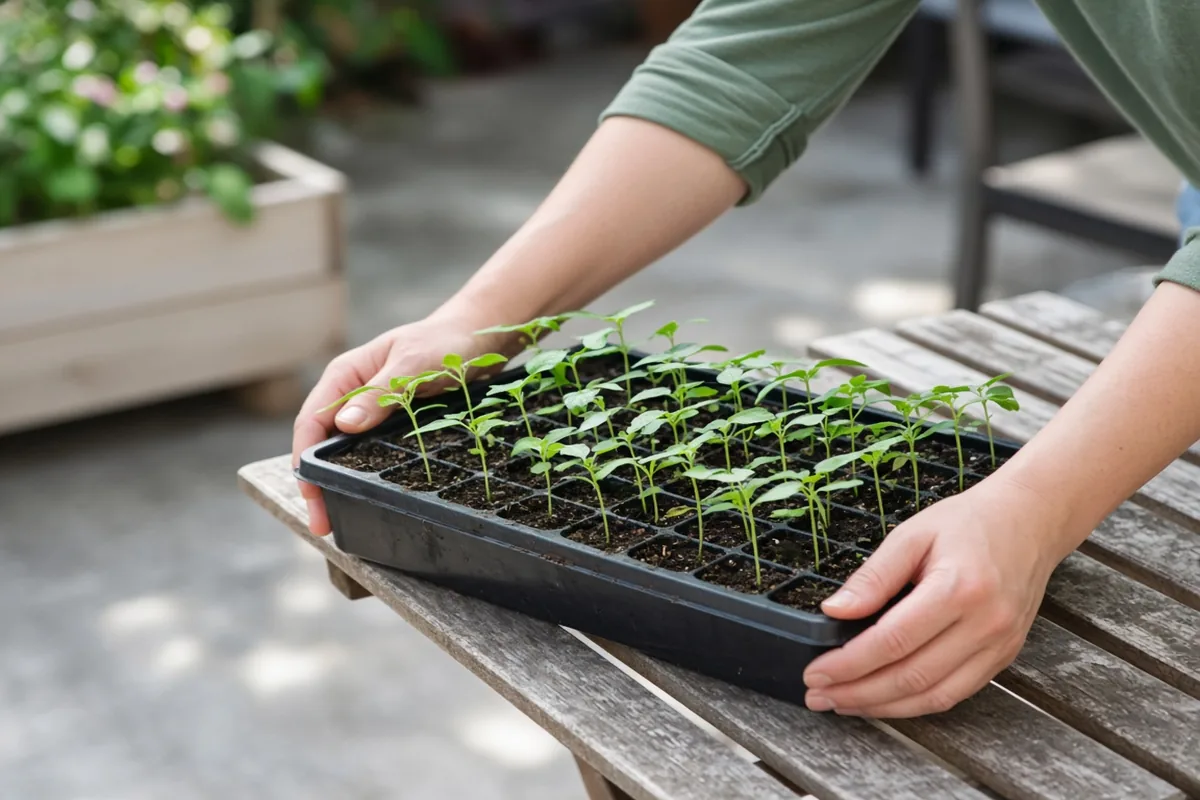
Starting seeds indoors two to four weeks before planting out gives plants a head start. Our guide on how to germinate cannabis seeds covers the steps, and our general guide on when to plant cannabis seeds outdoors explains hardening off and the day length basics.
Privacy and the tag rule in practice
Because Virginia requires plants to be out of public view, a privacy fence, a screened porch, or a spot behind a shed often decides where plants go more than sun does. Tags should stay legible through rain, so many growers use plastic garden tags written in paint pen and attached loosely to the main stem. Low stress training keeps plants below fence height. If you rent, check your lease, since landlords may ban cultivation.
Choosing genetics
Pick strains that finish before your region’s wet weeks or first frost, and plan around the long end of the breeder’s flowering range. Coastal and Piedmont growers have the most choice. Valley and mountain growers should lean toward fast finishers. Browse the Virginia marijuana seeds page and our outdoor seeds collection for options.
Reading harvest time in Virginia
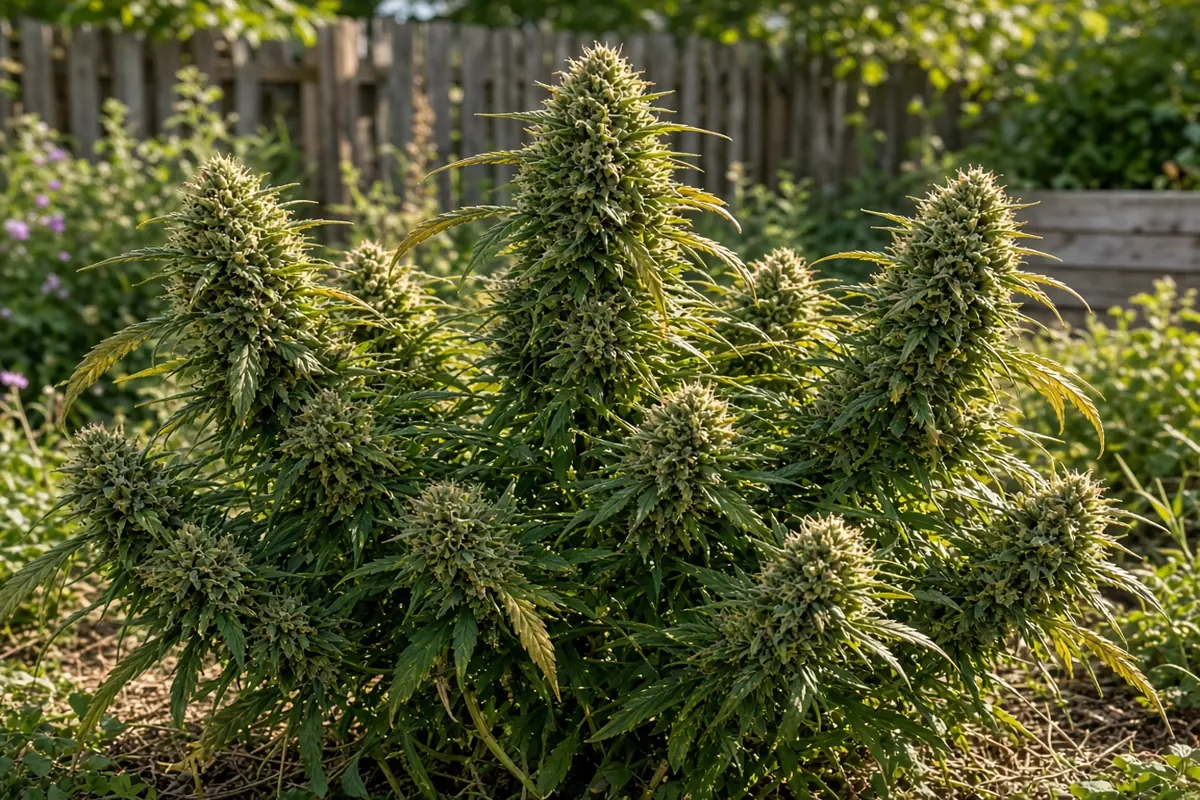
Most Virginia photoperiods finish between late September and mid October. Our guide on when to harvest outdoor cannabis explains how to read pistils and trichomes. In fog prone valleys, check the inside of the largest colas every few days in October.
Final thoughts
The best time to plant cannabis outdoors in Virginia is after your local frost date, which means late April near the coast and late May or early June in the mountains. Choose genetics that finish before September storms in the east or early October frost in the west, keep all four plants tagged and out of sight, and leave space for air to move.
Grow legally in Virginia
Home grows in Virginia must stay within the four plant household limit, carry the required tags and remain out of public view and out of reach of anyone under 21. Kind Seed Co sells only to adults 21 and older. See our guide to legal requirements for growing weed plants in your state, and read our December 11 2026 seed rule explainer on federal seed changes. This is gardening information, not legal or medical advice.
Frequently asked questions
When is the latest I can plant photoperiods in Virginia?
In the Tidewater and Piedmont, many growers still plant in mid June, though plants will be smaller. In the mountains, late plantings risk frost before harvest, so autoflowers are a better late choice.
What should go on a Virginia plant tag?
The grower’s name and driver’s license or ID number. Use a weatherproof tag so it stays readable all season.
Is the four plant limit per person?
No. It is per household, so all adults in a home share it.
What is the biggest risk for Virginia outdoor growers?
Late season humidity and tropical rain in the east, and early October frost in the mountains.
Ready to start
Find options on our marijuana seeds virginia page or browse the Kind Seed Co shop. Grow within Virginia law and keep plants secure.