When to Switch Your Cannabis From Vegetative to Flowering
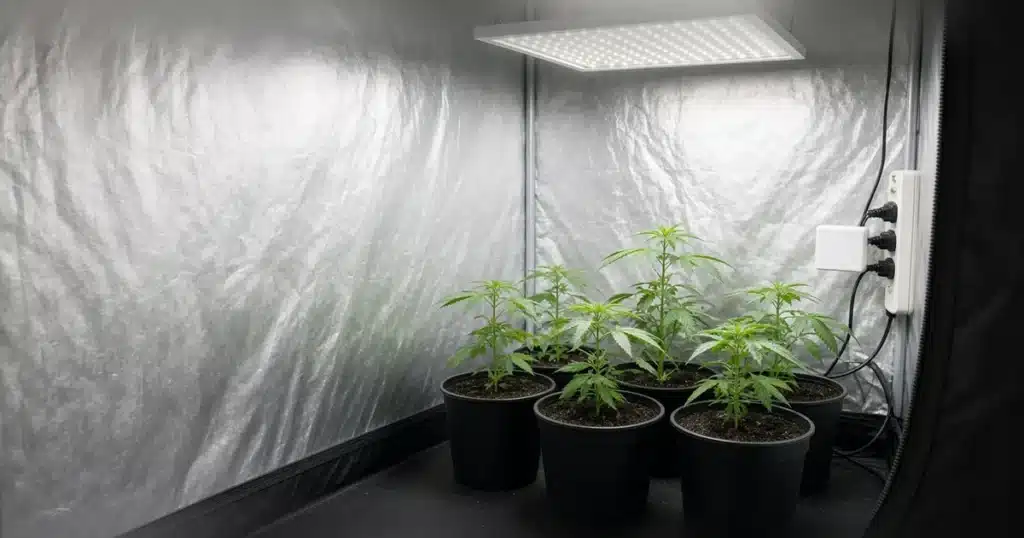
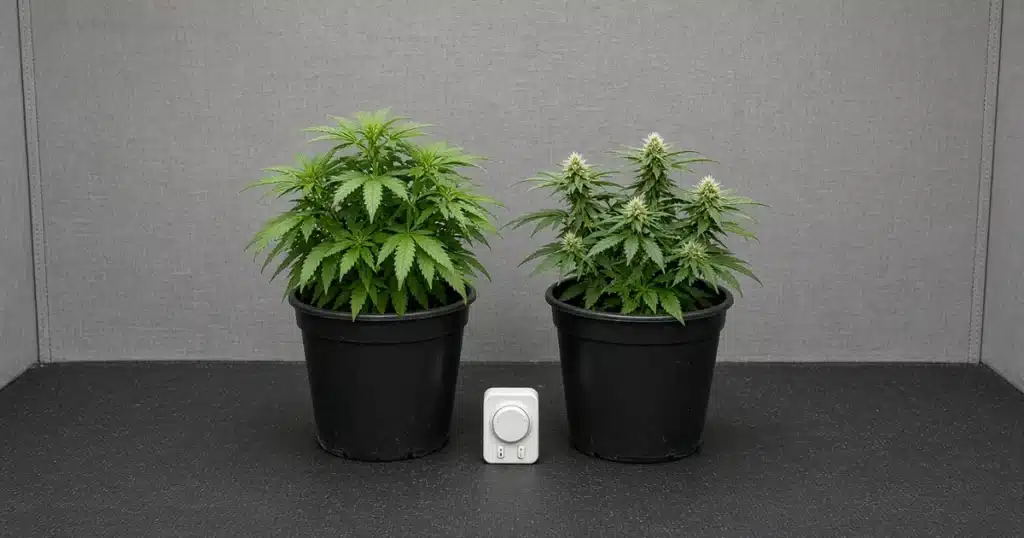
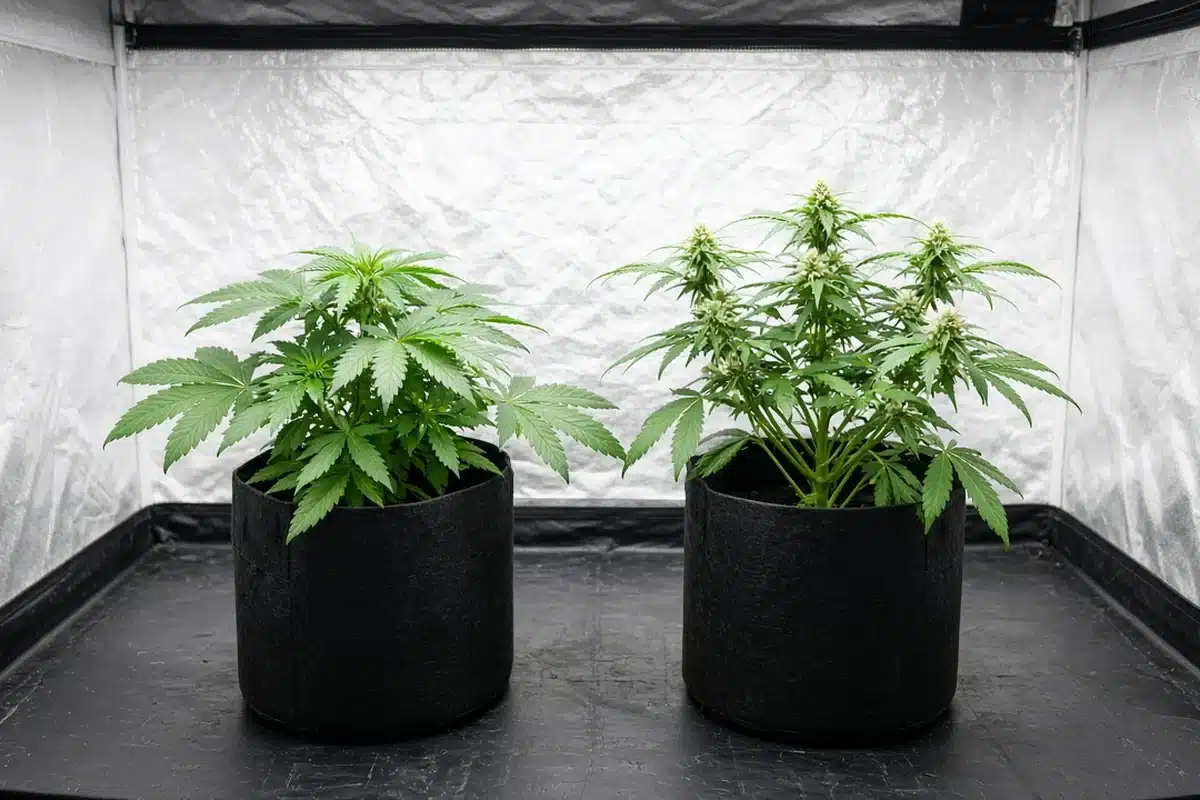
Switch your cannabis plants from vegetative growth to flowering when they reach about half the final height you have room for, since most plants roughly double in size once they start to flower. Indoors, you make the switch by moving your lights to 12 hours on and 12 hours off. Outdoors, the shorter days of late summer do it for you.
The vegetative and flowering stages
Cannabis grows through several stages, and these two matter most for your harvest.
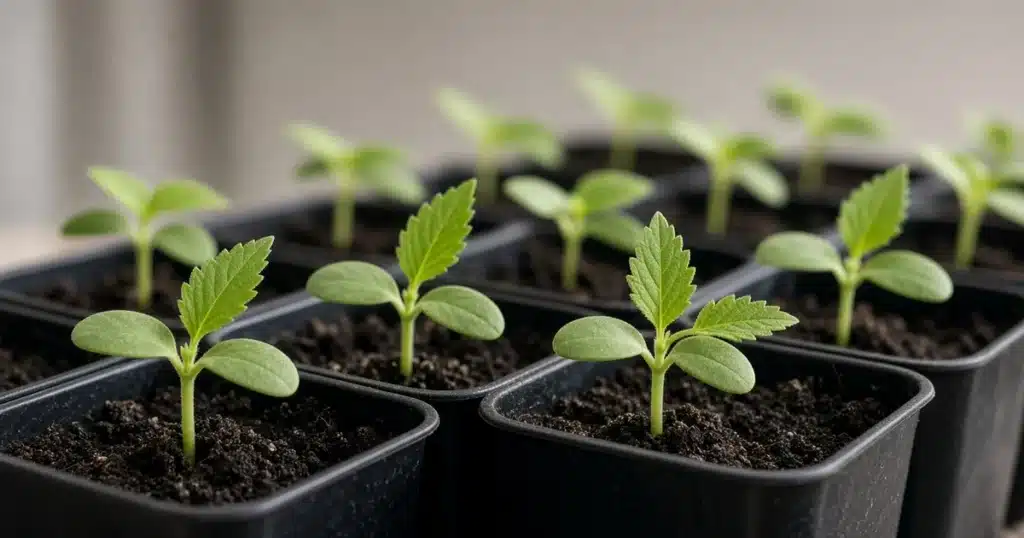
- Vegetative stage. The plant builds strong stems, leaves and roots. It is all about laying a solid foundation, and plants need more nitrogen at this point to support leafy growth.
- Flowering stage. The plant starts to produce buds, the part that holds the cannabinoids and terpenes. Plants now need more phosphorus and potassium to support bud development.
For a closer look at both phases, read our guide to the vegetative and flowering stages.
When to make the switch
Plant size and grow space
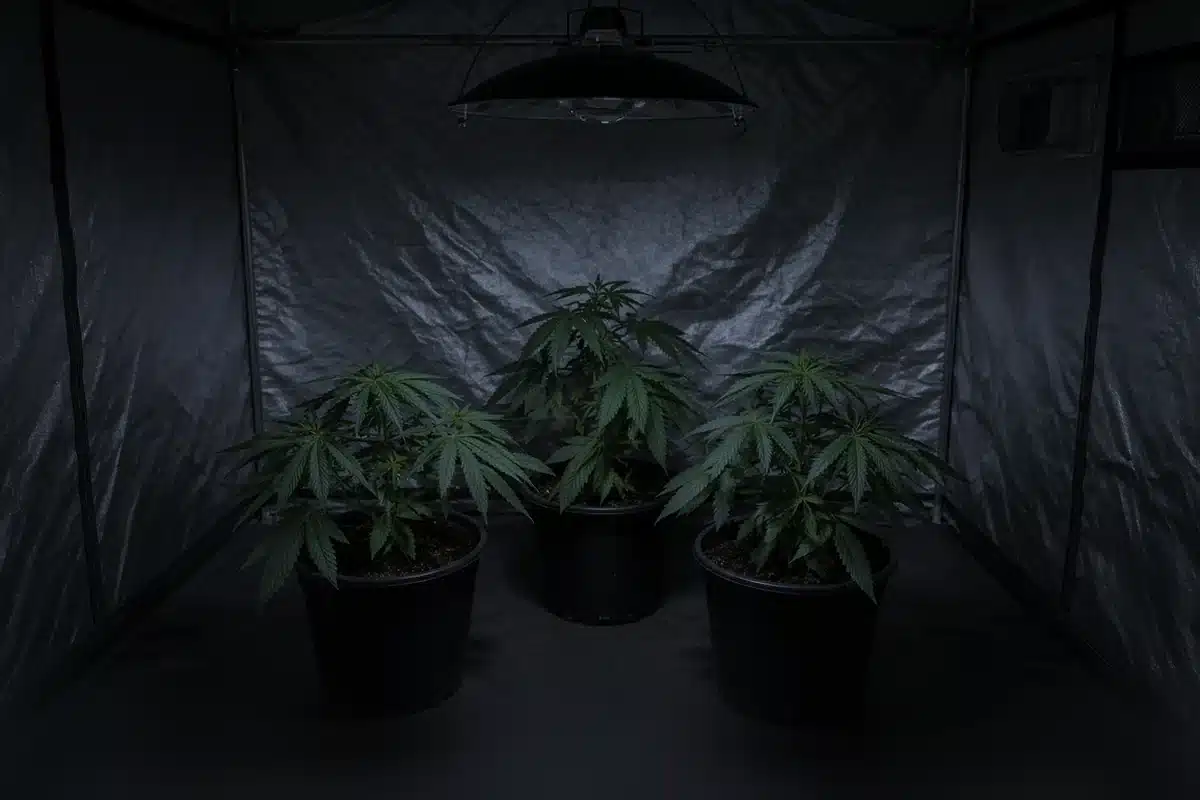
Indoors, your grow space sets the limit. Because plants typically double in height during flowering, switch when they are about half the final height you want. That leaves enough room above the canopy for light and air to move freely.
Outdoors, the switch follows the natural light cycle. It usually happens around late summer, when daylight hours start to drop. Keep an eye on the daylight pattern where you live to know when it is coming.
Strain type
Different strains grow in different ways. Sativas grow taller and may need to switch earlier. Indicas stay shorter and can take more time in veg. Hybrids can lean either way, so get to know the strain you are growing.
Plant health
Make sure your plants are healthy before you flip. Sort out pests or nutrient deficiencies during veg, because problems are harder to fix once buds start to form. A healthy plant moves into flowering more smoothly and gives better yields.
How to switch from veg to flower
Change the light schedule
Indoors, set your timer to 12 hours of light and 12 hours of darkness. This mimics the shorter days of late summer and triggers flowering. Keep the schedule consistent, because interruptions can push plants toward hermaphroditism.
Outdoors, the change happens on its own as the seasons turn. As the days shorten, your plants move into flowering naturally.
Keep conditions steady
- Temperature. Hold a stable 65 to 80°F (18 to 26°C). Swings outside that range can hold back bud development.
- Humidity. Lower humidity to around 40 to 50%. Flowering plants are more prone to mold and mildew, so drier air matters now.
Change your nutrients
Move to flowering nutrients that are higher in phosphorus and potassium. Cutting back on nitrogen lets the plant put its energy into buds rather than leaves.
Tips for a smooth transition
- Watch your plants closely. Look for signs of deficiencies or pests and deal with them quickly.
- Train and prune. Topping, low stress training and the Screen of Green method help you manage height and spread light across the whole plant.
- Give buds time. Buds develop over several weeks. Let them mature fully for the best quality and flavor. Our flowering week by week guide shows what to expect early on.
- Keep the air moving. Good ventilation helps prevent mold and pests, which are a bigger risk once buds get dense.
Common mistakes to avoid
Switching too early
Do not rush into flowering before your plants are ready. They need a strong root system and good health to support bud growth. Switching too soon can mean smaller yields and less potent buds.
Light leaks
Your plants need complete darkness during the 12 hours of darkness. Even small amounts of light can confuse them, disrupt flowering and even push them back into vegetative growth.
Feeding too much or too little
Follow a balanced feeding schedule suited to flowering. Overfeeding can lead to nutrient burn, while underfeeding can lead to deficiencies.
Ignoring pests and disease
Inspect your plants regularly and act quickly so problems do not spread. Organic pesticides and beneficial insects can help you manage pests without harming your plants.
More things to plan for
- Strain choice. Some strains are more forgiving and easier to grow, which makes them a good fit for beginners.
- Watering. Overwatering can lead to root rot, and underwatering leaves plants thirsty. Lift the pot to check: it feels lighter when it is time to water. Our overwatering guide covers the warning signs.
- Harvest timing. Harvesting too early can lower potency, and harvesting too late can degrade the buds. Check the color of the trichomes and pistils. Our guide to the final weeks of flowering walks you through it.
- Curing. After harvest, store buds in airtight glass jars in a cool, dark place and burp them daily to release extra moisture.
- Records. Note the date you switched, your feeding schedule and any problems. Those notes pay off on your next grow.
Get the timing right, keep conditions steady and avoid the common mistakes, and you set yourself up for a strong harvest. Ready for your next grow? Browse our feminized cannabis seeds.
FAQ
How tall should cannabis plants be before switching to flowering?
Indoors, switch when plants are about half the final height you have room for. Most plants roughly double in height during flowering.
What light schedule triggers flowering indoors?
12 hours of light followed by 12 hours of complete darkness, held without a break.
Do sativas and indicas switch at different times?
Yes. Sativas grow taller and may need to switch earlier, while indicas stay shorter and can take more time in veg. Hybrids can lean either way.
What temperature and humidity do flowering plants need?
Keep temperatures steady between 65 and 80°F (18 to 26°C) and lower humidity to around 40 to 50% to help prevent mold and mildew.