
Accessible Garden Design: Raised Bed Height and Paths for Seated Gardeners
The short answer
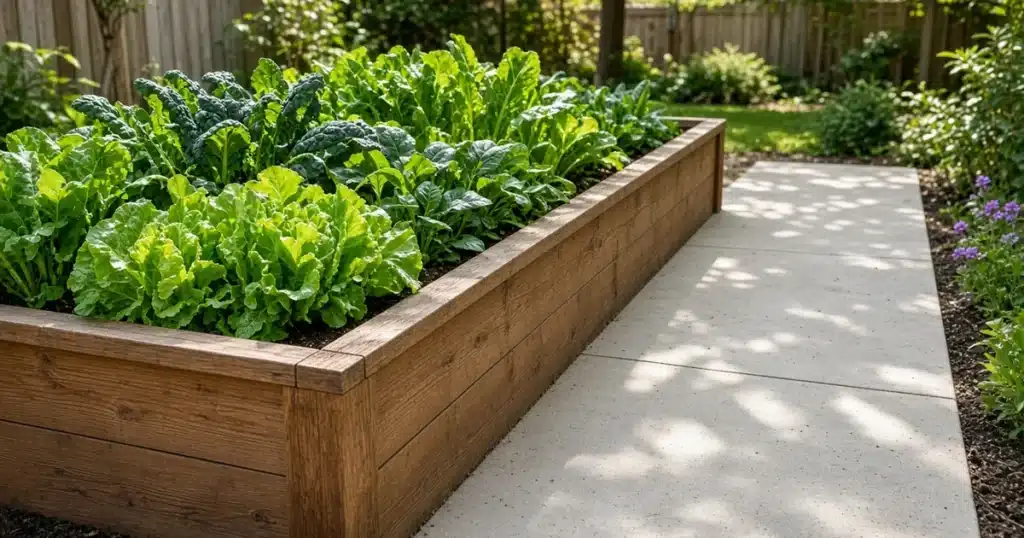
An accessible garden puts every plant within easy reach for people who garden from a wheelchair, a stool or a walker. Raised beds about two to three feet tall and narrow enough to reach the middle, table beds with knee space and wide, firm, level paths make the biggest difference. Good layout means less bending and more time growing.
Gardening should not end because kneeling gets hard. Small design choices open it up to more people.
Why does bed height matter?
Ground level beds force deep bending and kneeling. Raised soil brings plants up to the gardener. The Oregon State University Extension publication Gardens Are for Everyone covers how bed height, width and paths can be matched to each gardener’s needs.
For seated gardeners, about two feet tall is a common starting point. People who stand but can’t bend may prefer beds closer to three feet. The right height is the one that lets the gardener work with arms comfortably bent.
| Gardener | Bed height | Bed width | Path width |
|---|---|---|---|
| Wheelchair user, side reach | About 2 feet | Up to about 4 feet if reached from both sides | At least 3 to 4 feet |
| Wheelchair user, front reach | Table bed with knee space | About 2 feet deep | Room to turn, about 5 feet |
| Seated on a stool | 18 inches to 2 feet | Reach to center | 3 feet or more |
| Standing, limited bending | 2.5 to 3 feet | Reach to center | 3 feet or more |
Sources: Oregon State University Extension, NC State Extension Gardener, University of Georgia Extension.
How wide should beds be?
Width matters as much as height. The University of Georgia Extension publication on raised garden bed dimensions suggests beds about three feet wide for children and four feet wide for adults so gardeners can reach the middle from the sides.
Seated gardeners have a shorter reach. For wheelchair access, the same publication suggests beds about two feet wide for children and three feet wide for adults. Reach is personal, so sit where the gardener will sit and measure how far they can stretch.
Our post on raised beds for cannabis covers building and filling raised beds.
What are table beds?
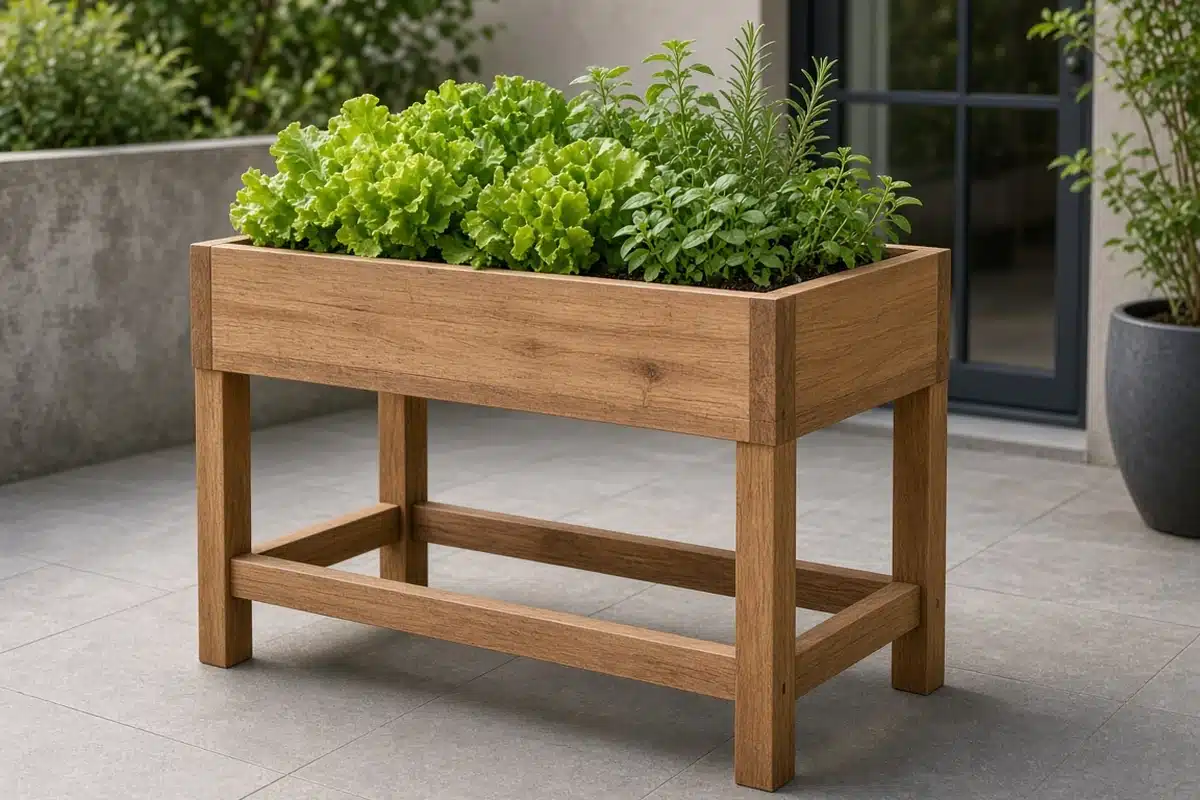
A table bed, sometimes called a garden table, holds soil in a shallow box on legs. Knee space underneath lets a wheelchair user roll right up and work from the front, like at a desk.
The NC State Extension Gardener article on accessible gardening with raised beds, containers and garden tables explains that table beds suit shallow rooted crops such as lettuce, herbs and radishes. Because they hold less soil, they dry out faster and need more frequent watering.
Containers on raised stands or rolling bases work alike. Hanging baskets on pulleys bring plants down for care.
How should paths be built?
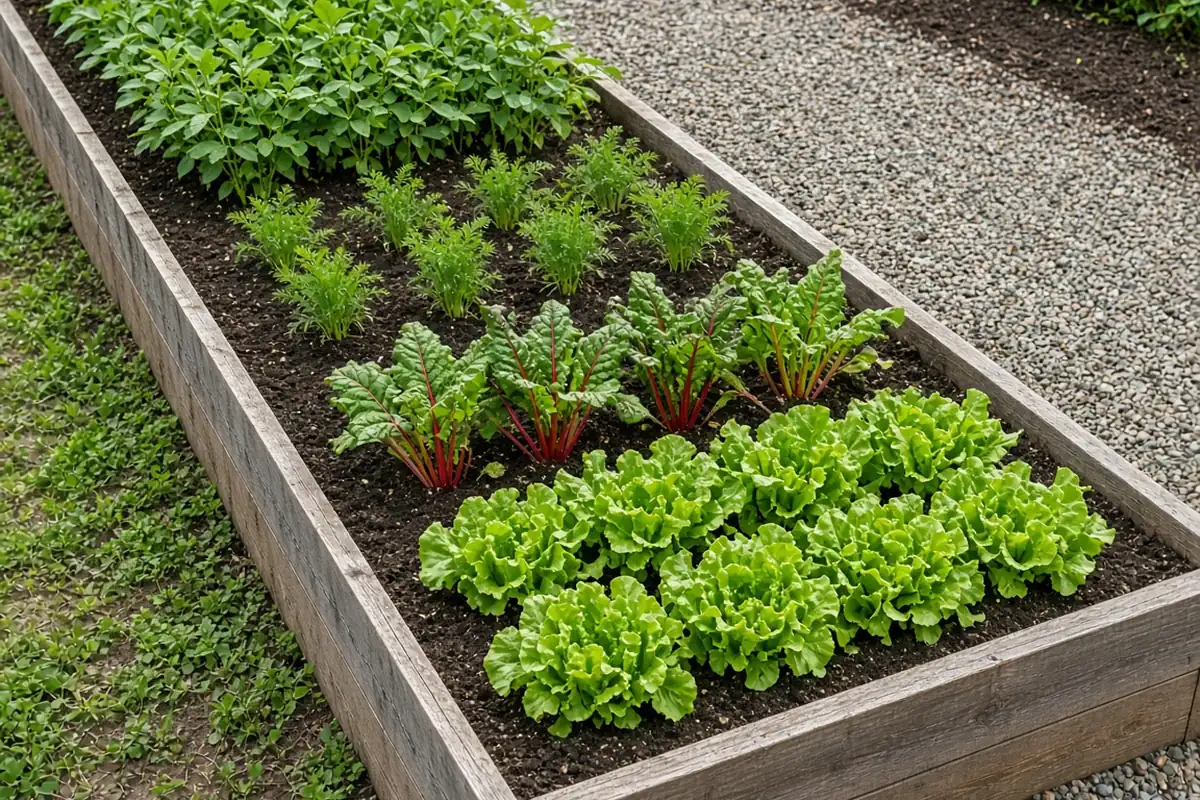
Paths need to be wide, firm and level. Loose gravel, wood chips and deep mulch are hard to roll across. Packed fine gravel, pavers, concrete or rubber mats work better.
Leave enough room for a wheelchair to turn at the ends of rows. Avoid steps and steep grades. Store hoses coiled off the path.
Our post on planning an outdoor cannabis garden layout covers garden layout ideas that pair well with wide paths.
What else helps?
Place water close to the beds. A hose on a reel or drip lines on a timer can reduce carrying. Raised beds near the house are easier to visit often.
Long handled, lightweight tools reduce strain. Tool grips can be built up with foam. A shaded seat near the garden gives a place to rest.
Think about sun too. Our post on garden microclimates for cannabis explains how sun and shade shift across a yard, which helps when you place beds.
How to: step by step
- Ask the gardener how they will work, seated or standing.
- Set bed height so arms work comfortably bent.
- Make beds narrow enough to reach the center.
- Add a table bed with knee space for front access.
- Build firm, level paths at least three to four feet wide.
- Bring water and tools close to the beds.
Troubleshooting
Can’t reach the center. The bed is too wide. Narrow it or add access from both sides.
Wheels sink in the path. The surface is too loose. Switch to pavers or packed fines.
Table bed dries out fast. Shallow soil. Add drip lines or water more often.
Back strain while working. Bed height is off. Raise or lower it.
Hard to turn around. Paths are too narrow at row ends. Widen turning areas.
The right height and paths make a garden open to everyone. Kind Seed Co shares more garden ideas in outdoor growing.
Sources
- Gardens are for everyone (EM 9403), Oregon State University Extension, Gardens are for everyone (EM 9403)
- Accessible gardening: raised beds, containers and garden tables, NC State Extension Gardener, Accessible gardening
- Raised garden bed dimensions (C1027-4), University of Georgia Extension, Raised garden bed dimensions (C1027-4)
FAQ
What height suits a wheelchair user?
About two feet, or a table bed with knee space.
How wide should paths be?
At least three to four feet, with room to turn.
What crops suit table beds?
Shallow rooted crops such as lettuce, herbs and radishes.
Do table beds need more water?
Yes. Shallow soil dries out faster.
Which path surfaces work well?
Pavers, concrete or packed fine gravel.


