
Garden Microclimates for Cannabis: Find the Best Spot
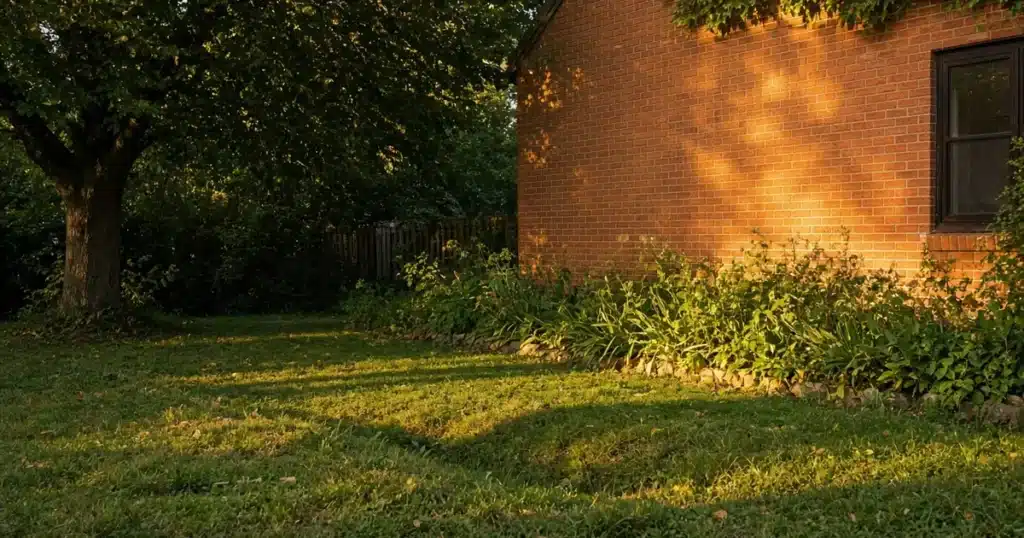
Two cannabis plants of the same strain, planted on the same day in the same yard, can finish weeks apart. One sits against a sunny wall and thrives, while the other sits in a low corner that holds cold air and stays damp. The difference is microclimate. WSU Extension explains that a yard can have several microclimates, and that a plant can struggle in the wrong one even when it suits the general climate zone. The goal for Kind Seed Co growers is to find the warm, cold, wet and windy spots in their own yard and use them when siting outdoor plants.
What is a microclimate?
WSU Extension defines a microclimate as a local set of atmospheric conditions that differ from the surrounding area, sometimes slightly and sometimes a lot. It can be as small as a few square feet in a bed or as large as a city lot. The broader climate of an area is based on weather averaged over about 30 years, but the conditions around a single plant can be quite different from that average.
UC Marin Master Gardeners make the same point from the other direction. Across a single town, and even within one yard, there can be many microclimates. That is why a neighbor may harvest earlier than you, or grow plants you cannot.
For cannabis, this matters most at the edges of the season. Spring frost, late-season cold, damp air around dense buds and strong wind all hit hardest in the wrong spot, so a few feet of difference can change the result of a whole season.
What creates warm and cold spots in a yard?
Both sources list the same main influences.
- Slope and aspect. WSU Extension explains that in the northern hemisphere, south-facing slopes receive more direct sun and stay warmer for longer. That applies to small slopes in a yard as well as hillsides.
- Low spots. Cold air sinks. WSU Extension describes the lowest spot in a yard as a possible cold sink, where humidity lingers and condensation can freeze. UC Marin Master Gardeners note that cold pockets often form at the bottom of slopes.
- Hard surfaces. Brick, concrete, asphalt, gravel, rock and decks absorb heat during the day and release it later. UC Marin Master Gardeners and WSU Extension both describe these surfaces creating warmer pockets.
- Buildings and trees. Structures cast shade and block or channel wind. WSU Extension notes that tall buildings can funnel strong wind down to ground level.
- Soil and water. Wet or compacted soil, poor drainage and a high water table shape a spot’s temperature and humidity. UC Marin Master Gardeners add that plant cover helps hold heat and moisture in the soil.
- Elevation. WSU Extension notes that spring arrives about one day later for every 100 feet of elevation, a difference you can sometimes see even at the top of a slight grade.
- Nearby water. Large bodies of water moderate temperatures, keeping nearby areas milder than inland spots.
How does exposure change a spot?
UC Marin Master Gardeners give a simple guide to the direction a planting area faces.
- East-facing. Morning sun, less wind, and typically moister conditions.
- West-facing. Afternoon sun, and hotter, windier and drier conditions.
- North-facing. Shady much of the day, cooler and moister.
- South-facing. Warm and sunny even in winter, with a longer growing season, warmer and drier.
Cannabis outdoors usually does best with as much direct sun as possible, so south and west exposures often look like the obvious choice. Heat and wind matter too, though. A west wall that bakes in the afternoon may stress plants in a hot summer, while the same wall can be a gift in a cool, short-season area. Understanding sunlight with your cannabis plants explains how much light a plant needs and how it uses it.
How do you map the microclimates in your yard?
A simple map built over a season will tell you more than any general rule. The steps below combine the methods suggested by WSU Extension and UC Marin Master Gardeners.
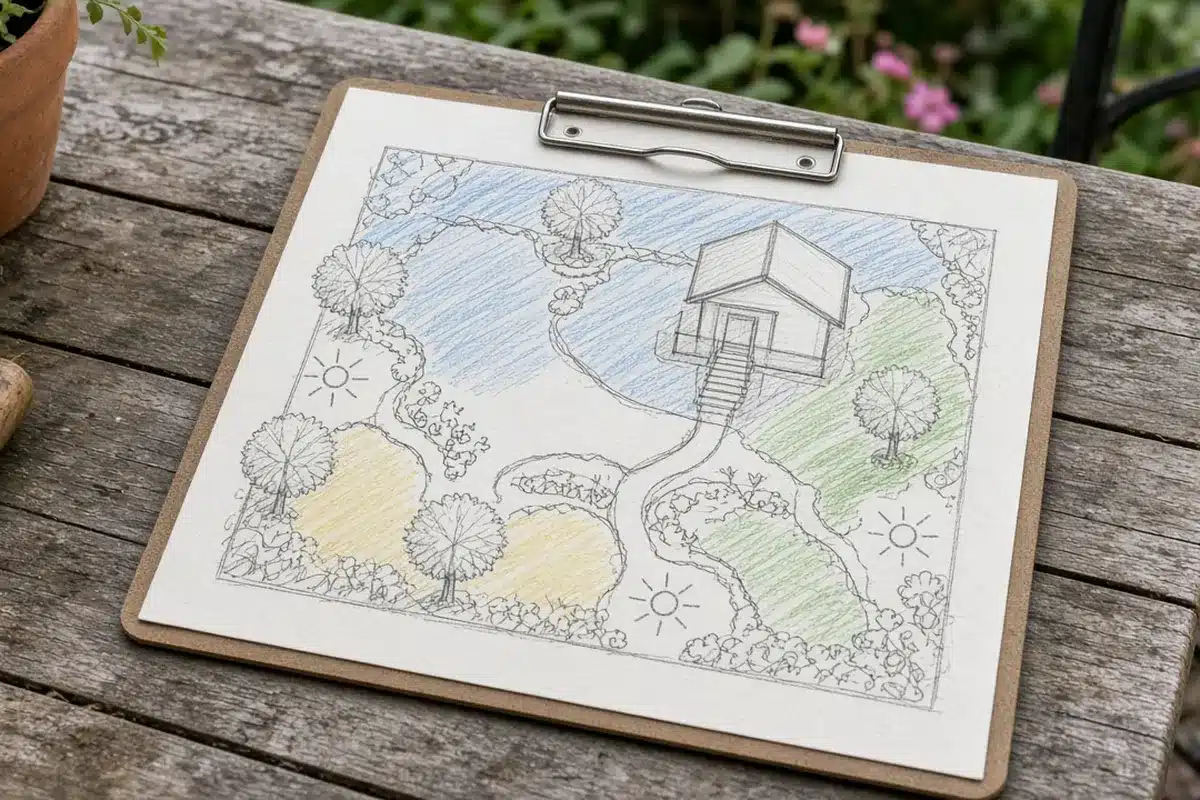
- Sketch the yard. Draw the outline, buildings, fences, trees, paved areas and any slope.
- Map sun and shade. WSU Extension suggests mapping the yard three times in one day, at 9 a.m., noon and 3 p.m., and repeating at the beginning, middle and end of the growing season. Shade shifts a lot as the sun’s path changes.
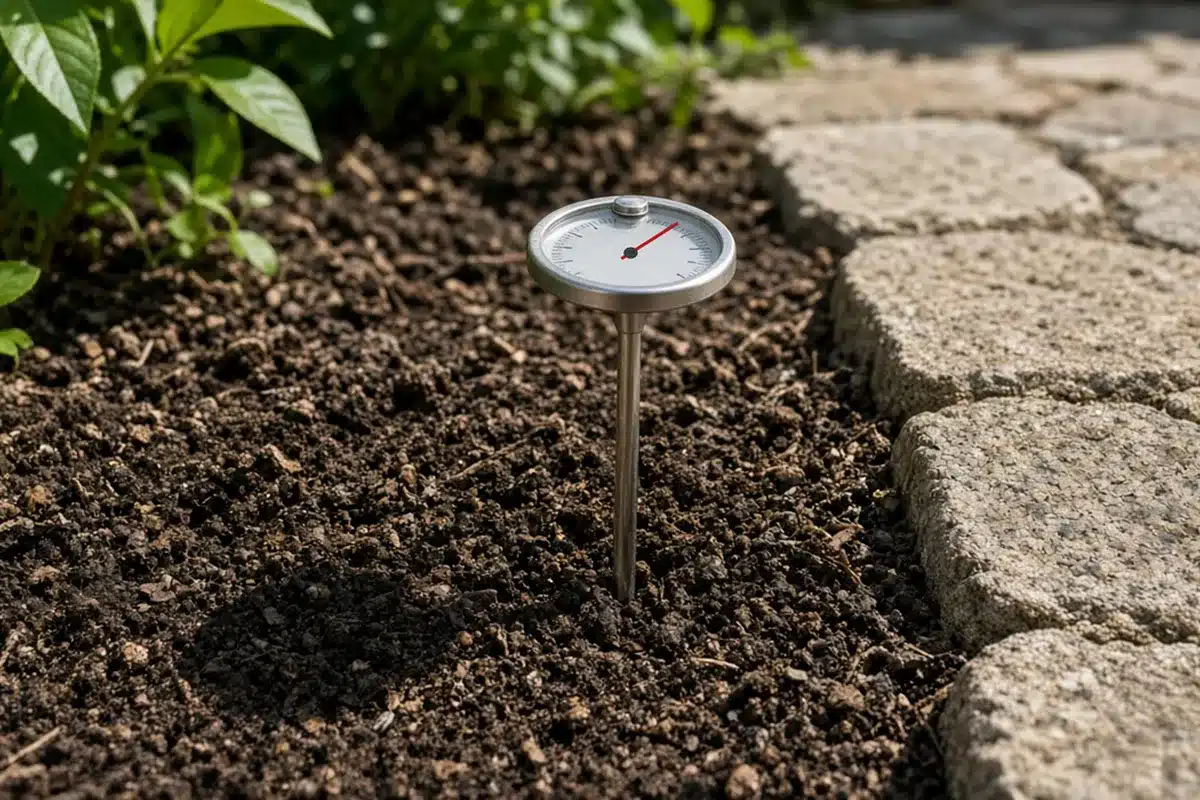
- Measure soil temperature. WSU Extension suggests placing a garden thermometer about 2 inches deep for at least 3 minutes in several spots. The warmest spot may surprise you.
- Mark wet areas. Note puddles that stay after the rest of the yard has dried. WSU Extension says these point to poor drainage.
- Track the wind. Note the direction of prevailing winds and which spots are sheltered or exposed.
- Find the cold sink. Look for frost that lingers in low spots on cold mornings, or dew that stays longest.
- Note heat sources. Mark walls, patios and rock that hold warmth into the evening.
- Record over time. A map made across several weeks, or a full season, captures changes you would miss in a single afternoon.
Which spots suit cannabis best?
Once the map is drawn, rank each possible spot against what cannabis needs outdoors.
- Full sun for most of the day, especially in the middle of the season.
- Shelter from strong prevailing wind, without total stillness that keeps foliage damp.
- Good drainage with no standing water after rain.
- Out of the lowest part of the yard, where cold air and humidity collect.
- Some stored warmth nearby in cool climates, such as a south-facing wall or a patio.
A spot that ticks most of these boxes is a strong candidate. Plant timing goes hand in hand with siting, and a warmer spot can let you plant a little earlier, and when to plant cannabis seeds outdoors has the timing details.
Can you change a microclimate?
UC Marin Master Gardeners stress that microclimates are dynamic and that a gardener can shape them. Their suggestions translate well to cannabis.
- Create a sun trap. Masonry walls, rocks and patios gather heat in the sun and release it slowly. A cool north-facing yard can be warmed this way.
- Add shade where heat is extreme. Shade structures or trees can protect south-facing plantings from intense sun.
- Terrace a slope to change how water and cold air move across it.
- Slow the wind. UC Marin Master Gardeners suggest hedges or living screens, and openings in solid fences and walls so wind passes through gently instead of tumbling over.
WSU Extension adds a useful warning about wind. A semi-permeable windbreak filters and slows wind, while a barrier that is too dense causes turbulence on the sheltered side. If wind is a constant problem, read cannabis wind burn to see how it damages leaves.
Troubleshooting a spot that underperforms
If a plant does poorly in the spot you chose, look at the microclimate before blaming the plant.
- Plant stays damp and slow while others thrive. It may be sitting in a cold sink with lingering humidity. Move containers higher, or pick a different spot next season.
- Frost damage appears in one spot only. Cold air settles low. Frost damage on cannabis describes the injury and recovery.
- Plant gets less sun than expected. Recheck the sun map later in the season, when the sun is lower and shadows are longer.
- Leaves are torn or dried on one side. The spot may be in a wind channel between buildings.
- Plant wilts every afternoon. A west wall or hot pavement may be overheating the root zone. Shade the container or move it.
- Plant sits in a puddle after rain. UC Marin Master Gardeners suggest noting where water pools in the landscape. Raise the container or bed, or choose a better drained spot next season.
Sources
- WSU Extension, Skagit County Master Gardeners. Microclimates in Your Own Yard. https://wpcdn.web.wsu.edu/extension/uploads/sites/57/2022/07/Microclimates-in-Your-Own-Yard.pdf
- UC Marin Master Gardeners. How to Assess Your Microclimates. https://www.ucanr.edu/site/uc-marin-master-gardeners/how-assess-your-microclimates
FAQ
What is a microclimate in a garden?
A microclimate is a small area with conditions that differ from the surrounding area. WSU Extension notes it can be as small as a few square feet or as large as a city lot. Slope, sun exposure, walls, paving, wind and drainage can make one corner of a yard warmer, colder, wetter or windier than another.
Where is the warmest spot in a yard for cannabis?
Often it is a south-facing spot near a wall, patio or rock that stores heat and releases it later. UC Marin Master Gardeners note that southern exposures are warm and sunny with a longer growing season. Check with a soil thermometer in several places, because the warmest spot is not always where you expect.
Why do plants in low spots grow slowly?
Cold air sinks, so the lowest part of a yard can become a cold sink where frost lingers and humidity stays high. WSU Extension describes this effect. Low spots also tend to collect water and drain poorly. A cannabis plant there may start slower, stay damper and suffer more cold damage than one higher up.
How do I map microclimates in my yard?
Sketch the yard, then mark sun and shade at 9 a.m., noon and 3 p.m., as WSU Extension suggests, early, mid and late season. Add soil temperatures taken about 2 inches deep, wet spots, wind direction, frost pockets and heat-holding surfaces. Over a season, the map shows which spots suit cannabis best.


