Alaska cannabis home grow rules for 2027
Alaska legalized adult use cannabis by ballot measure in 2014. Even before that, Alaska courts had recognized privacy rights for small amounts of cannabis in the home. Home growing is legal for adults with a reasonable plant count. The bigger puzzle is the light. Long summer days make photoperiod plants refuse to flower outdoors without help. This guide covers the law and how Alaskans grow under extreme light conditions in 2027. It is general information for adults 21 and older, not legal advice.
Plant limits
Adults 21 and older may grow up to six plants, with no more than three mature and flowering at once. A household may not have more than 12 plants, with no more than six mature, regardless of how many adults live there.
| Who | Total plants | Mature plants |
|---|---|---|
| Per adult | 6 | 3 |
| Per household | 12 | 6 |
Where plants can be grown
Plants must be grown in a place that is not open to public view, and growers must take reasonable steps to prevent access by others. You may grow on your own property or on property where you have permission.
Possession
Adults may possess one ounce of cannabis in public. Cannabis produced by your home plants may be kept on the premises where it was grown. Keep it secure.
Gifting and selling
Adults may transfer up to one ounce and up to six immature plants to another adult without payment. Selling without a license from the Alcohol and Marijuana Control Office is illegal.
Renters
Landlords may prohibit cultivation on their property. Get any approval in writing.
The light problem
In much of Alaska, summer days run 18 hours or more, and in some regions the sun barely sets. Photoperiod cannabis needs long nights, around 12 hours of darkness, to flower. Outdoors in midsummer, it stays in vegetative growth.
Options include:
- Autoflowers. autoflower seeds flower based on age, not light, so they work under the midnight sun.
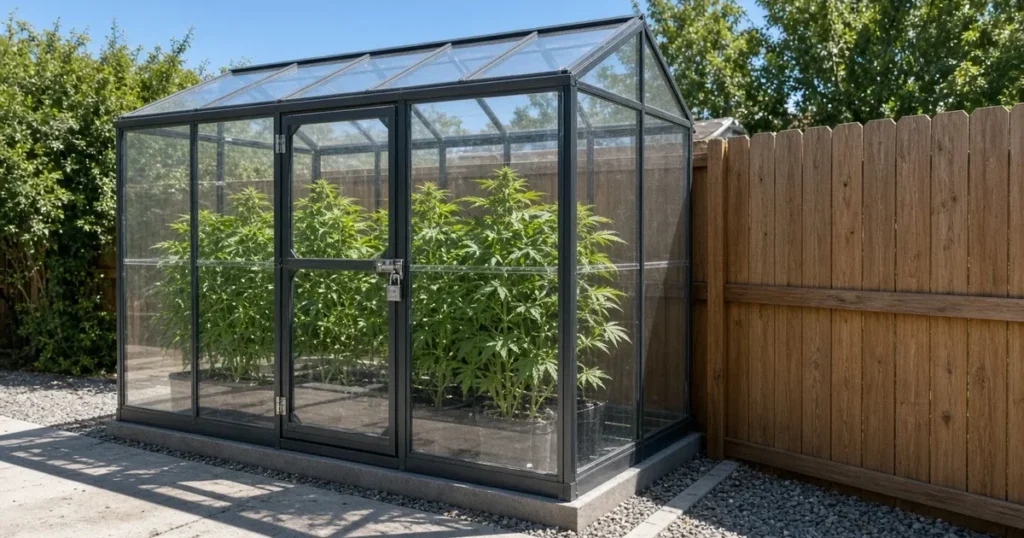
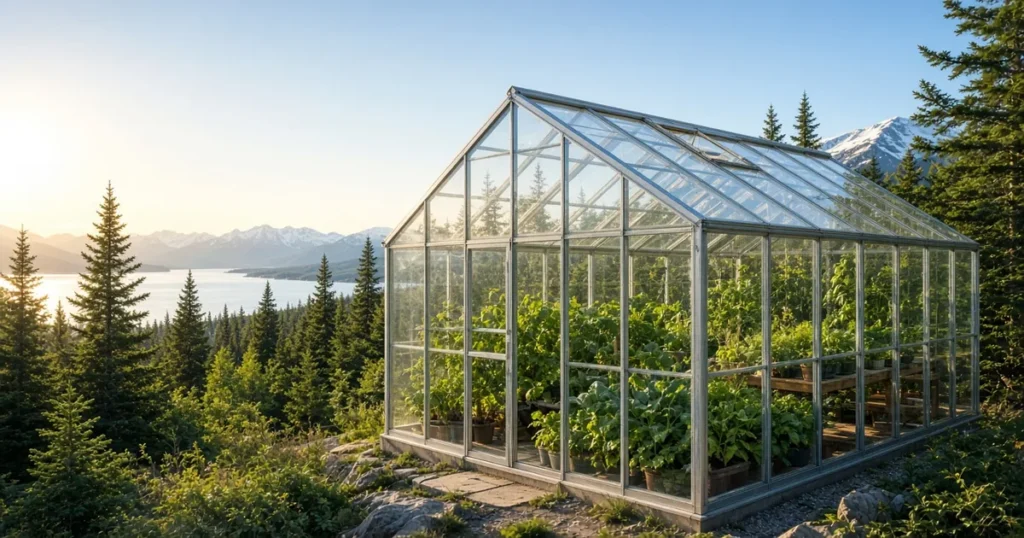
- Light deprivation greenhouses. Growers pull blackout tarps over a greenhouse each evening to give plants 12 hours of darkness, forcing flowering in summer.
- Late season flowering. By late August, nights lengthen, but frost often arrives soon after. This is risky in most areas.
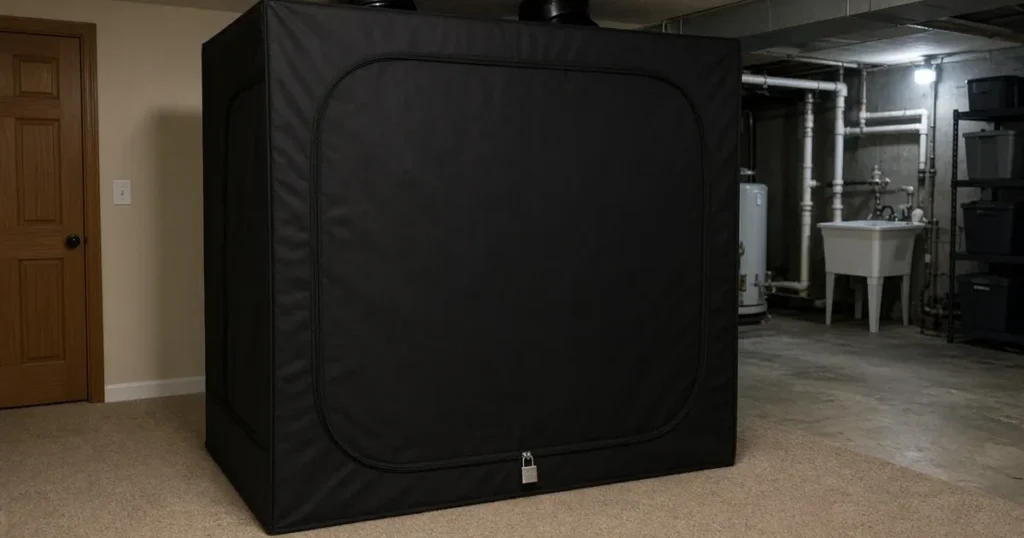
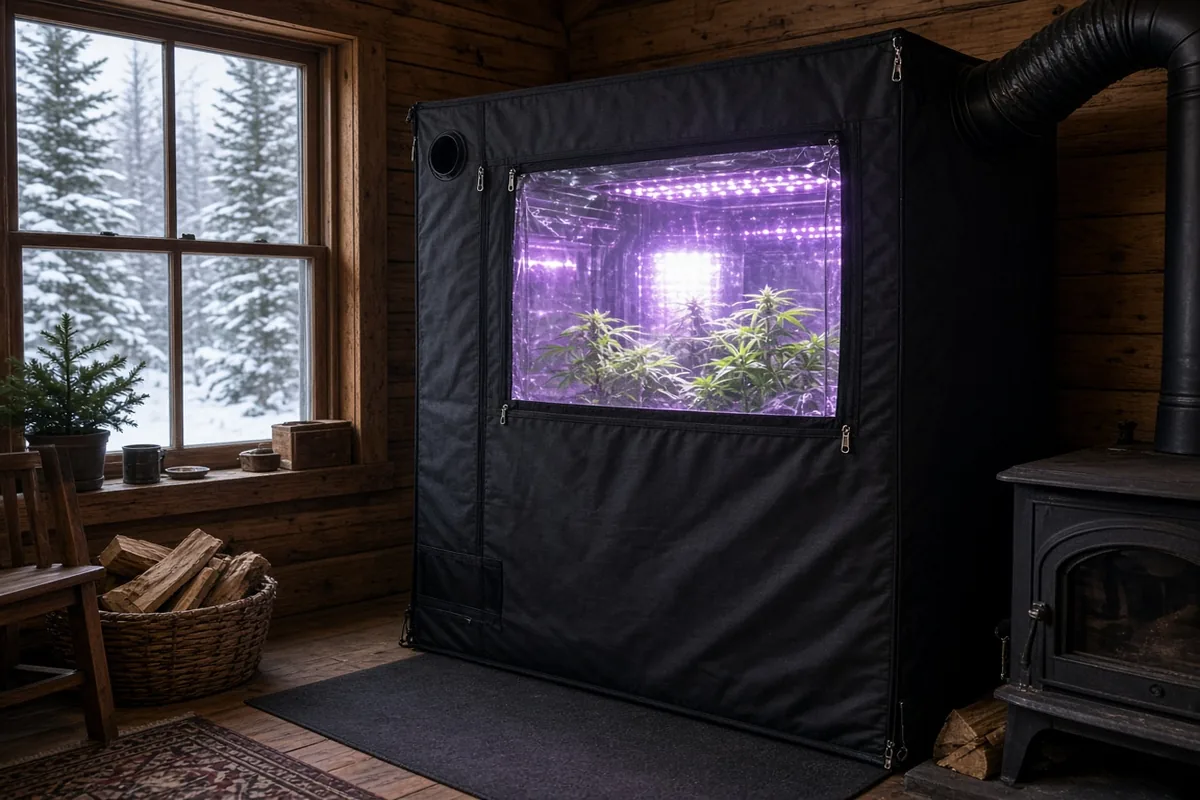
- Indoor growing. A tent gives full control of light and temperature year round.
Indoor growing in winter
Winter grows benefit from the heat that lights produce, but cold outer walls cause condensation and mold. Insulate the tent area, keep air moving and watch humidity. Our complete grow tent setup guide covers fans and filters. Our drying temperature and humidity guide explains drying conditions.
Remote areas
Shipping seeds and supplies to rural Alaska takes time. Order early. Planes and boats have their own rules about cannabis, and carrying cannabis on federal property or through airports is illegal under federal law.
What to watch in 2027
Alaska’s Marijuana Control Board continues to adjust rules for licensed businesses. Home grow limits have been stable. Check the AMCO website before you plant.
Ravin v. State and home privacy
In 1975, the Alaska Supreme Court ruled in Ravin v. State that the state constitution’s privacy protections covered adults possessing a small amount of cannabis in the home. That case shaped Alaska’s approach for decades and is one reason the state has a long history of tolerating small home grows. Today, the statute sets the limits, and growers should follow those numbers rather than relying on the court case.
Odor and neighbors
In Anchorage and Fairbanks neighborhoods, homes can be close together. Use carbon filters indoors and keep greenhouse grows away from shared fences.
Wildlife and outdoor grows
Moose and other wildlife may browse outdoor gardens. A secure fence or greenhouse protects plants and keeps them out of public view at the same time.
Southcentral, the Interior and Southeast
Alaska’s regions are different growing worlds. Anchorage and the Mat Su Valley have a cool, moderate summer, and the Mat Su is famous for big vegetables thanks to long summer days. Fairbanks and the Interior have warmer summer days but a very short frost free season, often from late May to late August. Juneau, Ketchikan and the rest of Southeast Alaska stay mild but extremely wet, which makes mold the main enemy of any outdoor flowering plant.
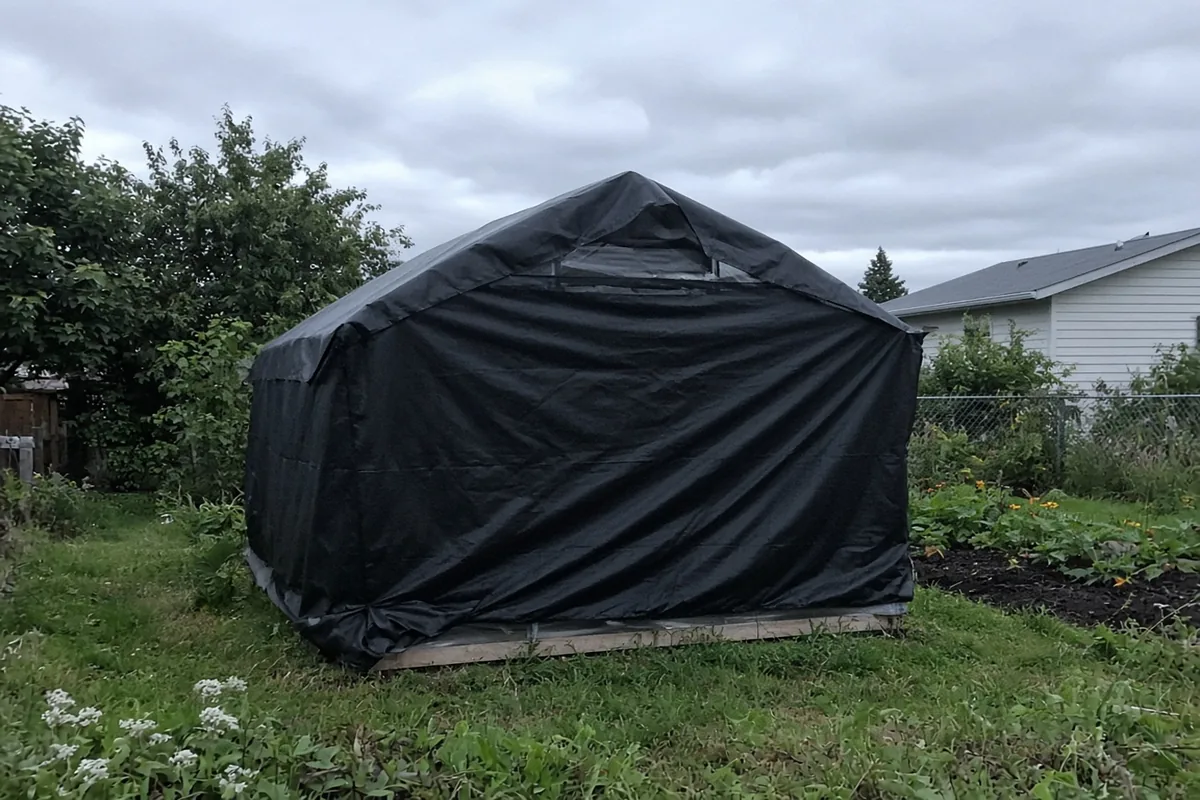
Across all regions, the long days of June and July keep photoperiod plants in vegetative growth. That is why many Alaskans grow indoors, use light deprivation covers in a greenhouse, or choose autoflowers that flower regardless of day length. A greenhouse must still be secure and keep plants from public view.
Power, heat and cold
Indoor growing in Alaska means managing winter heat loss and electricity costs. LED fixtures produce less heat, which is helpful in summer but means a small heater may be needed in winter. Insulate the grow space, keep it off exterior walls where possible, and use a timer you can trust. Never run extension cords or space heaters in ways that create a fire risk.
Germination and starting dates
Most Alaskan growers start seeds indoors in March or April. Our guide on how to germinate cannabis seeds covers the basics.
Key takeaways
- Six plants per adult, three mature.
- Twelve plants per household, six mature.
- Out of public view and secure.
- One ounce in public, with home harvest kept on premises.
- Use autoflowers, light deprivation or indoor setups to deal with summer light.
Our Alaska seed page includes autoflowers suited to long summer days.
Grow legally and responsibly
Home cultivation is only legal in some states, and each state sets its own plant limits, locking rules and rules about whether plants can be visible from a public place. You must be 21 or older to buy seeds from Kind Seed Co, and you should grow only where your state and city allow it. Check your state rules in our guide to the legal requirements for growing weed plants in your state before you plant. Federal treatment of cannabis seeds is also changing, so read our December 11 2026 seed rule explainer before you order. Keep plants and harvested flower locked away from children, pets and visitors, and never drive after using cannabis. This article is general information about gardening. It is not legal advice and it is not medical advice.
Frequently asked questions
How many plants can I grow in Alaska?
Six plants per adult with no more than three mature, and up to 12 per household with no more than six mature.
Why won’t my plants flower outdoors in an Alaska summer?
Photoperiod plants need long nights to flower. Summer nights are too short in much of Alaska.
Are autoflowers good for Alaska?
Yes. They flower based on age, not day length.
How much can I carry in public in Alaska?
Up to one ounce.
Can I grow in a greenhouse in Alaska?
Yes, if the greenhouse is secure and plants are not visible to the public. Many Alaskans use light deprivation covers so photoperiod plants can flower during long summer days.
Ready to start
Browse the full range in the Kind Seed Co shop or go straight to marijuana seeds alaska. Kind Seed Co sells only to adults 21 and older. Always follow the home grow laws where you live.