
Bat Guano for Cannabis: High-N vs High-P Guano
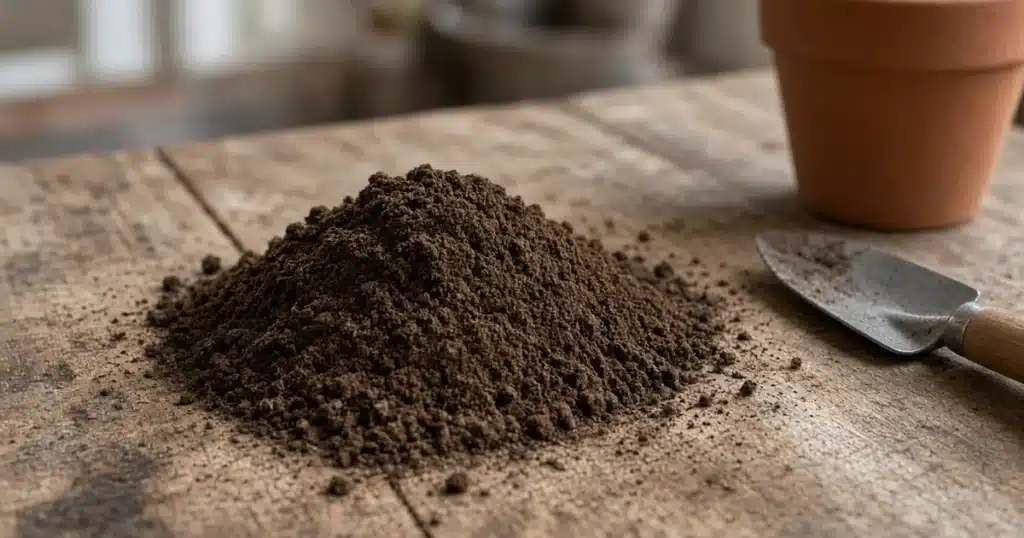
Bat guano is powdered bat droppings used as an organic soil amendment for cannabis. Its analysis varies. Colorado State lists high-nitrogen guano at about 10-3-1 and high-phosphorus guano at about 3-10-1, so growers pick the type for the nutrient they need. Colorado State adds that release takes four months or more.
What Is Bat Guano?
Colorado State Extension describes bat guano as feces harvested from caves and powdered. It can be applied directly to soil, or made into a tea and used as a foliar spray or run through irrigation (Colorado State). Iowa State lists it as a nitrogen source that contains calcium (Iowa State). Both are general garden guides, not cannabis studies.
Why Do Bat Guanos Have Different NPK Ratios?
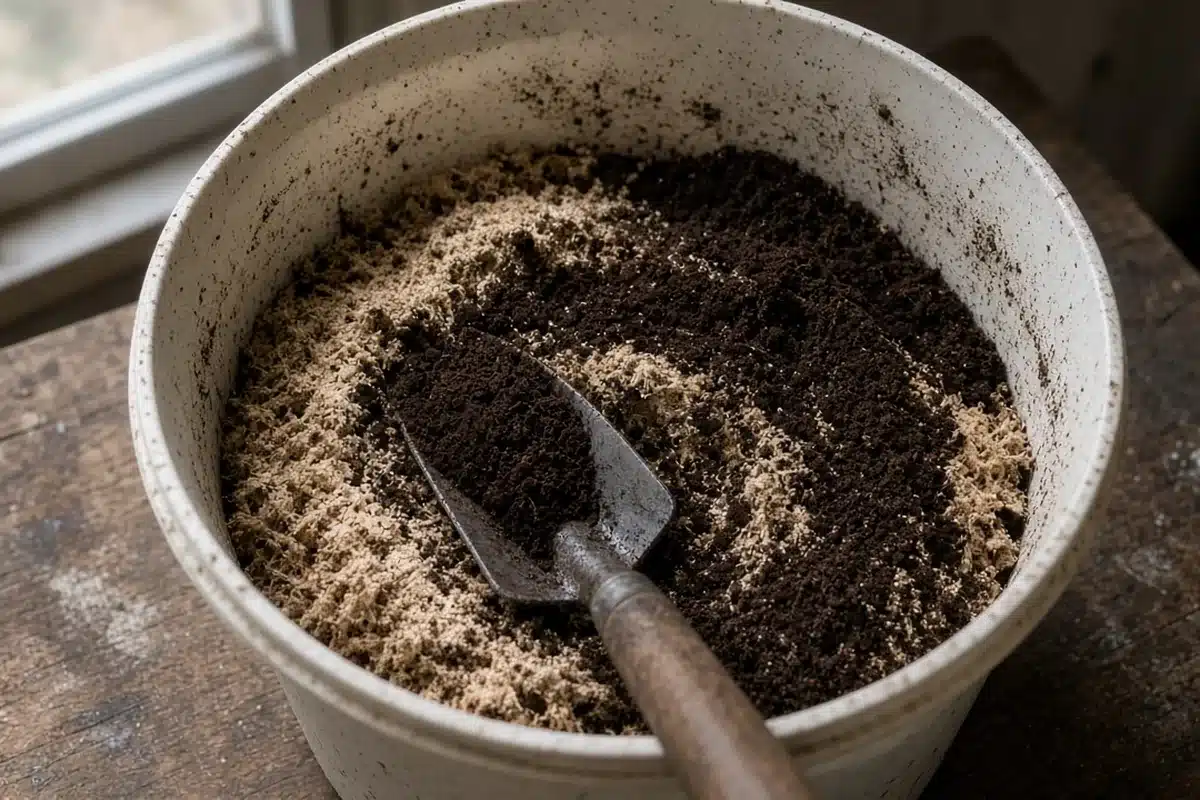
Iowa State lists fresh bat guano at 10-3-1 and ancient guano at 2-8-0 (Iowa State). Colorado State says guano can be high in nitrogen or processed for high phosphorus, and lists high-N guano at 10-3-1 and high-P guano at 3-10-1 (Colorado State). So the label matters more than the name. Learn more about phosphorus for cannabis.
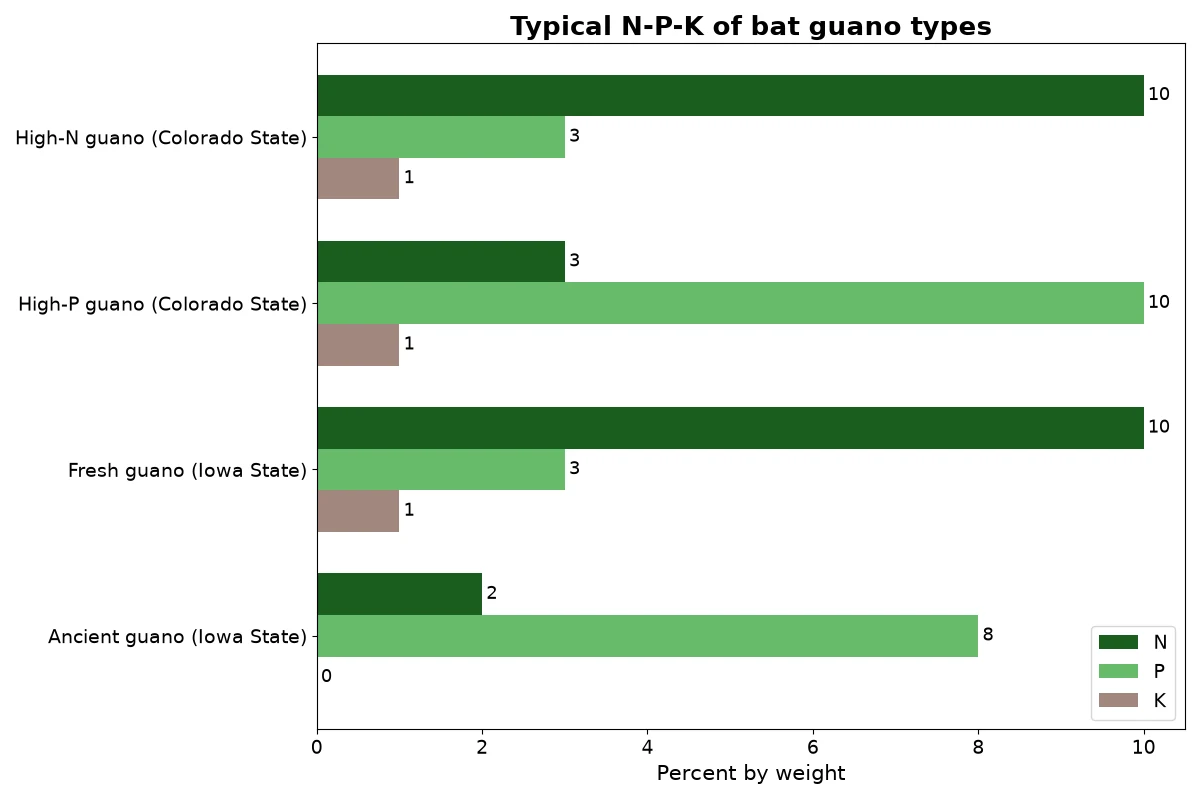
Sources: Colorado State University Extension and Iowa State University Extension (typical analyses, general garden guidance). Analyses vary by product.
Data for this chart:
| Guano type | N | P | K | Source |
|---|---|---|---|---|
| High-N | 10 | 3 | 1 | Colorado State |
| High-P | 3 | 10 | 1 | Colorado State |
| Fresh | 10 | 3 | 1 | Iowa State |
| Ancient | 2 | 8 | 0 | Iowa State |
Is Bat Guano Good for Flowering Cannabis?
The extension guides do not test guano on cannabis. What they show is that high-P guano supplies more phosphorus than high-N guano, and growers who want more phosphorus in later stages often choose it. If leaves point to a shortfall, see our guide to phosphorus deficiency before adding more.
How Do Growers Apply Bat Guano?
Colorado State suggests tilling in about 5 lbs per 100 sq ft, or making a tea at 3 teaspoons per gallon of water (Colorado State). Iowa State lists 30, 20 or 10 lbs per 1,000 sq ft of fresh guano for low, medium or adequate fertility soil (Iowa State). The two guides differ, since Colorado State’s rate works out to about 50 lbs per 1,000 sq ft, so follow the product label for containers. Guano is a common ingredient in super soil recipes. Guano products differ. Check the product label and local rules.
Sources
The sources below give general garden or container guidance rather than studying cannabis. Their findings are reported as results for those settings.
- Colorado State University Extension: Organic Fertilizers
- Iowa State University Extension: Selecting and Using Organic Fertilizers
Two extension sources sit behind this guano page, which Kind Seed Co keeps to general growing information.
FAQ
What is the NPK of bat guano?
It depends on the type. Colorado State lists high-nitrogen guano at 10-3-1 and high-phosphorus guano at 3-10-1. Iowa State lists fresh guano at 10-3-1 and ancient guano at 2-8-0. Check the analysis on the bag, since the name alone does not tell you which you are buying.
Can you make bat guano tea?
Yes. Colorado State Extension, in a general garden guide, says bat guano can be made into a tea and applied as a foliar spray or injected into an irrigation system. It suggests about 3 teaspoons per gallon of water for both high-nitrogen and high-phosphorus guano. Follow the rate on your product label.
How long does bat guano take to work?
Colorado State lists a release time of four months or more for both high-nitrogen and high-phosphorus guano. Like other organic fertilizers, its nutrients usually need soil microbes to convert them before plants can take them up, which is why release is slower than with synthetic feeds.
What is the difference between fresh and ancient guano?
Iowa State lists fresh bat guano at 10-3-1, rich in nitrogen, and ancient guano at 2-8-0, richer in phosphorus with no listed nitrogen beyond 2%. Iowa State notes that both contain calcium. Its suggested rates are 30, 20 or 10 lbs per 1,000 square feet for fresh guano.


