Best rosin press for home use
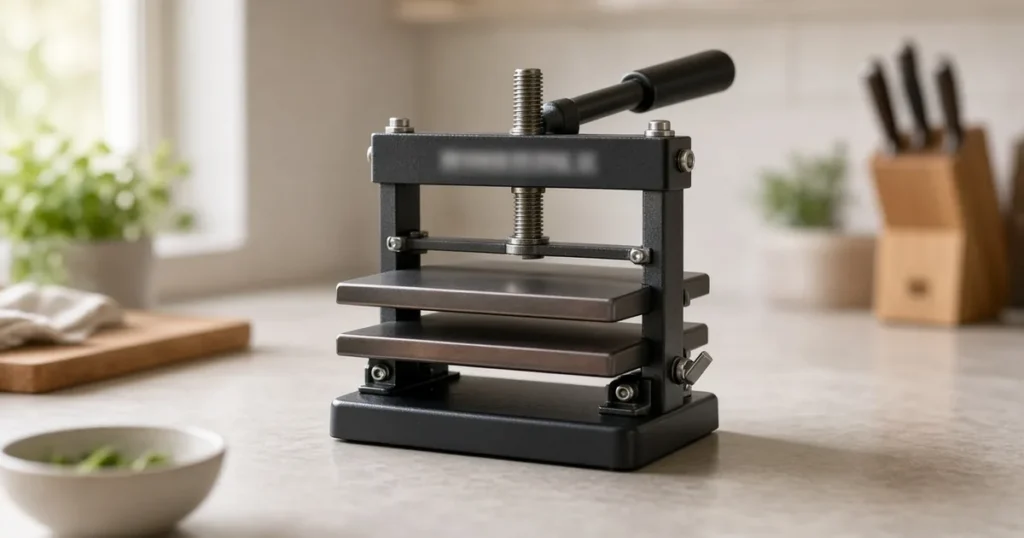
Rosin is one of the simplest ways to make a cannabis concentrate at home. It uses only heat and pressure, with no solvents of any kind. A rosin press squeezes flower, kief or hash between two warm plates, and the resin flows out onto parchment. Because the process is so simple, the press you choose makes a big difference. This guide explains the types of rosin presses, what to compare and how to pick one for home use. It is written for adults 21 and older where home cultivation and home processing are legal.
Home processing rules vary by state. Some states allow adults to make concentrates at home only with methods that use no solvents, and some limit it in other ways. Check your state rules before you buy a press.
How a rosin press works
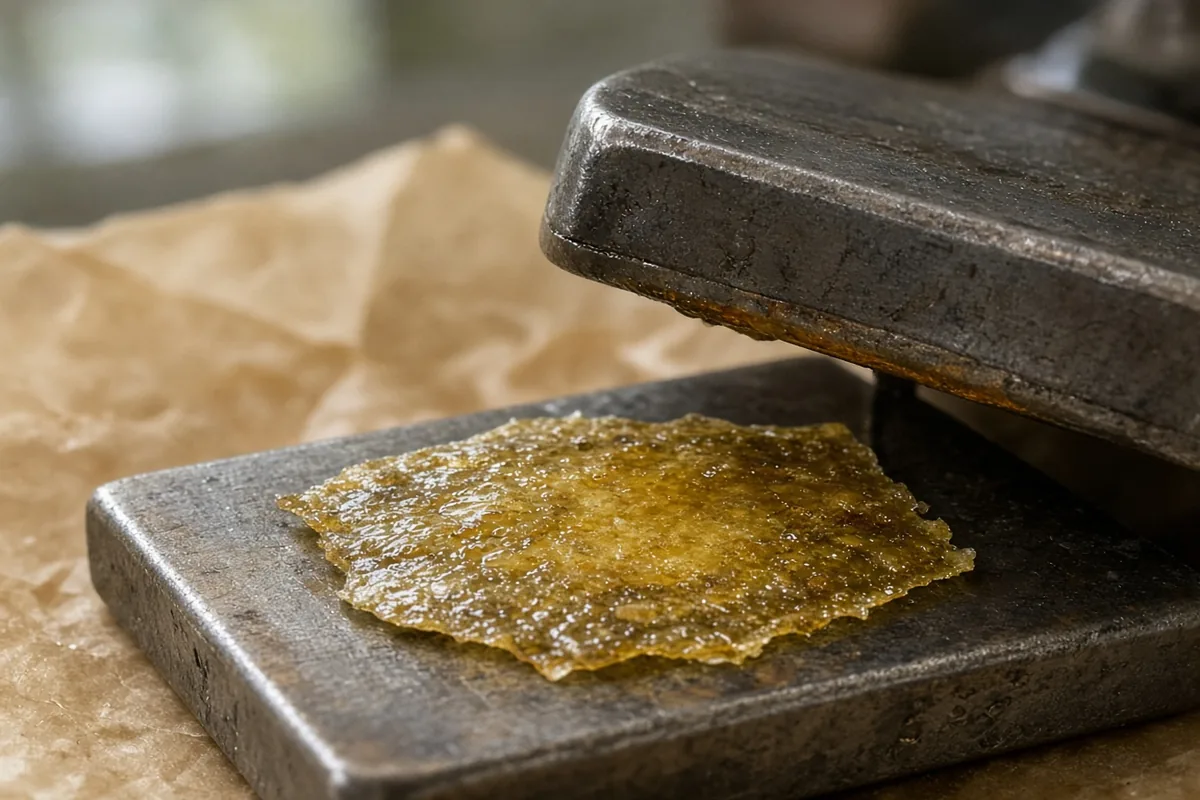
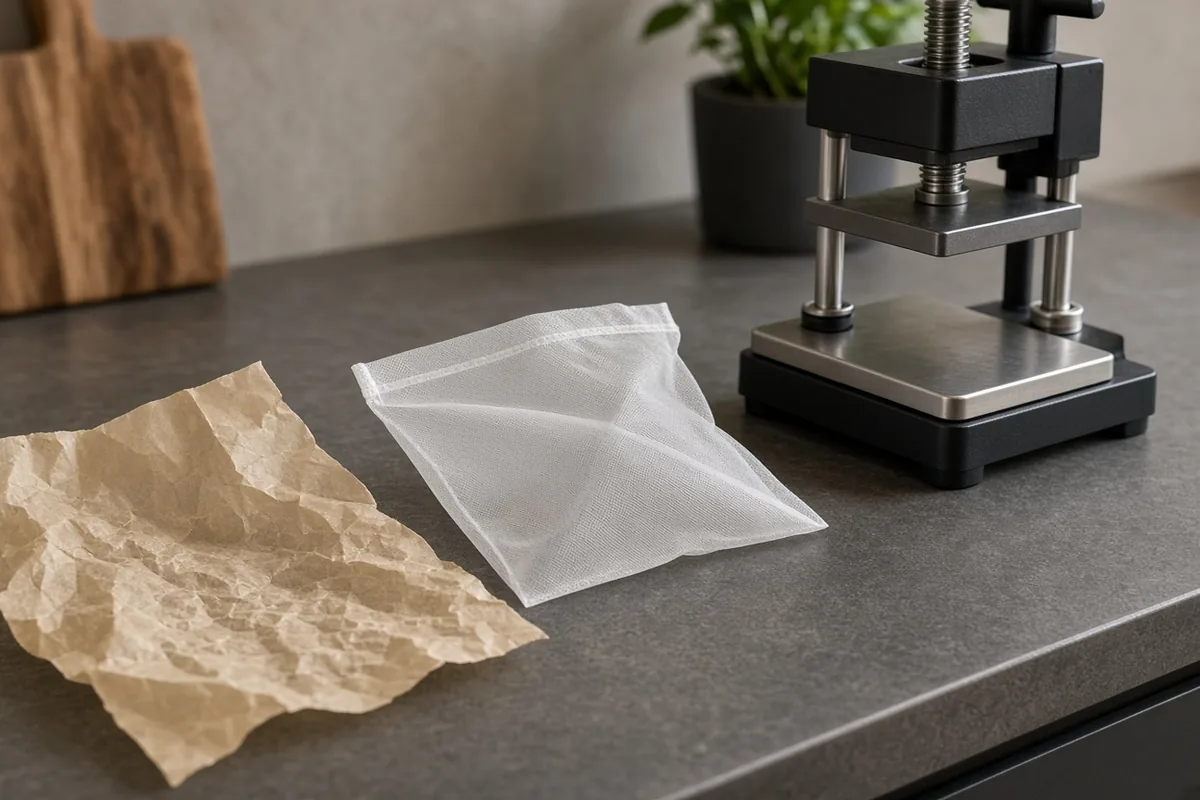
A press has two plates that heat up and a mechanism that pushes them together. You wrap material in parchment, sometimes inside a mesh filter bag, set it between the plates and apply pressure. Heat softens the resin and pressure pushes it out. You then collect the rosin from the parchment.
Types of rosin presses
Manual presses
Manual presses use a hand crank or lever. They are usually the least expensive and the smallest. They work well for small batches, but applying steady pressure takes effort.
Hydraulic presses
Hydraulic presses use a hand pump to build pressure. They offer more force with less effort and are a common choice for home use.
Pneumatic presses
Pneumatic presses use an air compressor. They give precise, repeatable pressure but need a compressor, which adds cost and noise.
Electric presses
Electric presses use a motor to drive the plates. They are easy to use and precise, but they are often the most expensive option.
What to compare
- Plate size. Larger plates handle larger batches. Small plates are fine for personal use.
- Temperature control. Look for separate controls for each plate and a clear digital display.
- Pressure range. Check how much force the press can apply and whether you can control it.
- Build quality. Solid frames and well machined plates last longer.
- Safety features. Heat shielding, stable feet and automatic shutoff are worth having.
- Warranty and support. Presses get hot and work under pressure, so a good warranty matters.
Sizing a press for home use
| Use | Press type to consider |
|---|---|
| Occasional small batches | Manual or small hydraulic |
| Regular personal use | Hydraulic |
| Precise repeatable results | Pneumatic or electric |
Basic supplies
- Unbleached parchment paper.
- Mesh filter bags in the right micron size for your material.
- A collection tool made for sticky resin.
- Heat resistant gloves.
- A small container for storage.
Safety tips
- Keep the press on a stable, heat resistant surface.
- Wear heat resistant gloves when handling plates and parchment.
- Never leave a heated press unattended.
- Keep the press away from children and pets.
- Unplug it when you are done and let it cool fully.
Starting material matters
The quality of your rosin starts with the plant. Fresh, well dried and properly cured flower usually presses better than old or dry material. Resin rich genetics are a common choice for growers who plan to press their own harvest. Our 710 seeds collection highlights strains growers often choose for solventless work.
Common beginner mistakes
- Too much heat. High plate temperatures can darken rosin and reduce flavor.
- Too much material. Overloading the plates can blow out filter bags.
- Rushing. Slow, steady pressure tends to work better than a sudden squeeze.
- Skipping parchment. Always press between parchment, never directly on the plates.
Cleaning and care
Wipe the plates with a food safe cleaner once they cool. Check bolts and hydraulic lines from time to time. Store the press covered to keep dust off the plates. A clean press is safer and gives cleaner results.
Our take
For most home growers, a hydraulic press with dual temperature control and modest plate size is a balanced choice. Manual presses suit tiny batches on a budget. Pneumatic and electric presses suit growers who want precise, repeatable results and do not mind the extra cost.
How the press fits into a home grow
Pressing is the last step in a long chain. It starts with seed choice, continues through a healthy grow and a careful dry and cure, then ends at the press. If any earlier step goes wrong, the press cannot fix it. Many growers find that improving their drying and curing makes a bigger difference to their rosin than upgrading the press. Store finished rosin in a cool, dark place in a sealed container, and label it with the strain and date so you can compare batches over time.
Plate temperature basics
Most presses let you set plate temperature, and that setting has a big effect on results. Lower temperatures tend to preserve flavor and give a lighter, more stable rosin but may yield less. Higher temperatures can push out more resin but may darken it. Many home users start low and raise the heat slowly over several batches. Let the plates come fully up to temperature and settle before you press, since a reading that is still climbing can mislead you.
Pressure and time
Pressure and time work together with heat. Apply pressure gradually, pause to let the resin flow and then add a bit more. Watch the parchment, and stop once the flow slows to a trickle. Pressing far longer rarely adds much and can pull in more plant material.
Where to read next
Once you have a press, the next steps are learning plate temperatures for your material and picking the right filter bag micron size. Those topics are covered in separate guides in this series. Keep notes for each batch, including material, temperature, pressure and time, so you can repeat what works.
Grow legally and responsibly
Home cultivation is only legal in some states, and each state sets its own plant limits, locking rules and rules about whether plants can be visible from a public place. You must be 21 or older to buy seeds from Kind Seed Co, and you should grow only where your state and city allow it. Check your state rules in our guide to the legal requirements for growing weed plants in your state before you plant. Federal treatment of cannabis seeds is also changing, so read our December 11 2026 seed rule explainer before you order. Keep plants and harvested flower locked away from children, pets and visitors, and never drive after using cannabis. This article is general information about gardening. It is not legal advice and it is not medical advice.
Frequently asked questions
What is the best type of rosin press for home use?
For many home growers, a hydraulic press with dual temperature control is a good balance of price, force and ease of use.
Is making rosin at home legal?
It depends on your state. Some states allow home processing only with methods that use no solvents, and some restrict it further. Check your state rules.
Does rosin need any solvents?
No. Rosin uses only heat and pressure.
What supplies do I need besides the press?
Parchment paper, mesh filter bags, a collection tool, heat resistant gloves and a storage container.
Ready to start
Browse the full range in the Kind Seed Co shop or go straight to 710 seeds. Kind Seed Co sells only to adults 21 and older. Always follow the home grow laws where you live.