Advanced Nutrients for cannabis home growers
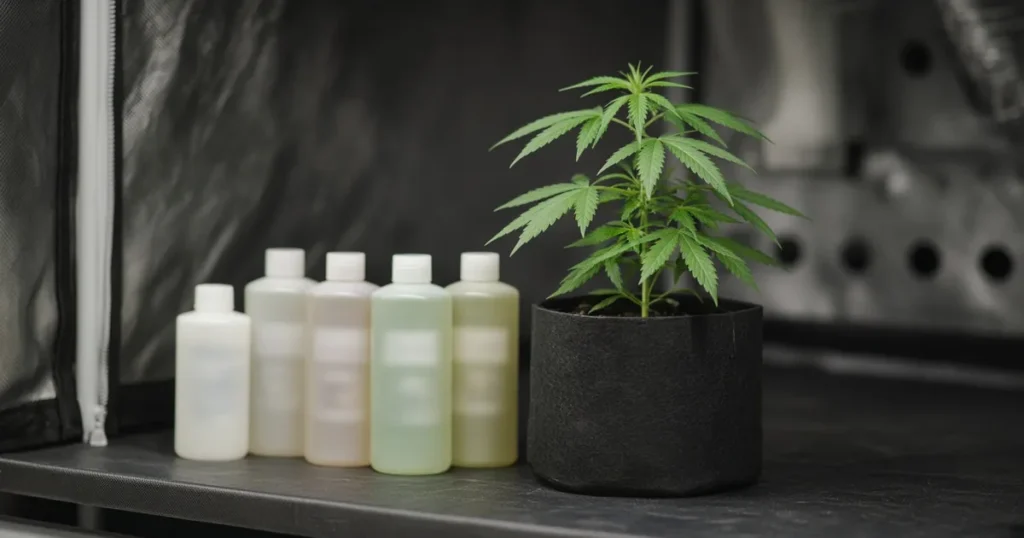
Advanced Nutrients is one of the best known nutrient brands in cannabis growing. Walk into almost any hydro store and you will see its bottles on the shelf. The lineup is large, which can feel confusing for a home grower who just wants healthy plants. This guide explains how the brand’s system is organized, what home growers actually need and how to use it without overspending. It is written for adults 21 and older growing where home cultivation is legal.
How the lineup is organized
Like most nutrient brands, Advanced Nutrients splits its products into a few groups.
- Base nutrients. These supply the main nutrients plants need every feeding. The brand offers base lines in two part and three part formats, sold under several names.
- Supplements. These are add ons for root support, bloom support and other goals. They are optional.
- Specialty products. Flushing products, cleaners and other extras.
The key idea for a home grower is simple. The base nutrient does most of the work. Supplements are extras you can test later.
pH Perfect explained
Many Advanced Nutrients base products are sold under the pH Perfect name. The brand says this technology helps keep the root zone pH in a good range, so growers may not need to adjust pH as often. Many growers still check pH with a meter, especially in hydro, to confirm it stays in range. Treat it as a convenience, not a reason to stop measuring.
A simple starter setup
| Stage | What to use |
|---|---|
| Seedling | Plain water or a very light base dose |
| Vegetative | Base nutrient at a reduced dose |
| Flower | Base nutrient for flower, optional bloom supplement |
| Last week or two | Plain water, if your method calls for it |
Start with the base nutrient only. Add one supplement at a time if you want to experiment, so you can tell whether it makes a difference.
Feeding tips
- Start at half strength. Feeding charts are often written for experienced growers in ideal conditions. Many home growers do better starting lower.
- Watch the leaf tips. Burnt tips can mean too much feed. Pale lower leaves can mean too little.
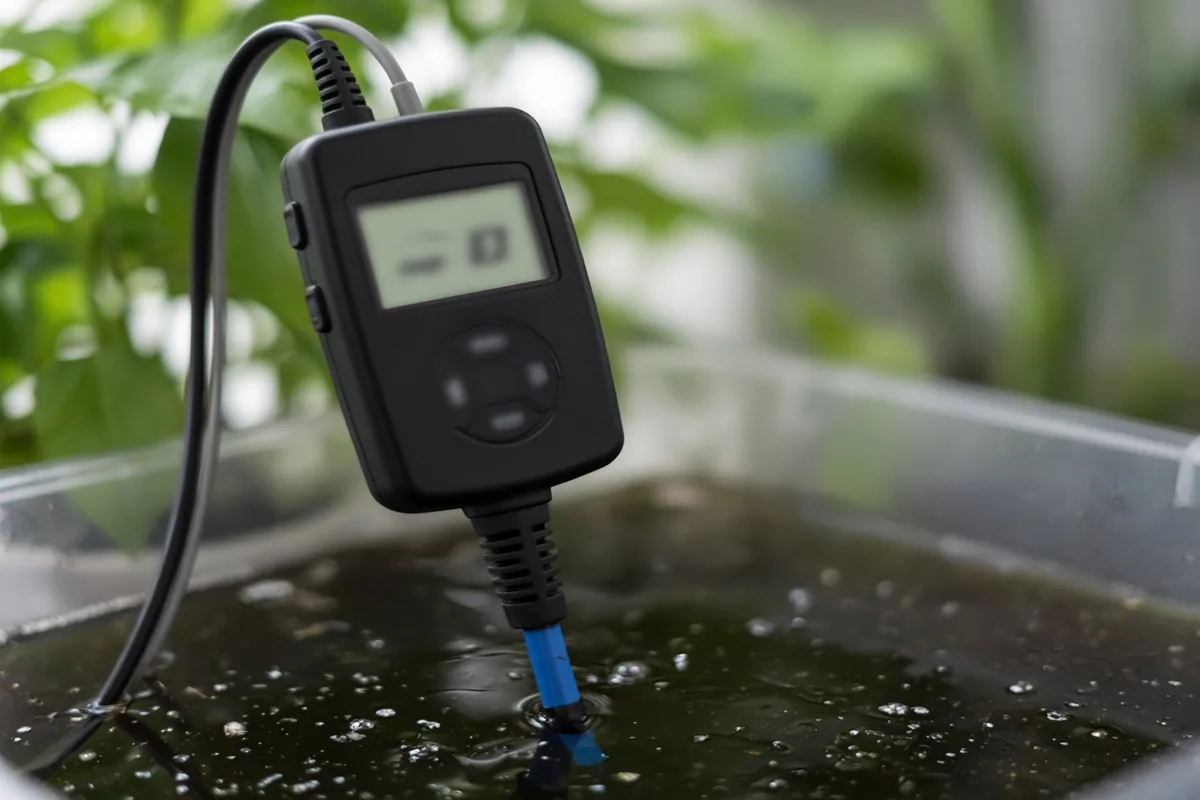
- Measure EC or PPM. An inexpensive meter tells you how strong your mix is.
- Mix in order. Follow the label’s mixing order and stir between parts.
- Keep records. Write down doses and how plants respond.
Soil, coco and hydro
Advanced Nutrients makes products for different media. In soil, plants often need less feed early on because the soil holds some nutrients. Coco needs regular feeding and usually calcium and magnesium support. Hydro needs the most careful monitoring of strength and pH. Read the label for your medium.
Cost and value
The full lineup can get expensive. Most home growers do not need every bottle. A base nutrient plus a pH meter and an EC meter will cover the basics. Add supplements only if you have a specific goal and can measure results.
Common mistakes
- Buying everything at once. Start simple.
- Overfeeding seedlings. Young plants need very little.
- Skipping pH checks. Even with pH Perfect, checking is cheap insurance.
- Mixing old nutrients. Store bottles cool and out of sunlight, and do not use ones that have separated badly.
How it compares to other brands
Advanced Nutrients is one of several popular brands, alongside names like General Hydroponics and Fox Farm. All of them can grow healthy cannabis when used carefully. The best choice often comes down to price, availability and how simple you want your routine to be.
Reading a feeding chart
Every bottle and brand website points to a feeding chart. These charts show doses by week and stage. Read them as a ceiling, not a target. If your plants look healthy at a lower dose, there is no need to push higher. Line the chart up with your actual plant stage rather than the calendar, since a slow plant in week four of veg may still need seedling level feed.
Water quality
Your water matters. Hard tap water already has dissolved minerals, which raises the starting EC before you add any nutrient. Soft or filtered water starts near zero and may need calcium and magnesium support. Measure your plain water once so you know your baseline. Let chlorinated tap water sit out or use a filter if your plants seem sensitive.
Storing nutrients
Keep bottles sealed, upright and away from heat and light. Shake before use. Most liquid nutrients keep for a long time when stored well, but check for strong odors or heavy clumps that will not mix back in.
Reading your plants
Your plants tell you more than any chart. Deep green leaves with slightly clawed tips can mean too much nitrogen. Yellowing between veins on newer leaves can point to a pH problem that locks out nutrients. Brown spots or crispy edges can mean too much feed or heat stress. Before you change the dose, check pH and EC, since many problems that look like deficiencies are really pH issues. Change one thing at a time and give the plant a few days to respond.
Runoff and buildup
In soil and coco, salts from nutrients can build up over time. Some growers water until a little runoff drains from the pot and measure its EC. If runoff reads much higher than the feed going in, salts may be building. A plain water feeding, or a feed at lower strength, can help reset the root zone. Hydro growers handle this by changing the reservoir on a regular schedule, often every week or two.
Autoflowers and nutrients
Autoflowers often need lighter feeding than photoperiod plants, since they stay smaller and have a short life. Start them at a low dose and raise it slowly, watching leaf tips closely.
Picking genetics for an indoor run
Nutrients support a plant, but genetics set its limits. Strains bred for indoor tents tend to stay compact and handle steady feeding well. Browse our indoor seeds for options that fit a home setup, and see our shop for the full range.
Final thoughts
Advanced Nutrients can be a good fit for a home grower who keeps things simple. Start with a base line, measure strength and pH, and add extras only with a clear reason. Healthy plants come from steady, careful feeding more than from a long list of bottles.
Grow legally and responsibly
Home cultivation is only legal in some states, and each state sets its own plant limits, locking rules and rules about whether plants can be visible from a public place. You must be 21 or older to buy seeds from Kind Seed Co, and you should grow only where your state and city allow it. Check your state rules in our guide to the legal requirements for growing weed plants in your state before you plant. Federal treatment of cannabis seeds is also changing, so read our December 11 2026 seed rule explainer before you order. Keep plants and harvested flower locked away from children, pets and visitors, and never drive after using cannabis. This article is general information about gardening. It is not legal advice and it is not medical advice.
Frequently asked questions
Do I need every Advanced Nutrients product?
No. Most home growers do well with a base nutrient, plus a pH meter and an EC meter.
Do I still need to check pH with pH Perfect?
Many growers still check, especially in hydro. It is cheap insurance.
Can I use Advanced Nutrients in soil?
Yes. Follow the label for soil and start at a lower dose.
How strong should I feed seedlings?
Very light, or plain water at first. Increase slowly as plants grow.
Ready to start
Browse the full range in the Kind Seed Co shop or go straight to indoor seeds. Kind Seed Co sells only to adults 21 and older. Always follow the home grow laws where you live.