
Betta Planter Basics: Vase Planters With Plant Roots in Water

A betta planter is a vase with a plant set in the neck so its roots hang down into the water below. None of the sources here covers fish, so the notes below deal with the plant side only.
The short answer
A betta planter suits houseplants that root in plain water. University of Maryland Extension lists heartleaf philodendron, golden pothos, coleus, Swedish ivy plus arrowhead vine. Set the stem so no leaves sit under water. Give bright indirect light near 70 degrees F. Change plant water at least twice a week or when it turns cloudy.
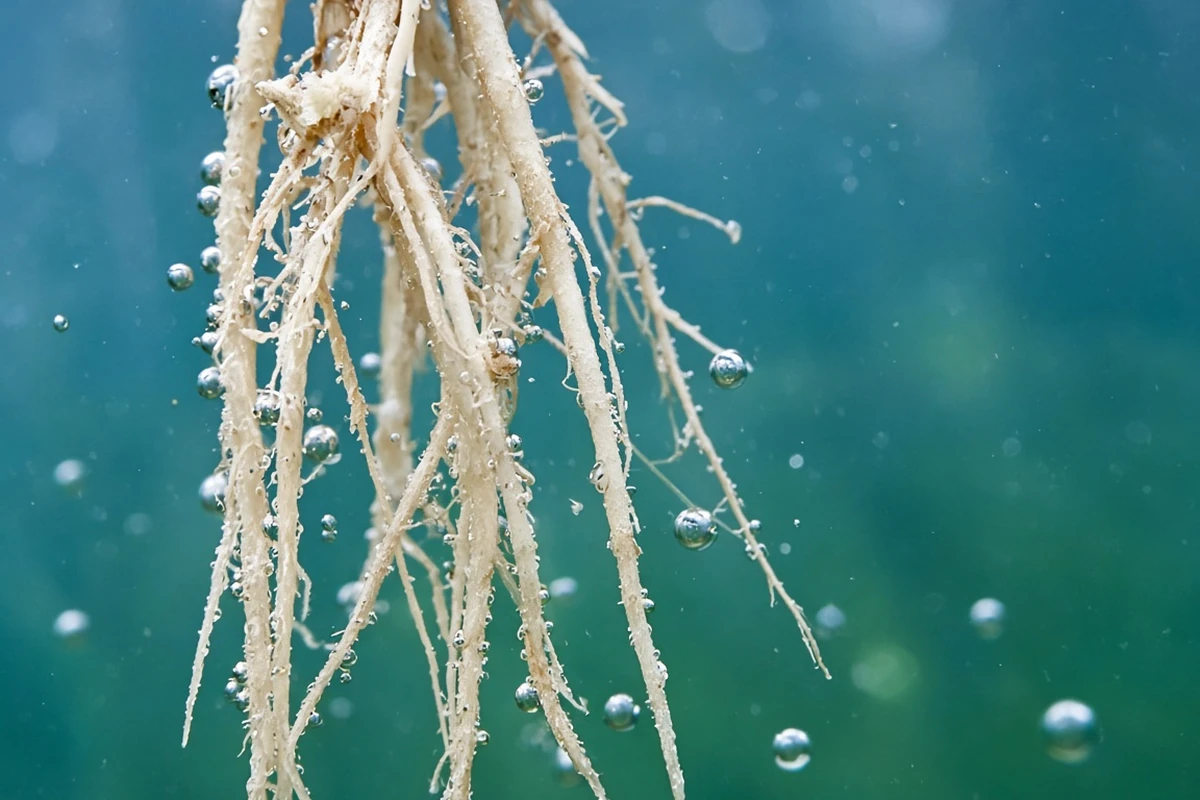
What is a betta planter?
It is passive water culture. UC Master Gardeners describe passive hydroponics, the Kratky method, where plants sit over a tank of nutrient solution with no pump. An air gap between the lid plus the falling solution gives roots oxygen. A vase planter works the same way, with roots hanging in water.
Which plants grow in a vase planter?
University of Maryland Extension names five houseplants that root easily in clean tap water. Each cutting should be 3 to 5 inches long with at least one node, since roots form at nodes. Thin stems root more readily than thick ones, it notes.
Iowa State University Extension notes many houseplants root well from stem tip cuttings. It advises removing leaves from the lower stem.
| Plant | Roots in water | Source |
|---|---|---|
| Heartleaf philodendron | Yes | Maryland |
| Golden pothos | Yes | Maryland |
| Coleus | Yes | Maryland |
| Swedish ivy | Yes | Maryland |
| Arrowhead vine | Yes | Maryland |
Source: University of Maryland Extension.
How often should the water be changed?
University of Maryland Extension advises changing the water at least twice a week or whenever it looks cloudy. Bacteria in still water can rot stems.
For peace lily in soil, NC State Extension advises you feed lightly, at about a quarter of the usual rate. UC Master Gardeners note plants in water culture take their nutrients from the solution.
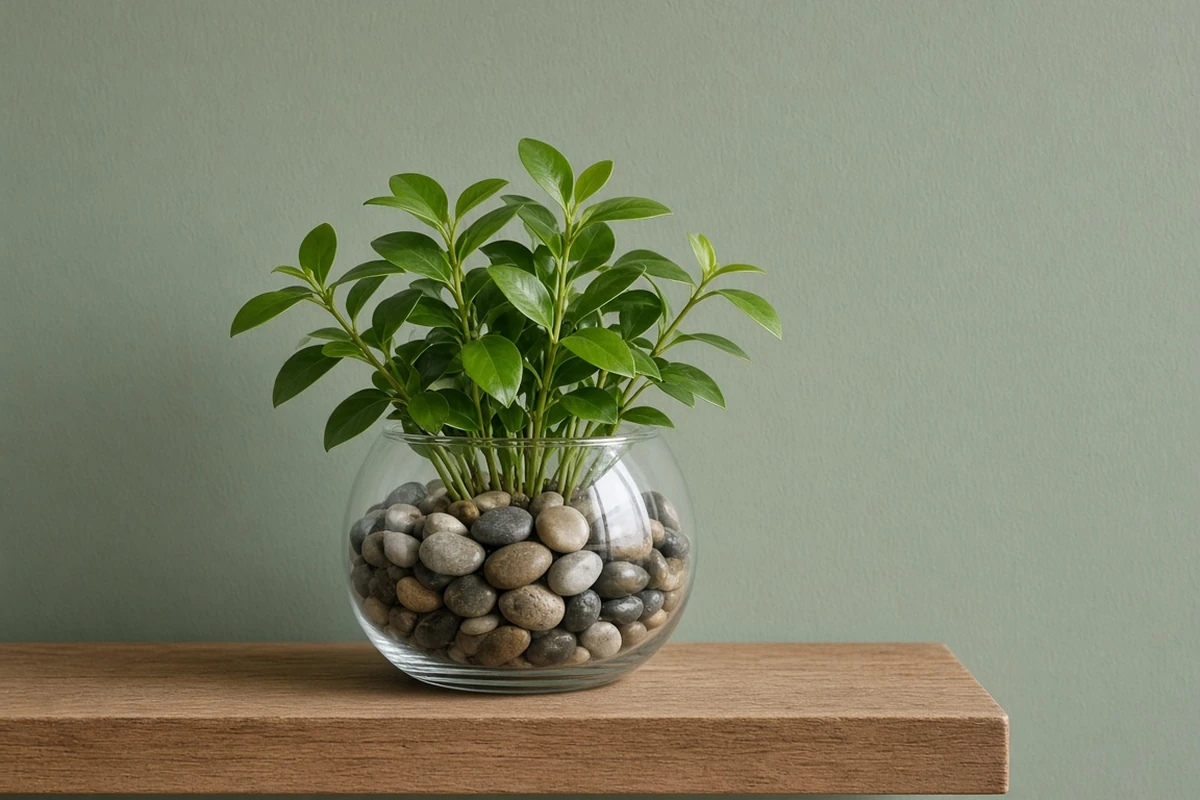
How to: step by step
- Pick a plant from the Maryland list.
- Cut a 3 to 5 inch stem with a node.
- Strip the leaves that would sit under water.
- Set the stem in the planter neck.
- Place it in bright indirect light.
- Change the water twice a week.
Troubleshooting
Stem rotting: bacteria in old water. Maryland Extension advises changing it twice a week.
No roots forming: stem too thick. Maryland Extension notes thin stems root more readily.
Pale leaves: no nutrients. UC Master Gardeners note water culture plants feed from the solution.
For more on root media see hydroponic in different mediums plus caring for your hydroponic system. Read aquarium water for cannabis. Kind Seed Co also stocks cannabis seeds.
Sources
- Spathiphyllum (peace lily), NC State Extension Gardener Plant Toolbox
- Make more plants from cuttings: 5 plants that root easily in water, University of Maryland Extension, Maryland Grows
- How to propagate houseplants by stem tip cuttings, Iowa State University Extension and Outreach
- Hydroponics for the home gardener, UC Master Gardeners of Orange County
FAQ
Which houseplants root in water?
University of Maryland Extension lists heartleaf philodendron, golden pothos, coleus, Swedish ivy plus arrowhead vine as plants that root easily in clean tap water. Iowa State University Extension notes many houseplants root well from stem tip cuttings taken with a few leaves attached.
Should a vase planter get fertilizer?
UC Master Gardeners note plants grown in water culture take their nutrients from the solution around the roots. For peace lily, NC State Extension advises you feed lightly, at about a quarter of the usual rate.
How long should the plant stem be?
University of Maryland Extension advises a cutting 3 to 5 inches long with at least one node, since roots form at the nodes. It notes thinner stems tend to root more readily than thick ones. Remove leaves that would sit below the waterline.
How much light does a vase planter need?
University of Maryland Extension advises bright indirect light for cuttings in water, plus a room near 70 degrees F. It advises placing cuttings away from cold drafts. A bright window with filtered light fits that advice.
Can leaves sit under the water?
University of Maryland Extension advises that no leaves sit below the waterline. It notes bacteria in water can rot cuttings, plus advises changing the water at least twice a week. Strip the lower leaves before setting the stem in the vase.



