Can you gift cannabis seeds or clones in legal states
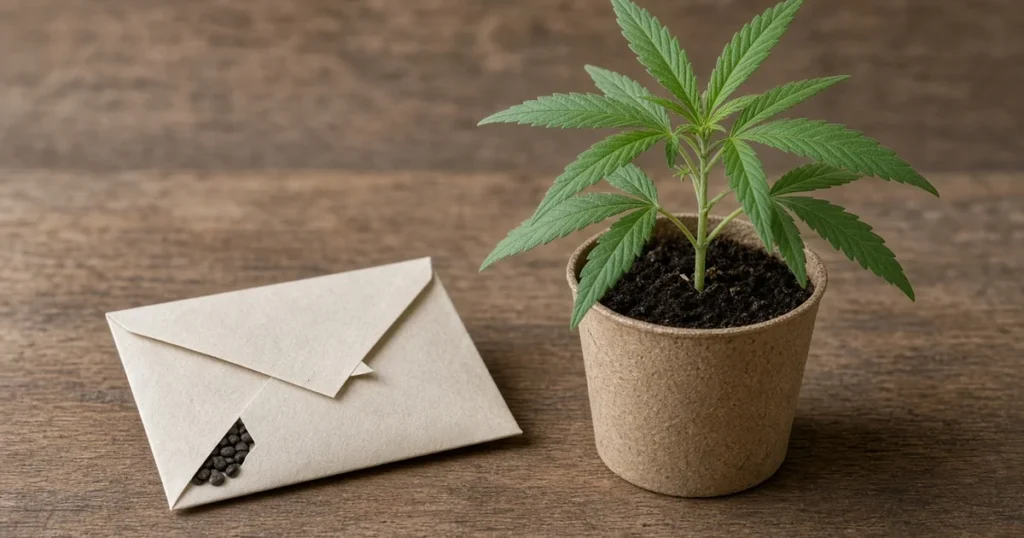
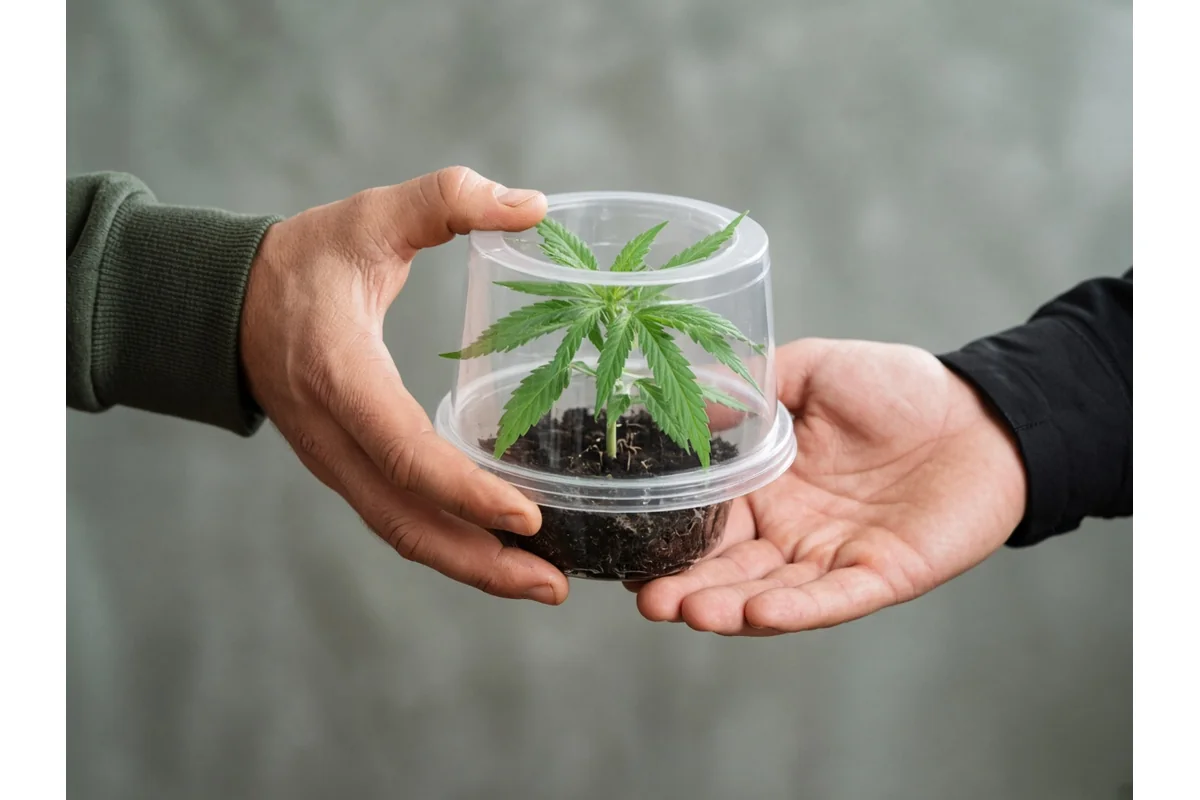
Sharing is a big part of home growing culture. A friend pops a pack of seeds and hands you a few extras. Someone at a garden club has a mother plant and offers a cutting. In states that allow adult home cultivation, these exchanges feel natural. But the law treats a gift differently from a sale, treats seeds differently from plants and treats a handoff across town very differently from a box in the mail. This guide sorts out the general rules so you can share without creating a problem for yourself or the person you give to.
This is general information and not legal advice. State laws change often, so check your state cannabis agency and statute before you give or accept anything.
Why gifts get special treatment
Most adult use states include a gifting clause. It usually says that an adult 21 or older may transfer a limited amount of cannabis to another adult 21 or older without payment or anything of value in return. The point is to allow casual sharing between adults without turning every handoff into an unlicensed sale.
The key words are without remuneration. A gift is only a gift if nothing is exchanged. Paying for a sticker, a cookie or a delivery fee and receiving cannabis as a free bonus is treated as a sale by regulators in several states. The District of Columbia and California, among others, have cracked down on these so called gifting businesses.
Seeds versus clones versus flower
States usually write their limits around plants and usable cannabis, and seeds often sit in a gray area.
| Item | How states commonly treat it | What to watch |
|---|---|---|
| Seeds | Often not counted as a plant until germinated | Federal seed rules change on Dec 11 2026 |
| Clones and seedlings | Often counted as immature plants | Count toward the receiver’s home plant limit |
| Flowering plants | Count as mature plants | Rarely practical to gift, often over limits |
| Dried flower | Covered by gifting clauses up to a set weight | Weight caps differ by state |
Seeds are the simplest thing to share in most legal states because they contain little to no THC and are not usually counted as plants until they sprout. Clones are more complicated because a rooted cutting is a living plant. When you hand someone a clone, it counts against their home plant limit the moment they receive it.
Federal seed rules are changing
Seeds have been sold for years under the federal hemp definition, because ungerminated seeds have very low THC. That landscape is moving. Under the current federal schedule, the synthetic cannabinoid exclusion takes effect on Nov 12 2026, and new THC and container limits along with a seed provision take effect on Dec 11 2026. Our December 11 2026 seed rule explainer covers what the seed change means for buyers. Gifting seeds hand to hand inside a legal state is a different situation from mailing them, but the federal change is worth reading before you plan any exchange.
Examples of how adult use states approach gifting
Every state words this differently. The patterns below are common, but verify the specific numbers on your state agency site.
Colorado and Michigan both allow adults to give cannabis to other adults without payment, within the possession limit. Michigan’s limit for transfers is notably higher than many other states. Both allow home growing and generally allow immature plants to be shared, subject to plant limits at the receiving home.
California allows adults to give away up to the personal possession amount without payment. Six plants per residence is the home grow cap, so any clones you accept count toward that number.
Massachusetts and Maine allow gifting between adults. Both have specific household plant limits, so a clone gift can push a household over the cap if they already have plants.
Washington is the outlier. Adult home growing is not legal there, so gifting clones to a non patient is not allowed, even though adult use stores operate.
Vermont and the District of Columbia allow gifting between adults but have been strict about gift with purchase schemes.
The clone counting trap
The most common way people get into trouble is not with the gift itself but with the count. If a household is allowed six plants and already has four in flower, accepting three clones puts them over the limit. Some states count all plants, some count only mature ones and some set separate limits for mature and immature plants. Know the receiver’s count before you hand anything over.
Our seeds or clones guide compares the two ways to start a garden, and our how to make cannabis clones explains how cuttings are taken if you want to understand what you are sharing.
Never mail cannabis or clones
Shipping cannabis plants or flower through the mail or a parcel carrier is a federal offense regardless of state law. That includes sending a clone to a friend in the same legal state. Keep any exchange of plants or flower in person, local and within state lines.
Seeds are a different conversation because of the hemp framework, but the Dec 11 2026 change means that what was routine may need fresh review.
Practical rules for sharing safely
Keep it adult only. Both people must be 21 or older, and the gift should happen privately, not in public view.
Keep it free. No payment, no trades for goods, no gift with purchase setups.
Keep it small. Stay within the possession and plant limits for both the giver and the receiver.
Keep it local. Hand it over in person inside the state. Do not cross state lines, even between two legal states.
Keep records simple. A home grower who notes when a clone arrived and from where can show plants were never purchased from an unlicensed source.
What about medical patients
Medical programs are often stricter. Many limit transfers to a registered caregiver, and some ban any transfer between patients. Check your medical program rules separately from adult use rules.
Buying seeds instead of trading
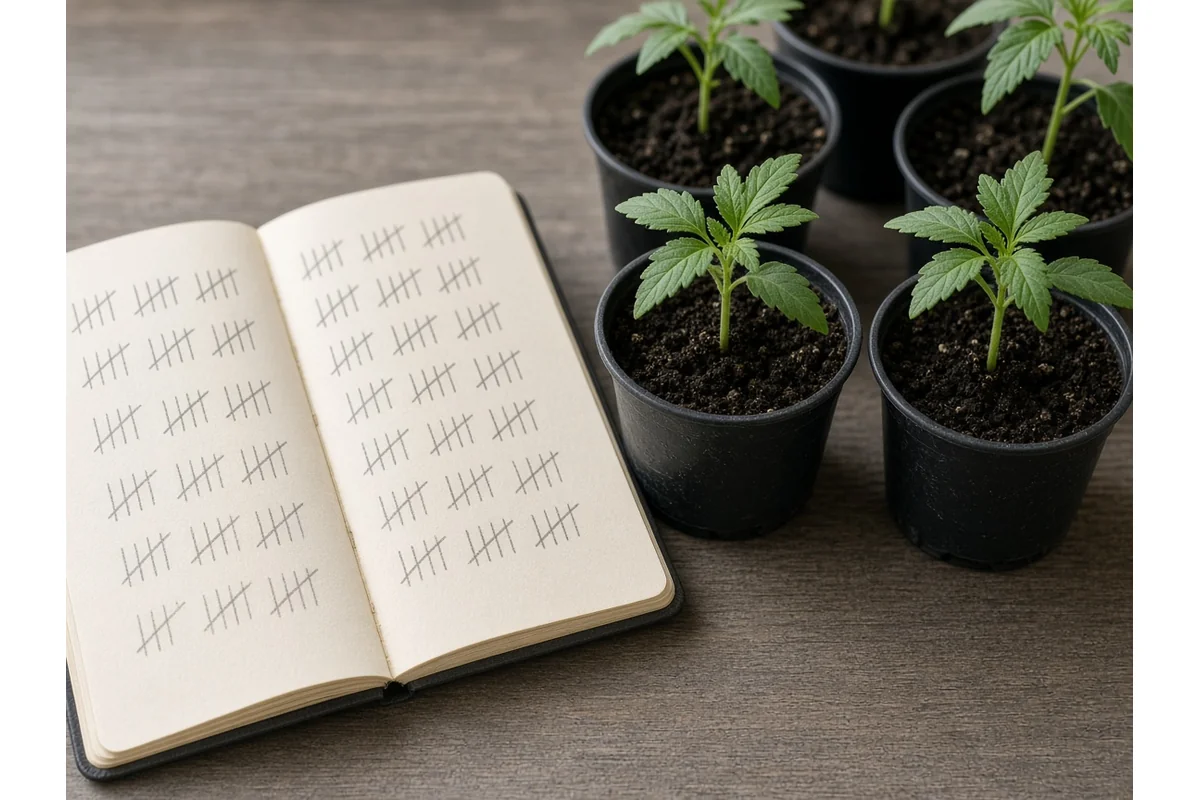
If you are unsure whether a gift is allowed, buying your own seeds from a reputable seller avoids most of the questions. A mixed pack gives you variety without relying on someone else’s cuttings, and it starts your garden from clean genetics rather than a clone that may carry pests.
Grow legally and responsibly
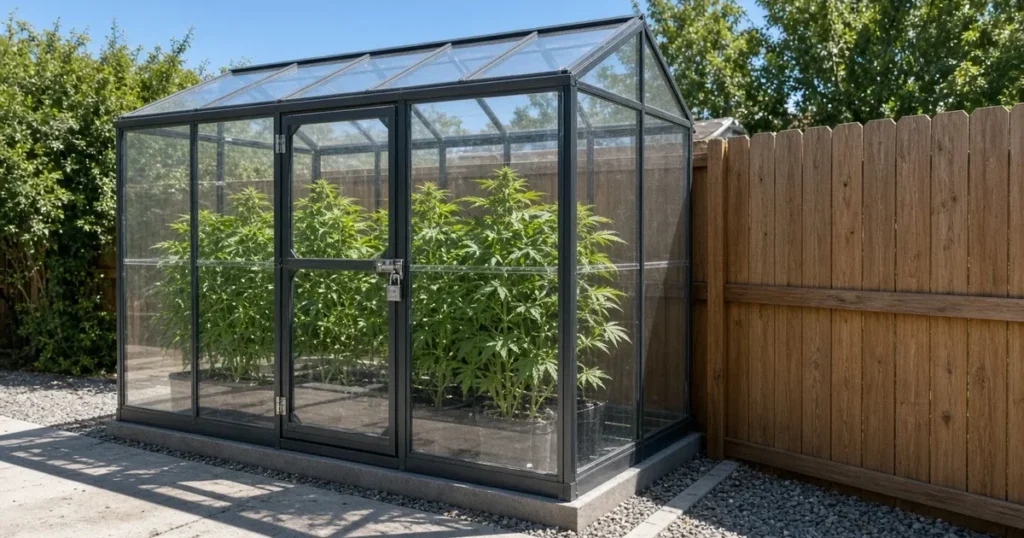
Home cultivation is only legal in some states, and each state sets its own plant limits, locking rules and rules about whether plants can be visible from a public place. You must be 21 or older to buy seeds from Kind Seed Co, and you should grow only where your state and city allow it. Check your state rules in our guide to the legal requirements for growing weed plants in your state before you plant. Federal treatment of cannabis seeds is also changing, so read our December 11 2026 seed rule explainer before you order. Keep plants and harvested flower locked away from children, pets and visitors, and never drive after using cannabis. This article is general information. It is not legal advice and it is not medical advice.
Frequently asked questions
Can I legally give cannabis seeds to a friend?
In many legal states, adults 21 or older can share seeds in person without payment. Check your state rules and the federal seed changes taking effect Dec 11 2026.
Do gifted clones count toward my plant limit?
Yes, in most states a rooted clone counts as an immature plant at the home that receives it.
Can I mail a clone to a friend in another legal state?
No. Mailing cannabis plants or flower is a federal offense, and crossing state lines is not allowed even between two legal states.
Is a free gift with a paid purchase legal?
Usually not. Regulators in several states treat gift with purchase setups as unlicensed sales.
Final thoughts
Sharing seeds and clones can be legal in adult use states when it stays free, small, in person and between adults 21 or older. Watch plant counts on the receiving end, never mail plants and verify your state rules before every exchange.
Ready to start
Browse the full range in the Kind Seed Co shop or go straight to mixed packs. Kind Seed Co sells only to adults 21 and older. Always follow the cannabis laws where you live.