
Nutrients for Cannabis Plants: A Crash Course
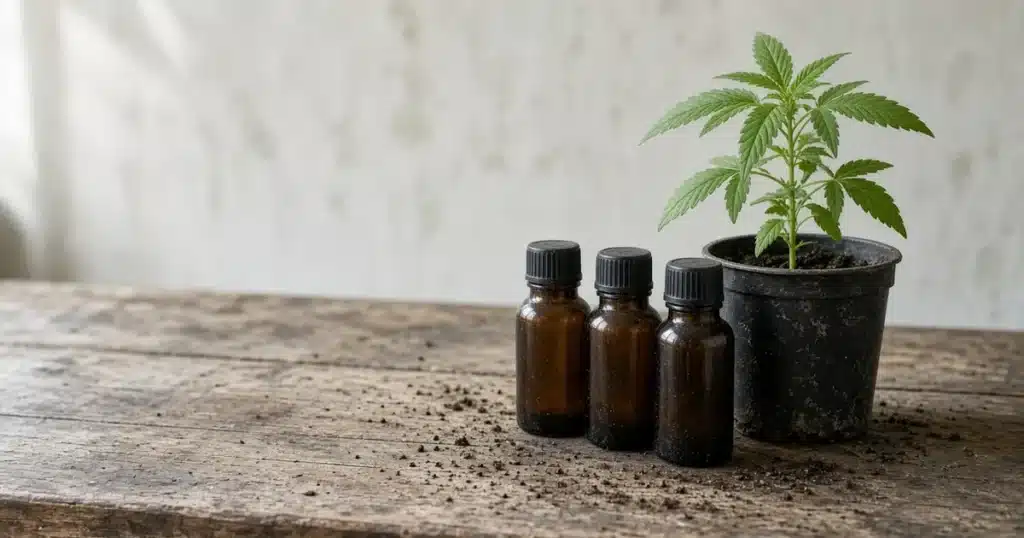
Cannabis needs more than water and light to grow well. It pulls a set of nutrients from the soil or nutrient solution, and each one has a different job. Kind Seed Co put together this crash course on the main, secondary and micro nutrients your plants use, plus simple tips for feeding them through the whole grow.
The big three: nitrogen, phosphorus and potassium
Nitrogen (N), phosphorus (P) and potassium (K) are the nutrients cannabis uses most. Their balance is the NPK ratio printed on most nutrient packages.
Nitrogen
Nitrogen drives the growth of leaves and stems and ties closely to photosynthesis, especially in the vegetative stage. Cannabis needs plenty of it to build a big plant. Too much can hold back bud development later on. Yellowing leaves can point to a lack of nitrogen, while very dark green leaves can mean too much. Our guide to the importance of nitrogen for cannabis plants covers it in more detail.
Phosphorus
Phosphorus supports photosynthesis, nutrient uptake and root growth, and it affects the size and number of buds. Plants use more of it in flower than in veg. Red or purple stems and slow growth can be signs of a shortage. Overloading phosphorus can cause nutrient lockout, which blocks the plant from taking up other nutrients.
Potassium
Potassium helps the plant take up water, keeps stems strong and rigid and plays a part in flower quality and resin. Plants need it at every stage, and most of all in flower. Leaves with yellow edges or brown spots may be short on potassium. Too much potassium can lead to calcium and magnesium shortages.

Secondary nutrients
Calcium (Ca), magnesium (Mg) and sulfur (S) are needed in smaller amounts than NPK, but plants still rely on them.
- Calcium keeps the plant firm, supports cell growth and moves nutrients around. Plants need a steady supply for their whole life. Low calcium can show as brown spots on leaves. Read more in our guide to calcium and cannabis plants.
- Magnesium sits at the center of the chlorophyll molecule, so photosynthesis depends on it. A shortage often shows as yellowing between the veins of older leaves.
- Sulfur goes into amino acids, proteins and vitamins. Low sulfur can turn young leaves pale and slow growth, while too much can make soil too acidic.
Micro nutrients
Trace nutrients such as iron (Fe), zinc (Zn) and copper (Cu) are needed in tiny amounts, yet a plant still struggles without them.
- Iron helps the plant make chlorophyll. Without enough, leaves turn yellow. Too much can leave brown spots.
- Zinc supports stem growth. Low zinc can stunt plants and discolor leaves, and excess zinc can cause an iron shortage.
- Copper takes part in enzyme processes and photosynthesis. A lack of copper can make leaves dark and curl downward, while too much can lead to low iron.

Feeding cannabis the right way
Knowing what each nutrient does is only half the work. How much you give, and how, matters just as much.
Follow the ratio for each stage
Overfeeding and underfeeding both cause problems. The right ratio changes as the plant moves from veg into flower, so follow a stage based plan such as our feeding schedule for cannabis in soil.
Pick an application method
You can feed through the soil or medium, or spray nutrients onto the leaves as a foliar feed. The best choice depends on which nutrient the plant needs and how it is doing.
Regular feeding keeps cannabis healthy
Every nutrient plays its own part, so it pays to learn what each one does and give the right amount. Watch your leaves closely. Our guide on spotting common cannabis deficiencies by their leaves shows what to look for, so you can adjust early and head into harvest with healthy plants.
FAQ
What does NPK mean on cannabis nutrients?
NPK stands for nitrogen, phosphorus and potassium, the three nutrients cannabis uses most. The numbers on a package show the ratio of each.
Do cannabis plants need different nutrients in flower?
Yes. Plants use lots of nitrogen in veg, then need more phosphorus and potassium once they start flowering.
What happens if you give cannabis too many nutrients?
Too much of one nutrient can block the uptake of others, which is called nutrient lockout. Very dark leaves can also signal too much nitrogen.
Can you feed cannabis through the leaves?
Yes. A foliar feed sprays nutrients onto the leaves for a quick boost, while feeding through the soil or medium supplies nutrients over time.


