
The Importance of Nitrogen for Cannabis Plants
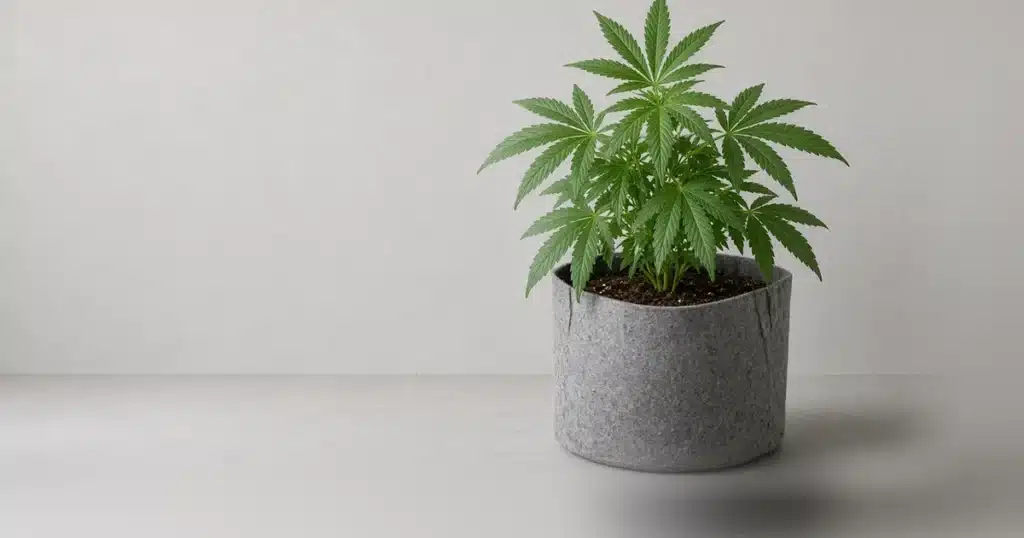
Nitrogen is the nutrient cannabis plants use most during vegetative growth. It helps build the chlorophyll that powers photosynthesis and the proteins that make up new stems and leaves. Kind Seed Co explains what nitrogen does, how to spot too little or too much and how to manage it from veg through flower.
What nitrogen does for cannabis
Photosynthesis
Photosynthesis is how green plants turn light energy into chemical energy, producing glucose and oxygen. Nitrogen is part of chlorophyll, the green pigment that absorbs sunlight, so a plant short on nitrogen cannot photosynthesize at full speed.
Proteins and plant cells
Nitrogen is also a building block of amino acids, which form proteins. Proteins are the main building material of plant cells and run nearly every process inside the plant, from cell structure to enzymes.
Stems, leaves and color
With enough nitrogen, plants grow sturdy stems and plenty of leaves, giving them the lush, bushy look of a healthy cannabis plant. Good nitrogen levels also show up as rich, dark green foliage.
Nitrogen matters most in early veg, when it drives fast, vigorous growth and sets up a strong base for flowering. Later on, other nutrients take the lead and nitrogen needs drop.
Signs of too little or too much nitrogen
Catching a nitrogen problem early can save your crop from serious damage.
Nitrogen deficiency
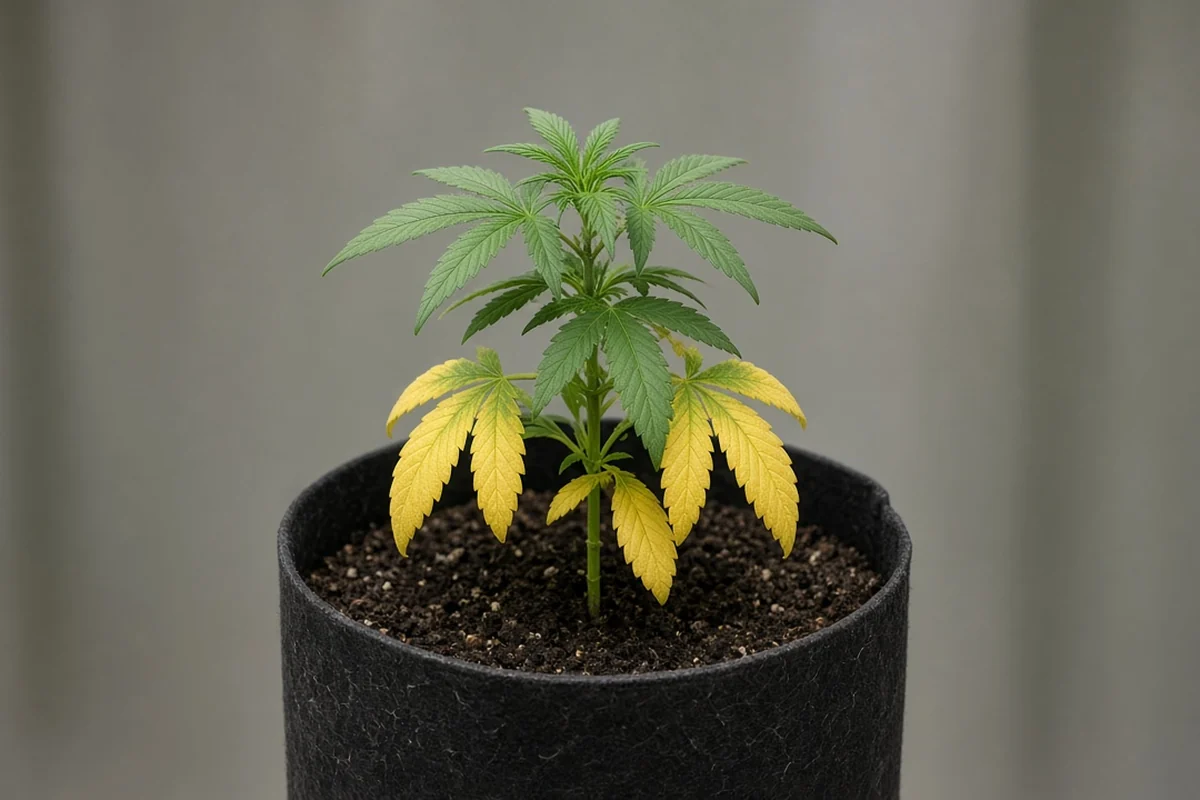
The most common sign is leaves turning pale or yellow, starting with the older, lower leaves and moving up the plant. When nitrogen runs short, the plant pulls it from older leaves to feed its newest growth at the top.
Nitrogen toxicity
Too much nitrogen can be just as harmful as too little. Leaves turn very dark green or even bluish from excess chlorophyll. They may also look glossy and curl down at the tips, a pattern growers call the claw. Overly lush growth from too much nitrogen can also leave plants more open to pests and disease.
| Sign | Too little nitrogen | Too much nitrogen |
|---|---|---|
| Leaf color | Pale or yellow | Very dark green or bluish |
| Where it starts | Older, lower leaves | Across the plant |
| Leaf shape | Normal at first | Glossy, with tips clawing down |
Yellow leaves can point to other problems too. Our guide on how to spot common cannabis deficiencies by leaf helps you tell them apart.
How to manage nitrogen
Choose the right fertilizer
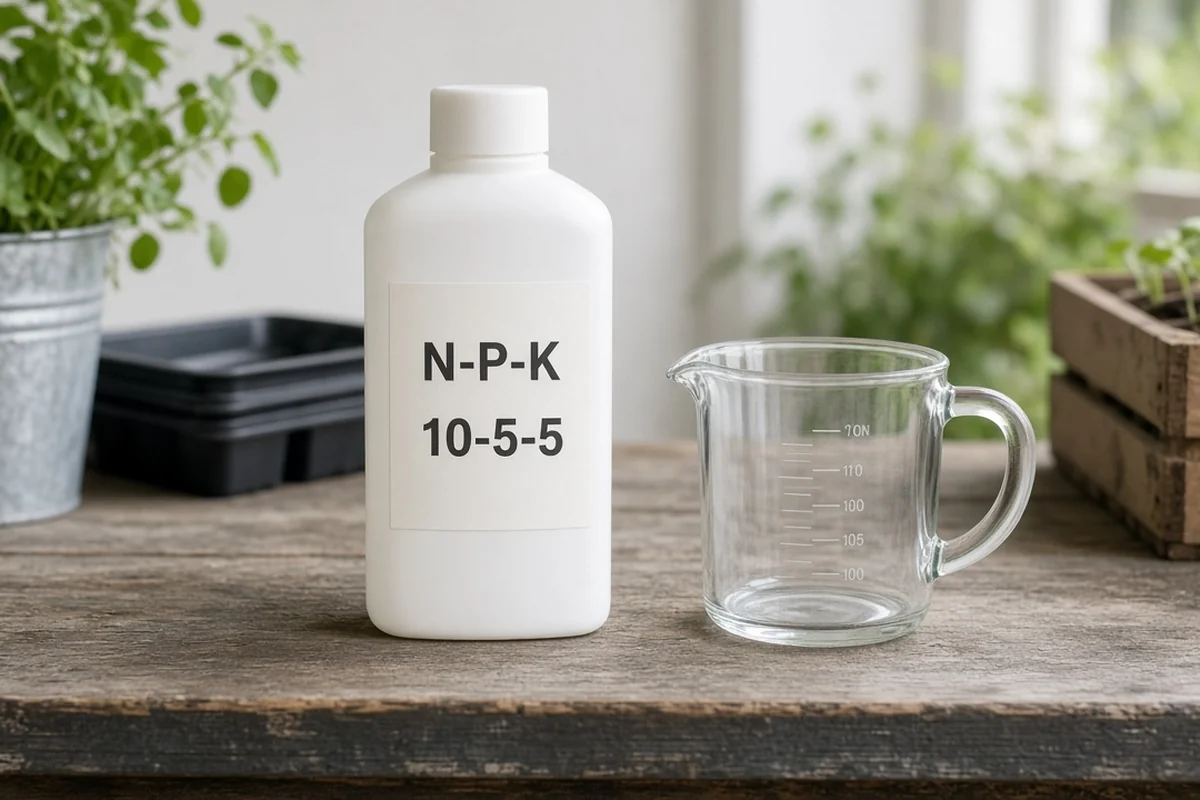
Plenty of fertilizers rich in nitrogen are made for cannabis, in liquid, solid and slow release forms. Check the NPK ratio on the label, which lists nitrogen, phosphorus and potassium in that order. For veg, look for a product with a higher first number. Our feeding schedule for cannabis in soil shows how the balance shifts over a grow.
Feed for the growth stage
- Vegetative stage. Plants need the most nitrogen now, while they put on leaves and stems.
- Flowering stage. Plants need less nitrogen and more phosphorus and potassium for bud development. Most growers cut back on nitrogen or stop adding it. Learn more in our guide to phosphorus deficiency in cannabis plants.
Nitrogen and bud quality
Nitrogen plays a part in producing cannabinoids and terpenes, the aromatic compounds behind each strain’s smell and flavor. Too much nitrogen during flowering, though, can keep the plant pushing leaves when it should be building buds. That is why cutting back on nitrogen in flower matters.
The right amount at the right stage gives you healthy, vigorous plants and a bigger yield without diluting potency. Keep an eye on your leaves, adjust as you go and watch your pH, since the wrong pH can lock nutrients out even when they are in the soil. Our guide on preventing nutrient lockout explains why.
FAQ
What does nitrogen deficiency look like in cannabis?
Yellowing that starts at the bottom and works upward, because the plant moves nitrogen from old leaves to new growth.
What are the signs of too much nitrogen?
Very dark green or bluish leaves, often clawed at the tips, and growth that gets overly lush.
Should you give cannabis nitrogen during flowering?
Only a little, if any. Plants in flower need far less of it than in veg.
How do you know how much nitrogen a fertilizer has?
Check the NPK ratio on the label. The first number is nitrogen, so a higher first number means more nitrogen.


