
What Does X Mean in Strain Names? Cross Notation
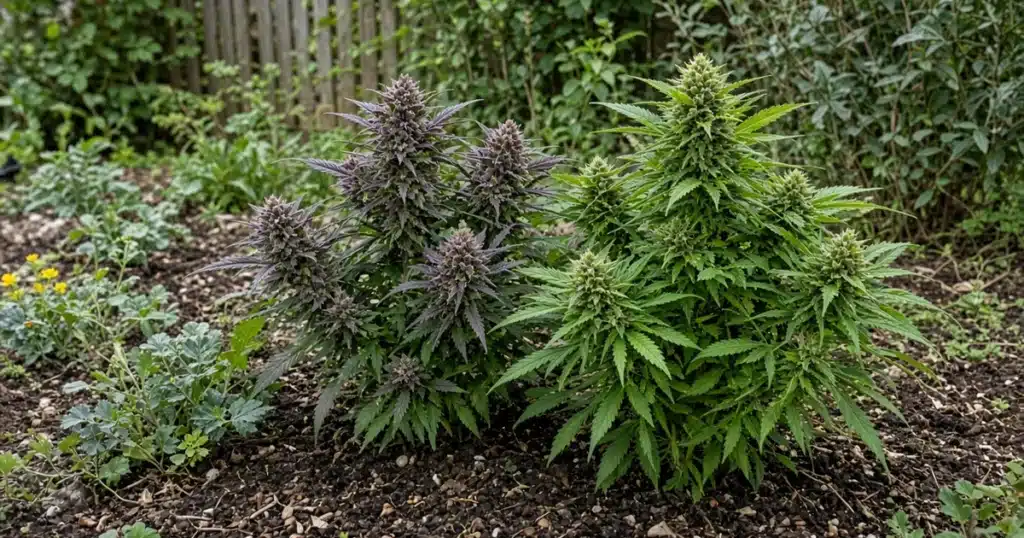
What does x mean in strain names? It means crossed with, so Strain A x Strain B means the seeds came from those two parents. The first name is often the mother, but not always. Short codes add more, such as F1 for a first-generation cross, BX for a backcross and S1 for a selfed plant.
What Does X Mean in a Strain Name?
The x stands for crossed with. When a listing says Parent A x Parent B, the seeds came from pollinating one parent with the other. The x is the common mark plant breeders use for a cross. A name with an x tells you the parents, but not how stable the result is or how many generations of selection it has had. The cannabis terms explained post covers more everyday terms.
Does the Mother Come First in Cross Notation?
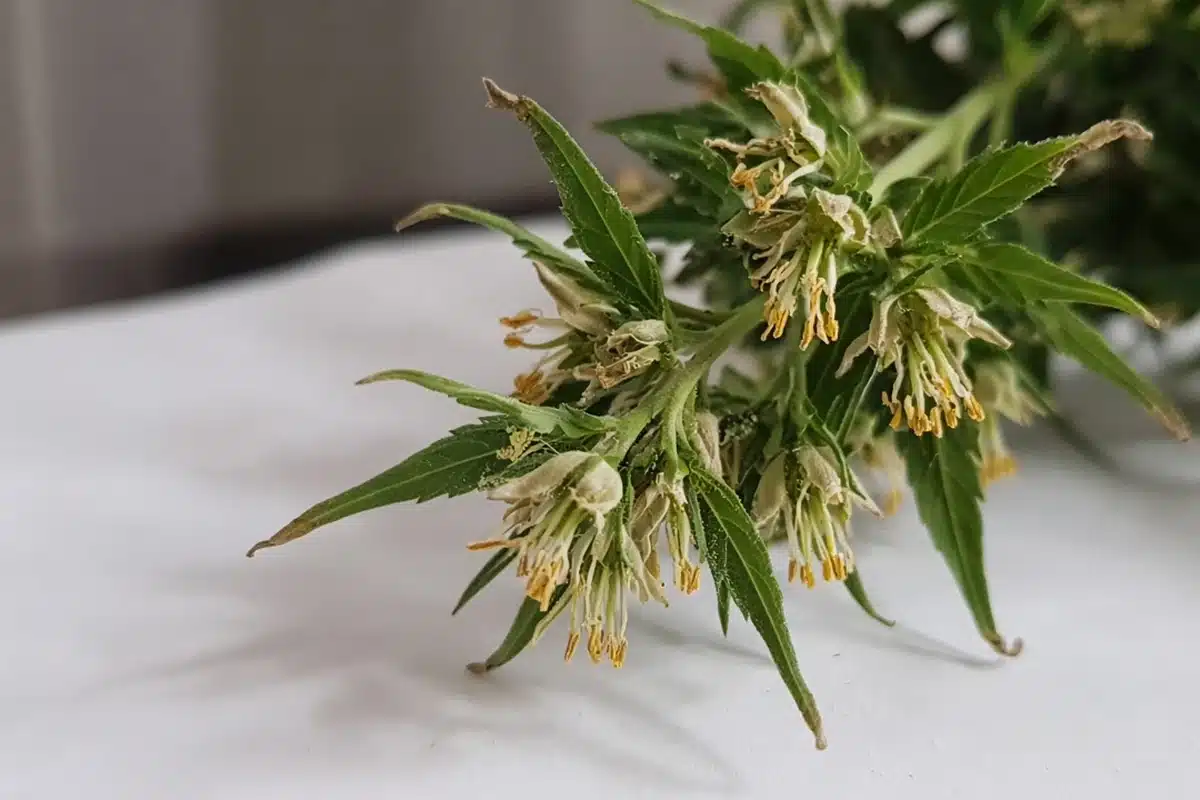
Often, but not always. A common convention is to list the mother, the plant that made the seeds, first and the pollen donor second. Breeders do not all follow it, and some names flip the order for style or history. If the order matters to you, read the breeder’s description or ask. The name alone does not prove which plant was the mother.
What Do F1, BX, S1 and IBL Mean?
These codes add detail. F1 means the first generation from crossing two parents, though breeders can use the label loosely, and the guide to f1, f2 and f3 seeds explains later generations. BX means a backcross, a cross back to one of the parents, often with a number for each round. S1 means seeds made by selfing one plant, so it is both mother and pollen donor. IBL means an inbred line, bred within itself over several generations, though the label alone does not show how many. The post on whether f1 seeds are worth it covers one of these in depth.
Strain Name Codes
| Code | Meaning | Example pattern |
|---|---|---|
| x | Crossed with | Parent A x Parent B |
| F1 | First generation from two parents | Name F1 |
| BX | Backcross to a parent | Name BX1 |
| S1 | Selfed seeds from one plant | Name S1 |
| IBL | Inbred line | Name IBL |
| Auto / Fem / Reg | Autoflower, feminized, regular | Name Auto |
What Do Auto, Fem and Reg Mean on Seed Names?
These words describe the seed type, not the parents. Auto means autoflower, a plant that flowers with age rather than day length. Fem means feminized, sold as seeds meant to grow into female plants. Reg means regular, seeds that can grow into males or females. A name can carry both a cross and a seed type, such as Parent A x Parent B Auto. The example names in the table are placeholders, not real strains.
Reading listings for your next grow? Compare f1 cannabis strains and feminized seeds with these codes in mind.
Sources
No outside study is cited on this page. It explains common naming conventions used by growers and breeders, and conventions can vary.
Naming conventions vary between breeders, so read these strain name notes from Kind Seed Co as general information only.
FAQ
What does a number after a strain name mean?
It depends on the breeder. A number can mark a generation, as in F2 or BX2, a selected plant from a seed run, or simply part of the name. When the number follows a code like F or BX, it usually counts generations or rounds. When it stands alone, read the breeder's description to learn what it means.
What does cut mean in cannabis?
A cut is a clone taken from a specific plant. When growers say a strain is a cut, they mean it is kept alive by cloning one selected plant rather than grown from seed. Every plant from that cut shares the same genetics. A cut itself is kept as clones, and seeds made from it are new plants.
Is a strain with x in the name unstable?
Not necessarily. The x only shows that two parents were crossed. A fresh cross can produce plants that vary a lot, while a line that has been selected for many generations may grow more evenly. The name does not tell you which. Read the breeder's notes on how many generations the line has had.
What does pheno mean in a strain name?
Pheno is short for phenotype, the traits one plant shows. When a name includes pheno, often with a number or a word, it usually points to one plant picked from many seedlings of the same cross. That pick may differ in aroma, size or shape from its siblings. The tag helps growers tell selected plants apart.


