
Cannabis Stem Rub: What It Tells You About Aroma
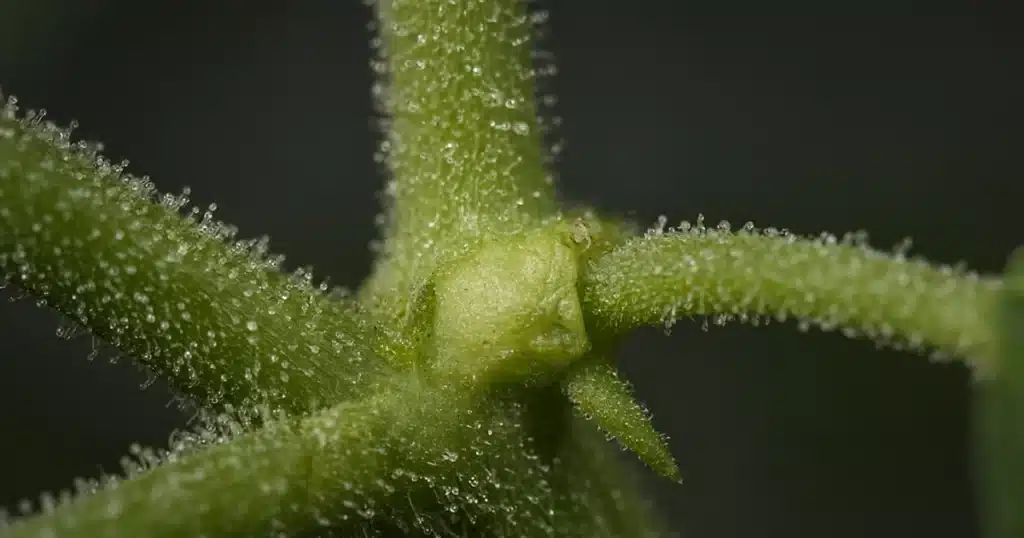
A cannabis stem rub means gently rubbing a stem or leaf near a node and smelling the resin left behind. Growers use the smell as an early clue when comparing plants, though how well it matches later aroma is untested. Drying research shows some monoterpenes are lost, so cured buds can smell different.
What Is a Cannabis Stem Rub?
A stem rub is a quick aroma check. Growers gently rub a stem or leaf near a node and smell the resin left behind. Leaves carry resin glands well before flowers form. A 1981 UNODC study found small glandular trichomes on vegetative cannabis leaves, with the larger stalked glands associated with flowers (UNODC Bulletin on Narcotics).
How Do You Do a Stem Rub Without Hurting the Plant?
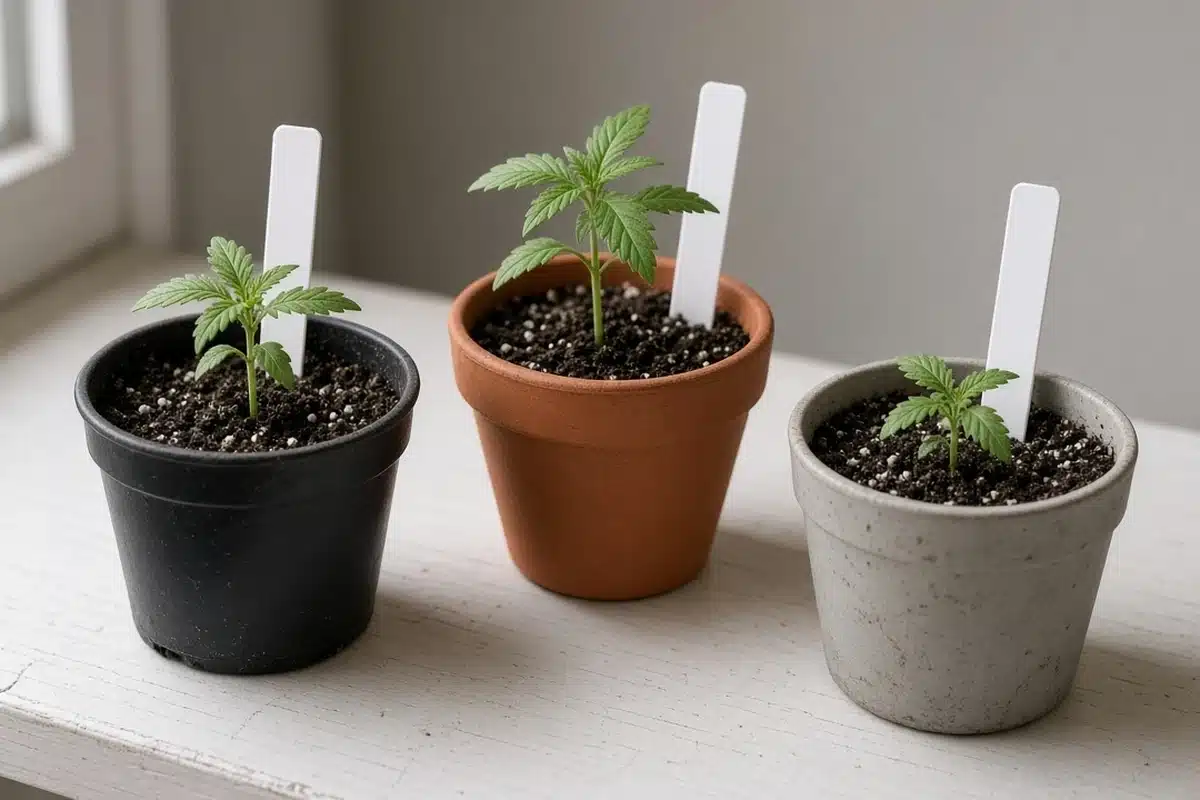
Growers use a gentle touch. Pick a firm green stem or node, rub it lightly with clean or gloved fingers, and smell your fingers. Rubbing too hard can bruise or snap young stems. Washing hands or changing gloves between plants keeps the smells from mixing. The table below sets out the steps.
Stem Rub Steps
| Step | What to do | Why |
|---|---|---|
| 1 | Pick a firm green stem or node | Firm stems are less likely to snap |
| 2 | Rub gently with clean or gloved fingers | Avoids snapping the stem |
| 3 | Smell your fingers | Keeps your nose off the plant |
| 4 | Note the smell for each plant | Builds a record for selection |
| 5 | Confirm later with flower and cure | Stem smell can change |
Does Stem Rub Predict Bud Smell?
Not reliably. A 2024 study on drying cannabis flower, not stem rubs, found that some monoterpenes such as myrcene and limonene are lost during drying, and that the loss depends on drying conditions and on the chemovar (Drying study 2024). That study did not test veg smells, but it shows aroma can shift after harvest, so a smell in veg may not match dried and cured buds. The finished flower is the real test. The ultimate terpenes guide explains the main aroma compounds.
How Do Growers Use Stem Rubs When Pheno Hunting?
Growers use stem rubs to note early differences between plants from the same seed pack. They record a smell for each plant, keep clones from the most promising ones, and confirm the choice after harvest. The guides to selecting a phenotype and how to make cannabis clones cover the next steps. Stem rubs are untested as a selection tool.
Starting a hunt? Mixed packs and regular and feminized seeds give you a range of plants to compare.
Sources
Sources below are a historical UNODC leaf study and a peer-reviewed cannabis drying study. The stem rub method itself is grower practice.
- UNODC Bulletin on Narcotics 1981 Issue 3, trichomes and cannabinoid content in developing Cannabis leaves
- In Pursuit of Optimal Quality: Cultivar-Specific Drying Approaches for Medicinal Cannabis, 2024 (PMC11013261)
Behind this stem rub page are published research and grower practice, and Kind Seed Co keeps it to general growing information.
FAQ
When is a plant old enough for a stem rub?
Grower practice is to wait until the stems are firm and green; there is no set age. Very young, soft stems can bend or snap. The UNODC leaf study found small glands on vegetative leaves, but it did not test smell, so a seedling may simply give little to compare.
Can a stem rub damage the plant?
It can if you rub too hard. A rough rub can bruise the stem or snap a soft stalk. A light touch with clean or gloved fingers is enough. Growers usually skip plants that look stressed and avoid rubbing the same spot over and over.
Why does my stem rub smell like nothing?
Some plants have little smell in veg. Young growth carries smaller glands than flowers, and a soft stem may not release much resin. Growers usually try again later in veg on a firmer node. A weak stem rub does not mean the finished flowers will lack aroma.
Is stem rub useful on autoflowers?
It can be, but timing is tight. Autoflowers move from veg to flower quickly, so there is less time to compare plants and take clones. Growers who stem rub autoflowers tend to do it early and note the results for seed selection later, since keeping a clone of an autoflower is not a common path.


