Grow Light Rebates: How Utility Efficiency Rebates Work

The short answer
Many US utilities offer energy efficiency rebates, and grow light rebates can cover part of the cost of efficient LED fixtures. Utility programs often require fixtures listed on the DesignLights Consortium horticultural list. Programs differ by utility, so check your provider’s offer, confirm the fixture is listed and apply before you buy.
A rebate can take a real bite out of the price of a new LED. It takes a little paperwork, and the order of steps matters.
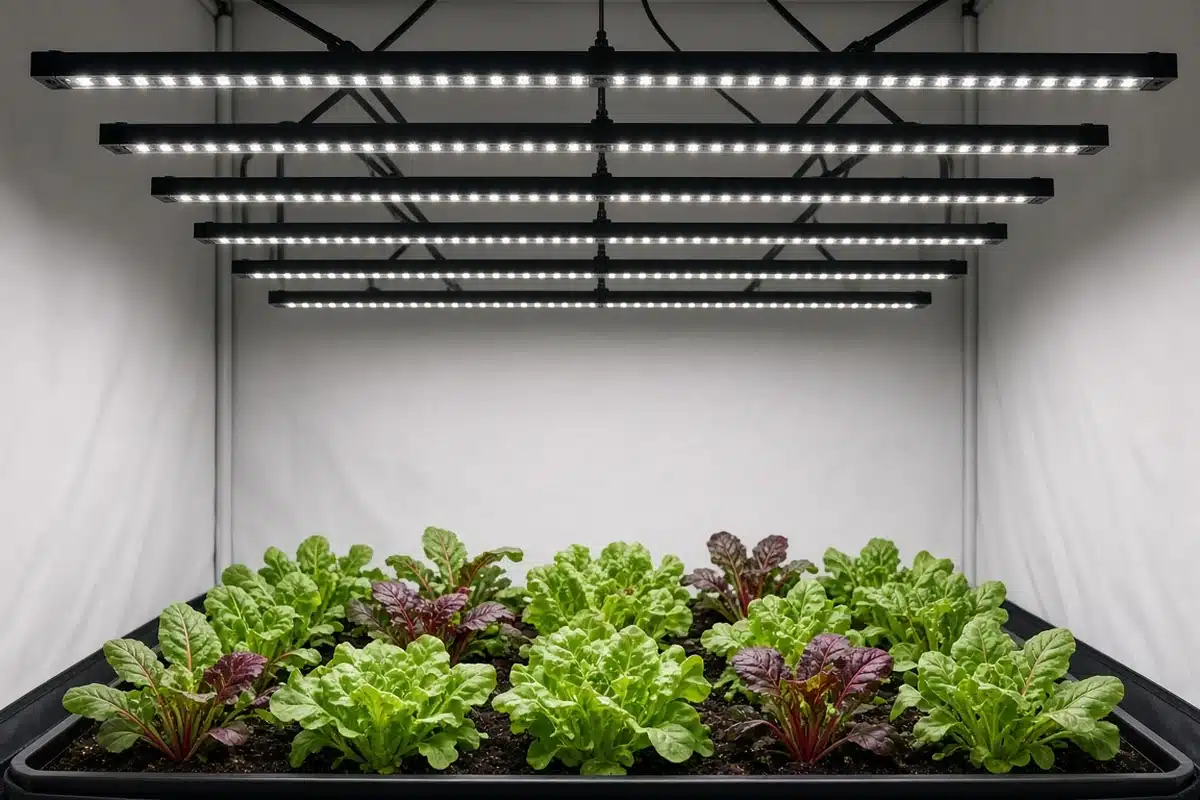
How do grow light rebates work?
Utilities run efficiency programs to lower demand on the power grid. When customers swap old lighting for efficient fixtures, the utility may pay part of the cost.
For grow lights, programs often pay a set amount per fixture or per watt saved. Some pay a share of the price. Some programs are aimed at commercial growers, while others are open to homes.
The DesignLights Consortium horticultural lighting page explains its role. The DLC sets performance standards for horticultural LED fixtures and maintains a list of products that meet them. The page says the DLC verifies the performance of listed products.
Programs change over time. Funds can run out partway through a year. Rules for who can apply vary.
Which fixtures qualify?
The DLC quick facts sheet says nearly 700 utility and efficiency programs require its qualified products lists for rebate eligibility. The DLC quick facts sheet describes the group as a nonprofit that sets efficiency standards for lighting. Utilities across North America rely on its lists.
To get on the list, a fixture must meet a minimum efficacy. Efficacy measures how much plant usable light a fixture makes per watt. The maker submits data, and the DLC reviews it.
Check the exact model number. A maker may list one version of a fixture but not another. A small change in wattage or driver can mean a different listing.
Many older fixtures, such as high pressure sodium, don’t qualify for new purchase rebates. The aim is to move growers toward efficient LEDs.
Our post on grow light electricity cost shows how efficient fixtures lower ongoing power bills as well.
How do you find a program?
Start with your electric utility’s website. Search for terms such as efficiency, rebates or incentives. Look for lighting or horticulture sections.
Call the utility if the website is unclear. Program staff can tell you whether grow lights are covered and whether homes qualify.
Some states and cities run their own programs on top of utility rebates. Ask whether offers can be combined.
| Step | What to check | Source |
|---|---|---|
| Find a program | Your utility’s efficiency offers | Your utility program |
| Check fixture | Model on the DLC horticultural list | DesignLights Consortium |
| Read the rules | Who qualifies and deadlines | Your utility program |
| Save records | Spec sheet and receipt | Your utility program |
Sources: DesignLights Consortium.
How do you apply?
Read the program rules before you buy, and some programs need approval before purchase. Others pay after you buy and install.
Save the spec sheet for the exact fixture, and many forms ask for the DLC listing number.
Save your receipt or invoice. It should show the model, quantity and price.
Fill out the form fully. Missing details are a common reason for delays.
Submit on time. Many programs set a deadline after purchase.
Save copies of everything until the program closes your claim.
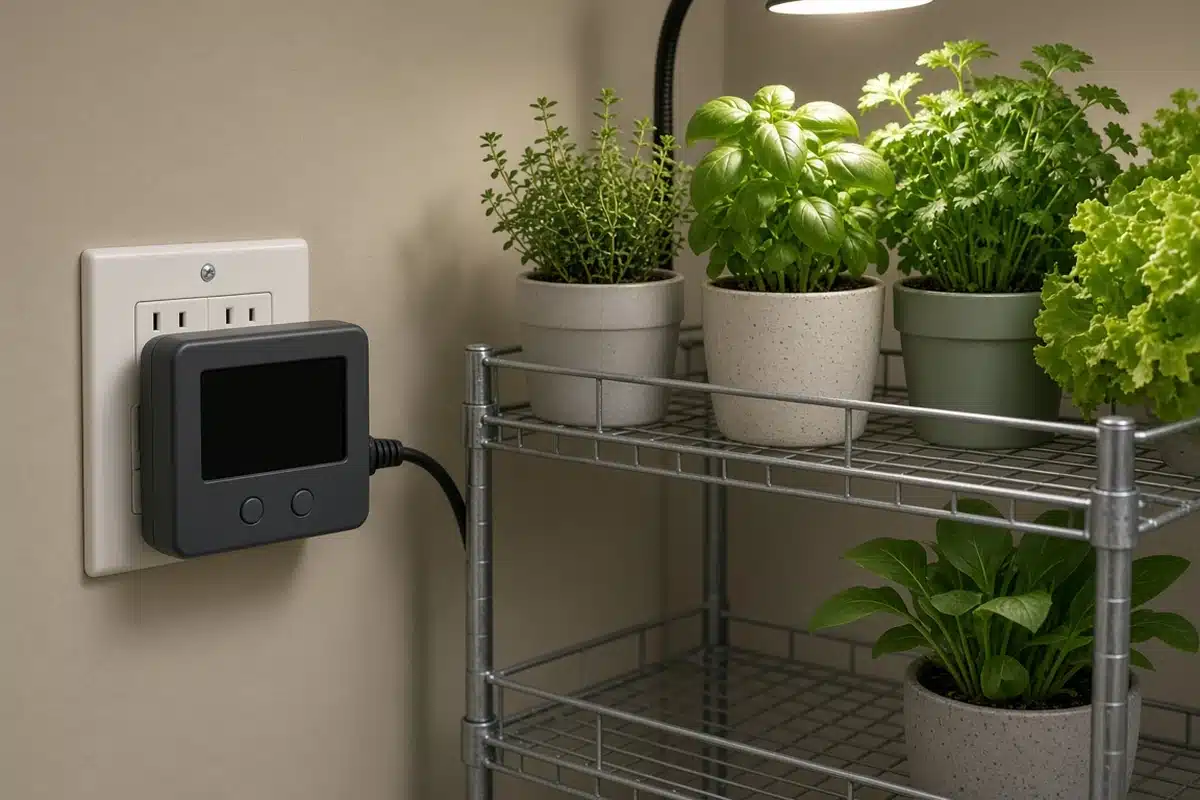
What do rebates usually pay?
Amounts vary widely. Some programs pay a flat sum for each fixture. Others pay based on the wattage you replace or the energy you save over a year.
Commercial programs often use a custom calculation. The utility compares your old lighting load with the new one and pays on the difference.
Home programs, where they exist, tend to be simpler. A fixed amount per fixture is common.
Ask whether the program caps the total rebate. Many set a limit per customer or per project.
How to: step by step
- Check your electric utility’s efficiency programs.
- Read the program rules for grow lights.
- Confirm the fixture is on the required listing.
- Save the spec sheet and receipt.
- Submit the application on time.
- Hold on to records until the program closes your claim.
Is a listed fixture worth it without a rebate?
Listed fixtures meet a set level of efficiency. That alone has value. An efficient fixture uses less power for the same light and runs cooler.
Our guide to choosing the right LED lights for your grow explains how to read spec sheets and compare fixtures.
Efficient lighting is part of a lower impact grow. Our post on creating a sustainable and eco friendly grow room covers more ways to cut energy use.
Troubleshooting
Rebate denied. The fixture isn’t listed. Check the list before you buy.
Program closed. Funds ran out. Apply early in the program year.
Missing paperwork. There’s no spec sheet. Save all documents from the start.
Wrong model listed. The fixture version differs. Match the full model number.
Slow payment. Programs take time to process. Follow up with the utility if it runs long.
A few steps up front can lower the cost of better lighting. Kind Seed Co carries cannabis seeds for growers planning an efficient indoor setup.
Sources
- Horticultural lighting, DesignLights Consortium, Horticultural lighting
- DLC quick facts, DesignLights Consortium, DLC quick facts
FAQ
Do home growers qualify for rebates?
Some programs include homes, while others serve only businesses. Ask your utility which applies to you.
Are rebates the same everywhere?
No. Each utility sets its own amounts, rules and deadlines.
Do rebates cover installation?
Some do and some do not. Read the program rules or ask the utility.
How long do rebates take?
Processing time varies. Save copies of your forms and follow up if needed.
Can I combine rebates?
Sometimes. Ask whether a utility rebate can stack with a state or city offer.