
IBL Cannabis Seeds: What Inbred Lines Mean
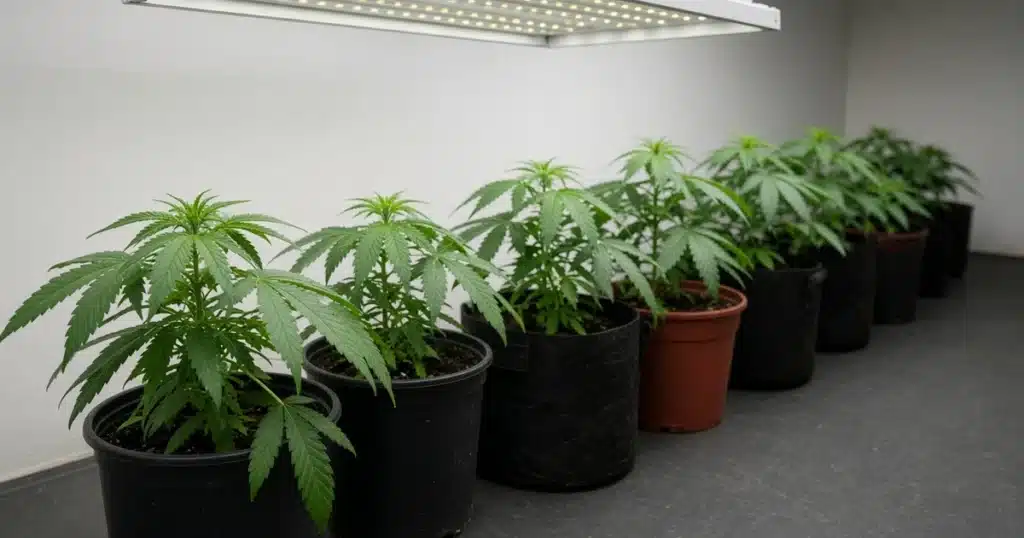
IBL cannabis seeds come from an inbred line, a strain bred to itself for many generations until its plants grow alike. Plant breeding texts show that self-pollination halves the share of heterozygotes at a gene each generation. Many cannabis lines are bred through sibling crosses instead, which in textbook models reduce variation more slowly.
What Does IBL Mean in Cannabis Seeds?
IBL stands for inbred line. On a seed listing, it means the breeder has crossed plants within the same line for many generations, selecting for the traits they want, until offspring look and grow much alike. The aim is a line that varies less from seed. That contrasts with a fresh cross between two different parents. Our guide to F1, F2 and F3 seeds explains how those generation labels work.
How Is an Inbred Line Made?
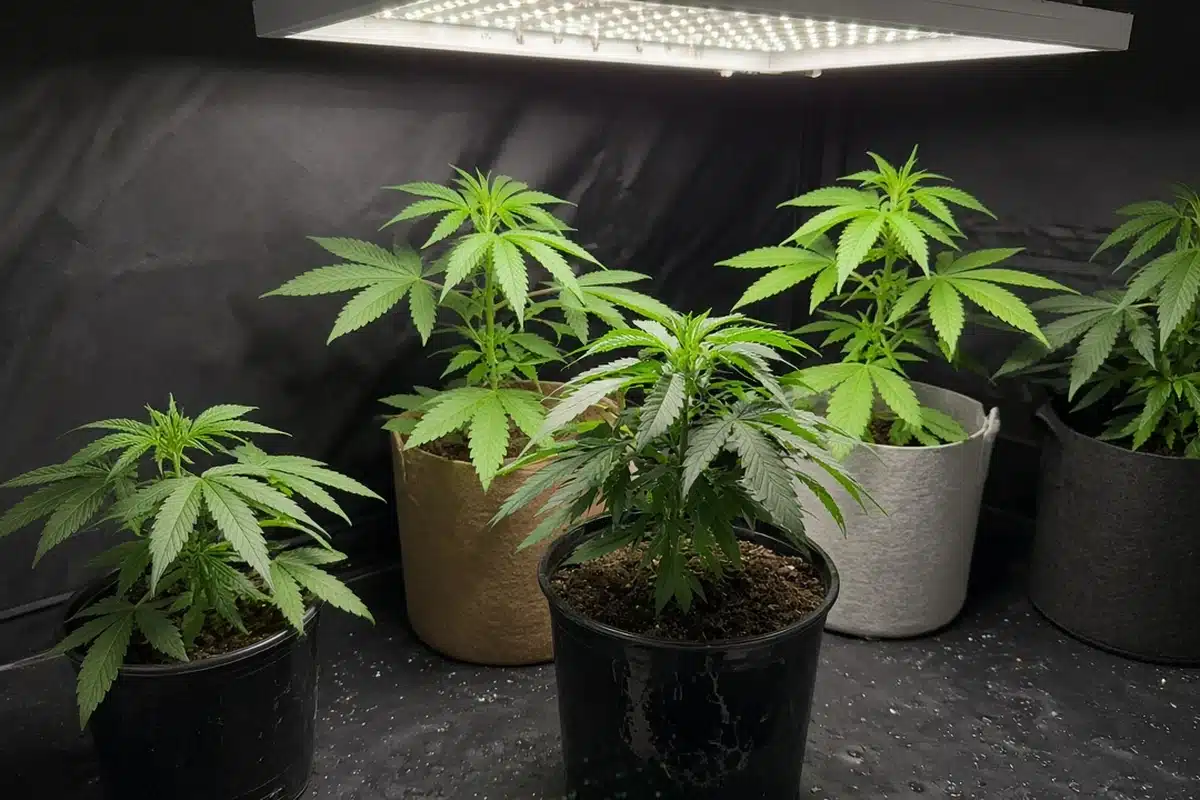
A breeder picks plants with the wanted traits, crosses them within the line, grows out the seeds and selects again. Each round removes plants that stray and narrows the gene pool. Iowa State’s Crop Genetics text lists self-pollination, half-sib mating, full-sib mating and backcrossing as mating systems that promote inbreeding (Iowa State Crop Genetics). Selecting good parents each round matters as much as the crossing, which our guide to selecting a phenotype covers.
How Uniform Are IBL Plants?
Under selfing, expected uniformity rises each generation. Iowa State’s chapter shows that self-pollination cuts the share of heterozygotes at a gene by half each generation, following (1/2) to the power of n (Iowa State Crop Genetics). With many genes in play, full uniformity takes longer. For 10 segregating genes, the chapter’s Table 3 gives 26.31 percent fully homozygous plants at F4, 72.79 percent at F6 and 92.45 percent at F8. These are textbook selfing values, not measured cannabis results.
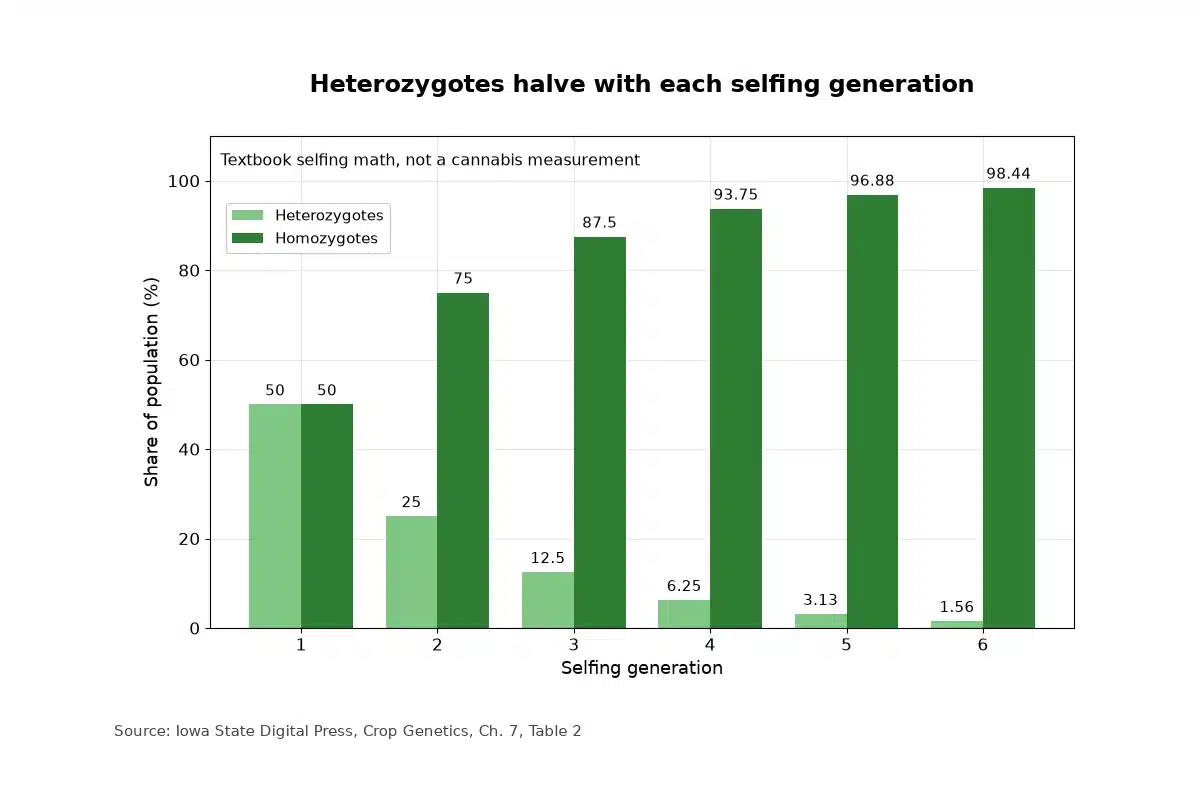
Share of heterozygotes at one gene by generation of selfing
Source: Iowa State Digital Press, Crop Genetics, Ch. 7 Inbreeding and Heterosis, Table 2 formula (1/2)^n. Textbook selfing math, not a cannabis measurement. Chart y axis runs from 0 to 100 percent.
| Selfing generation | Heterozygotes (percent) | Homozygotes (percent) |
|---|---|---|
| 1 | 50.0 | 50.0 |
| 2 | 25.0 | 75.0 |
| 3 | 12.5 | 87.5 |
| 4 | 6.25 | 93.75 |
| 5 | 3.13 | 96.88 |
| 6 | 1.56 | 98.44 |
How Is an IBL Different From an F1 Hybrid?
An F1 hybrid is the first cross between two different parents. F1 plants from two stable parents can be uniform and may show hybrid vigor, which the same chapter calls heterosis. Their seeds, though, will segregate in the next generation. A well-advanced IBL should vary less than a fresh cross, but some variation remains, as the textbook values above show. Our guide to seed breeders covers how breeders build and keep lines.
Want to explore more uniform genetics? See our regular seeds and branded seeds.
Sources
The source below is a general plant breeding text, not a cannabis study. Its values are textbook expectations, not cannabis measurements.
Uniformity is not promised here. Kind Seed Co explains textbook breeding math as general genetics information.
FAQ
Are IBL seeds the same as landrace seeds?
Not quite. A landrace is a local population that adapted over a long time in one region, usually with little formal breeding. An IBL is bred on purpose by selecting and crossing within a line for many generations. A landrace can be the starting point for an IBL, but the two labels describe different things.
Do IBL strains have hybrid vigor?
Usually less than a fresh F1 cross. Hybrid vigor, called heterosis, is linked to crossing different parents, while inbreeding can lower vigor through inbreeding depression. Iowa State's chapter notes inbreeding depression is more common in cross-pollinated species. Breeders select hard within a line to keep plants healthy as it becomes more uniform.
Can you make seeds from an IBL?
Yes. Seeds made by crossing plants from the same line tend to vary less than seeds from a fresh cross, but they are not identical. That is one reason breeders value them. Crossing an IBL with a different line makes a new F1 hybrid instead, which brings the traits of both parents together in one generation.
Why would a grower choose an IBL?
Growers pick IBLs for consistency. Plants from a stable line tend to share height, structure and timing, which makes a grow easier to plan and a canopy easier to keep even. Breeders also use IBLs as parents. No line is perfectly uniform, so some variation between plants is still normal.


