
Moles in Cannabis Gardens: Signs and Control
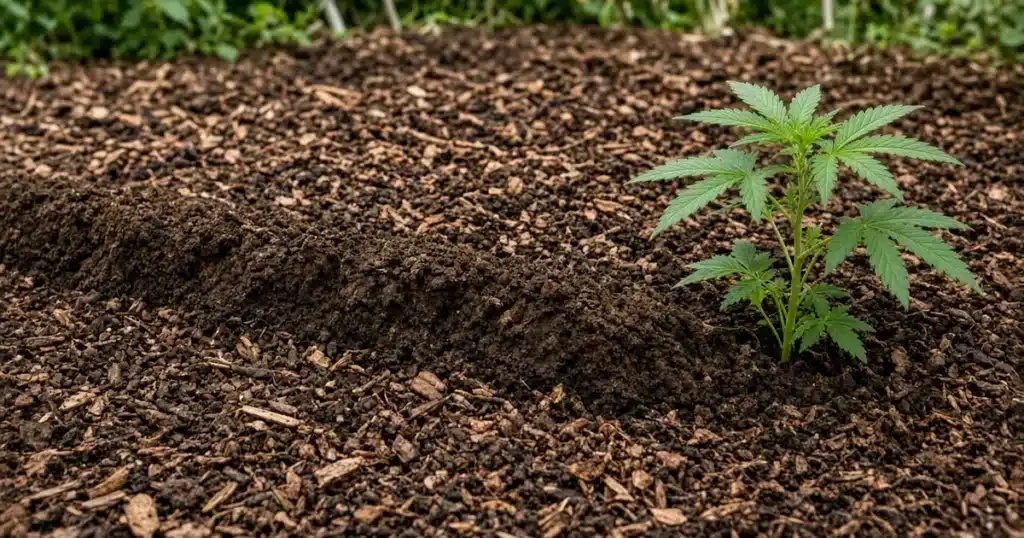
Moles in cannabis gardens rarely eat the plants, yet they can still ruin a bed. Their tunneling lifts soil, dislodges young roots and leaves pockets of air where roots dry out. UC IPM notes that by far the greatest damage from moles comes from burrowing, not feeding. The good news is that moles leave clear signs, and once you know how to read them you can decide whether to live with them, block them or remove them.
Meet the mole
Moles are often mistaken for rodents, but they are not. University of Maryland Extension describes the eastern mole as an insectivore related to shrews and bats. UC IPM describes moles as having cylindrical bodies, slender pointed snouts, short tails, spade-like front feet, poorly developed eyes and no visible ears. Their fur is short, dense and velvety.
Their diet explains their behavior. University of Maryland Extension says a mole eats 70 to 100 percent of its body weight in insects, mostly grubs and worms, every day, and must eat almost constantly to fuel its digging. UC IPM adds that moles may occasionally eat roots or bulbs, but rodents such as pocket gophers, voles and deer mice are almost always behind real chewing damage.
Moles also tend to live alone. UC IPM notes that because they are territorial, there is usually only one mole per tunnel outside of the breeding season in late winter and early spring. A yard full of ridges may be the work of fewer animals than it looks.
Mole, vole or gopher?
Getting the culprit right matters, because the fixes differ. Use these signs:
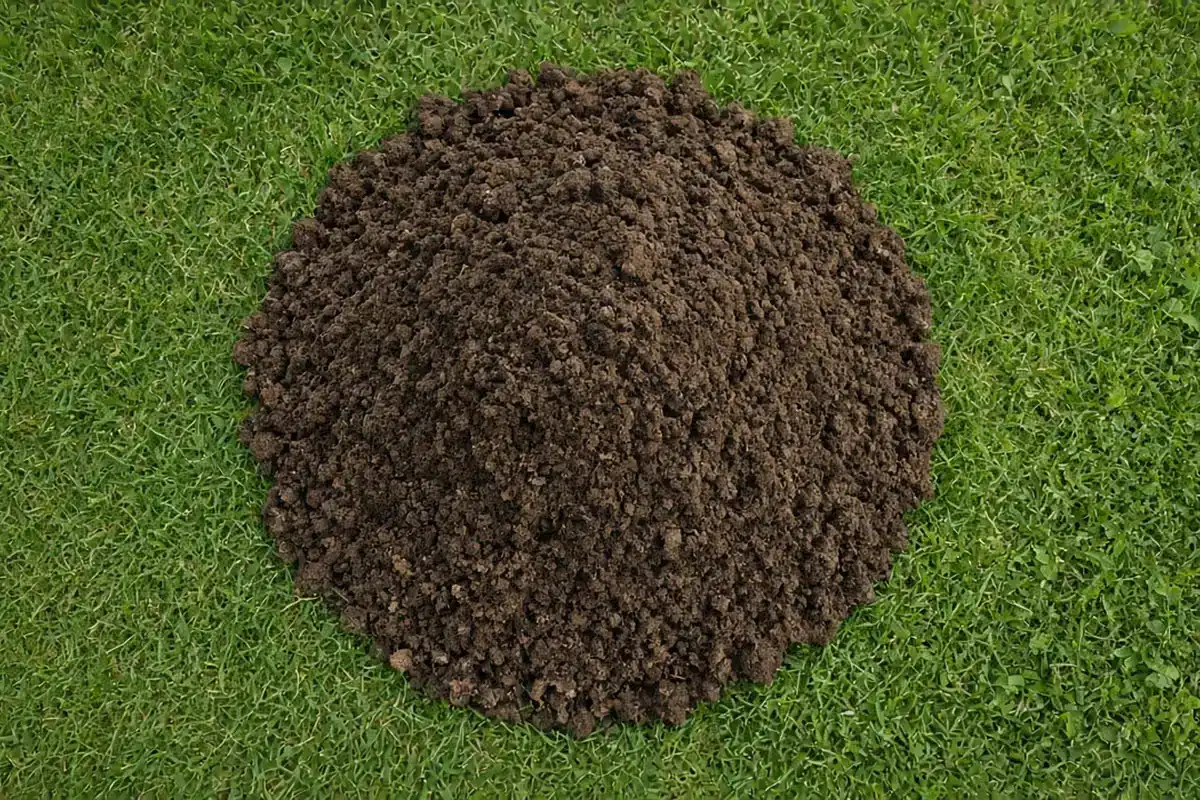
- Moles push up raised ridges just below the surface and make mounds that UC IPM describes as more circular than gopher mounds, often in a line over the tunnel and made of small chunks of soil.
- Pocket gophers leave mounds that UC IPM describes as tending toward a crescent shape. They eat roots, so plants may wilt or disappear.
- Voles chew plants. University of Maryland Extension notes that damage blamed on moles is in most cases caused by voles.
If stems are gnawed or roots are eaten off cleanly, look past the mole. If the soil is heaved and roots are left hanging in air pockets, a mole is the likely cause.
How mole tunnels work
University of Maryland Extension explains that the mole’s food-searching runways run just beneath the surface, while the burrows where it actually lives are usually about eight inches deep. UC IPM describes the deeper tunnels as about 2 inches across and 8 to 12 inches below the surface.
Some surface runs are used only once. The deeper tunnels are reused almost permanently, which is why they matter so much for trapping. UC IPM also notes that moles are active all year, that surface activity slows in extreme cold, heat or drought, and that activity usually peaks after rain or watering when digging is easiest. In a cannabis bed, that means fresh ridges often appear right after you irrigate.
How to find active tunnels, step by step
Before doing anything else, find out which tunnels are in use. Both sources describe nearly the same method.
- Walk the bed and the lawn edges and flag every ridge and mound you can see.
- Press down short sections of surface ridge and flatten fresh mounds with your foot.
- Check the next day and note which sections have been raised again.
- Repeat for a few days. UC IPM recommends observing daily and retamping raised sections to map activity.
- Probe between and beside fresh mounds with a slender rod or stick to find deeper tunnels. When the soil suddenly gives way, you have likely hit the burrow.
- Mark the tunnels that are reopened most often. These are your control points.
Deciding whether to act
University of Maryland Extension points out that moles help control lawn pests and aerate soil while searching for food, that mole activity can be seasonal and often stops on its own, and that in many cases no control is needed. A mole passing along the edge of a lawn may not be worth chasing.
A cannabis bed is different. Young transplants have small root balls, and a single pass of a tunnel underneath can leave them loose and drying. UC IPM advises acting as soon as you see an active mound or surface tunnel in an area where damage cannot be tolerated, then watching for new activity afterward.
Barriers that keep moles out
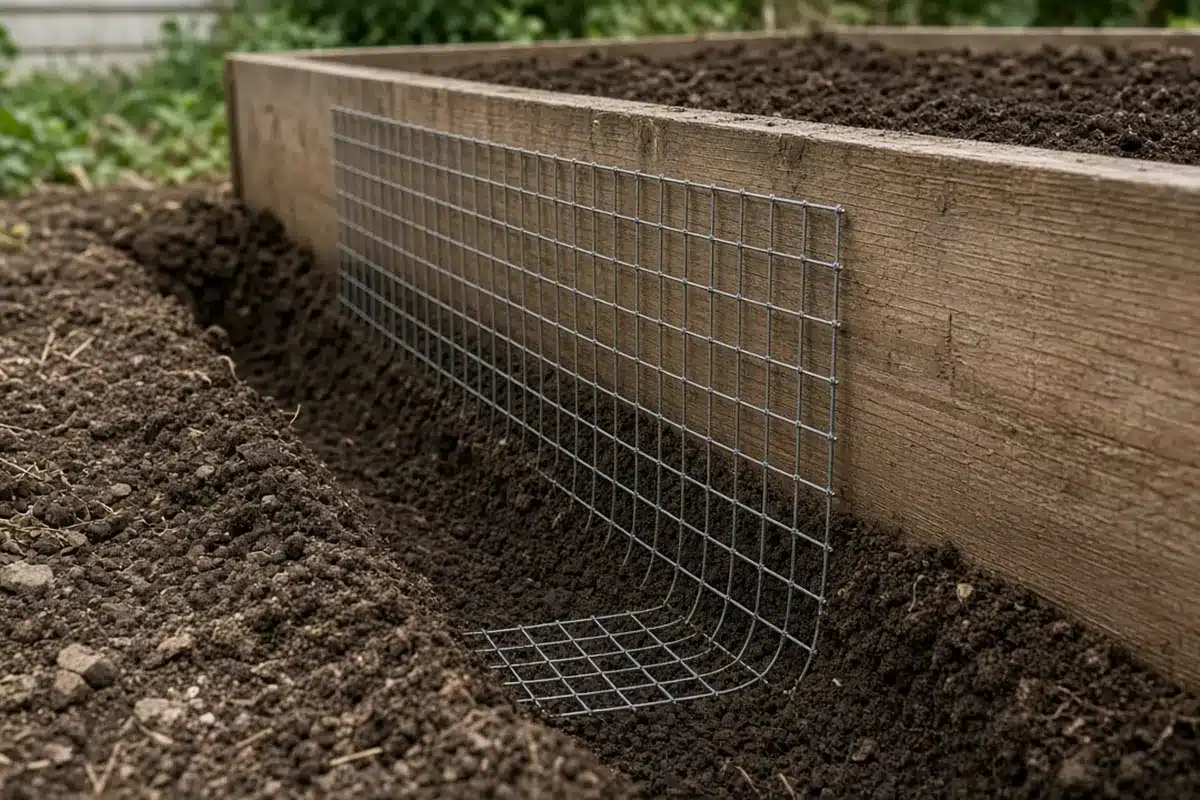
For a bed you plan to use for years, exclusion is the cleanest answer. UC IPM describes a buried barrier of hardware cloth or 1/4-inch wire mesh set in a trench about 6 inches wide and at least 2 feet deep. A further 6-inch lip of mesh is bent at a right angle away from the planting at the bottom to discourage digging underneath, and about 6 inches of mesh is left above ground.
- Use galvanized or stainless wire so the barrier lasts.
- Run the barrier along the full edge of the bed, not just the side where you saw tunnels.
- For raised beds, line the bottom with wire mesh before filling. UC IPM notes that mesh bottoms in raised beds totally exclude moles.
- Containers placed on a hard surface are not reachable by moles at all.
UC IPM is honest about the limits. Burying wire is hard work, and persistent moles can eventually dig around a barrier, so keep an eye out for new ridges inside the protected area.
Trapping, and what to skip
UC IPM calls trapping the most dependable method of mole control. Moles can be trapped any time of year. Traps work best in the deeper, frequently used tunnels, set at least 18 inches from a mound, and more traps speed things up. The mole has to be caught underground, and it can take several days for a mole to reach a trap, so patience is part of the method. Mole traps differ from gopher traps, and very few work for both. Follow the maker’s instructions closely, and ask your local Extension office about trapping in your area.
Mole behavior shapes how a trap is set. UC IPM explains that a mole whose snout meets a foreign object in its burrow tends to plug off that section and dig around or under it. Yet it pushes straight through loose soil blocks like those left by natural cave-ins. That is why traps are set to straddle, encircle or hang above the tunnel, and why the opened burrow is covered with loose soil to keep light out. UC IPM adds that a surface ridge pressed down under the trigger can also work for some trap styles.
Several popular ideas do not hold up. UC IPM reports that home remedies placed in burrows, frightening devices such as mole wheels and whistling bottles, plants sold as mole repellents and vibrating or sonic devices have not proved effective at stopping mole damage. Flooding tunnels wastes water and rarely works. Cats and dogs may catch the odd mole but will not solve the problem. University of Maryland Extension adds that applying grub control products will not eliminate a mole problem, because moles also eat earthworms and other soil insects.
Troubleshooting mole damage in the bed
A transplant has wilted over a ridge. Press the soil firmly back around the roots, water it in and watch for recovery. Air pockets dry roots, so closing them quickly helps.
Ridges keep returning after you flatten them. That section is active. Use it as a trap location or plan a barrier along that edge of the bed.
Plants are chewed, not heaved. Look for voles, gophers or other animals. Kind Seed Co has separate posts on rabbits and cannabis, one common above-ground feeder, and on birds and cannabis for seedling damage from above.
New ridges appear right after watering. That fits UC IPM’s note that moles dig most when soil is moist. Water deeply but less often and check the bed the following morning.
Sources
- UC Statewide IPM Program. Moles, Pest Notes (Publication 74115). https://ipm.ucanr.edu/home-and-landscape/moles/
- University of Maryland Extension. Moles. https://www.extension.umd.edu/resource/moles
FAQ
Do moles eat cannabis roots?
Rarely. Moles mainly eat insects, grubs and earthworms. UC IPM notes they may occasionally eat roots or bulbs, but rodents such as gophers and voles cause almost all chewing damage. The real harm from moles comes from tunneling, which lifts plants, breaks root contact with soil and leaves air pockets that dry roots out.
What is the best way to keep moles out of a garden bed?
A buried wire barrier is the most reliable long-term option. UC IPM describes hardware cloth or 1/4-inch mesh at least 2 feet deep with an outward bent lip at the bottom. For raised beds, a wire mesh bottom installed before filling keeps moles out completely, which suits a permanent cannabis bed.
Do sonic spikes or castor oil work on moles?
UC IPM reports that vibrating and sonic devices are not supported by research. Castor oil repellents have shown some effect on eastern moles, but repellents only move moles elsewhere, often next door. For a valuable bed, barriers and trapping in active tunnels are more dependable than repellents of any kind.
Will getting rid of grubs get rid of moles?
Not by itself. University of Maryland Extension notes that grub control products will not eliminate a mole problem because moles also eat earthworms and other soil insects. UC IPM adds that reducing grubs may make an area less attractive, but research has not confirmed this approach works on its own.


