
Plant Hardiness Zones: What They Mean for Cannabis
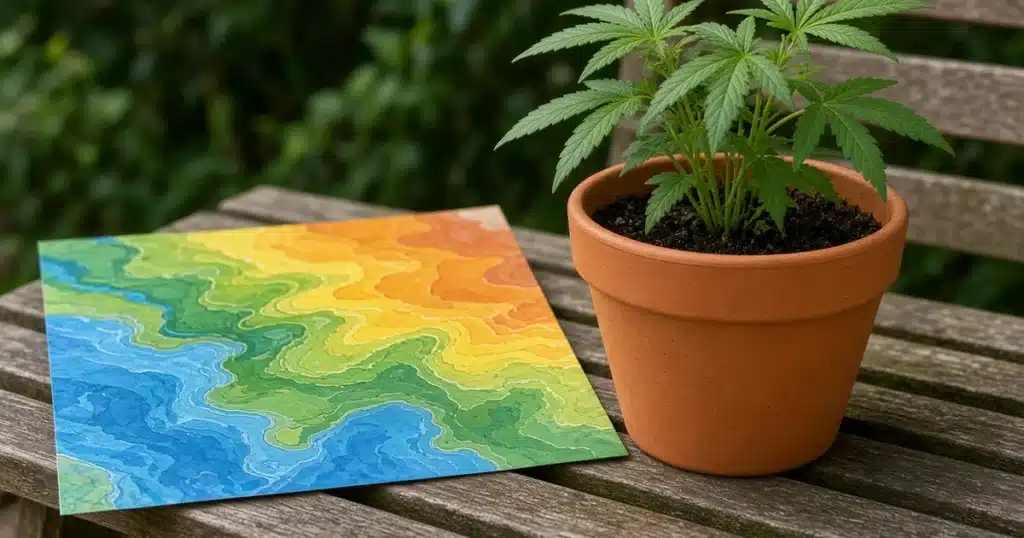
Seed packets, plant tags and nursery labels often mention a hardiness zone. If you grow outdoors, you have probably wondered what your zone is and whether it matters for cannabis. The short answer is that plant hardiness zones are a useful tool, but they were built for a different job. They describe how cold winters get, which matters most for plants that have to survive the winter. Here you will find what the zone map measures, how to read zones and half zones, how to find your own zone and why frost dates and the conditions in your own yard matter more for an outdoor cannabis season.
What plant hardiness zones measure
The USDA Plant Hardiness Zone Map is based on the average annual extreme minimum winter temperature. In plain terms, it looks at the coldest night of each winter over many years and averages them. The USDA explains that the zones are displayed in 10-degree Fahrenheit steps, running from zone 1, the coldest, to zone 13, the warmest.
The current map uses weather data from 1991 to 2020. University of Minnesota Extension notes that the new map draws on data from more than 13,000 weather stations and has a higher resolution than earlier versions, including more detail in and around cities, mountains and large bodies of water.
It is important to understand what the map does not show. The USDA stresses that zones are based on average lowest temperatures, not the lowest temperature ever recorded. A rare cold snap can still drop below the average for your zone.
Zones and half zones
Each zone is split into two halves, labeled a and b. The USDA explains that these half zones are 5-degree Fahrenheit steps. For example, zone 7a is the colder half of zone 7 and zone 7b is the warmer half. These labels give gardeners a quick shorthand for comparing how cold winters get from one place to another.
The colors on the map follow the order of a rainbow, from cool colors in the coldest zones to warm colors in the warmest. The USDA notes that this makes it easy to see how cold hardiness changes across the country at a glance.
How to find your hardiness zone, step by step
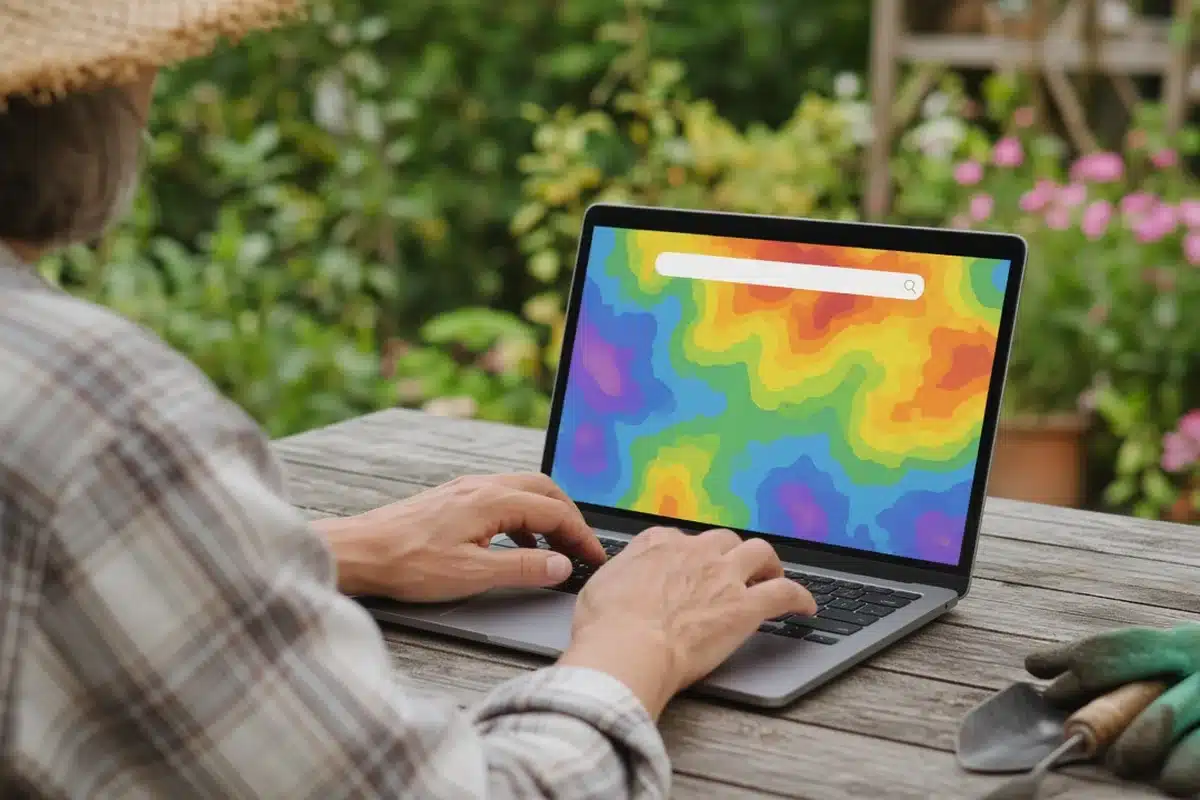
Finding your zone takes less than a minute:
- Go to the USDA Plant Hardiness Zone Map website.
- Enter your ZIP code in the search box.
- Read the zone and half zone shown for your location.
- Click on the map near your home if you want to compare nearby areas.
- Write your zone down with your garden notes so you have it for plant shopping.
The USDA notes that you can also download maps at different resolutions from the site and print them. It adds that no paper copies of this edition have been printed for public distribution.
Why your zone might have changed
If you looked up your zone years ago, it may be different now. University of Minnesota Extension explains that the newer map is generally about one quarter of a zone warmer than the previous edition across much of the country, partly because it uses a more recent averaging period. Some of the changes also come from more data sources and better mapping methods, and Minnesota Extension adds that some areas have shifted to a cooler zone instead.
The USDA says a changed zone does not mean you should start removing plants or change what you grow. What has thrived in your yard will most likely keep thriving.
University of Minnesota Extension also points out that zone changes are not reliable evidence of long-term climate trends. Zones are based on 30-year averages of extreme cold, while climate trends are based on overall average temperatures over much longer periods.
Why zones matter less for an annual crop
Hardiness zones were designed to help gardeners choose perennial plants. The USDA describes the map as a general guide for growing perennials, the trees, shrubs and flowers that need to survive the winter and grow again in spring. That is exactly why nurseries print zone numbers next to perennial plants.
Outdoor cannabis is usually grown as an annual. It is planted after the cold weather passes and harvested before winter sets in. It never has to survive the coldest night of the year, which is the very thing the zone map measures. That means your zone number on its own says little about how a cannabis season will go.
What matters more for an annual crop is how long your growing season is and how warm it gets. The USDA itself notes that many factors besides hardiness zones affect plant success, including wind, soil type, soil moisture, humidity and warm season heat. University of Minnesota Extension agrees that a plant’s performance depends on how it was planted, soil, light, space, wind and overall care, not on the zone alone.
Use frost dates instead
For planning an outdoor cannabis season, frost dates are far more useful than a zone number. The last spring frost tells you when it is safe to set plants outside. The first fall frost marks the end of the season. The time between them is your growing season.
Two places in the same zone can have very different frost dates and summer heat, so look up the average frost dates for your own area through your local extension office. As general guidance, wait until the danger of frost has passed and nights have warmed before planting out, and plan to harvest before the first fall frost. Timing gets its own treatment in Kind Seed Co’s post on when to plant cannabis seeds outdoors.
Microclimates matter too
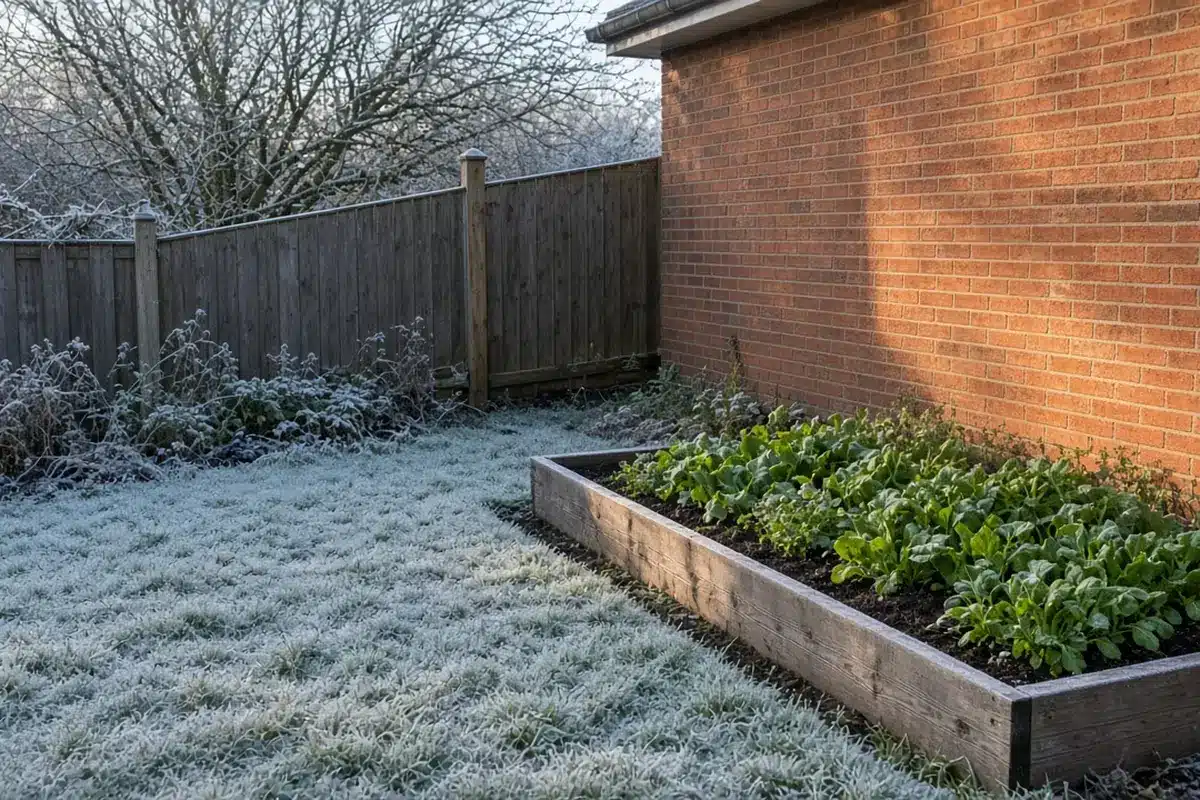
Even the most detailed zone map cannot show every corner of your yard. The USDA notes that microclimates may be too small to appear on the map. These include warm spots around blacktop and concrete and cool frost pockets in low areas where cold air settles. It gives the example of a sheltered spot in front of a south-facing wall staying warmer than the rest of a yard, while a low spot collects cold air first.
University of Minnesota Extension adds that cities tend to hold more heat, higher ground tends to be colder and land near large bodies of water can have milder weather.
For an outdoor grower, this matters a lot. A warm, sheltered bed may be safe to plant earlier in spring and stay frost free later in fall. A low corner of the yard may get frost when the rest of the garden does not. The USDA puts it well, saying no hardiness zone map can replace the detailed knowledge gardeners learn about their own gardens through hands-on experience. To find these spots, read garden microclimates for cannabis, and for light, try understanding sunlight with your cannabis plants.
When your zone is still useful
Your zone is still worth knowing. Many companion plants, shrubs and perennial herbs that share a garden with cannabis are sold by zone, so it helps you choose plants that will come back each year. It also gives you a rough sense of how harsh your winters are, which matters for anything you leave in the ground, such as perennial borders, hedges or windbreak plantings. Keep the zone in your notes, then rely on frost dates and your own observations for the cannabis season itself.
Troubleshooting
Your zone looks warmer than your winters feel. Zones are based on averages, not the coldest night ever. Your yard may also sit in a frost pocket. Watch where frost settles first.
Two nearby gardens have different results in the same zone. Microclimates, soil, wind and care all affect plants. Compare frost dates and sun exposure instead of zone numbers.
Your zone changed since you last checked. The map was updated with newer data. The USDA says plants that thrived before will most likely keep thriving.
Plants were damaged by frost after you planted out. The last frost date is an average. Watch the forecast and be ready to protect young plants on cold nights.
Your season feels too short. Look up your local frost dates and choose a warm, sunny spot for your plants.
You cannot find frost dates for your area. Contact your local extension office, which can usually share average frost dates.
Sources
- USDA Agricultural Research Service. How to Use the Maps, USDA Plant Hardiness Zone Map. https://planthardiness.ars.usda.gov/pages/how-to-use-the-maps
- University of Minnesota Extension. A New Plant Hardiness Zone Map from the USDA. https://extension.umn.edu/yard-and-garden-news/new-plant-hardiness-zone-map-usda
FAQ
What do plant hardiness zones measure?
They measure the average annual extreme minimum winter temperature, the coldest night of the year averaged over many years. The USDA map shows zones in 10-degree Fahrenheit steps from zone 1, the coldest, to zone 13, the warmest. Each zone is split into a and b halves of 5 degrees each.
How do I find my plant hardiness zone?
Go to the USDA Plant Hardiness Zone Map website and enter your ZIP code in the search box. The map shows your zone and half zone. You can also click on the map near your home to compare nearby areas, and download or print a map for your notes.
Do hardiness zones matter for growing cannabis?
Less than you might think. Zones were built to guide perennial plants that must survive winter. Outdoor cannabis is usually grown as an annual and harvested before winter, so it never faces the cold the map measures. Frost dates and your own microclimates are more useful for planning a season.
Why did my hardiness zone change?
The USDA updated the map with weather data from 1991 to 2020. University of Minnesota Extension notes the new map is generally about a quarter zone warmer across much of the country, partly from a newer averaging period. The USDA says plants that thrived before will most likely keep thriving.


