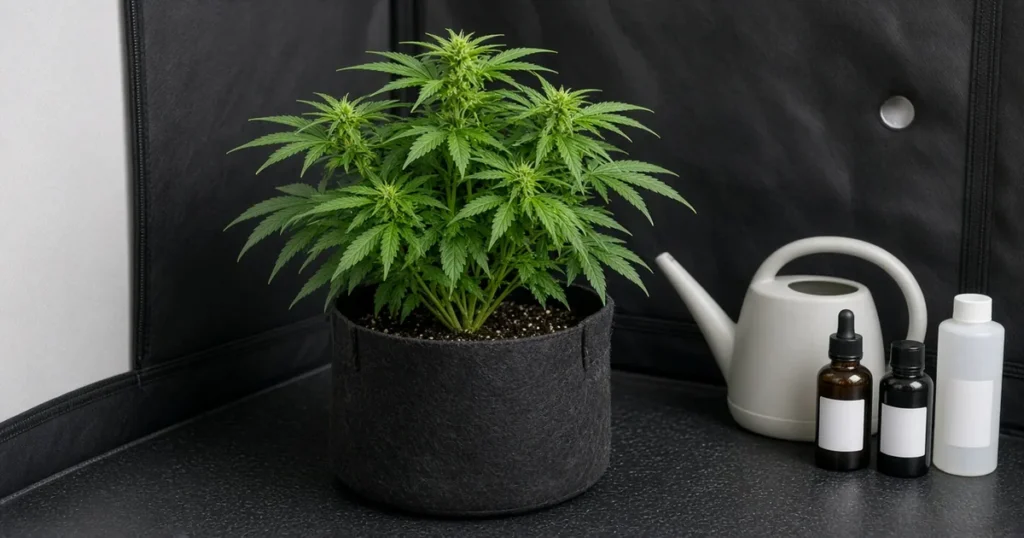
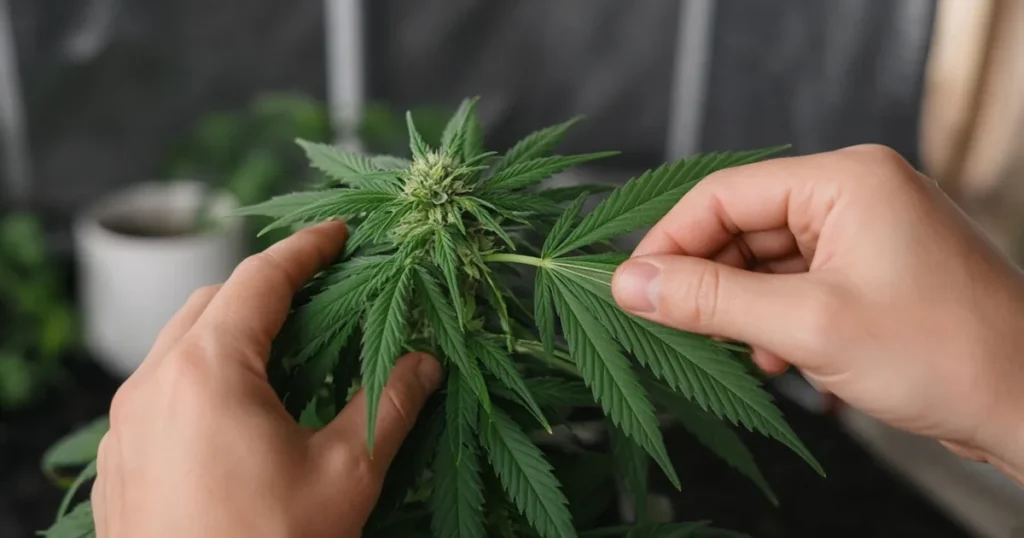
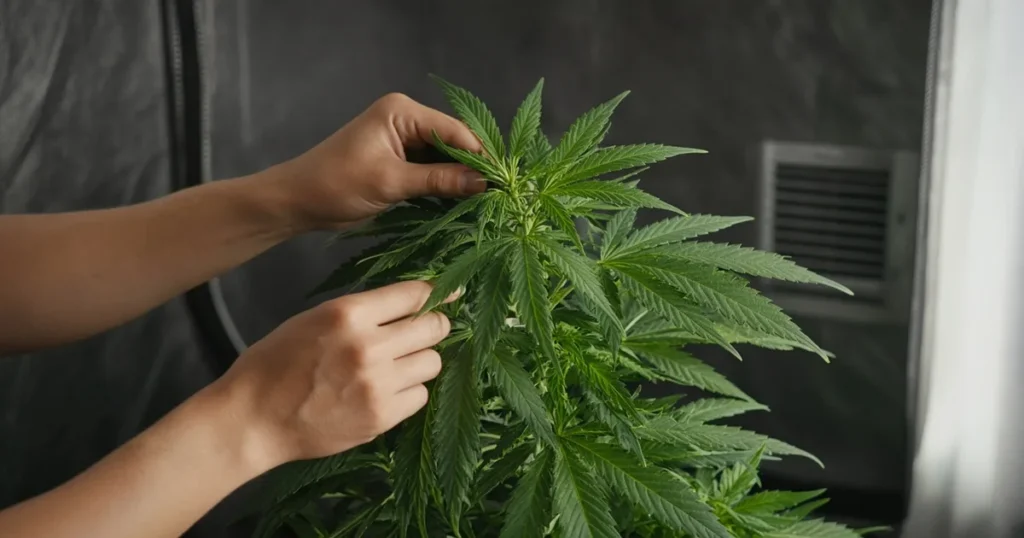
Should you top an autoflower?
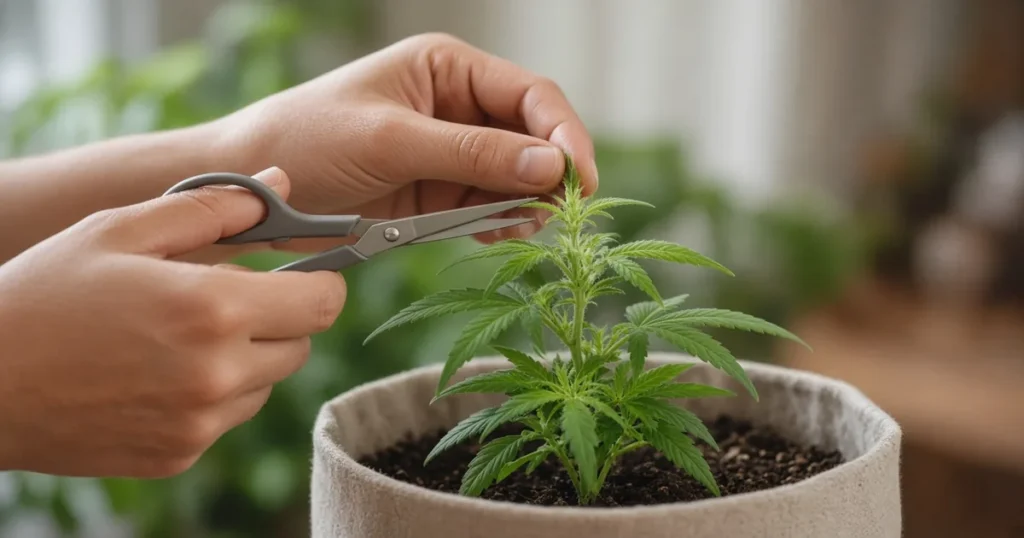
You can top an autoflower, but only if the plant is healthy, vigorous and still early in its growth, usually once it has a few sets of true leaves and before pre flowers appear. Topping a slow or stressed auto, or topping too late, can stunt it, because autoflowers have little time to recover before flowering starts. For most growers, especially beginners, low stress training (LST) is the safer way to get an even canopy from an autoflower. Topping is an option for confident growers with strong, fast growing plants. Find your next plant in our autoflower seeds collection. This guide is for adults 21 and older growing where it is legal.
What is topping?
Topping means cutting off the growing tip of the main stem above a node. The plant responds by growing two main tops from the node below instead of one. The result is a bushier, flatter plant with more main colas and better light distribution.
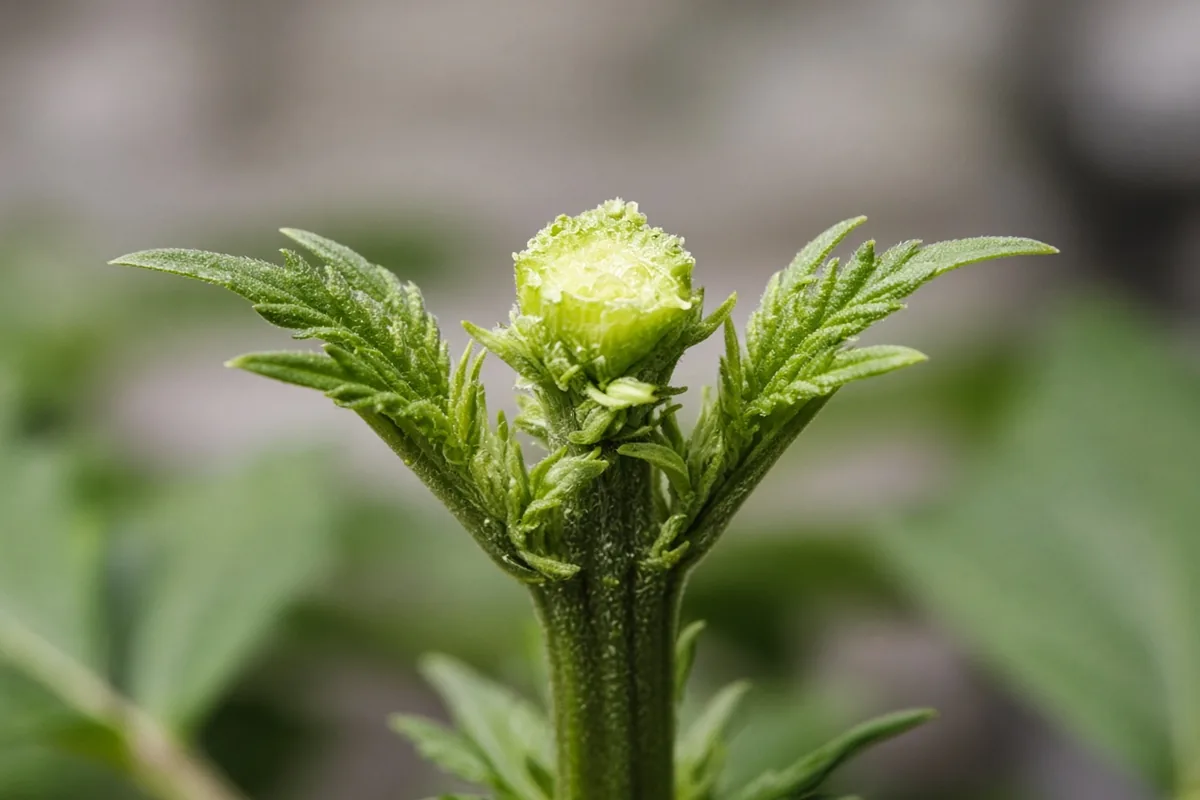
It is a high stress technique. The plant needs some time to heal and redirect growth before it gets going again.
Why autoflowers are different
Photoperiod plants stay in veg as long as you keep the lights on a long schedule, so they have plenty of time to recover from topping. Autoflowers do not. They flower based on age, and their veg window is short. Any pause in growth eats into that window.
That is why the old advice was never to top an autoflower. Today, modern autos are more vigorous, and many experienced growers top them successfully. The key is timing and plant health.
Pros and cons of topping an autoflower
Pros
- More main colas. Two or more tops instead of one main cola.
- Better canopy. Light reaches more bud sites evenly.
- Height control. Useful in short tents.
Cons
- Recovery time. Growth pauses briefly while the plant heals.
- Risk of stunting. Late or repeated topping can leave a smaller plant.
- Less forgiving. Mistakes are harder to fix on a short timeline.
When to top an autoflower
- Once the plant has a few sets of true leaves. Many growers top above the third or fourth node.
- While it is growing fast. Only top plants that look green, healthy and vigorous.
- Before pre flowers appear. Once flowering starts, it is too late.
- Only once. Multiple toppings rarely pay off on an auto.
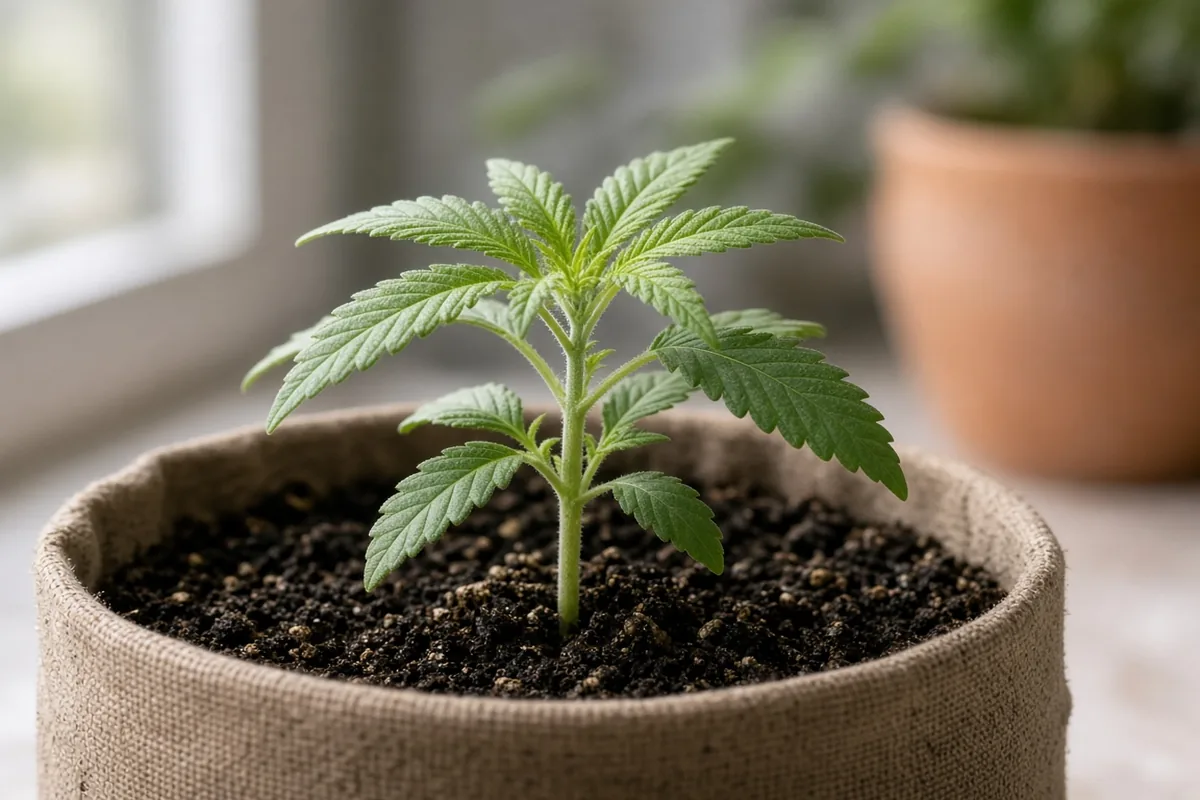
If your plant is slow, pale or stressed from transplanting, overwatering or nutrient issues, skip topping.
How to top an autoflower, step by step
- Clean your tool. Use small, sharp scissors or a blade cleaned with alcohol.
- Find the node. Count down to the node where you want new tops to form.
- Cut cleanly. Snip the main stem just above that node, leaving the two side shoots.
- Keep conditions steady. Avoid transplanting, heavy feeding or other stress for a few days.
- Train the new tops. Gently spread the two new tops apart with soft ties to open the canopy.
FIM: a lighter alternative
FIM, short for “f I missed”, means pinching or cutting only part of the new growth tip instead of the whole tip. It can produce several new tops with less stress than a full top, though the results are less predictable. Learn more in our fimming cannabis guide.
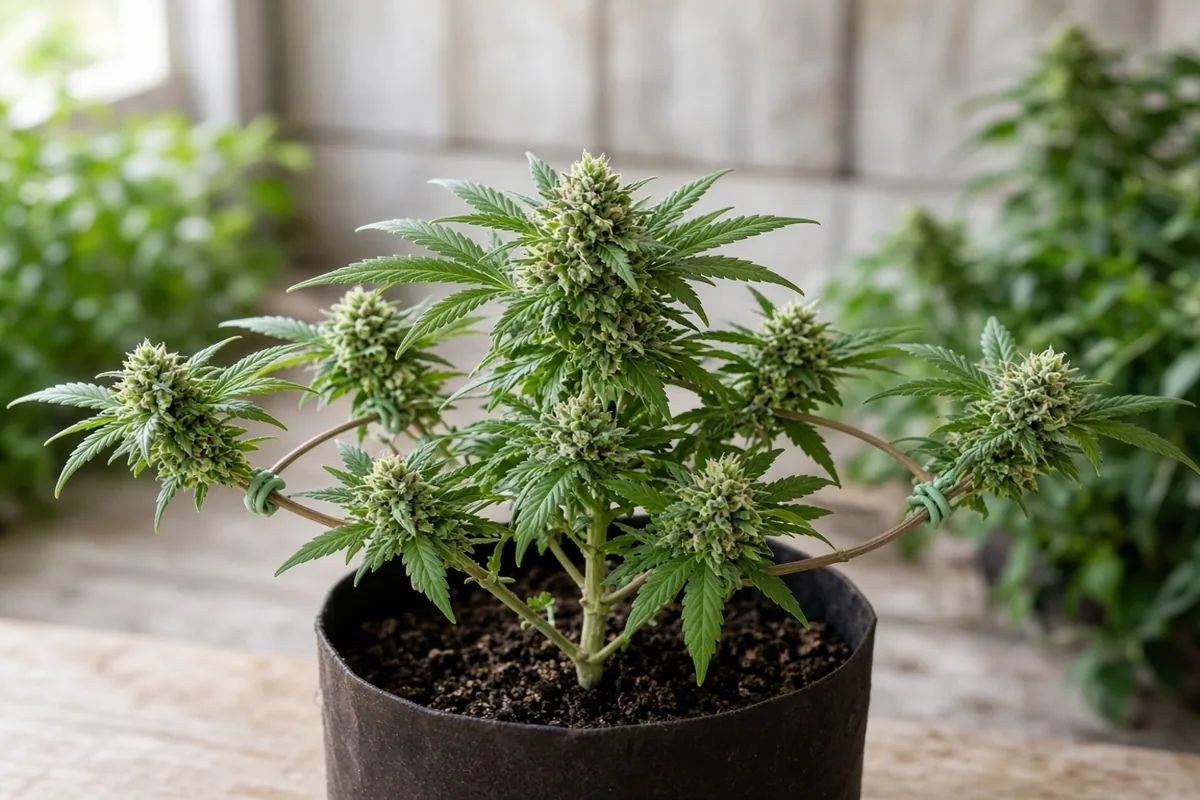
LST: the safest choice for most autoflowers
Low stress training means gently bending and tying down the main stem and branches so the plant grows wide instead of tall. It does not cut anything, so there is little or no recovery time.
How to LST an autoflower
- Start when the plant has a few sets of leaves and the stem is flexible.
- Gently bend the main stem sideways and tie it to the pot rim with soft plant ties.
- As side branches grow up, bend and tie them outward too.
- Keep adjusting every day or two until the plant forms an even canopy.
- Stop major bending once the plant is well into flower.
Many growers combine one early top with LST. Others use LST only. Both can give great results.
Caring for an autoflower after topping
The first few days after topping matter most. Give the plant steady, comfortable conditions and let it heal. Keep the light at its usual distance, water only when the top of the mix dries, and hold off on any extra nutrients until you see new growth. Avoid transplanting at the same time, since two stresses in a row are hard on a short lived plant.
Within a few days you should see the two new shoots begin to lengthen. Once they are growing well, start spreading them apart with soft ties so light reaches the center of the plant. As side branches catch up, guide them outward to fill the space. Remove a few large fan leaves that shade lower bud sites if the canopy gets crowded, but do it lightly. Autoflowers rely on their leaves for energy, and heavy leaf removal adds more stress.
Topping vs mainlining autoflowers
Some growers try advanced methods like mainlining, which uses repeated topping and careful training to build a symmetrical plant with many colas. These methods work well on photoperiods with long veg times. On autoflowers, the short veg window makes them risky, and the extra recovery time often costs more than it gains. If you want an even, multi cola autoflower, a single early top or simple LST is usually the better bet.
Signs you should not top
- The plant is growing slowly or looks pale.
- It recently had a transplant or watering problem.
- Pre flowers are already showing.
- The strain is known to stay very small.
- You are a first time grower still learning the basics.
Autoflowers that respond well to training
These vigorous, in stock autoflowers handle training well:
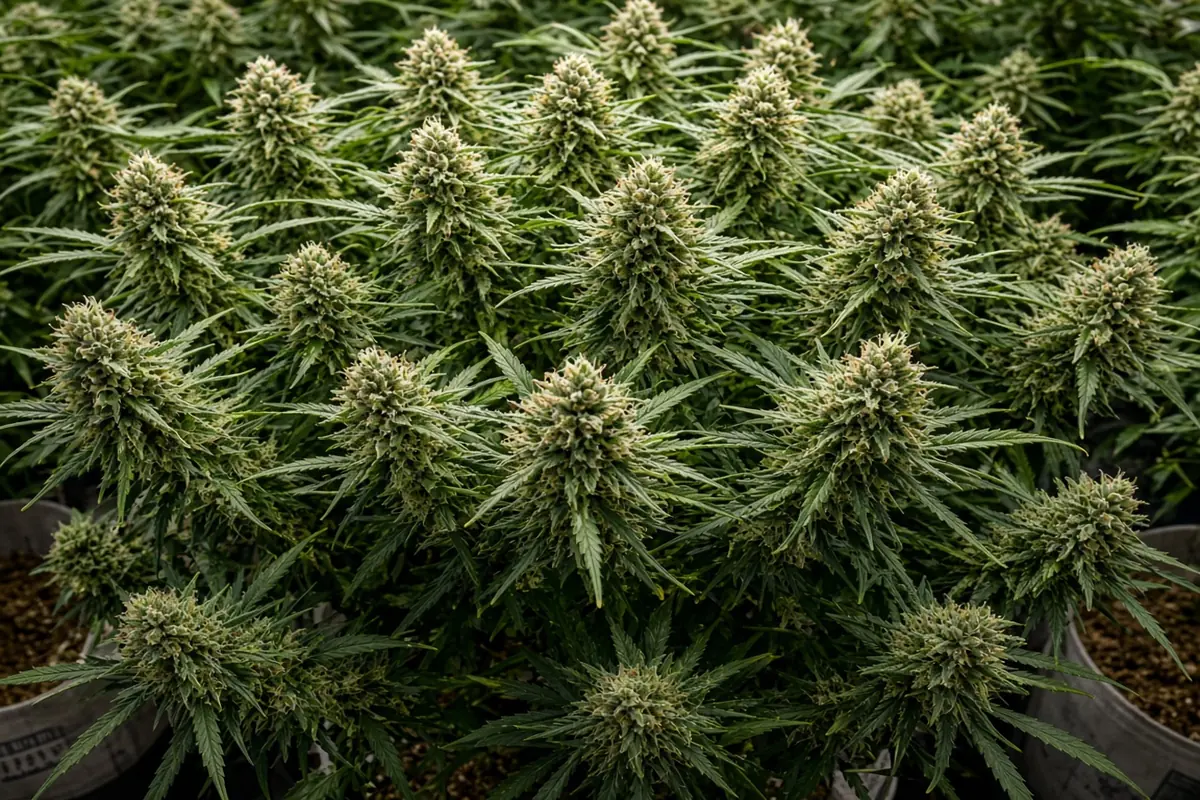
- Big White Widow Auto Fem
- Big Devil Auto Fem
- Amnesia Haze Auto Fem
- Super Silver Haze Auto Fem
- Gelato Auto Fem
Check each product page for size notes before you plan your training.
Frequently asked questions
Is it bad to top an autoflower?
Not if the plant is healthy and young. Late topping or topping a stressed plant can stunt it.
When is it too late to top an autoflower?
Once pre flowers appear, it is usually too late.
How many times can you top an autoflower?
Most growers top once at most. Repeated topping rarely pays off.
Is LST better than topping for autoflowers?
For most growers, yes. LST shapes the plant without a recovery pause.
Does topping increase yield on autoflowers?
It can help by spreading light across more colas, but results depend on strain, timing and growing conditions.
Train your autoflower the smart way
If your autoflower is young, healthy and vigorous, an early single top can work. Otherwise, LST is the safer path to an even canopy. Find a strong strain in our autoflower seeds collection or browse the whole Kind Seed Co shop. For a full walkthrough, read our autoflowering cannabis grow guide. Kind Seed Co sells only to adults 21 and older. Grow only where it is legal under your state’s law.