What Is a Tomentose Leaf? Soft Woolly Leaves Explained
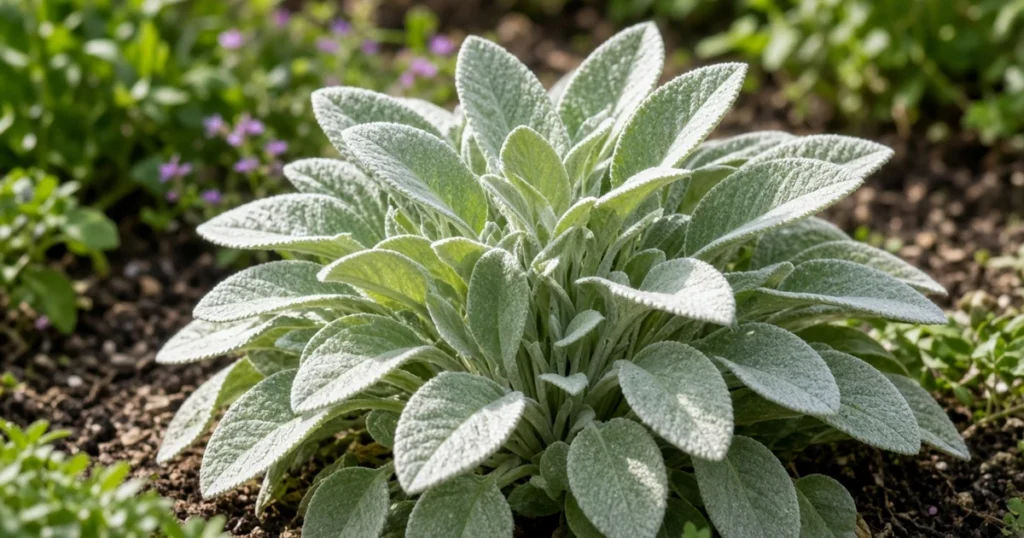
A tomentose leaf is a leaf covered in dense, soft, matted hairs that make it feel woolly. NC State Extension describes lamb’s ear as having thick, soft, velvety, woolly, silver leaves, plus notes leaf hairs called trichomes grow from cells of the leaf surface.
The short answer
A tomentose leaf is covered in dense, matted, woolly hairs. NC State Extension notes leaf hairs are trichomes that grow from epidermis cells. Lamb’s ear is a familiar example, with thick, soft, velvety, silver leaves. These plants want very well drained soil plus dislike wet leaves in humid summers.
How do you spot a tomentose leaf?
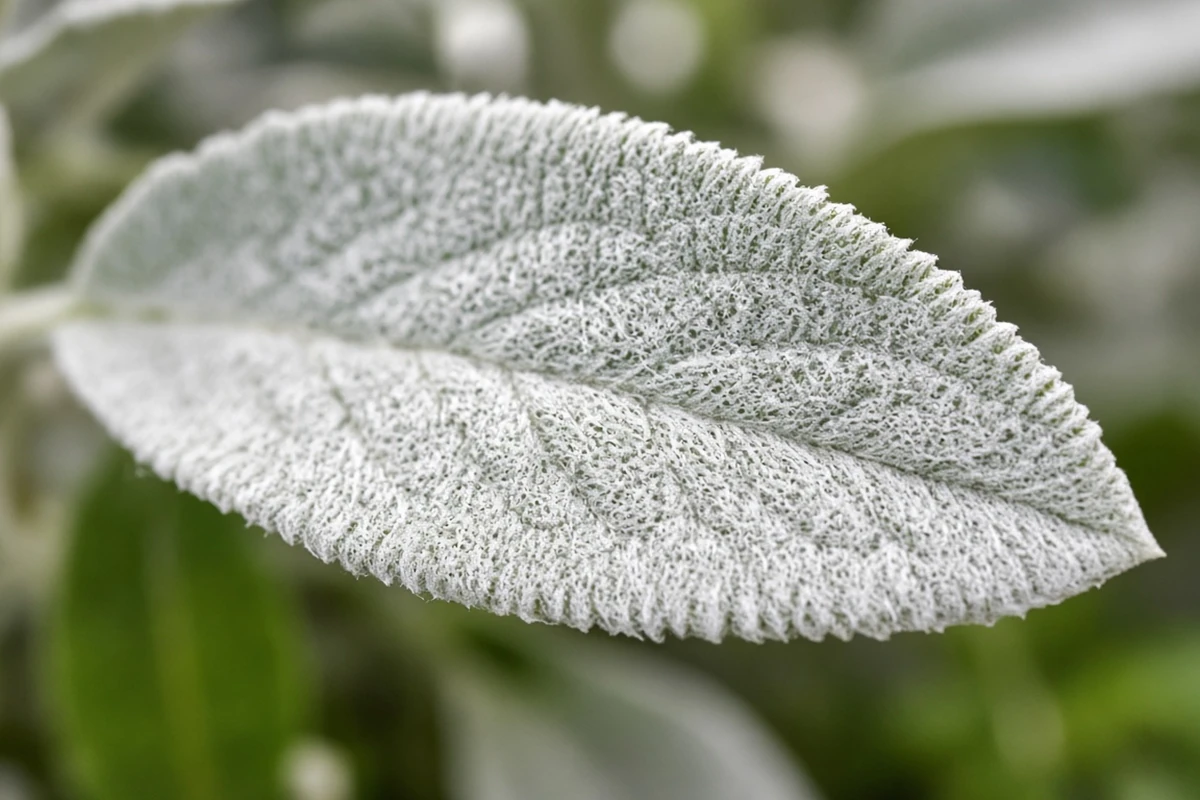
Feel it. NC State notes lamb’s ear has thick, soft, velvety, woolly leaves. African violets carry so many hairs they feel like velvet.
| Plant | Leaf note | Source |
|---|---|---|
| Lamb’s ear | Thick, soft, velvety, woolly | NC State |
| African violet | So many hairs it feels like velvet | NC State |
| Lamb’s ear | Silver leaves | NC State |
How do you grow woolly leaved plants?
NC State notes lamb’s ear grows in very well drained soil in full sun to part shade. It is fairly drought tolerant. Water sparingly.
Why do woolly leaves rot?
NC State notes wet leaves plus humid summers can cause disease on lamb’s ear, plus leaf rot can occur in high humidity.
How to: step by step
- Touch the leaf.
- Study it with a hand lens.
- See whether hairs are dense plus matted.
- Check both sides of the leaf.
- Water at the soil, not the leaves.
- Pull rotting leaves after rain.
Troubleshooting
Leaves rot in summer: NC State notes high humidity plus wet leaves cause this.
Plants sprawl plus thin out: divide every 2 to 4 years.
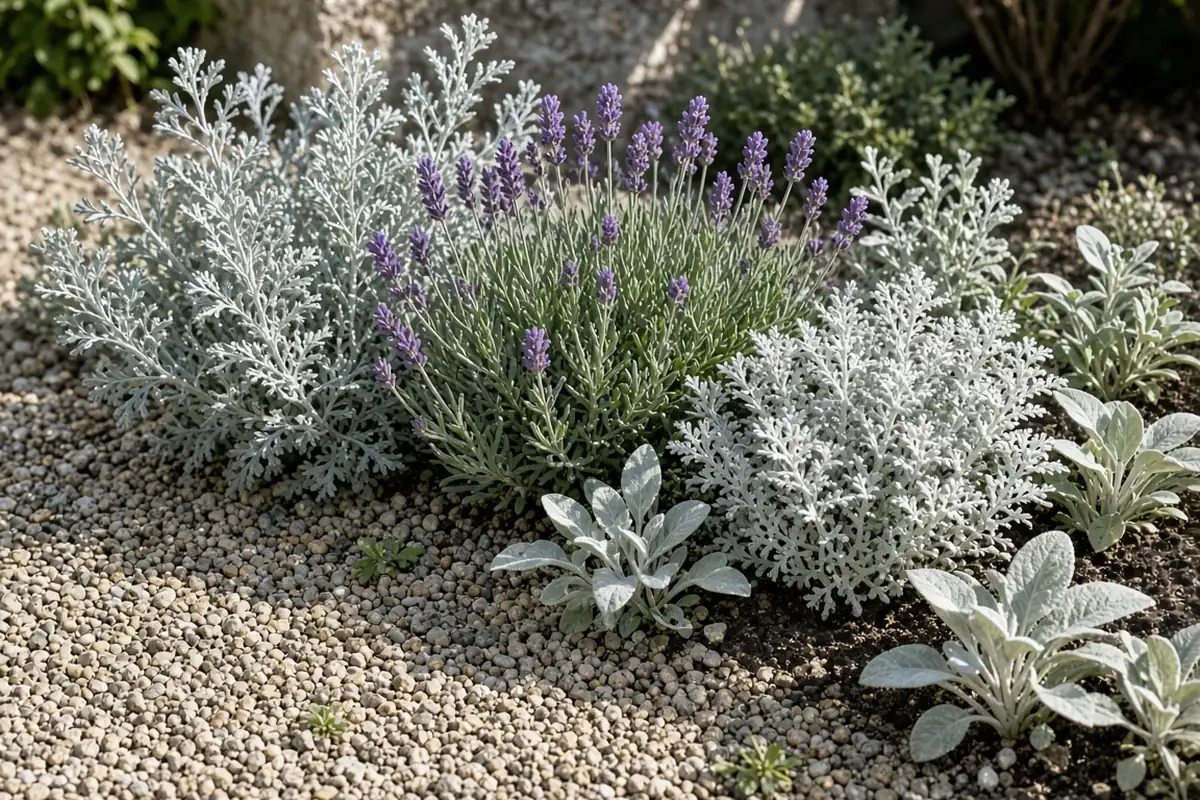
Soil stays wet: plant on a slope, as NC State advises for humid areas.
For more on leaves see cannabis leaf anatomy, cannabis heat stress plus companion plants when growing marijuana. Kind Seed Co also stocks cannabis seeds.
Sources
- Stachys byzantina (lamb’s ear), NC State Extension Gardener Plant Toolbox
- Extension Gardener Handbook, chapter 3: botany, NC State Extension
FAQ
What is lamb's ear?
NC State Extension describes lamb's ear as a plant with thick, soft, velvety, woolly, silver leaves. It grows in very well drained soil in full sun to part shade plus is moderately drought tolerant. Divide it every 2 to 4 years, plus avoid wetting its leaves in humid summers.
What are leaf hairs called?
NC State Extension notes some leaves have hairs called trichomes, which grow from cells of the epidermis. A tomentose leaf has so many of these hairs that they form a dense, matted, woolly layer. African violets also have so many hairs that their leaves feel like velvet.
How often should lamb's ear be divided?
NC State Extension advises dividing lamb's ear every 2 to 4 years. Over time a clump can spread plus thin out in the center. Lift the plant, split it into pieces with roots plus leaves, then replant them in very well drained soil in full sun to part shade.
Where should woolly plants go in humid areas?
NC State Extension advises planting lamb's ear on a slope in humid areas so water drains away. It notes wet leaves plus humid summers can cause disease, plus leaf rot occurs in high humidity. A sunny, well drained spot with good air movement suits woolly leaves.
Do African violets have woolly leaves?
NC State Extension notes African violets have so many leaf hairs that they feel like velvet. The hairs are trichomes, which grow from cells of the epidermis. Run a finger across either leaf plus you will feel the dense layer of hairs on its surface.