When to plant cannabis outdoors in Connecticut
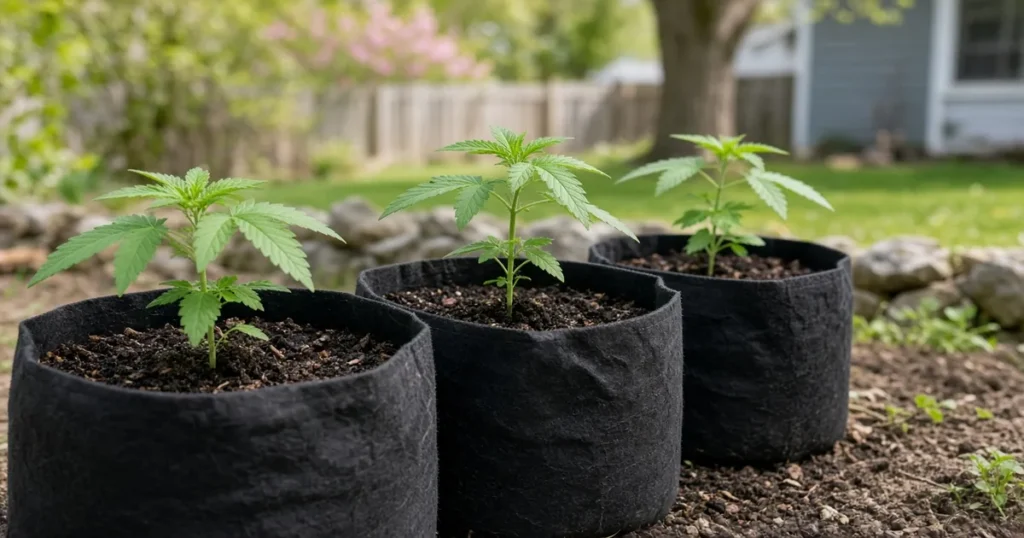
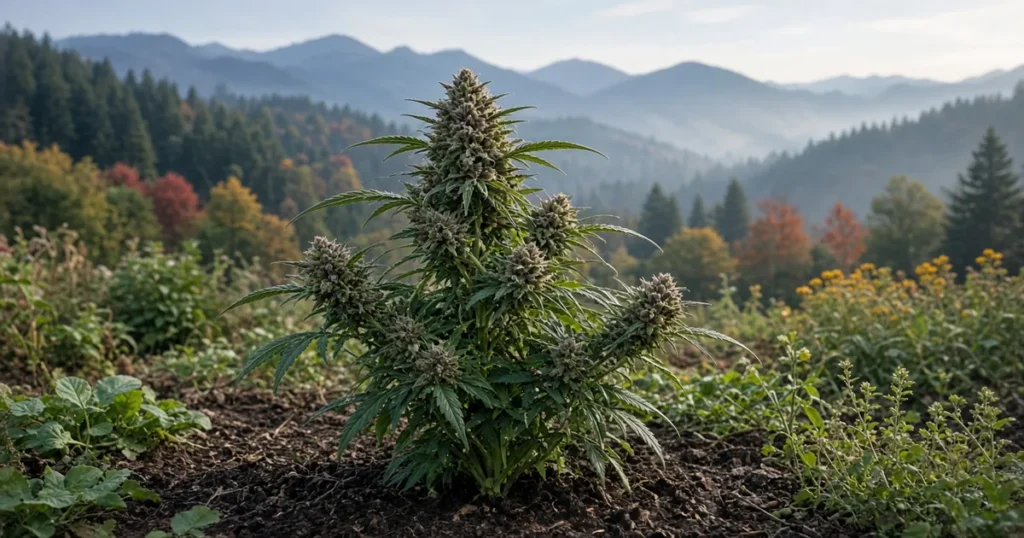
Connecticut is small, but its growing conditions shift quickly from the Long Island Sound shoreline to the hills of Litchfield County. The coast stays warm into fall, the Connecticut River Valley grows tobacco and vegetables in rich soil, and the northwest corner can see frost before the leaves turn. This guide explains when to plant cannabis outdoors in Connecticut for adults 21 and older under state law.
Quick planting guide
- Shoreline, New Haven to Stonington: plant mid to late May, harvest late September to mid October.
- Hartford and the Connecticut River Valley: plant late May, harvest late September to early October.
- Eastern Connecticut, the Quiet Corner: plant late May to early June, harvest late September.
- Litchfield Hills: plant early June, harvest mid to late September.
UConn Extension and the UConn Home and Garden Education Center publish frost dates and planting information for Connecticut gardeners.
Connecticut home grow rules
Since July 2023, adults 21 and older may grow up to 3 mature and 3 immature plants each, with a household cap of 12 plants total. Plants must be in a secure, locked space and not visible from public view. Local and landlord rules may add limits, so confirm the current rules with official state sources before you plant.
With 3 mature plants per adult, a two adult household can flower 6 plants. Many growers keep the 3 immature plants as backups or start them for an autoflower crop later in summer.
The shoreline
Long Island Sound moderates temperatures, delaying fall frost into late October or early November in towns near the water. Springs are cool, though, so planting in mid to late May is common. Sea breezes help dry leaves, but humid air in August and September raises mold risk.
The Connecticut River Valley
The valley from Hartford north to Enfield has rich, sandy loam soils, the same soils once used for shade tobacco. Summers are warm, but cold air pools on the valley floor, so frost can come in early October. Plant in late May and choose strains that finish by early October.
Eastern Connecticut
Windham and Tolland counties are rural, rolling and a bit cooler. Rocky soils benefit from raised beds or containers. Deer pressure is high, so fencing is a must.
The Litchfield Hills
The northwest corner has elevations over 1,000 feet in many towns. Frost can come in late May and again by mid September. Autoflowers or fast photoperiods started indoors are the best fit.
Main threats to Connecticut grows
Humidity and bud rot
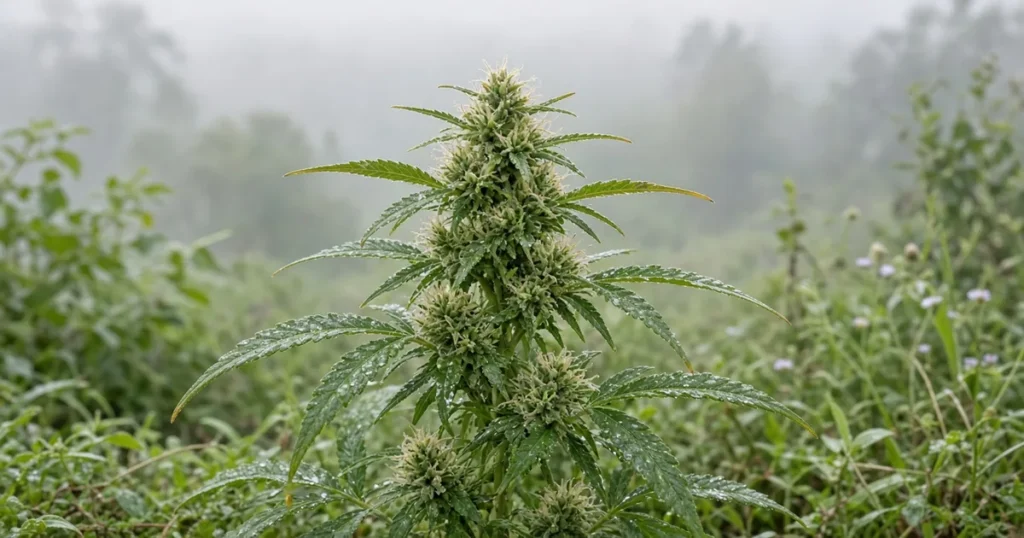
August and September are humid, and cool fall nights bring heavy dew. Botrytis can ruin colas fast. Thin interior leaves, space plants and check buds often. See our mold resistant cannabis strains.
Tropical storms
Connecticut is exposed to tropical storms moving up the coast in September. Stake plants in August and be ready to harvest early.
Deer and other wildlife
Deer browse young plants in nearly every town, and Connecticut has one of the denser deer populations in New England. A fence at least seven feet tall, or plastic deer netting on posts, is the most reliable protection. Woodchucks and rabbits also nibble seedlings.
Insects
Japanese beetles, aphids and caterpillars are common. Spotted lanternfly has spread into Connecticut and feeds on many plants.
Photoperiods or autoflowers
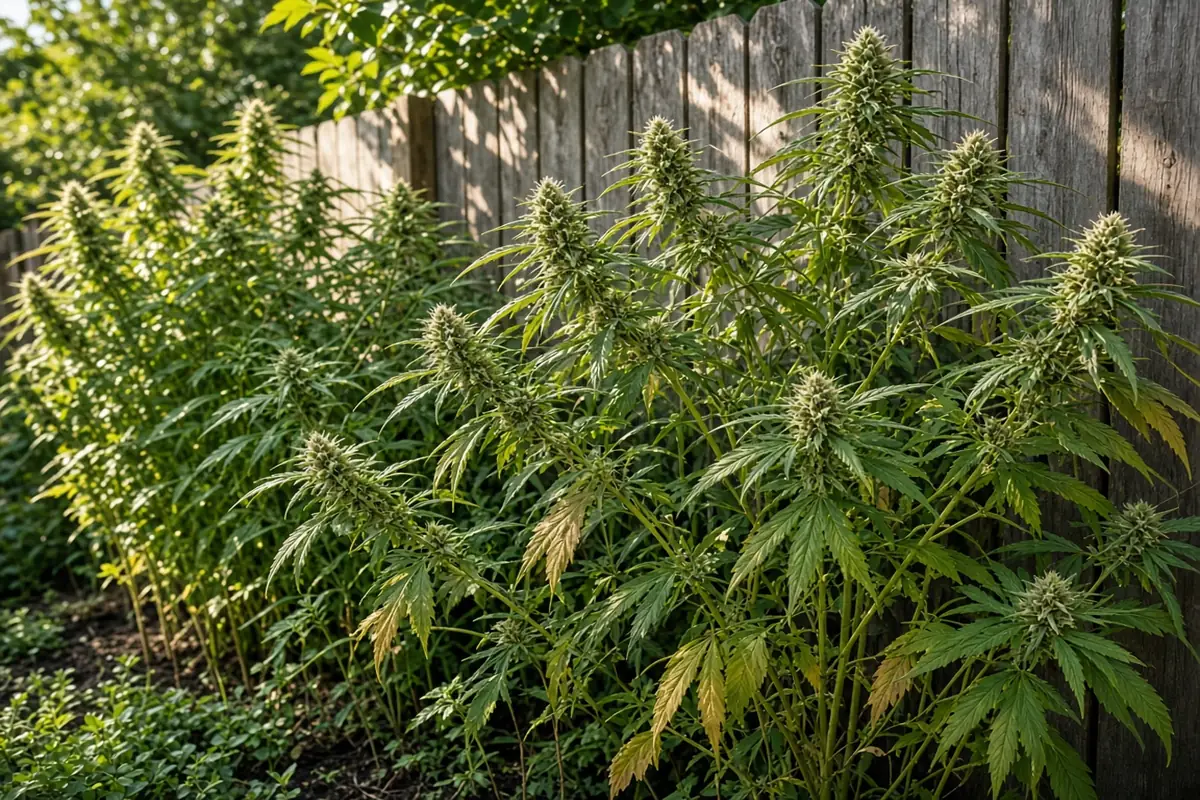
Photoperiods planted in late May start flowering in August and finish from late September to mid October. That works well on the shoreline. Inland and in the hills, fast photoperiods or autoflowers are safer.
Starting from seed
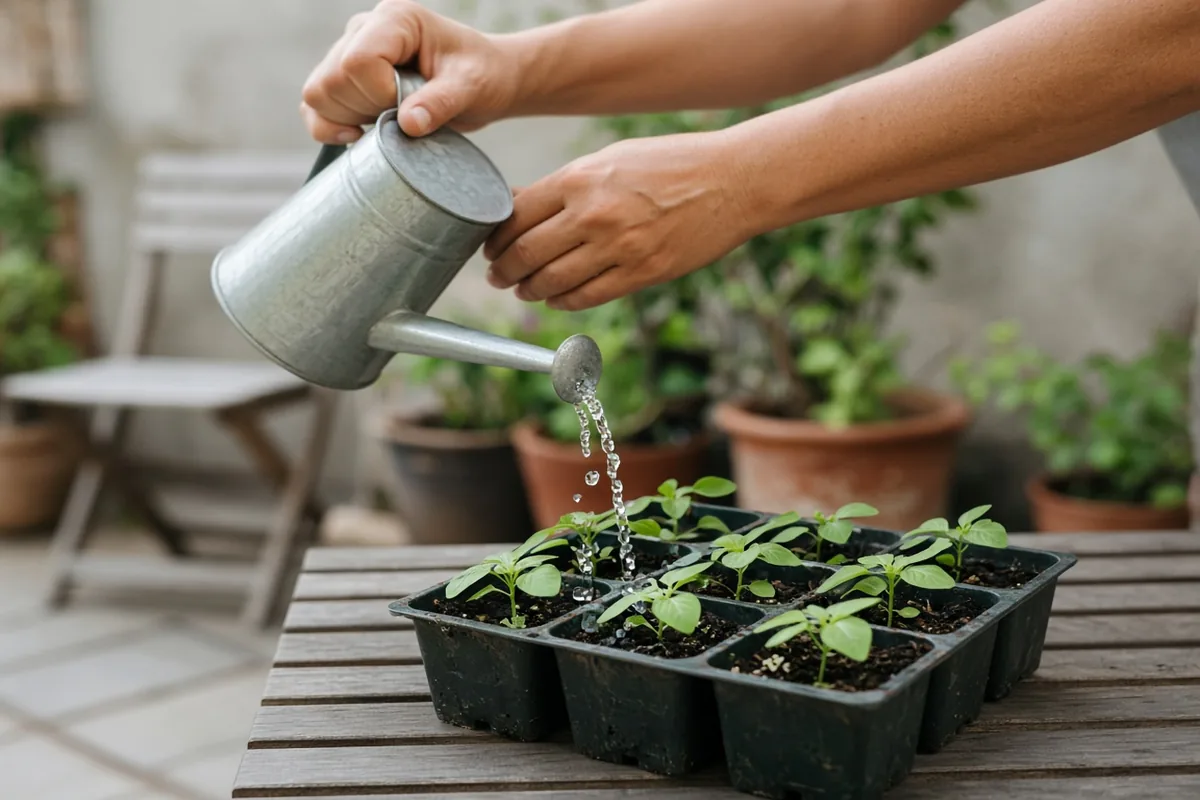
Start seeds indoors in late April. Our guides on how to germinate cannabis seeds and when to plant cannabis seeds outdoors cover germination and hardening off.
A Connecticut season month by month
In April, start seeds indoors and prepare beds. Connecticut soils are often acidic and stony, so add compost and lime as a soil test suggests. The UConn Soil Nutrient Analysis Lab offers testing. In May, harden seedlings off, setting them outside for a few hours a day. Plant out once nights stay above about 50 degrees, usually late May. June and July are for training and watering. Low stress training keeps plants below fence height and helps with privacy. August brings flowering and the first heavy dews. September is the riskiest month for mold and storms. Harvest falls from late September into October.
Growing in a small yard
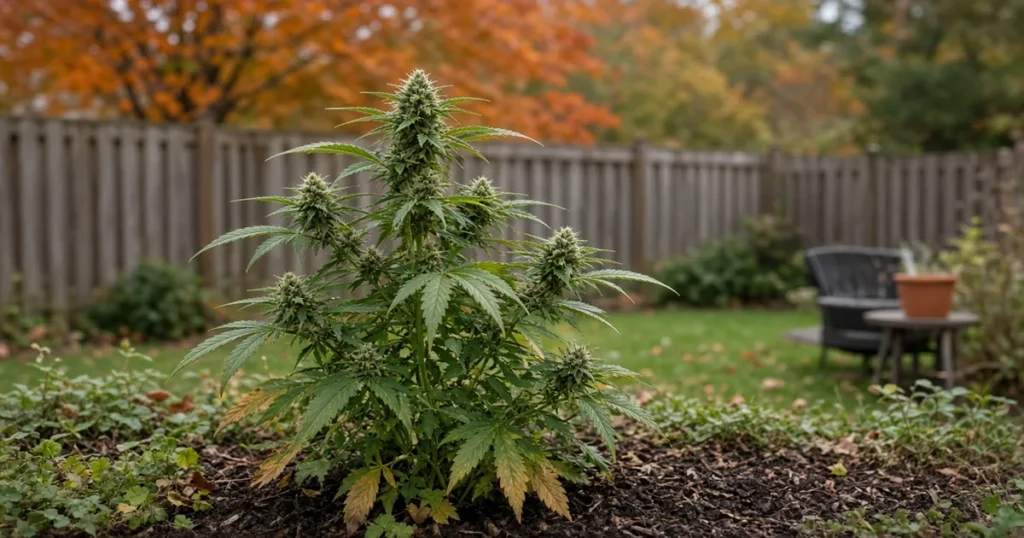
Many Connecticut homes, from Fairfield County suburbs to older mill towns, have small or shaded lots. Mature trees are common, so finding six or more hours of direct sun can be the hardest part. Containers on a sunny deck can work if they are secure and out of public view. Pruning a few low tree branches, with permission where needed, can open up light.
Using the immature plant allowance
Each adult may also keep 3 immature plants. Some growers start extra seedlings and plant the best, keeping the rest as backups if deer or storms damage a plant. Others start autoflowers in June so they flower as the photoperiods are being harvested. Keep track so the mature count stays within limits at all times.
Securing your plants
A locked fenced yard or lockable greenhouse usually satisfies the secure and locked rule, and a solid fence keeps plants out of public view.
Choosing genetics
Pick strains that resist mold and finish by early October. Browse the Connecticut marijuana seeds page and our outdoor seeds collection.
Harvest timing
Our guide on when to harvest outdoor cannabis explains how to read trichomes and pistils.
Microclimates across a small state
Connecticut’s hills and river valleys create sharp microclimates. A garden on a hilltop in Glastonbury may stay frost free a week longer than a yard on the valley floor a mile away, because cold air drains downhill. South facing slopes warm fastest in spring. Yards near large reservoirs, such as Candlewood Lake, often see milder fall nights. Watch where frost forms first on your lawn in spring and avoid that spot for your plants.
Final thoughts
Most Connecticut growers plant outdoors in mid to late May, a bit later in the hills. Focus on mold resistance, deer protection and a secure, private spot.
Grow legally in Connecticut
Stay within 3 mature and 3 immature plants per adult and 12 per household, and keep plants locked and out of public view. Kind Seed Co sells only to adults 21 and older. See our guide on legal requirements for growing weed plants in your state and our December 11 2026 seed rule explainer. This is gardening information, not legal or medical advice.
Frequently asked questions
How many plants can a Connecticut household grow?
Up to 12 plants total, with each adult limited to 3 mature and 3 immature plants.
When is first frost on the shoreline?
Often late October or early November.
Do I need a fence for deer?
In most towns, yes.
Are autoflowers good for Litchfield County?
Yes. They suit the shorter hill season.
Ready to start
Visit the marijuana seeds connecticut page or the Kind Seed Co shop. Grow within Connecticut law.