When to plant cannabis outdoors in Massachusetts
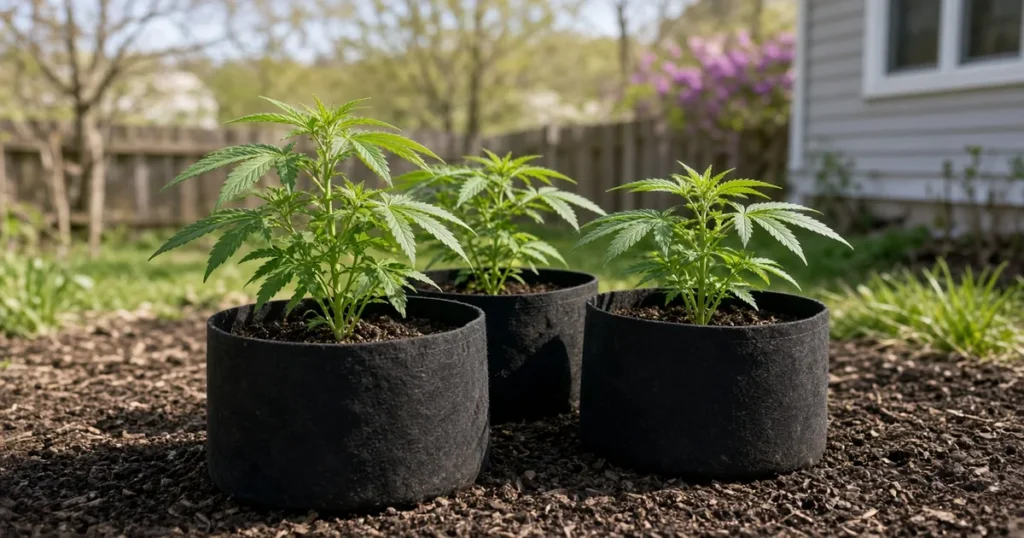
A Massachusetts outdoor grow is a race between June and October. Cape Cod’s ocean warmth stretches the fall, while the Berkshires can see frost in late September. Between them sit Boston’s heat island and the Pioneer Valley, one of the best farming valleys in New England. This guide covers when to plant cannabis outdoors in Massachusetts by region for adults 21 and older growing under state law.
The Massachusetts rules that shape your grow
Adults 21 and older may grow up to 6 plants each, with a cap of 12 plants per household. Plants must not be visible from a public place without binoculars or similar aids and must be kept in a locked or secured area. Local and landlord rules may add limits, so confirm the current rules with official state sources before you plant.
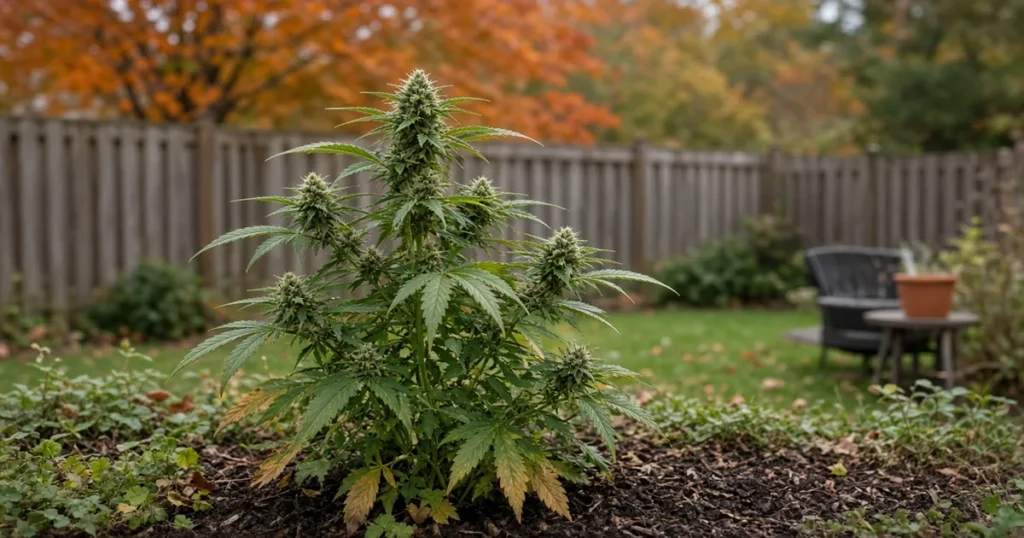
The “without binoculars” standard is specific to Massachusetts. In practice, a solid fence or a backyard enclosure that blocks the view from the street and sidewalk is the usual approach. In triple deckers and dense neighborhoods, check whether upper floor neighbors or nearby public spaces can see into your yard.
Planting dates by region
Cape Cod, the Islands and the South Coast
The ocean holds heat into fall, so first frost on the Cape and the Islands often comes in early to mid November. Spring is slow, though, because the cool ocean keeps May chilly. Many growers plant in late May. The long fall gives photoperiods time to finish, but sea fog and salt air raise mold risk.
Greater Boston and the North Shore
Boston’s heat island gives one of the longer seasons in the state, with last frost often in late April and first frost in late October. Planting in mid to late May is common. Small yards and close neighbors make privacy the main challenge.
Central Massachusetts and the Pioneer Valley
The Connecticut River Valley around Northampton and Amherst has rich soil and warm summers, but cold air pools on the valley floor. Last frost can come in mid May, and first frost in early October. Worcester and the central hills are cooler and slightly later.
The Berkshires
Higher towns in Berkshire and Franklin counties often see frost in late May and again by late September. Autoflowers and fast photoperiods are the best fit.
Frost dates at a glance
| Region | Last frost | First frost | Plant out |
|---|---|---|---|
| Cape Cod and Islands | Late April to early May | Early to mid November | Late May |
| Greater Boston | Late April | Late October | Mid to late May |
| Pioneer Valley and Worcester | Early to mid May | Early October | Late May to early June |
| Berkshires | Mid to late May | Late September | Early June |
UMass Extension’s Center for Agriculture publishes frost and growing information for Massachusetts gardeners.
Bud rot, Massachusetts’ biggest problem
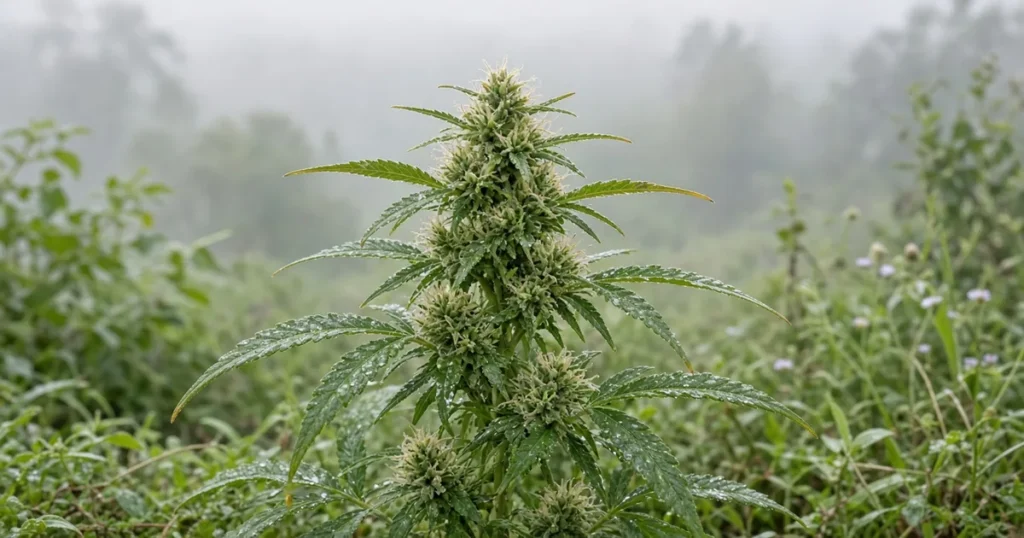
September in Massachusetts brings cool, damp nights and long dews. Combined with dense colas, that creates ideal conditions for botrytis, or gray mold. It starts inside the bud and can spread fast. Space plants well apart, remove interior leaves and lower branches, and check inside the largest buds every few days from mid September. Our list of mold resistant cannabis strains is a good starting point.
Nor’easters and tropical remnants
Late season storms, from tropical remnants in September to early nor’easters in October, bring wind and soaking rain. Stake plants in August. If a long storm is forecast and buds are nearly ripe, many growers harvest early.
Massachusetts pests
Japanese beetles, aphids and caterpillars are common. Deer and woodchucks browse young plants in suburban and rural areas, so fencing helps. Spotted lanternfly has been found in parts of the state.
Photoperiods or autoflowers in Massachusetts
Photoperiods planted in late May usually begin flowering in August and finish from late September to mid October. That works in Boston and the Cape but is tight in the Berkshires. Autoflowers finish in about ten to twelve weeks and suit the hills, late starters and growers who want small, discreet plants.
Starting seeds
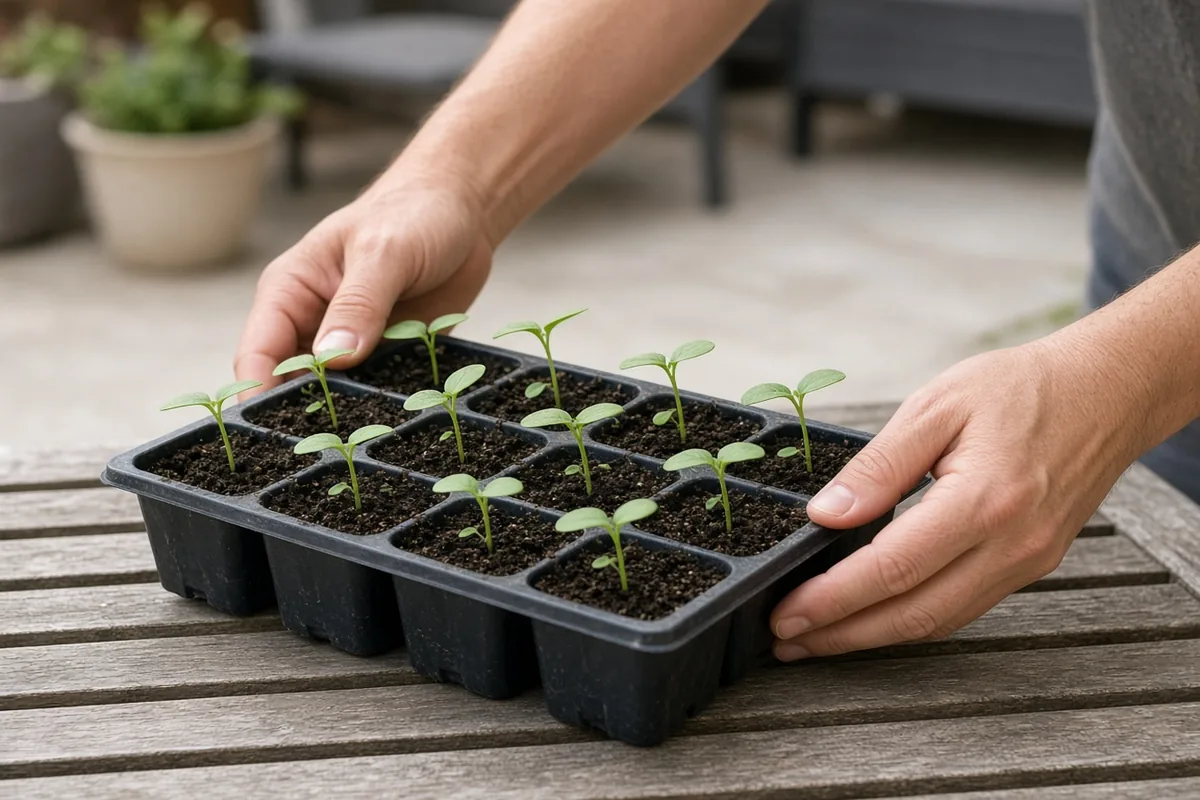
Start indoors in late April or early May. Our guides on how to germinate cannabis seeds and when to plant cannabis seeds outdoors cover the basics of germination and hardening off.
A Massachusetts season at a glance
April is for starting seeds and preparing beds. Massachusetts soils are often rocky and acidic, so many growers add lime and compost or use raised beds. May is for hardening off, with planting late in the month. June and July are for training and watering. August marks the start of flowering and the first pest pressure. September is the critical month for mold checks, and October is harvest across most of the state.
Soil in the Bay State
Glaciers left Massachusetts with rocky, sandy and often acidic soil. Cape Cod soils are especially sandy and drain almost instantly, while parts of the North Shore and Worcester County hold heavy, stony clay. The Pioneer Valley is the exception, with deep river loam that has supported farms for centuries. A soil test through the UMass Soil and Plant Nutrient Testing Lab costs little and reports pH, organic matter and nutrient levels. Cannabis prefers a pH close to neutral, so many Massachusetts growers add garden lime in early spring. Raised beds and fabric pots also let you skip rocky ground altogether.
Coastal growing tips
Sea breezes keep coastal yards cooler in summer and help dry leaves after rain, which is helpful. Salt spray, though, can burn leaves on exposed sites. A hedge or fence on the ocean side helps. Fog is common on the South Coast and the Islands in late summer, so pick early finishing, airy strains. On the Cape, the extra weeks of fall can let a photoperiod finish fully when inland growers are racing frost.
Urban and suburban grows
Many Massachusetts growers work with small lots in Boston, Cambridge, Somerville, Worcester or Springfield. Containers on a sunny back porch or deck can work well, as long as the plants are secured and not visible from public places. South facing brick walls store heat and can add a few degrees on cool nights. Keep plants short with training so they stay below fence and railing lines. Remember that the 12 plant household cap applies no matter how many adults live in the home.
Locking and securing
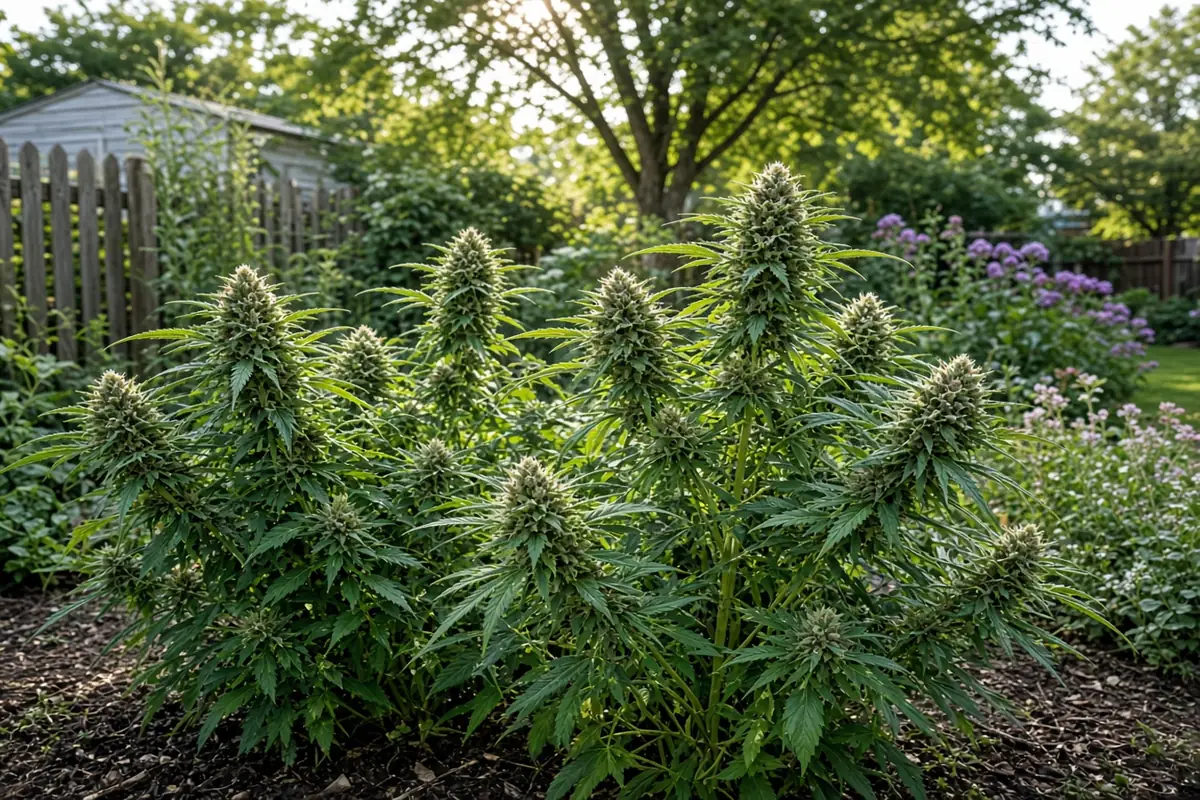
The locked or secured rule often means a fenced yard with a lockable gate, a lockable greenhouse or a secure enclosure. Keep plants away from children and visitors.
Choosing genetics
Pick strains that finish by early October and resist mold. Browse the Massachusetts marijuana seeds page and our outdoor seeds collection.
Harvest timing
Watch trichomes from mid September. Our guide on when to harvest outdoor cannabis explains the signs.
Final thoughts
Most Massachusetts growers plant outdoors in mid to late May, a bit later in the Berkshires and the Pioneer Valley. Focus on mold resistance, airflow and privacy.
Grow legally in Massachusetts
Stay within 6 plants per adult and 12 per household, keep the grow locked or secured, and keep plants out of public view. Kind Seed Co sells only to adults 21 and older. See our guide on legal requirements for growing weed plants in your state and our December 11 2026 seed rule explainer. This is gardening information, not legal or medical advice.
Frequently asked questions
Do plants need to be locked up in Massachusetts?
State law requires home grows to be kept secure and out of public view. Check local rules too.
When is first frost on Cape Cod?
Often early to mid November, later than inland.
How do I stop bud rot?
Space plants, prune for airflow and pick mold resistant strains.
Are autoflowers good for the Berkshires?
Yes. They fit the shorter mountain season.
Ready to start
See the marijuana seeds massachusetts page or the Kind Seed Co shop. Grow within Massachusetts law.