When to plant cannabis outdoors in Vermont
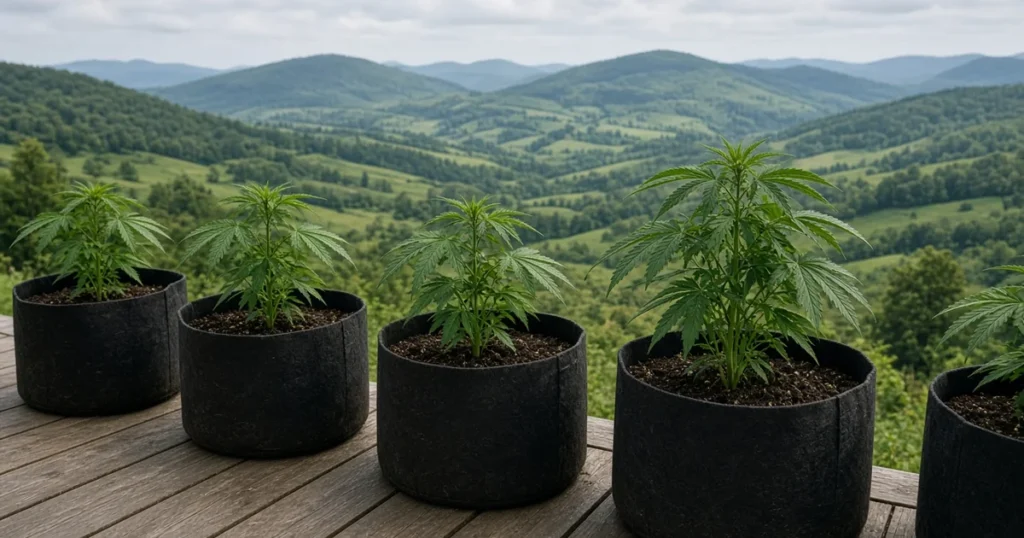
Vermont has one of the shortest outdoor cannabis seasons in the lower 48 states. Frost can linger into late May, and in the hill towns it can return before the end of September. That leaves a window of roughly four months, sometimes less, for a photoperiod plant that would happily use six. The good news is that Vermont summers are bright, cool and rarely brutal, and careful growers bring in clean, aromatic harvests every year. The key is timing.
What Vermont law allows
Adults 21 and older in Vermont may grow up to 2 mature and 4 immature cannabis plants per household. The plants must be kept in a secure enclosure and screened from public view. Landlords can prohibit growing in rented homes. These rules come from the state law amended in 2018 and are enforced locally, so confirm the current text on the Cannabis Control Board site and check your lease before you start. The 2 mature plant cap matters for planning, because it rewards growers who get the most out of each plant rather than planting many.
Frost dates across the state
| Region | Typical last frost | Typical first fall frost | Safe planting target |
|---|---|---|---|
| Champlain Valley and Burlington | Mid May | Late September to early October | First week of June |
| Connecticut River valley towns | Mid to late May | Late September | Early June |
| Central Vermont and Montpelier | Late May | Mid to late September | Early to mid June |
| Northeast Kingdom | Late May to early June | Early to mid September | Mid June |
| Southern Green Mountain towns | Late May | Mid September | Mid June |
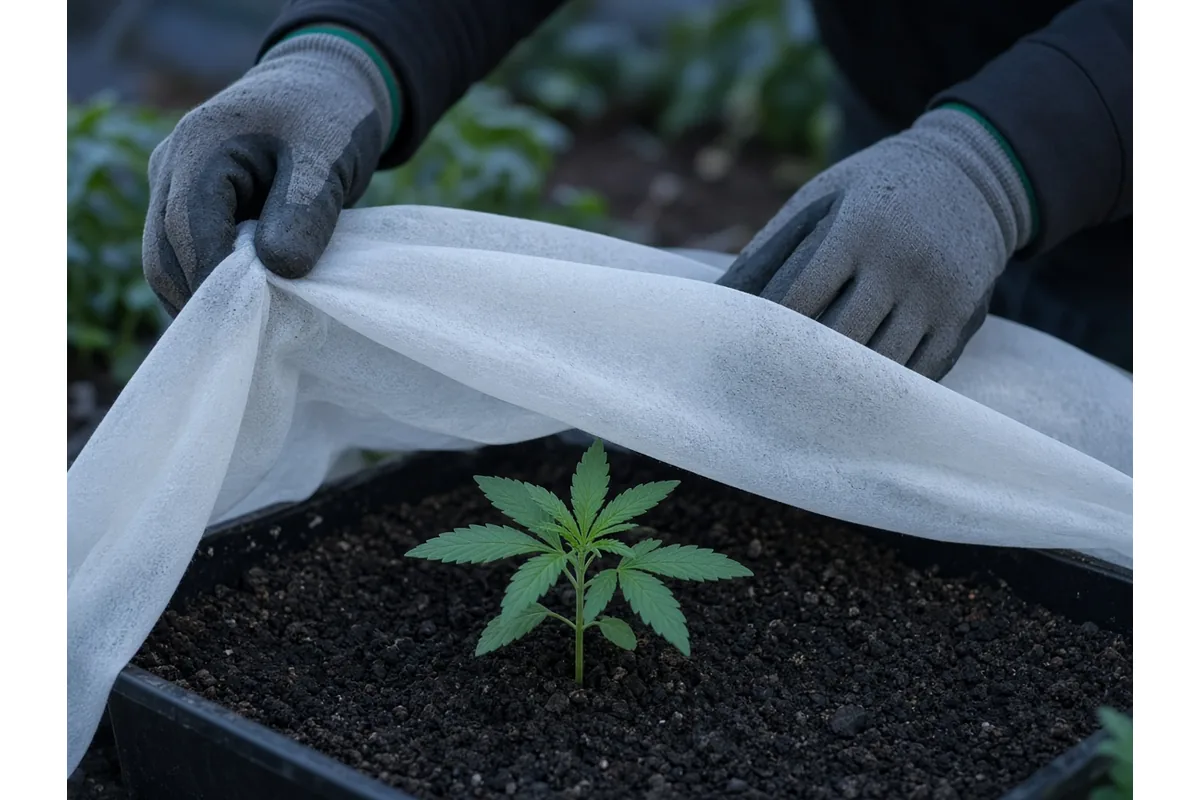
These are averages, not promises. Vermont is famous for a cold snap after Memorial Day, so watch the ten day forecast before moving plants out, and keep a frost cloth handy through mid June.
Why soil warmth matters more than the date
Mud season gives way to cold, saturated ground. Even after the air turns mild, Vermont garden soil often stays chilly and wet into June, especially in heavy clay and shaded valleys. Cannabis transplanted into cold, soggy soil sits still for weeks. Waiting until the top few inches reach the low 60s Fahrenheit pays off in faster rooting. Our soil temperature guide for planting cannabis explains how to measure it.
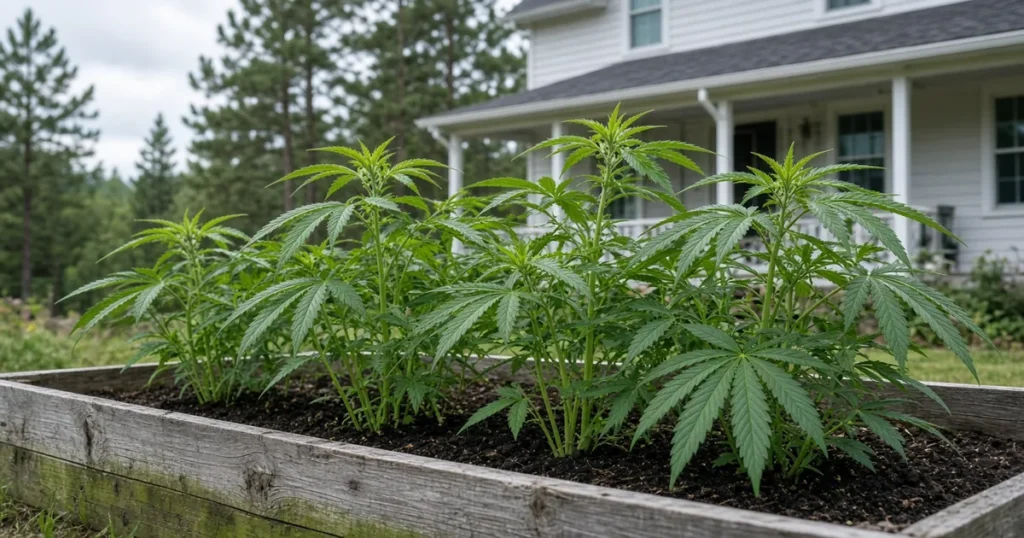
Raised beds and large fabric pots warm up faster than ground soil. Dark mulch helps early in the season, and a south facing wall or fence adds a few degrees of reflected heat. Many Vermont growers use containers for exactly this reason, and because pots can be wheeled into a garage on a frosty night.
Choosing plants for a short season
With only 2 mature plants allowed, strain choice decides the harvest.
Fast photoperiods
Look for indica leaning or hybrid photoperiod strains listed to finish outdoors by mid to late September at northern latitudes. Strains that need until late October are a poor bet almost anywhere in the state. Mold resistance matters too, because September dew and fog in river valleys keep flowers wet in the mornings.
Autoflowers
Autoflowers fit Vermont well. Sown in early June, a typical autoflower finishes in late August or early September, well before the first frost in most towns. Keep in mind that immature autoflowers count against the immature limit, and they become mature plants once they flower, so plan your numbers so you never exceed 2 mature plants at a time.
A sample Vermont calendar
- Early May: start seeds indoors under a small light. See our guide on how to germinate cannabis seeds.
- Late May: begin hardening off seedlings on mild afternoons.
- First to mid June: transplant once nights stay above 50 degrees and the soil has warmed.
- July: top or train plants to fill out within the space allowed.
- Late August: watch for early flowers and support heavy branches.
- September: inspect buds daily for mold and follow our guide on when to harvest outdoor cannabis.
Handling an early frost
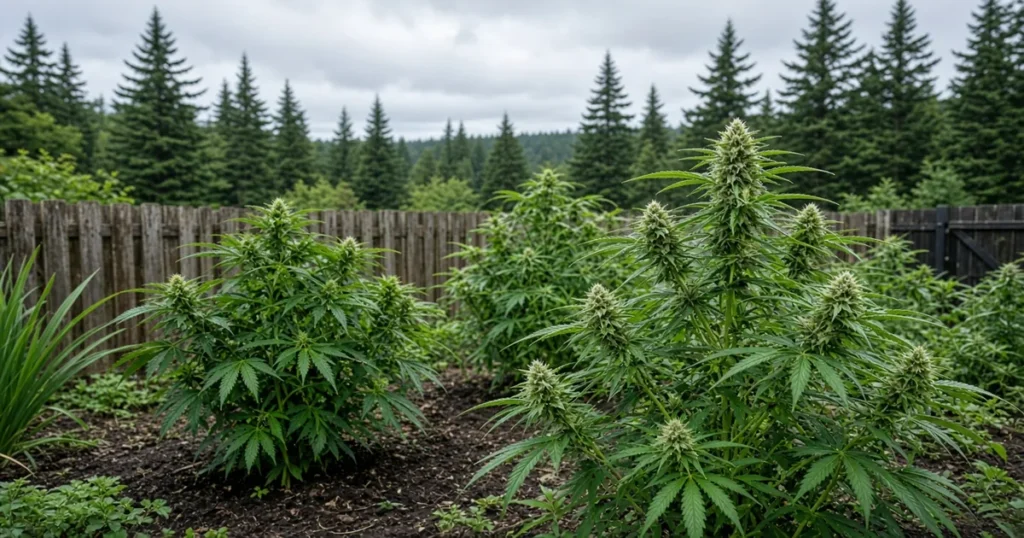
A light frost in late September usually damages fan leaves before it hurts buds, but repeated frosts or a hard freeze end the season. If nights in the low 30s are forecast and your buds are close to done, harvesting a few days early is often the better choice. Our guide to frost damage on cannabis shows what frost damage looks like and how to judge whether flowers are still usable. Some growers drape row cover over plants on borderline nights to buy another week.
Keeping the garden legal and discreet
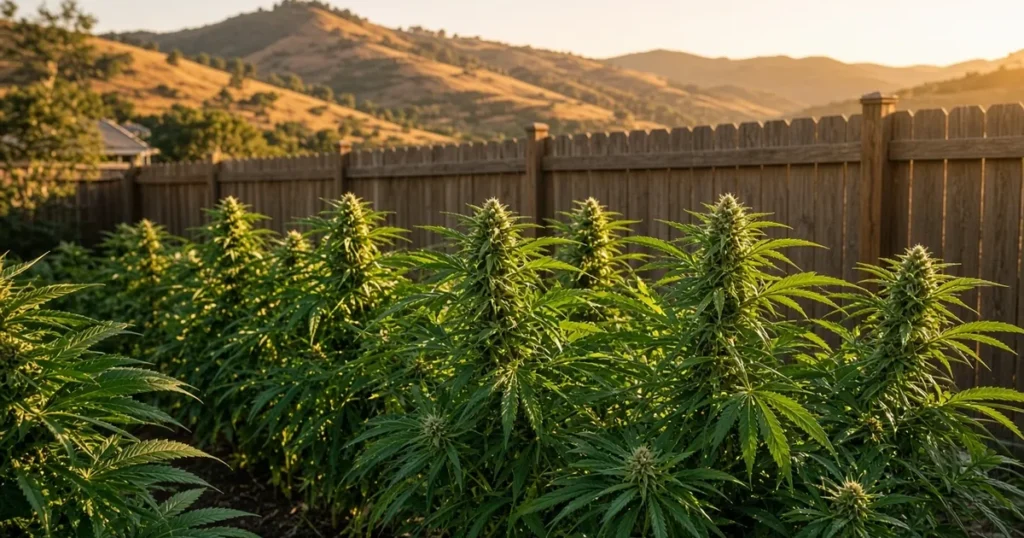
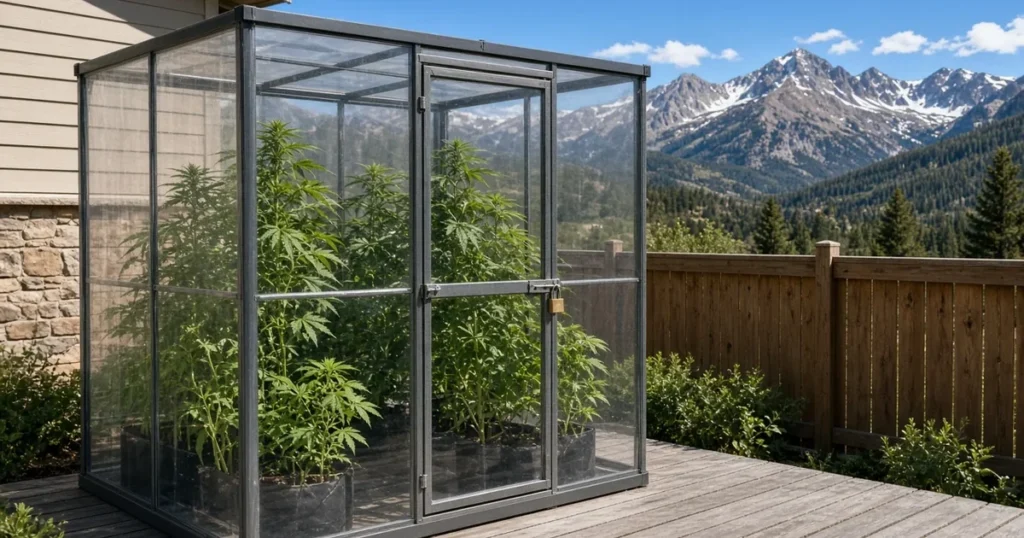
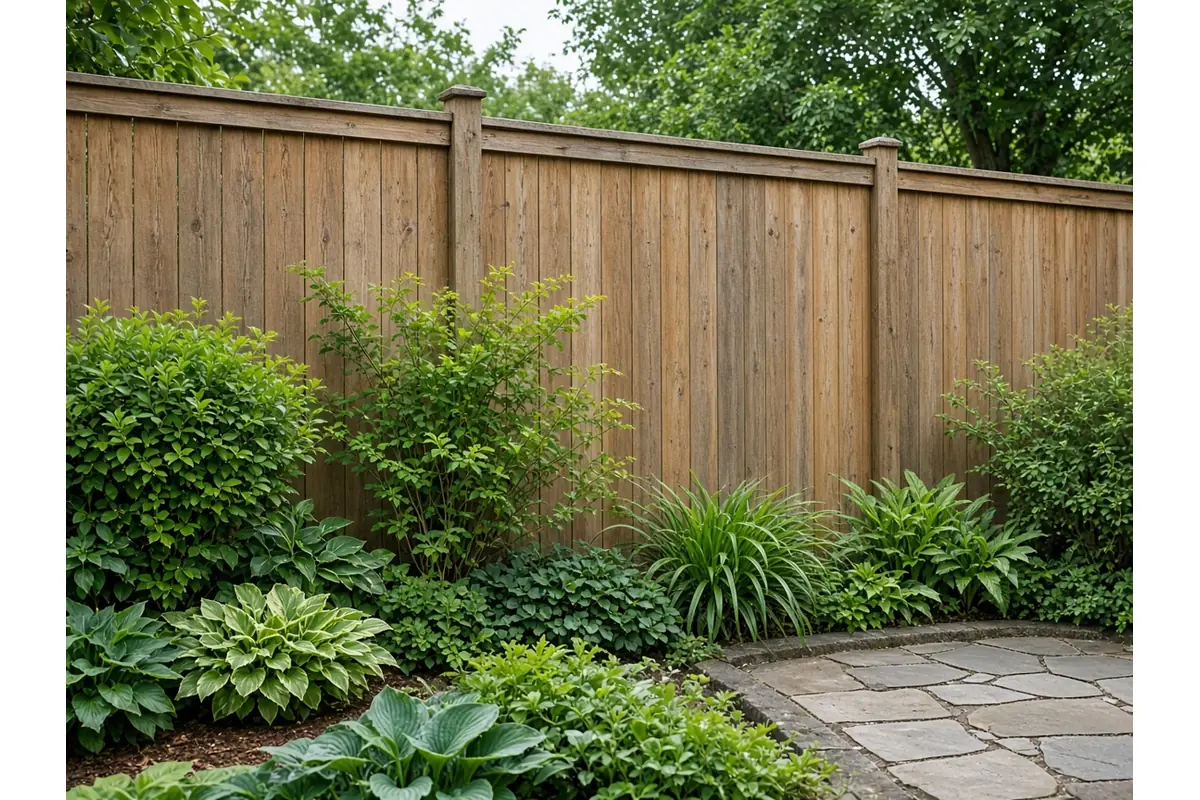
Vermont requires the grow to be secured and out of public view. A fenced backyard, a locked greenhouse or a screened porch can all work. Plants should not be visible from the road or from neighboring public land. Keep harvested flower locked up as well, and never share or sell beyond what state law allows. For broader timing principles that apply in any state, see our guide on when to plant cannabis seeds outdoors.
Pests and wildlife to expect
Vermont gardens share space with deer, woodchucks and the occasional moose wandering through a rural yard. Young cannabis plants are a target for browsing, so a fence helps for both privacy and protection. Slugs thrive in cool, damp June weather and can shred seedlings overnight. Hand picking at dusk and a ring of coarse mulch slow them down. In August, watch for caterpillars hiding inside buds, since their droppings can start rot. A weekly close look at the flowers catches most problems early.
Grow legally and responsibly
Home cultivation is only legal in some states, and each state sets its own plant limits, locking rules and rules about whether plants can be visible from a public place. You must be 21 or older to buy seeds from Kind Seed Co, and you should grow only where your state and city allow it. Check your state rules in our guide to the legal requirements for growing weed plants in your state before you plant. Federal treatment of cannabis seeds is also changing, so read our December 11 2026 seed rule explainer before you order. Keep plants and harvested flower locked away from children, pets and visitors, and never drive after using cannabis. This article is general information. It is not legal advice and it is not medical advice.
Frequently asked questions
How many cannabis plants can I grow in Vermont?
Up to 2 mature and 4 immature plants per household, for adults 21 and older, in a secure area screened from public view. Confirm the current rules with the Cannabis Control Board.
When is the best time to plant cannabis outdoors in Vermont?
For most towns, early to mid June, once frost risk has passed and the soil has warmed. The Champlain Valley can go a little earlier, and the Northeast Kingdom a little later.
Do autoflowers work in Vermont?
Yes. Sown in early June, most autoflowers finish by early September, ahead of the first frost in most of the state.
What if frost hits before harvest?
A light frost often harms leaves first. If a hard freeze is coming and buds are nearly ready, harvest early rather than risk the crop.
Final thoughts
Vermont rewards patience in spring and quick decisions in fall. Start seeds in May, plant in June once the soil warms, and pick strains that finish by late September. Keep both mature plants secured and out of sight, watch the forecast closely from Labor Day on, and you can bring in a clean harvest even in a short northern season.
Ready to start
Browse the full range in the Kind Seed Co shop or go straight to marijuana seeds vermont. Kind Seed Co sells only to adults 21 and older. Always follow the cannabis laws where you live.