When to start cannabis seeds indoors in Connecticut
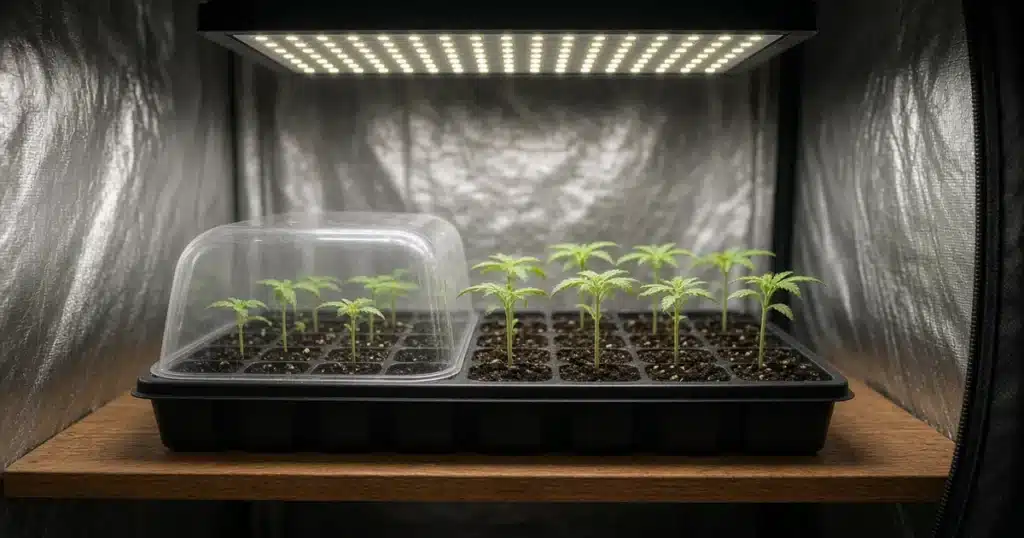
Connecticut is small, but its growing conditions shift quickly from the Long Island Sound shoreline to the hills of Litchfield County. The coast stays warm into fall, the Connecticut River Valley grows tobacco and vegetables in rich soil, and the northwest corner can see frost before the leaves turn. Official Department of Consumer Protection guidance says that adults 21 and older must grow cannabis indoors at their primary residence. This guide covers when to start cannabis seeds indoors in Connecticut, using local frost windows and seasonal risks to plan that indoor calendar. It is not advice to plant cannabis outdoors.
Quick indoor starting guide
- Shoreline, New Haven to Stonington: start seeds indoors in mid to late April. Frost free period often mid to late May through late September to mid October.
- Hartford and the Connecticut River Valley: start seeds indoors in late April. Frost free period often late May through late September to early October.
- Eastern Connecticut, the Quiet Corner: start seeds indoors in late April. Frost free period often late May to early June through late September.
- Litchfield Hills: start seeds indoors in late April to early May. Frost free period often early June through mid to late September.
Use the frost windows above only to plan that indoor calendar. They are not a schedule for planting cannabis outside. UConn Extension and the UConn Home and Garden Education Center publish frost dates and planting information for Connecticut gardeners.
Connecticut home grow rules
Adults 21 and older may grow up to 3 mature and 3 immature plants each, with a household cap of 12 plants total. Official Department of Consumer Protection guidance says that plants must be grown indoors at the grower’s primary residence and must not be visible from the street. For the full rules, see our guide to Connecticut cannabis home grow rules for 2027.
The shoreline
Long Island Sound moderates temperatures, delaying fall frost into late October or early November in towns near the water. Springs are cool, and the frost free season usually opens in mid to late May. Humid air in August and September raises mold risk along the coast. In a home grow space, that coastal humidity is why steady ventilation matters, so leaves can dry and buds are less prone to mold.
The Connecticut River Valley
The valley from Hartford north to Enfield has rich, sandy loam soils, the same soils once used for shade tobacco. Summers are warm, but cold air pools on the valley floor, so frost can come in early October. The outdoor season is short. Official guidance still requires cannabis plants to stay indoors at the primary residence, even when the valley climate looks favorable.
Eastern Connecticut
Windham and Tolland counties are rural, rolling and a bit cooler. Soils are often rocky. Deer are common across the region. Those landscape facts help explain the local climate. They are not a reason to put cannabis plants in a raised bed, a fenced plot or any other outdoor space.
The Litchfield Hills
The northwest corner has elevations over 1,000 feet in many towns. Frost can come in late May and again by mid September. That short frost free window is why many indoor growers in the hills prefer autoflowers or fast photoperiods that are started and finished indoors.
Main threats to Connecticut grows
Humidity and bud rot
August and September are humid, and cool fall nights bring heavy dew. Botrytis can ruin colas fast, including in a crowded indoor room that takes in damp air. Thin interior leaves, space plants and check buds often. See our mold resistant cannabis strains.
Tropical storms
Connecticut is exposed to tropical storms moving up the coast in September. For an indoor home grow, the risks are power loss, a jump in humidity and damage to the building, not a plant left standing in a plot. Keep a locked indoor space ready for a wet week, and do not move plants outside after a storm.
Deer and other wildlife
Deer browse plants in nearly every town, and Connecticut has one of the denser deer populations in New England. Woodchucks and rabbits also feed in lawns and at the edge of woods. Official DCP guidance keeps cannabis plants indoors at the primary residence, so a fence or netting around a yard does not meet the rule.
Insects
Japanese beetles, aphids and caterpillars are common outdoors. Spotted lanternfly has spread into Connecticut and feeds on many plants. Keeping cannabis indoors at the residence also keeps those outdoor pests off the crop.
Photoperiods or autoflowers
On the shoreline, the frost free season often runs from mid May into October. Inland and in the hills, that window is shorter, which is why fast photoperiods or autoflowers are a common indoor choice in those areas. A photoperiod crop grown indoors is flipped with a timer, not by the late summer change in day length.
Starting from seed
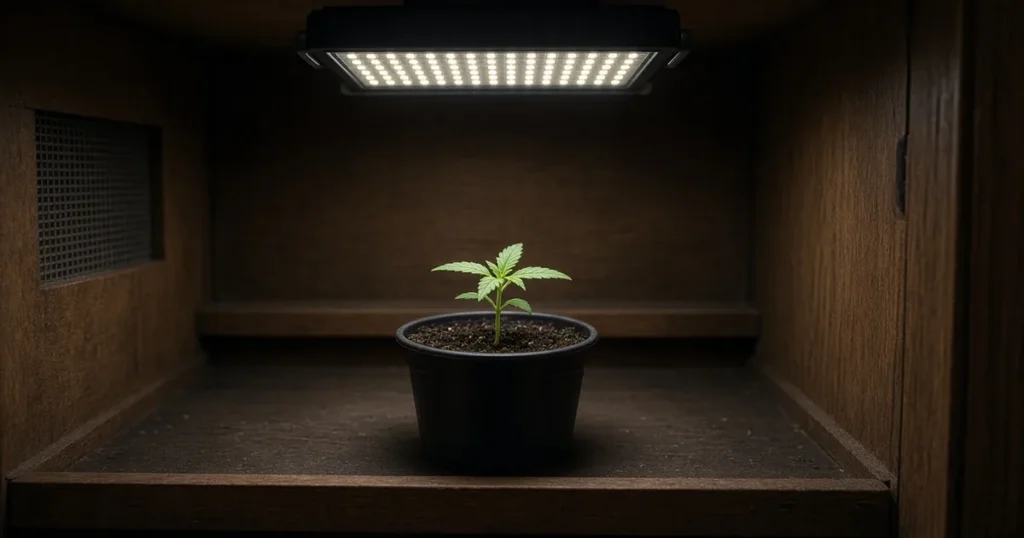
Start seeds indoors in late April. Our guide on how to germinate cannabis seeds covers the first step. Official DCP guidance keeps plants indoors at the primary residence, so there is no outdoor hardening off or plant out step under that guidance.
A Connecticut season month by month
In April, start seeds indoors. Connecticut’s outdoor soils are often acidic and stony. The UConn Soil Nutrient Analysis Lab offers testing for garden soil, which helps describe the local climate. In May, nights often stay above about 50 degrees by late in the month on the shoreline, and later in the hills. That is when the outdoor season opens. It is not a date to move cannabis outside. June and July are warm and often humid. August brings the first heavy dews. September is the riskiest month for mold and storms, and indoor rooms can pick up that late summer humidity, so airflow matters. Judge harvest by the trichomes, not by the first fall frost.
Growing in a small Connecticut home
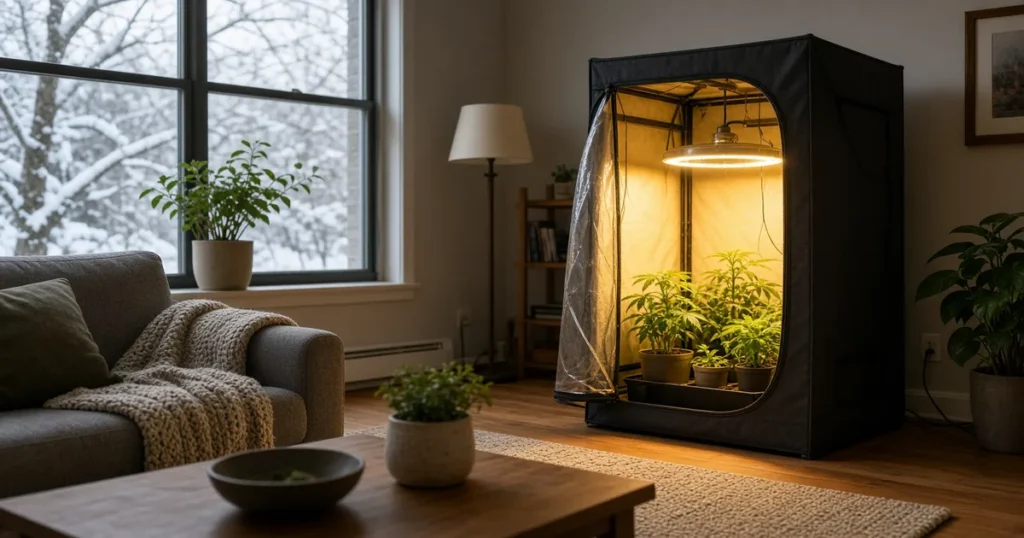
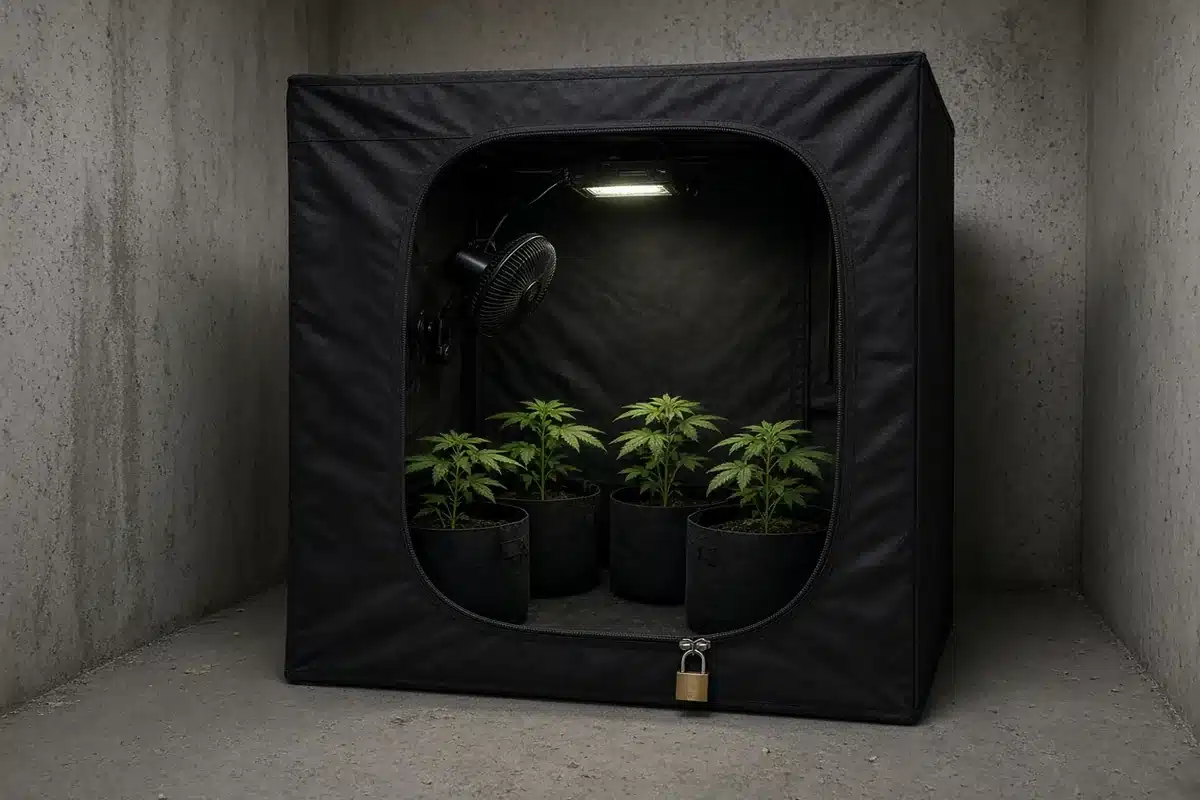
Many Connecticut homes, from Fairfield County suburbs to older mill towns, have small or shaded lots. Official guidance does not treat a yard, a deck or a greenhouse as the place for cannabis plants. Plants belong indoors at the primary residence, in a secured, locked area that is not visible from the street, and kept where people under 21 cannot reach them. In a small home, that usually means a locked room, a closet or a tent with no street view through a window.
Using the immature plant allowance
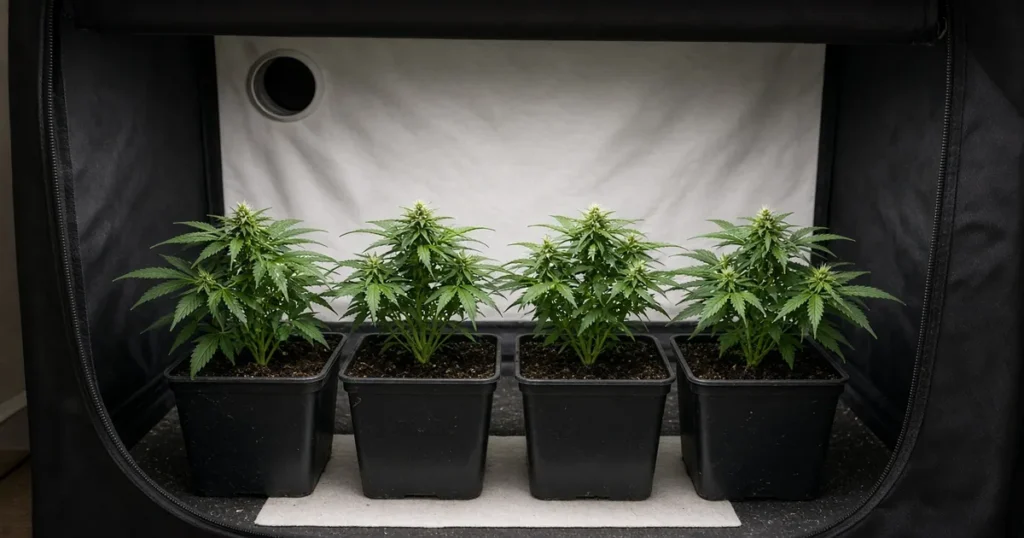
Each adult may also keep 3 immature plants. Some growers start extra seedlings indoors and keep the strongest as backups. Others start autoflowers in June so they finish as an earlier photoperiod crop is being harvested. Keep track so the mature count stays within limits at all times.
Securing your plants
Official Department of Consumer Protection guidance says that plants must be grown indoors at the grower’s primary residence. Keep them in a secured, locked area that is not visible from the street, and keep them where people under 21 cannot access them. A fenced yard, a greenhouse or any outdoor plot does not meet that guidance. Local and landlord rules may add limits.
Choosing genetics
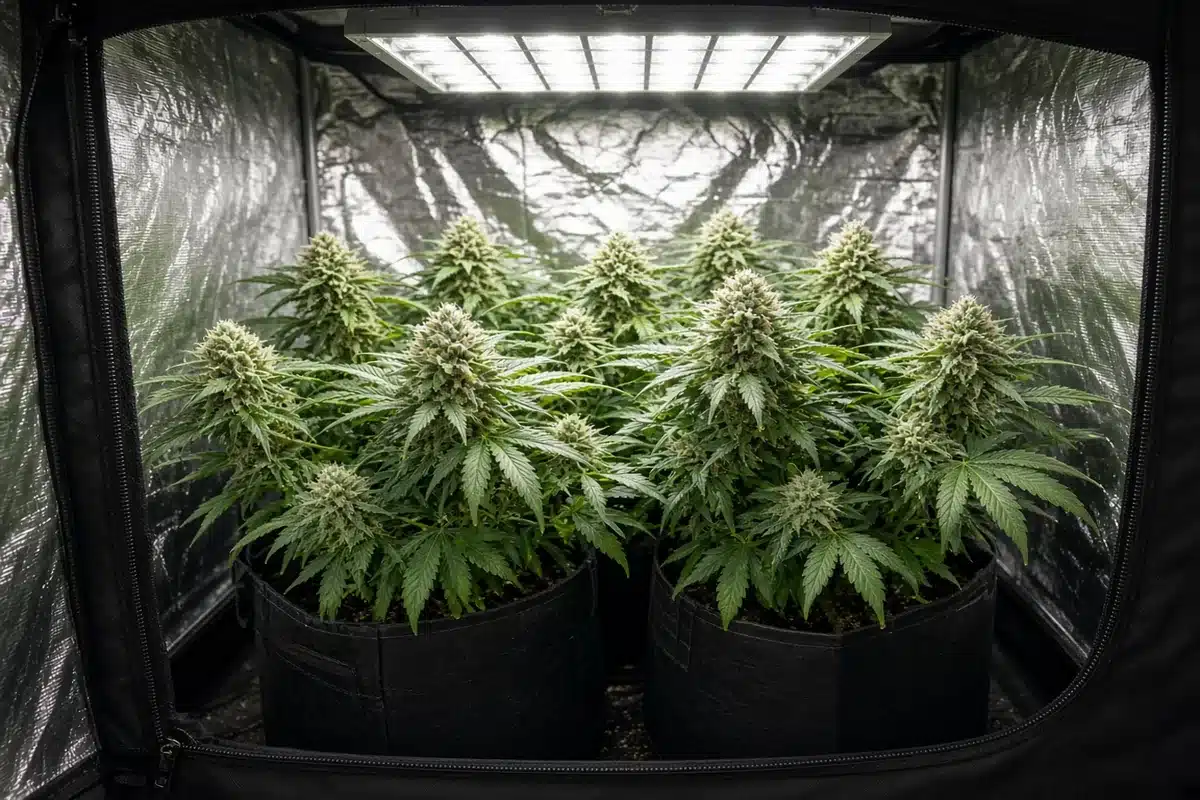
Pick strains that handle humidity well, since August and September are damp in much of Connecticut. Browse the Connecticut marijuana seeds page and our indoor seeds collection.
Harvest timing
Our guide on whether your marijuana is ready for harvest explains how to read trichomes and pistils. Use those same cues for an indoor harvest as well, rather than a frost date.
Microclimates across a small state
Connecticut’s hills and river valleys create sharp microclimates. A hilltop in Glastonbury may stay frost free a week longer than the valley floor a mile away, because cold air drains downhill. South facing slopes warm fastest in spring. Areas near large reservoirs, such as Candlewood Lake, often see milder fall nights. Those patterns help explain local frost dates. They are not a map for placing cannabis plants outside.
Final thoughts
Official Department of Consumer Protection guidance requires cannabis plants to be grown indoors at the primary residence, in a secured, locked area that is not visible from the street, and kept away from anyone under 21. Connecticut’s outdoor season is still worth knowing. Frost windows, late summer humidity and September storms shape how you plan an indoor home grow. Focus on mold resistance, a locked indoor space and the plant limits above.
Grow legally in Connecticut
Stay within 3 mature and 3 immature plants per adult 21 and older, and 12 plants per household, grown indoors at the primary residence. Official DCP guidance says the plants must not be visible from the street. Kind Seed Co sells only to adults 21 and older. For the full rules, see our guide to Connecticut cannabis home grow rules for 2027, plus our guide on legal requirements for growing weed plants in your state. This is gardening information, not legal or medical advice.
Frequently asked questions
How many plants can a Connecticut household grow?
Up to 12 plants total, with each adult limited to 3 mature and 3 immature plants.
When is first frost on the shoreline?
Often late October or early November.
Can I grow in a fenced yard or greenhouse?
Official DCP guidance says that plants must be grown indoors at the primary residence, not in a yard or greenhouse. Keep them secured, locked, out of view from the street, and away from anyone under 21.
Are autoflowers good for Litchfield County?
Yes. They suit the shorter hill season and can be started and finished indoors.
Ready to start
Visit the marijuana seeds connecticut page or the Kind Seed Co shop. Grow within Connecticut law.