
5 Step Solution to Your Cannabis Growing Problems
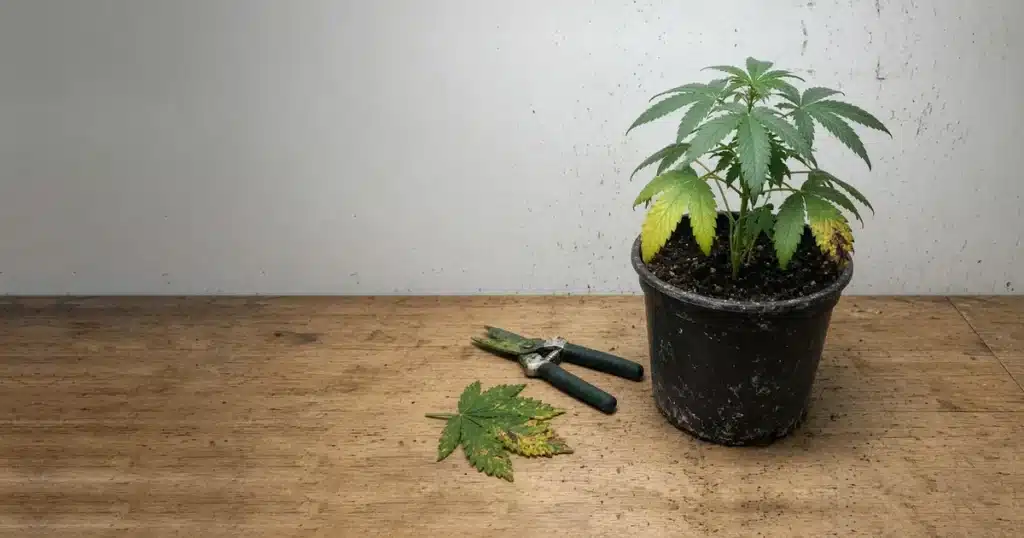
Every home grower runs into trouble sooner or later. The good news is that almost any problem can be handled with the same simple routine. Here are five steps to go from spotting an issue to making sure it stays fixed.
1. Identify the problem
Everything starts with an accurate diagnosis. Most problems fall into three groups:
- Pests such as aphids, spider mites and fungus gnats.
- Nutrient shortages, which show up as yellow leaves, slow growth or weak stems.
- Environment, meaning temperature, humidity or light that is out of balance.
Getting this right matters. A wrong diagnosis wastes time and money and can make things worse. Signs can be misleading, so it takes practice to read them well. Our guide to common cannabis plant problems is a good place to compare what you see.
2. Research your options
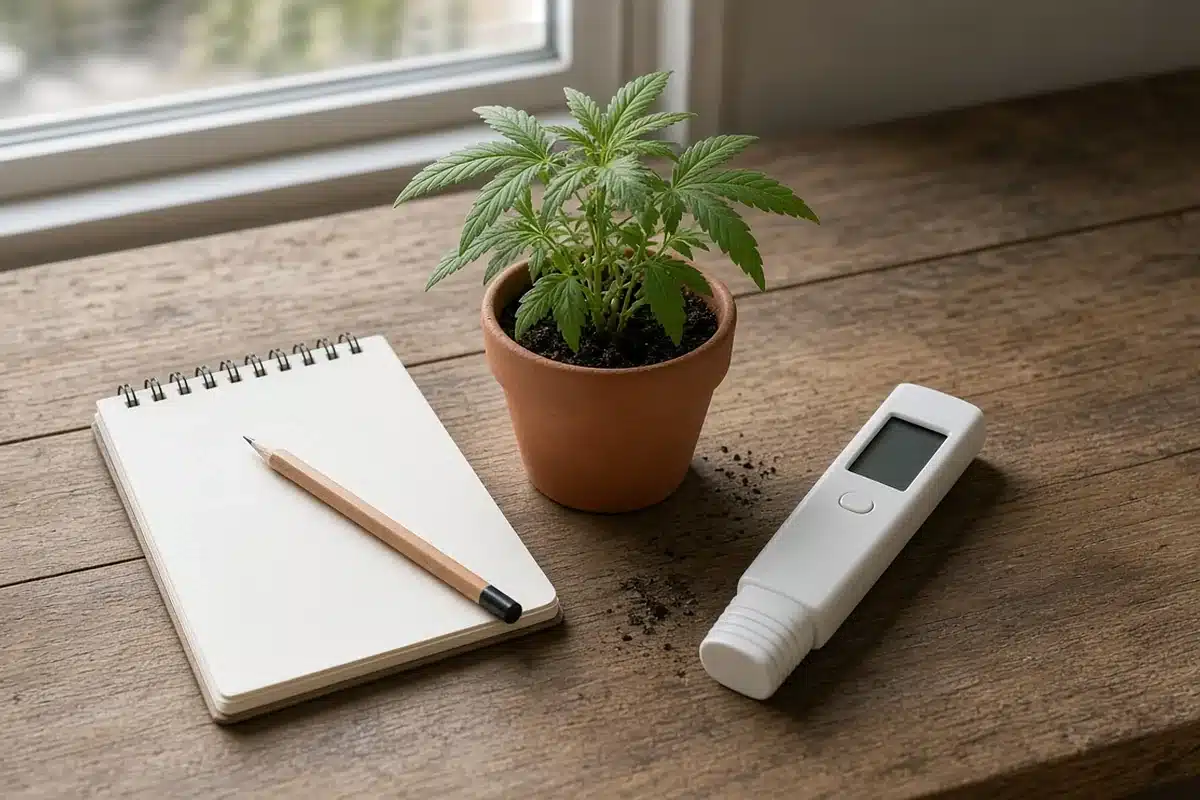
Once you know the problem, look at the possible fixes. Pests can be handled with natural repellents, beneficial insects or pesticides. Nutrient problems call for a close look at your feeding plan and sometimes a specific supplement. Environmental problems may need new gear such as a dehumidifier, heater or better lights, or simply moving the plants.
Each option has pros and cons. Do not rush. Weigh them against your setup before you choose.
3. Put the fix in place
How you apply the fix depends on the problem. For pests, you might release ladybugs or lacewings to keep numbers down. For a nutrient shortage, add the missing nutrient carefully so you do not overfeed and cause nutrient burn. For the environment, adjust heat, humidity or light, or move your plants.
Any change, even a good one, is a shock to plants. Make changes gradually where you can and watch how they react. Timing matters too. A sudden change in the light cycle can upset growth, so shift it over a few days. Our guide to problems that put pressure on cannabis plants covers what to avoid.
4. Monitor and adjust
Check your plants every day. With pests, look for fewer bugs, or signs of the beneficial insects you released. With nutrients, watch leaf color and new growth. With environmental fixes, take regular readings to make sure conditions stay where you want them.
Results can take time. But if nothing changes or things get worse, try a different approach. Keeping notes makes this much easier, as our guide to documenting weed plant growth explains.
5. Judge the results
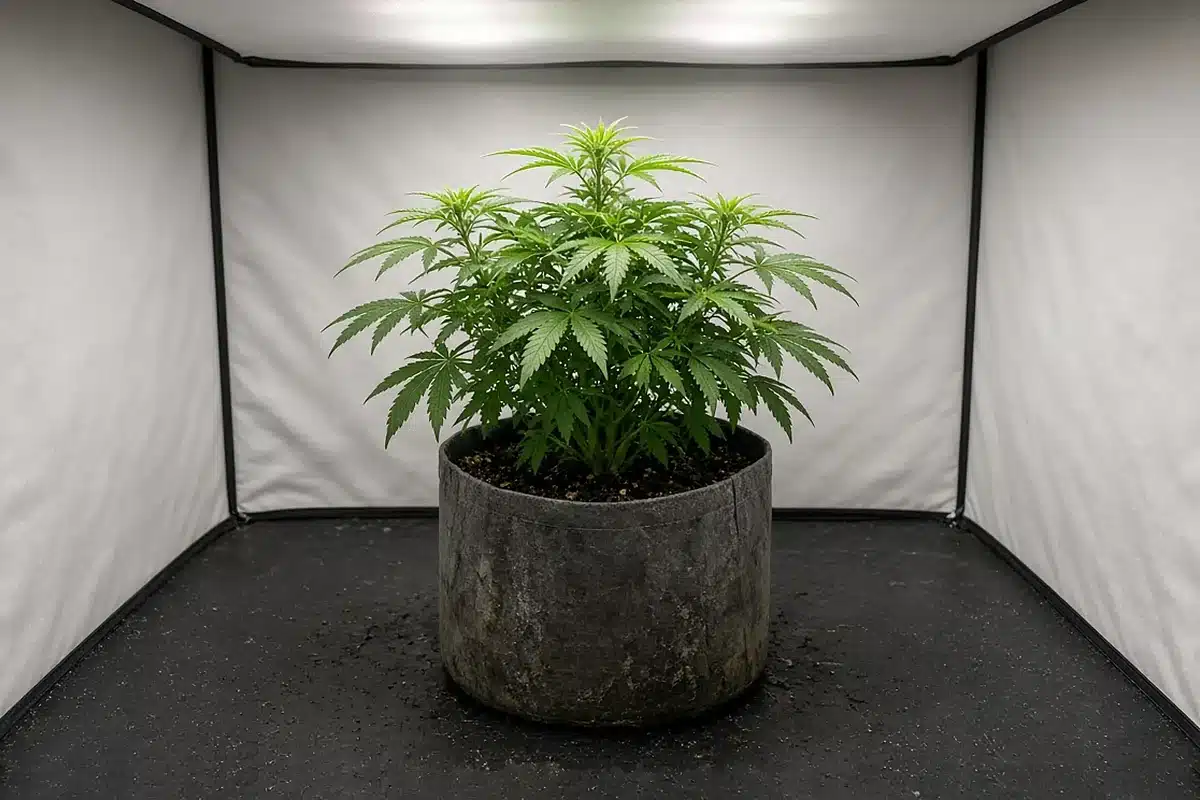
Success looks different for each problem. Pests should be gone or close to it. Plants short on nutrients should show better color and growth. Environmental fixes should hold steady. Look for gradual improvement and make sure the problem does not come back.
Every problem you solve teaches you something for the next grow. Some issues clear up in one round, while others take a few tries. If a plant is in rough shape, our guide on how to revive sick cannabis plants can help. With seeds from Kind Seed Co and this simple routine, you will have a clear plan for whatever comes up.
FAQ
What is the first step in fixing a cannabis growing problem?
Identify the problem accurately. A wrong diagnosis can waste time and make things worse.
How long does it take for cannabis to recover?
It depends on the problem and how severe it is. Watch daily and change approach if things get worse.
Should I make big changes all at once?
No. Change things gradually where you can, since sudden changes can set plants back.
Do beneficial insects really work on cannabis pests?
Yes. Ladybugs and lacewings can keep pests such as aphids in check naturally.


