
Tomatoes for Hydroponics: Compact Plus Greenhouse Types
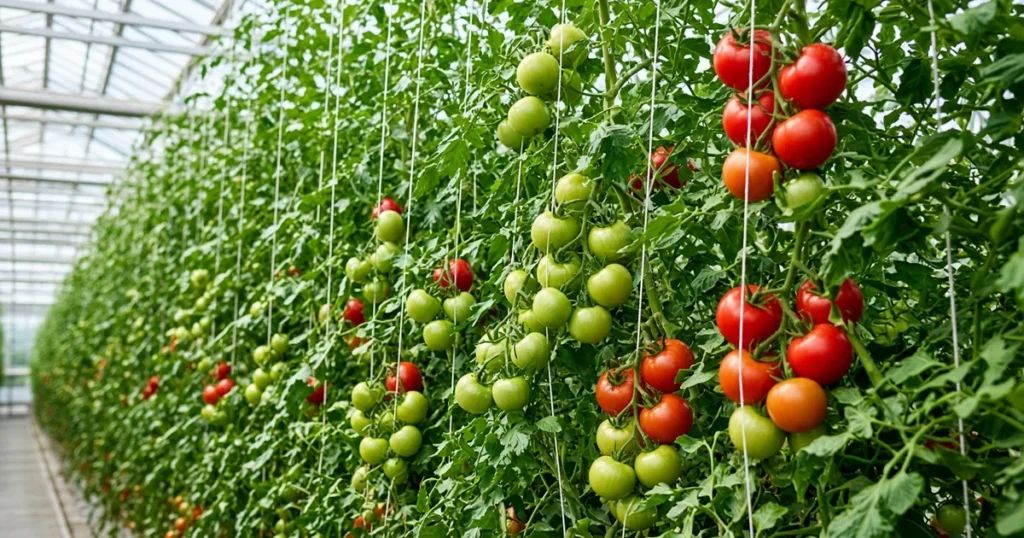
The right tomatoes for hydroponics are compact determinate types for small systems plus greenhouse indeterminate types for tall, trellised space. UF/IFAS Extension notes greenhouse cultivars are indeterminate plus trained up strings. Pick the type that fits your height plus space, then give each plant support plus steady feeding.
The short answer
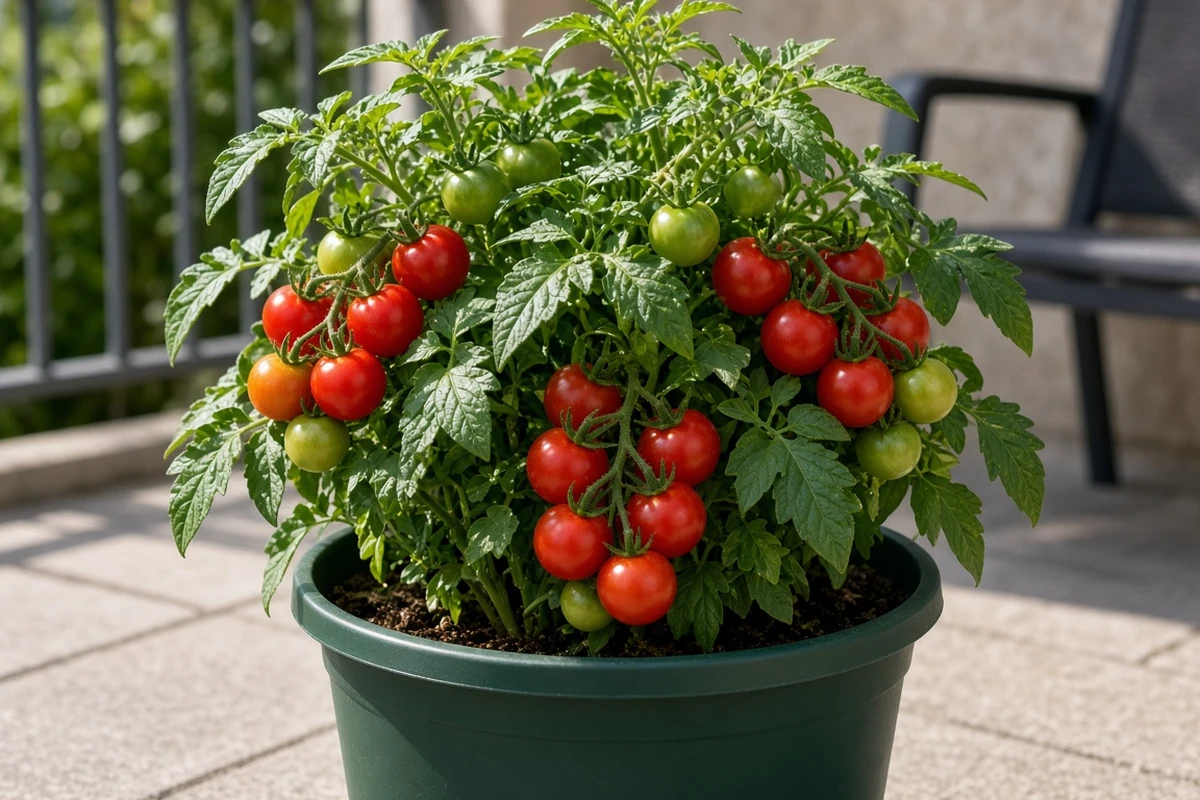
Choose by height. University of Minnesota Extension notes bush types reach 24 to 30 inches plus need no pruning or staking, which suits small setups. UF/IFAS Extension notes greenhouse cultivars are indeterminate plus can reach 30 to 40 feet in a long season, so they need strings plus a single stem.
How do determinate and indeterminate tomatoes differ?
University of Illinois Extension notes determinate plants stop growing in height plus that their vines are easier to control. Indeterminate vines continue to grow.
| Type | Growth | Support |
|---|---|---|
| Determinate or bush | Stops at 24 to 30 inches | No pruning or staking needed |
| Dwarf | Very small | Little or none |
| Indeterminate | Continues to grow | Cages, stakes or strings |
| Greenhouse cultivar | Up to 30 to 40 feet in 10 months | Strings plus a single stem |
Source: University of Minnesota Extension plus UF/IFAS Extension.
Why are greenhouse tomato varieties used indoors?
UF/IFAS Extension notes greenhouse cultivars are indeterminate plus can reach 30 to 40 feet in a 10 month season. Their long harvest makes full use of a heated space. University of Tennessee Extension notes most indeterminate tomatoes are trained to a single stem with suckers removed.
What support do hydroponic tomatoes need?
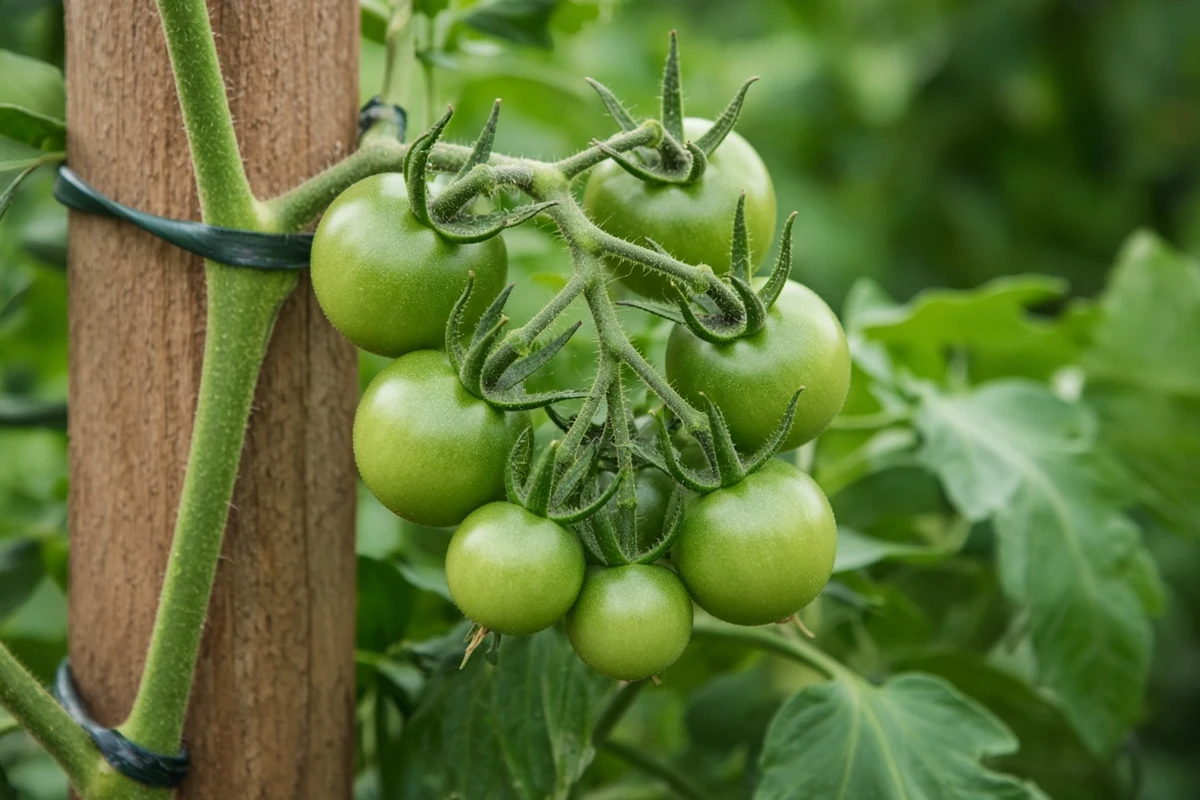
University of Minnesota Extension notes vining types need cages, stakes or trellises. UF/IFAS Extension notes greenhouse plants are guided up strings. University of Tennessee Extension notes leaning plus lowering the vine is often done weekly plus that cherry, grape plus roma types tend to be leggier.
How to: step by step
- Measure the height plus floor space available.
- Choose bush or dwarf types for short setups.
- Choose greenhouse indeterminate types for tall, trellised space.
- Give each plant its own container or slab.
- Train vines up strings plus remove suckers on single stems.
- Vibrate flower clusters indoors to help fruit set.
Troubleshooting
Vines outgrow the space: indeterminate type. Lean plus lower the vine or choose a bush type.
Sparse fruit indoors: poor pollination. Vibrate flower clusters.
Blossom end rot: uneven moisture or calcium transport. Hold the solution plus temperature steady.
For related reading see caring for your hydroponic system, growing schedule for your hydroponics plus hydroponic in different mediums. Kind Seed Co also stocks cannabis seeds.
Sources
- Production of greenhouse tomatoes (CV266), UF/IFAS Extension
- Tomatoes, peppers and cucumbers in small scale soilless and hydroponic systems (W 844 C), University of Tennessee Extension
- Tomato, home vegetable gardening, University of Illinois Extension
- Growing tomatoes in home gardens, University of Minnesota Extension
FAQ
Can cherry tomatoes grow in hydroponics?
Yes. University of Tennessee Extension notes cherry, grape plus roma types grow in soilless systems but tend to be leggier than larger types. Plan for strings or stakes plus regular training. Compact cherry types with a bush habit suit small systems with little height.
Do greenhouse tomatoes need pruning?
Yes. University of Tennessee Extension notes most indeterminate tomatoes are trained to a single stem plus the suckers are removed. UF/IFAS Extension notes greenhouse plants are trained up strings. Bush types are different, since University of Minnesota Extension notes they need no pruning or staking.
How tall do hydroponic tomatoes get?
It depends on the type. University of Minnesota Extension notes bush types reach 24 to 30 inches. UF/IFAS Extension notes greenhouse cultivars are indeterminate plus can reach 30 to 40 feet over a 10 month season, so growers lean plus lower the vine along its support.
What causes blossom end rot in hydroponic tomatoes?
University of Tennessee Extension links blossom end rot to high or fluctuating temperature plus calcium transport within the plant. University of Minnesota Extension notes uneven moisture plays a part. Hold the solution plus room temperature steady so calcium reaches the young fruit.
Do indoor tomatoes need help with pollination?
Yes. UF/IFAS Extension notes tomatoes are self pollinated but that in a greenhouse the flower clusters must be vibrated or fruit set suffers. It also notes pollination is poor above 90°F. Tap or vibrate open clusters every few days plus hold the room below that mark.



