
Is Biochar Good for Cannabis Plants? What Home Growers Should Know
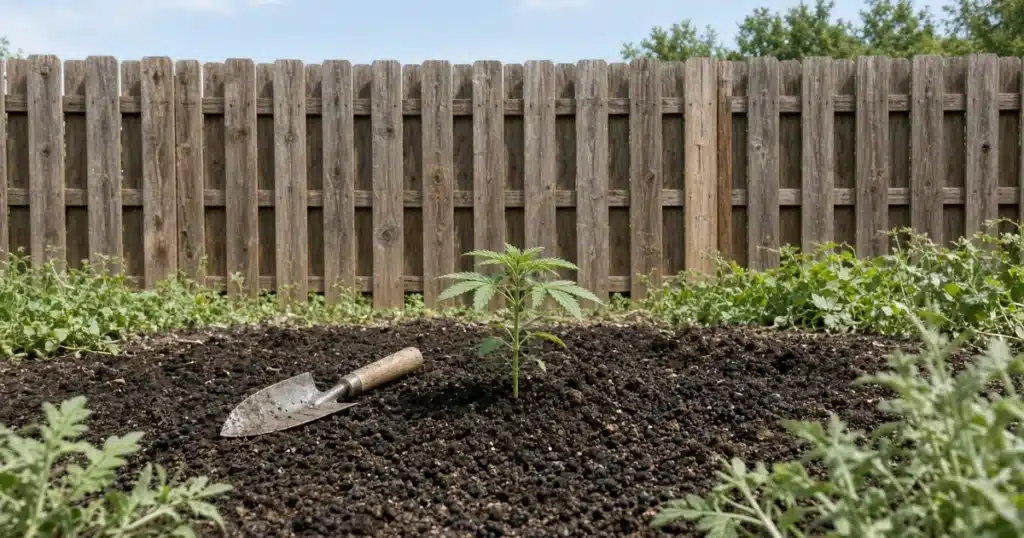
Biochar can help some cannabis gardens, but results vary. WSU Extension says it improves aeration in compacted soil and water holding in sandy soil, and it can raise soil pH. A Utah State trial on tomatoes and melons found no significant yield gain. Use commercial biochar blended with compost, not homemade char.
What Is Biochar?
WSU Extension’s biochar primer for home gardeners defines biochar as a fine-grained charcoal left behind after pyrolysis. Pyrolysis is the high-heat processing of crop residues, manures and other organic material without oxygen.
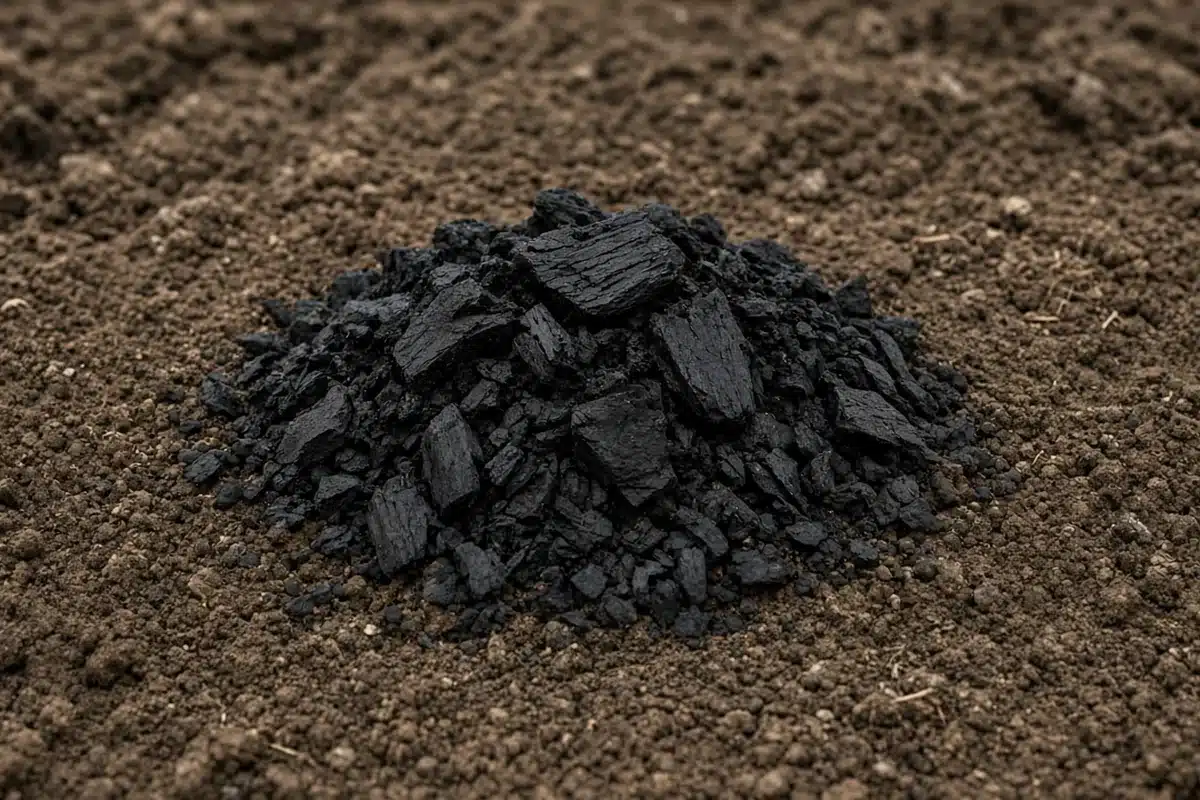
The particles are porous, WSU explains, and hotter processing makes them smaller and more porous. The primer also notes that only a handful of studies apply directly to home gardens and landscapes, so the evidence for backyard use is still thin.
What Does Biochar Do in Cannabis Soil?
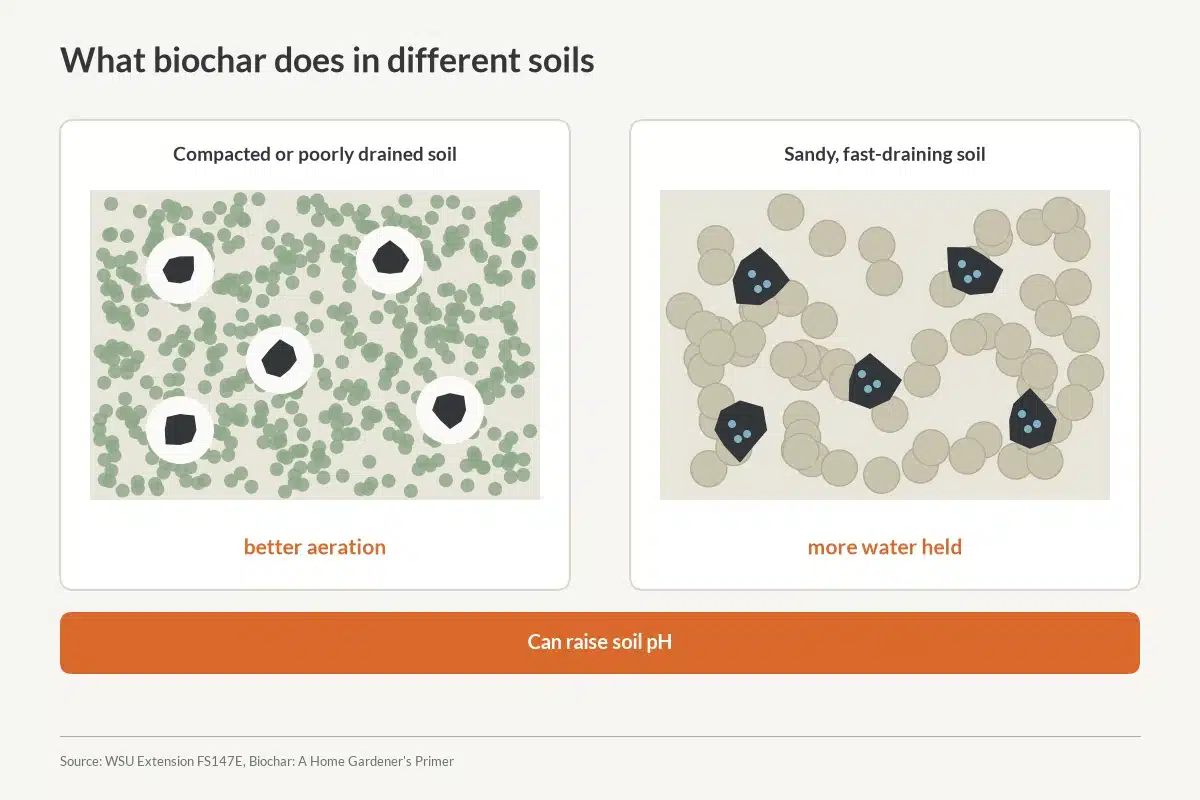
WSU describes two physical effects that depend on your soil type:
- In poorly drained or compacted soil, biochar improves aeration.
- In fast-draining, sandy soil, it increases the water-holding capacity.
The porous particles also give bacteria and fungi a place to live, including beneficial mycorrhizae, WSU notes. That links biochar to the ideas behind living soil.
There is a chemical effect as well. Biochar binds hydrogen ions, which raises soil pH. If you are already adjusting pH, see how pH affects cannabis plants before you add it.
Does Biochar Increase Cannabis Yields?
The trial evidence so far says no. Utah State University Extension ran a 2015 to 2017 trial with biochar applied at 10 tons/acre. It found no statistically significant yield increase in tomato or melon.
None of these trials used cannabis, so think of biochar as a soil fix, not a yield booster. If your bed has the drainage or sandy-soil problems WSU describes, it may be worth a test. If your soil is already in good shape, our guide to the best soil for outdoor cannabis is a better starting point.
How Do You Add Biochar to Cannabis Soil?
The University of Arizona Cooperative Extension guide (AZ1752) lays out the home-garden steps:
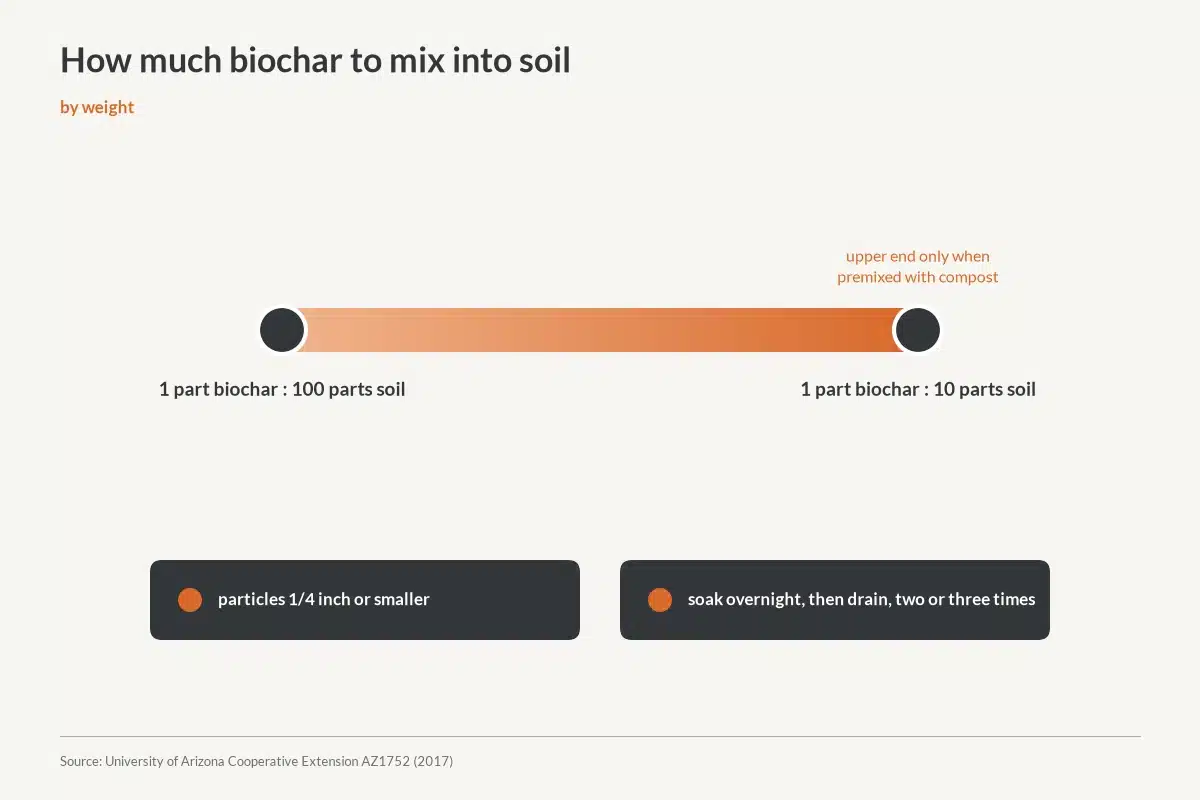
- Use particles 1/4 inch or smaller.
- Soak the biochar overnight, then drain it, two or three times to remove a lot of the salt.
- Mix it with compost.
- Blend it into soil at 1 part biochar to 100 parts soil, by weight. With biochar premixed into compost, UA’s range goes up to 1 part to 10.
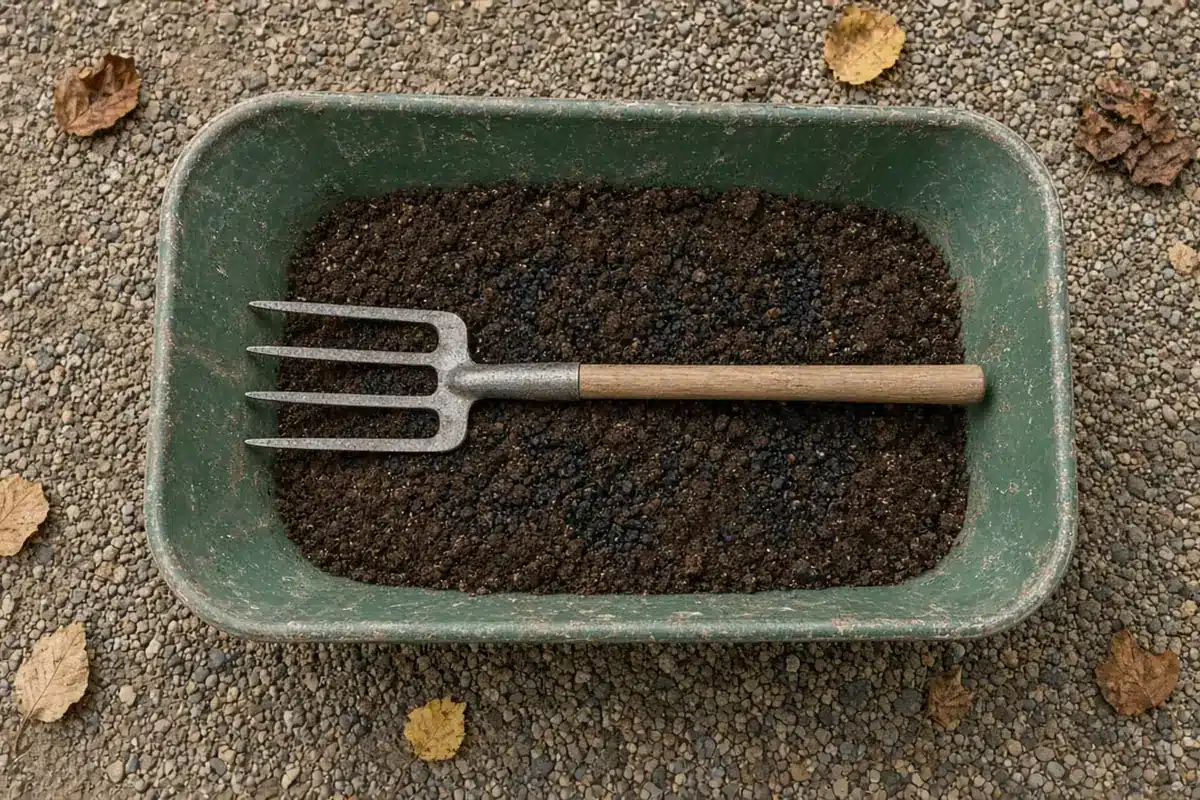
Skipping the compost step can backfire. Utah State reports that raw biochar used alone in poor soil gives little benefit and may slow plant growth for at least 6 months. Bagged commercial products come with their own application instructions, USU adds, so follow the label when there is one.
If you build your own mix, biochar can sit alongside the other amendments in super soil for cannabis.
Can You Use Biochar in Cannabis Containers?
WSU makes one specific point about containers: “Biochar can also reduce the weight of planting mixes used for container plants and green roof gardens.” WSU makes no other container claim, so a lighter mix is the reason to add it to a pot.
What Are the Downsides of Biochar?
WSU lists several cautions:
- Use only commercially produced biochar with well-defined characteristics.
- Adding too much can injure beneficial soil organisms such as earthworms.
- Watch plants for nitrogen deficiency after applying it.
- It raises soil pH. WSU warns this can push alkalinity past a plant’s tolerance.
Don’t try to make it at home either. WSU says proper pyrolysis is impossible at home, because oxygen is present and temperatures are too low.
FAQ
Should you charge biochar before adding it to cannabis soil?
Yes, you should charge it first. University of Arizona Extension advises soaking biochar overnight, then draining it, two or three times before use to remove a lot of the salt, and mixing it with compost. Utah State Extension adds that raw biochar alone in poor soil gives little benefit and may slow plant growth for at least 6 months.
Can you make biochar at home for cannabis?
No, making it at home is not recommended. WSU Extension says proper pyrolysis is not possible at home, because oxygen is present and temperatures run too low, and poor burning releases carbon dioxide and other pollutants. WSU suggests buying commercially made biochar and putting yard waste into compost or mulch instead.
How much biochar should you add to cannabis soil?
Start at 1 part biochar to 100 parts soil by weight, up to 1 part to 10 when it is premixed with compost, University of Arizona Extension says. Use particles 1/4 inch or smaller. Utah State Extension notes that bagged commercial products come with their own application instructions.
Does biochar cause nitrogen deficiency in cannabis?
It can. WSU Extension tells gardeners to watch plants for signs of nitrogen deficiency after applying biochar, and overall leaf yellowing is a sign. It says a nitrogen fertilizer corrects this temporary shortage. Our guide to nitrogen deficiency in cannabis plants shows what the leaves look like.


