
Caryophyllene terpene in cannabis strains and what it smells like
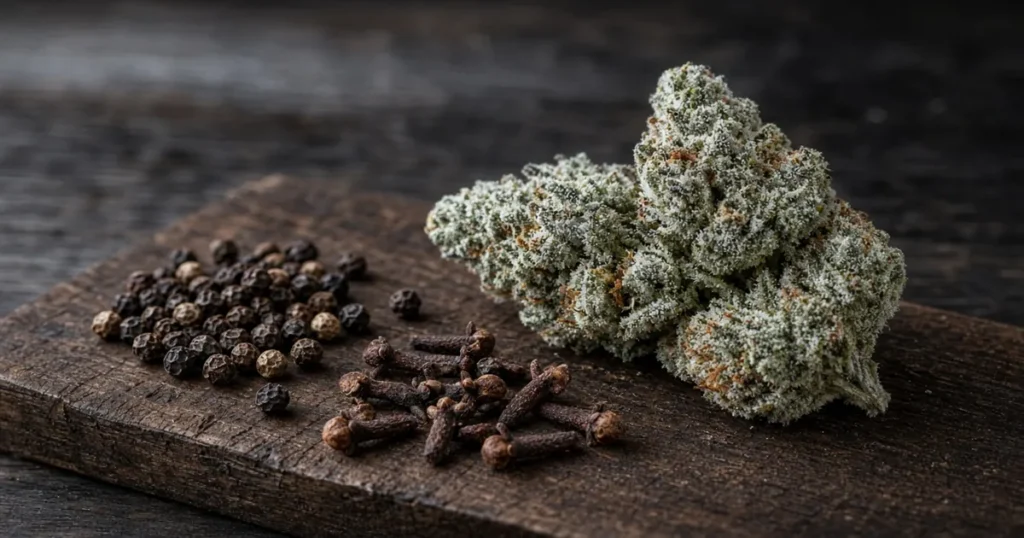
Caryophyllene, also called beta caryophyllene, is the terpene behind the peppery, spicy and woody notes in many cannabis strains. It smells like cracked black pepper, cloves and warm spice, and it shows up often in kush, cookies and diesel strains such as OG Kush, Girl Scout Cookies, Gelato and Sour Diesel. If you want to grow for that spicy aroma, you can browse every strain we carry in our cannabis seeds catalog. This guide covers aroma and chemistry only, for adults 21 and older growing where home cultivation is legal.
What is caryophyllene?
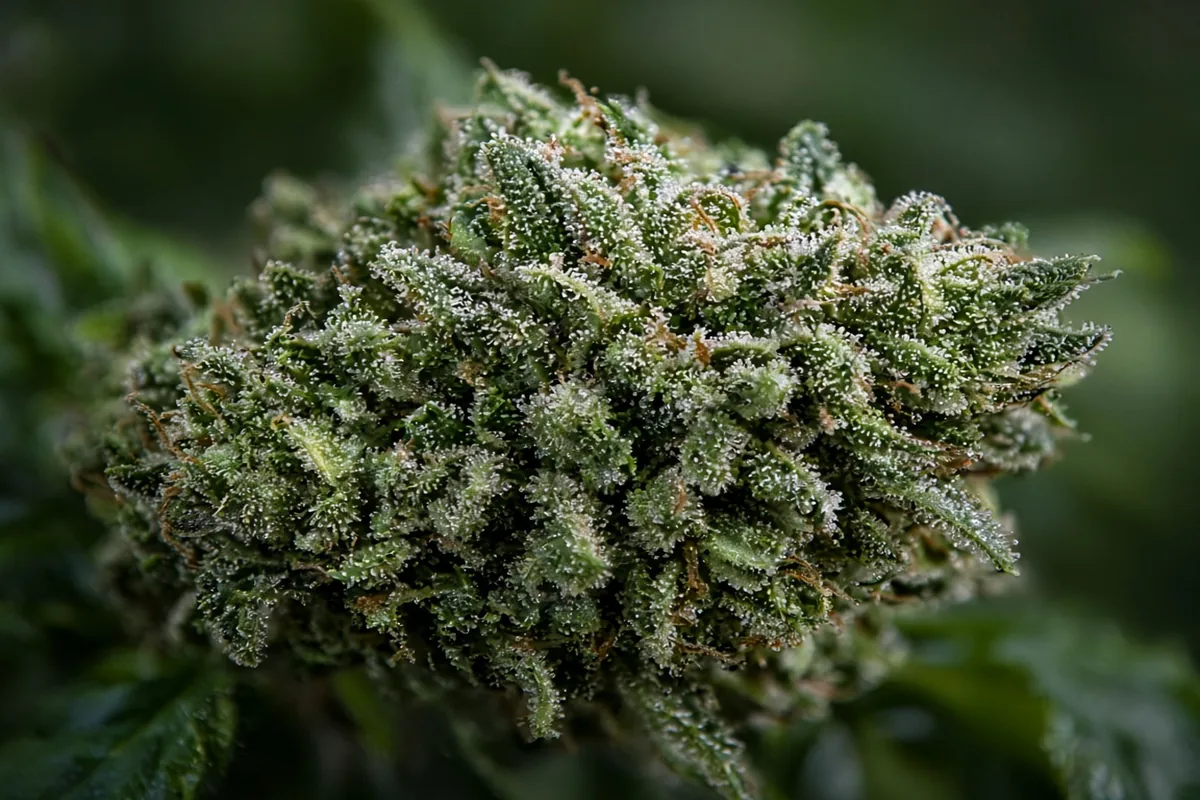
Caryophyllene is a sesquiterpene, which means it is a slightly larger and heavier molecule than common monoterpenes like limonene, myrcene and pinene. Terpenes are the aromatic compounds plants make in their resin, and in cannabis they are produced in the trichomes, the tiny glands that coat the flowers.
Because caryophyllene is heavier, it is a little less volatile than many monoterpenes. In practice that means it tends to hold on better through drying and curing, while lighter, brighter notes fade faster. That is one reason spicy and woody notes often remain noticeable in a well cured jar.
Caryophyllene is not unique to cannabis. It is common across the plant world and is one of the main aroma compounds in black pepper and cloves. It also appears in cinnamon, rosemary, oregano, basil and hops.
For a broader overview, read our top 10 interesting facts about caryophyllene terpene.
What does caryophyllene smell like?
On its own, caryophyllene is described as:
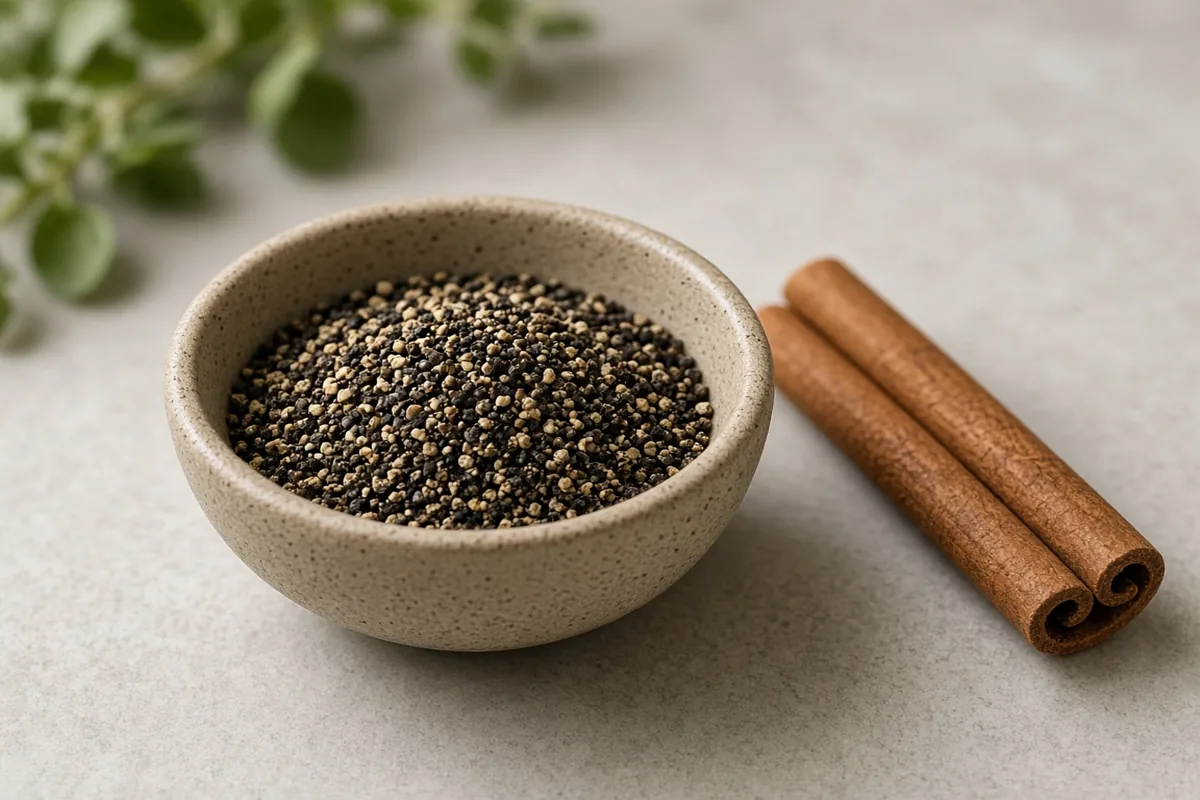
- Peppery. The sharp bite of freshly cracked black pepper.
- Spicy. Warm notes that remind people of cloves and cinnamon.
- Woody. A dry, slightly bitter, bark like base.
- Earthy. A grounding note that sits under brighter aromas.
In cannabis, caryophyllene rarely shows up alone. It blends with other terpenes, so you might notice it as the spicy backbone of a sweet cookie strain or the peppery edge in a fuel heavy diesel. A good way to learn it is to smell black pepper and then smell a cured kush or cookies bud. The overlap becomes easy to spot.
Caryophyllene and its relatives
Caryophyllene often travels with a few related compounds:
- Humulene. A close chemical cousin with a woody, herbal, hoppy aroma. Plants rich in caryophyllene often contain humulene too. Read our guide to humulene terpene in cannabis.
- Caryophyllene oxide. A form that appears as caryophyllene reacts with oxygen over time. It has a drier, woodier smell.
This is part of why a cannabis aroma can shift slightly as buds age in the jar.
Cannabis strains often associated with caryophyllene
Terpene content varies from plant to plant, from grow to grow and from lab to lab. The strains below are commonly reported to carry caryophyllene as a leading or notable terpene. Use them as a starting point, not a guarantee.
OG Kush
OG Kush Photo Fem is known for an earthy, piney, fuel aroma with a spicy undertone. Caryophyllene is often listed among its main terpenes alongside myrcene and limonene.
Girl Scout Cookies
Girl Scout Cookies Photo Fem has a sweet, earthy aroma with a peppery finish. Cookies strains are one of the most common places growers notice caryophyllene.
Gelato
Gelato Photo Fem is a sweet dessert strain, but many growers pick up a spicy, peppery edge under the cream. That spice is often credited to caryophyllene.
Sour Diesel
Sour Diesel Photo Fem is famous for its fuel aroma. Caryophyllene is often reported as part of the spicy, sharp layer underneath the gas.
Original Glue
Original Glue Photo Fem carries an earthy, piney and diesel aroma with a peppery base. Caryophyllene is commonly reported in the Glue line.
Bubba Kush
Bubba Kush Photo Fem leans earthy, coffee and spice. Its warm, peppery notes are often linked to caryophyllene.
Chemdawg
Chemdawg Auto Fem has a sharp chem and fuel aroma with a spicy bite. It is a good autoflower option if you want a caryophyllene leaning plant in a small space.
Skywalker OG
Skywalker OG Photo Fem is a kush cross with an earthy, spicy and herbal aroma.
Why the same strain can smell different
Two plants of the same strain can smell different, and that surprises many new growers. A few reasons:
- Phenotype. Seeds from the same pack can express slightly different terpene mixes.
- Environment. Light intensity, temperature and plant stress all affect terpene production.
- Harvest timing. The terpene mix shifts as flowers mature.
- Dry and cure. Lighter terpenes fade first, which can let heavier ones like caryophyllene stand out more over time.
If a strain’s product page lists a terpene profile, treat it as a general guide.
How to grow for a strong caryophyllene aroma
You cannot add caryophyllene to a plant through nutrients or tricks, but you can help a plant reach its genetic potential:
- Start with the right genetics. Pick strains commonly associated with spicy, peppery aromas.
- Give strong, even light. Healthy, well lit flowers develop more resin.
- Avoid heat stress in late flower. High temperatures drive off aromatic compounds.
- Do not overfeed at the end. Many growers taper nutrients in the final weeks.
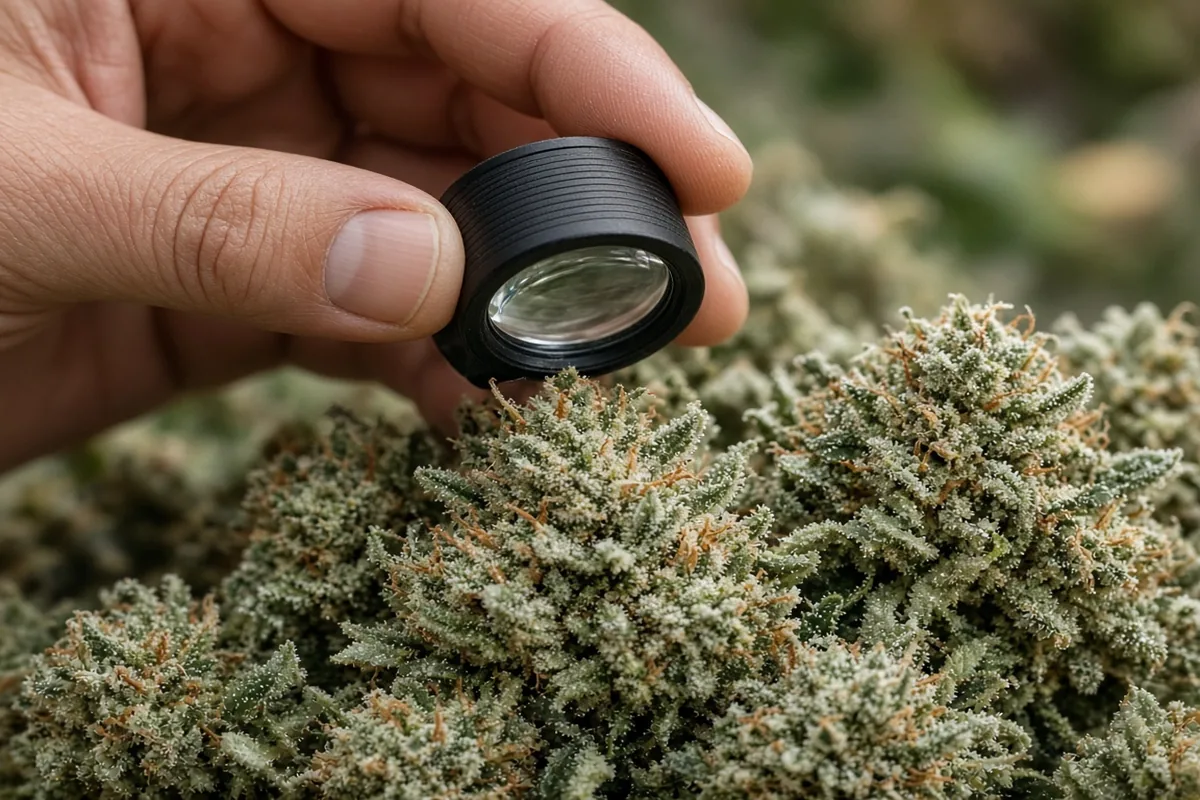
- Harvest by trichomes. Use a loupe and harvest when most trichomes look cloudy.
- Handle buds gently. Rough handling breaks trichomes and releases aroma into the air.
Dry and cure to keep the spice
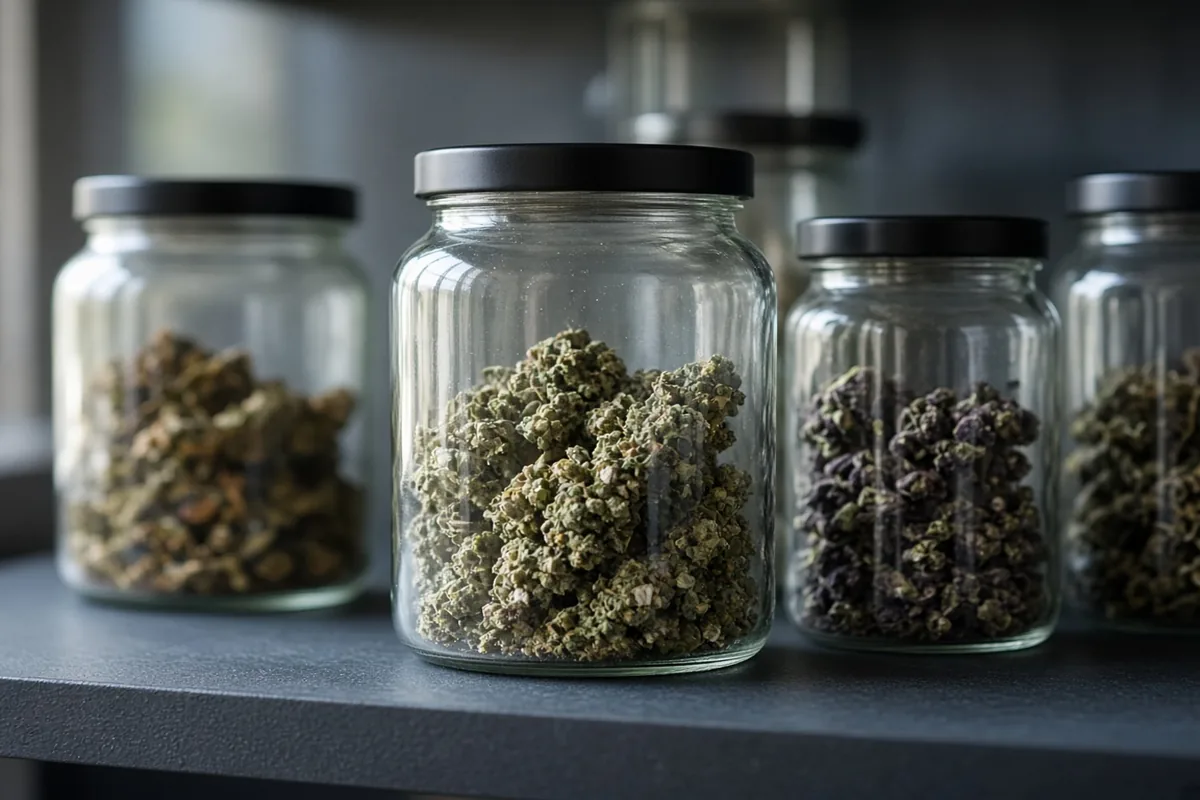
Dry slowly in a cool, dark room with gentle airflow and moderate humidity. When small stems snap, trim and place buds in airtight glass jars. Open the jars briefly each day for the first couple of weeks, then less often. Store finished jars in a cool, dark spot. Our guide to maximizing terpenes covers more ways to protect aroma from harvest to jar.
How to train your nose to find caryophyllene
Learning to pick out one terpene takes a little practice, and it makes you a better grower. Try this simple routine at home:
- Crack a few black peppercorns and smell them right away. That sharp, warm bite is the core of caryophyllene.
- Smell a whole clove. Notice the sweeter, warmer spice compared to pepper.
- Now smell a cured bud from a kush or cookies strain. Look for that same warm, peppery layer under the sweet or earthy top notes.
- Repeat with a citrus or fruity strain. You will often notice less spice, which helps you understand the contrast.
Keep notes on each plant you grow. Over a few harvests you will learn which strains in your garden lean spicy and which lean bright, and you can choose seeds with more confidence.
Frequently asked questions
What does caryophyllene smell like?
It smells peppery, spicy and woody, much like cracked black pepper and cloves.
Which cannabis strains are high in caryophyllene?
Strains commonly reported to carry notable caryophyllene include OG Kush, Girl Scout Cookies, Gelato, Sour Diesel, Original Glue, Bubba Kush and Chemdawg. Results vary by plant and grow.
Is caryophyllene only found in cannabis?
No. It is common in black pepper, cloves, cinnamon, rosemary, oregano, basil and hops.
What is the difference between caryophyllene and humulene?
They are close chemical relatives that often appear together. Caryophyllene leans peppery and spicy, while humulene leans woody, herbal and hoppy.
Why does my cured cannabis smell more peppery over time?
Lighter terpenes fade faster during drying and curing. Heavier ones like caryophyllene tend to hold on, so spicy notes can become more noticeable.
Grow your own spicy, peppery strains
If you love a peppery, spicy aroma, start with a kush, cookies or diesel strain and give it a slow dry and patient cure. Browse the full cannabis seeds catalog or the complete Kind Seed Co shop to find your next grow. Kind Seed Co sells only to adults 21 and older. Grow only where it is legal under your state’s law.