
Top 10 Interesting Facts About Caryophyllene Terpene
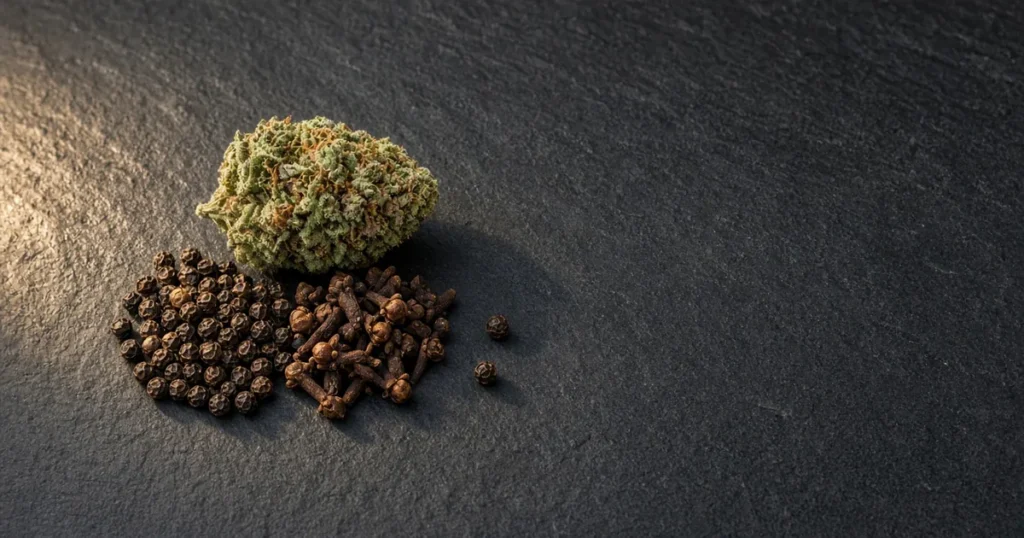
Caryophyllene terpene is a compound found in cannabis that has gained significant attention in recent years. As home growers in the USA, understanding caryophyllene terpene’s unique characteristics and effects can greatly benefit your cultivation efforts. It’s also just really interesting, which is why we’re here today. We’re breaking down the top 10 interesting facts about caryophyllene terpene to help you better understand and appreciate this chemical compound, as well as how it can affect the qualities of your cannabis.
Fact 1: Aroma and Flavor Profile
Caryophyllene has a unique scent often described as spicy, woody, and clove-like. It’s unlike your typical fruity, floral, or green cannabis aromas. Its strong scent can create a pleasant sensory experience for users.
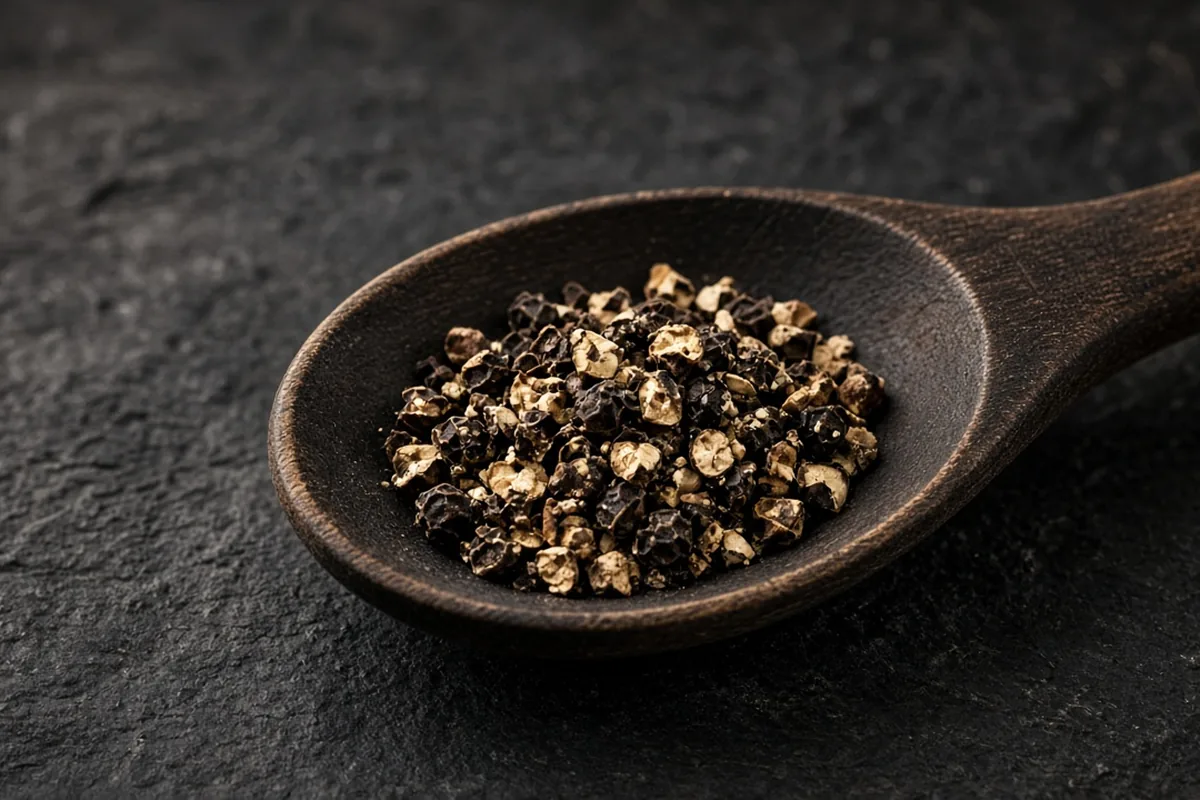
On the palate, caryophyllene terpene also offers a bold flavor that matches its aroma. This terpene imparts a warm, peppery taste that brings an extra dimension to the cannabis strains that contain it. Think of the summer warmth and the characteristic zest of black pepper or the deeply comforting and homey flavor of freshly baked cinnamon cookies. That’s the flavor profile we’re talking about.
Fact 2: A Subject of Medical Research
Caryophyllene is not just about flavor and aroma. Scientists are studying how it works in the body, and the research is still early. That makes caryophyllene a fascinating subject for scientists and home growers alike.
Fact 3: Interaction With the Endocannabinoid System
Unlike other terpenes, caryophyllene has a distinctive role in interacting with the body’s endocannabinoid system. It works as a dietary cannabinoid and binds directly to the CB2 receptors in the endocannabinoid system. That system is involved in pain, inflammation, and immunity, which is why researchers are interested in it.
Fact 4: Natural Sources of Caryophyllene Terpene
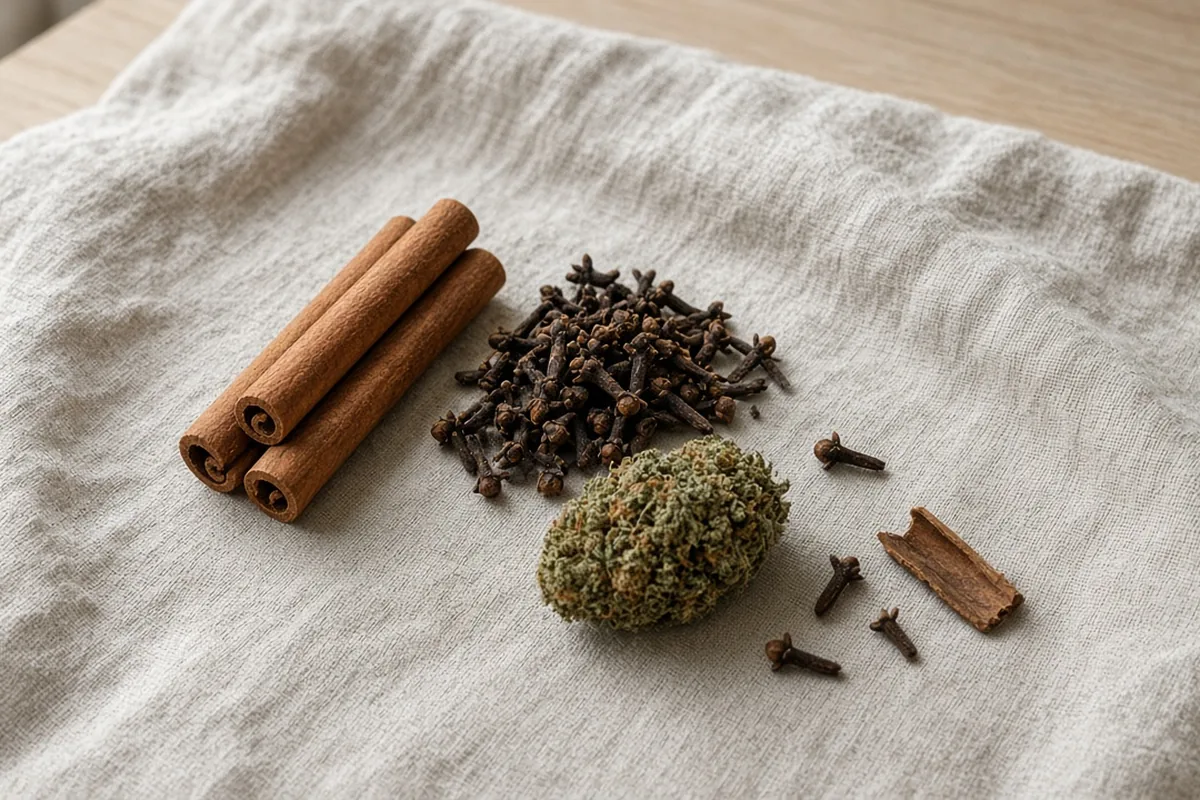
Caryophyllene terpene is abundant in many cannabis strains, but it’s also found naturally in other plants. This includes black pepper, cloves, rosemary, hops, and even some leafy green vegetables, one aspect that makes up their own flavor profiles. This wide availability makes caryophyllene a widespread and accessible terpene.
Fact 5: Unique Characteristics and Effects
It’s one of the few terpenes believed to have both psychoactive and non-psychoactive effects. This terpene also has a unique quality of not inducing the euphoria, or “high,” commonly associated with cannabis, which interests people who want to avoid the psychoactive experience.
Fact 6: Role in Cannabis Cultivation
Caryophyllene terpene plays a real role in cannabis cultivation. Its strong aroma can attract pollinators while repelling pests, thus contributing to effective cultivation. It is also a sought-after compound in breeding, and breeders select for it in many strains.
Fact 7: Research and Studies
Scientific research on caryophyllene terpene is ongoing, with many studies looking at how it works in the body. None of it has shown a proven health benefit yet.
Fact 8: How It May Work With Other Compounds
Caryophyllene may work together with other compounds in cannabis. This is often referred to as the “entourage effect,” where the combined effect of multiple cannabinoids and terpenes is greater than the sum of their individual effects.
Fact 9: Regulatory and Legal Considerations
Despite being a cannabinoid, caryophyllene is legal. It does not produce a “high,” and the FDA allows it as a flavoring in food. It’s important to note, though, that the legal status and regulatory oversight of substances can vary widely depending on jurisdiction. While caryophyllene is currently legal in many places, including the USA, this may not be the case everywhere. Always be sure to check your local laws and regulations before cultivating or using any cannabis-based compounds or products, including those that contain caryophyllene.
Fact 10: Future Implications and Trends
As research on caryophyllene continues, there’s likely to be greater interest in this terpene in the future. This could lead to an increase in the cultivation of high-caryophyllene strains and could also influence the development of new products.
Enjoy Caryophyllene Terpene in Your Cannabis Today
From its unique aroma and flavor profile to the research around it, caryophyllene terpene is truly fascinating. So, whether you’re a home grower or simply interested in the world of cannabis, remember to visit Kindseed.com for all your terpene-rich strain needs!
Related reading: Ultimate Terpenes Guide, 9 Facts About Pinene Terpene, Humulene Terpene: Strains, Characteristics, and More and How to Pair Marijuana Terpenes with Food & Drink.
FAQ
What does caryophyllene smell like?
Peppery, spicy, sometimes woody. Think black pepper or clove.
Why do growers care about this terpene?
It shows up in many popular cultivars and shapes aroma. Storage and cure protect those notes.
Is caryophyllene only in cannabis?
No. It appears in black pepper, cloves, hops, and other plants too.
Do lab terp charts replace your nose?
Charts help compare batches, but your own smell test after a proper cure still matters.


