Growing cannabis in an HOA community in a legal state
Owning your home does not always mean you can grow whatever you like on it. If you live in a community run by a homeowners association, the rules you accepted at closing may limit cannabis cultivation even in a state where adults can legally grow. This guide walks through the documents that matter, the clauses that usually come into play and how to approach your board.
The short version
State adult use laws usually let adults grow a small number of plants at home. Most of those laws also keep the right of people who own, occupy or control property to prohibit or regulate cannabis there. An HOA is a private group that enforces covenants you agreed to, so its rules can be stricter than state law. Whether your HOA can stop you depends on what its documents say and how your state treats private covenants.
Document by document
The declaration, or CC&Rs
The declaration of covenants, conditions and restrictions is the master document. It runs with the land, so it binds every owner. Look for:
- A clause banning activity that is illegal under local, state or federal law. Because cannabis is still federally illegal, a broad clause like this may be read to cover home grow.
- A nuisance clause covering odors, noise or anything that bothers neighbors.
- Use restrictions that limit commercial or agricultural activity.
Some newer declarations mention cannabis by name. Older ones rarely do, which leaves room for interpretation.
Bylaws
Bylaws explain how the association runs: elections, meetings and how rules get adopted or amended. They tell you how much power the board has to add new rules without a vote of the owners.
Rules and regulations
Boards often adopt rules on smoking, odors, gardens and exterior structures. These are easier to change than the declaration, so check the latest version, not the copy you received at closing.
Architectural guidelines
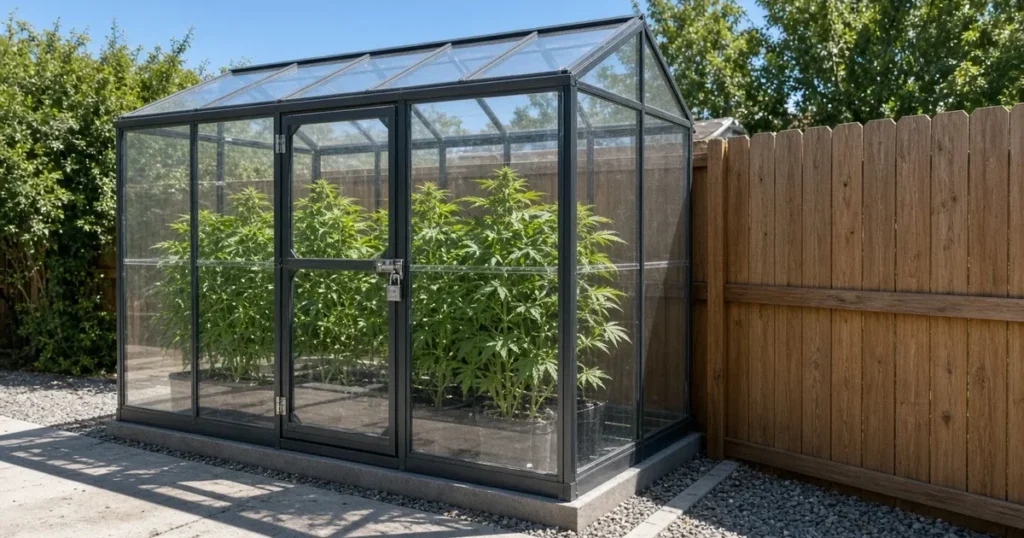
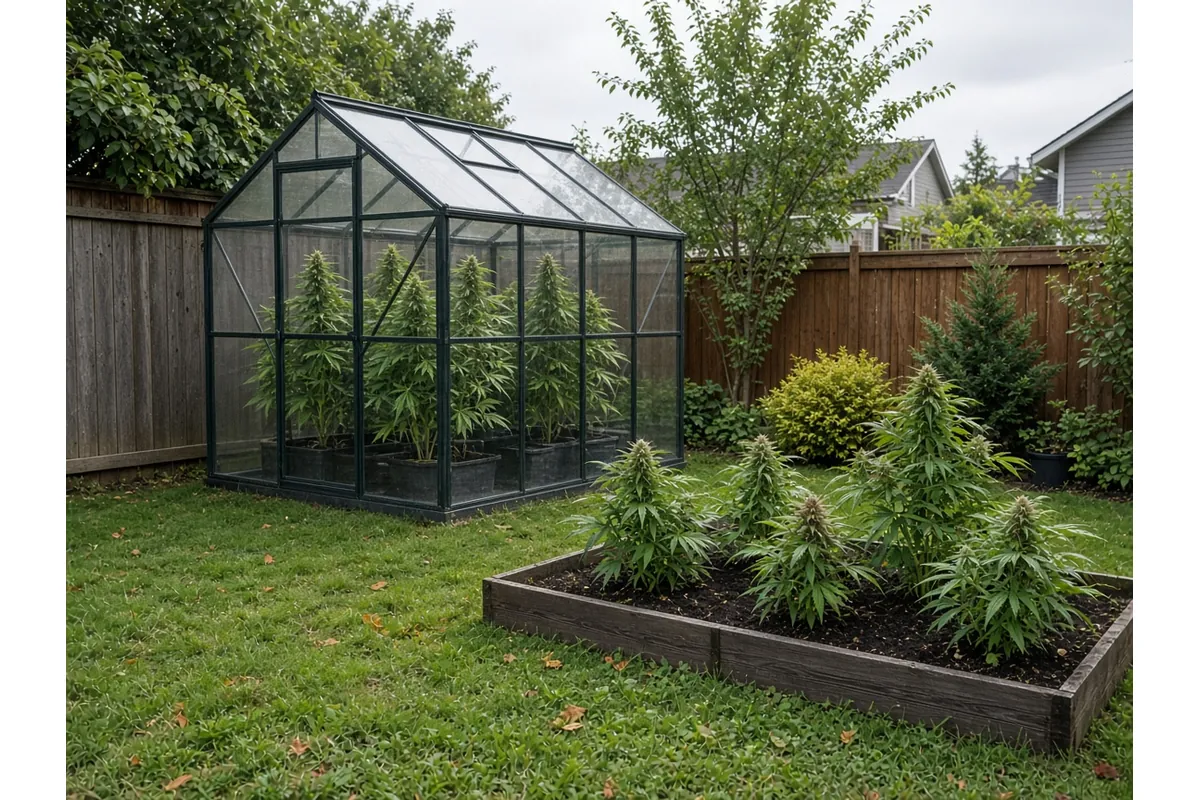
If you want a greenhouse, a taller fence, a privacy screen or new exterior vents, you may need approval from an architectural review committee. Building first and asking later can lead to fines and a demand to remove the structure.
How state law interacts with HOA rules
| State | Approach |
|---|---|
| Colorado | The constitution keeps the ability of those who occupy, own or control property to prohibit or regulate cannabis there. |
| Michigan | Anyone who owns, occupies or manages property may prohibit or regulate cultivation on it, which reaches common areas an HOA manages. |
| Ohio | The adult use law does not speak directly to HOAs, so outcomes depend on community documents. |
The general rule across legal states is that private covenants still count. Few state laws give homeowners a protected right to grow over an HOA’s objection.
Detached homes versus condos
Detached homes and townhomes
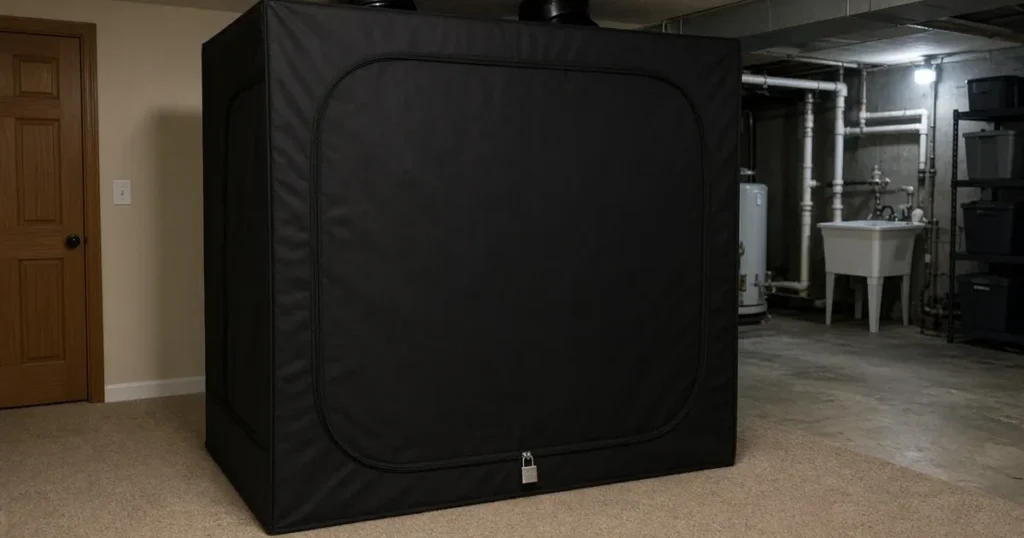
Indoor growing inside a detached home is less likely to affect neighbors, so many HOAs focus on what can be seen, smelled or built outside. An indoor tent with good odor control may never draw attention. Outdoor plants are more likely to collide with rules on gardens, visibility and fences.
Condominiums
Condos share walls, ceilings, ventilation and sometimes plumbing. Odor and humidity travel easily, and the association often controls the building’s systems. Balconies and patios are frequently limited common elements, which means the association sets the rules for them. Expect condo boards to be stricter about cultivation than single family communities.
Common areas
Common areas belong to the association or to all owners together. Growing in a shared garden, courtyard or storage room is almost always off limits, and many states bar cultivation anywhere other than the grower’s own residence.

Approaching your board
- Get current copies of the declaration, bylaws, rules and architectural guidelines.
- Note every clause that might apply, including illegal activity, nuisance, odor, structures and smoking.
- If the documents are unclear, write to the board or management company and ask how they interpret them.
- Describe a small, discreet indoor setup with odor control and locked storage.
- Keep all answers in writing.
- If you want the rules to change, learn the amendment process in the bylaws and talk with neighbors.
Keeping a grow neighbor friendly
- Grow indoors in a tent with a carbon filter. See our DIY carbon filter build and tips on how to prevent weed odor
- Keep plants out of view of the street and neighbors
- Lock plants and harvest away from children and guests
- Choose compact plants that fit a small space
- Stay inside your state’s plant limit, which often applies per residence
If the HOA says no
Respect it. Fines, liens and legal fees can add up fast, and some declarations let the association recover its attorney fees. You can work to change the rules through the proper process, or grow other plants in the meantime.
Renting inside an HOA community
If you rent a home or condo that sits inside an HOA, two sets of rules apply. Your lease binds you to the landlord, and the landlord must follow the association’s covenants. Even a landlord who is happy for you to grow cannot give permission the HOA documents forbid. Ask both the owner and the management company before planting, and keep both answers on file. Our separate guide on whether landlords can ban growing covers the lease side in more depth.
Before you buy in an HOA community
If home cultivation matters to you, read the declaration and rules before you make an offer. Ask the seller or management company about any cannabis or smoking rules and any pending amendments. Start with our guide to the legal requirements for growing weed plants in your state for state plant limits.
Grow legally and responsibly
Home cultivation is only legal in some states, and each state sets its own plant limits, locking rules and rules about whether plants can be visible from a public place. You must be 21 or older to buy seeds from Kind Seed Co, and you should grow only where your state and city allow it. Check your state rules in our guide to the legal requirements for growing weed plants in your state before you plant. Federal treatment of cannabis seeds is also changing, so read our December 11 2026 seed rule explainer before you order. Keep plants and harvested flower locked away from children, pets and visitors, and never drive after using cannabis. This article is general information. It is not legal advice and it is not medical advice.
Frequently asked questions
Can an HOA ban growing cannabis in a legal state?
Often yes. Most state laws preserve property owners’ power to restrict cannabis, and HOA covenants are enforced as private agreements.
Does an illegal activity clause cover cannabis?
It may. If the clause mentions federal law, the association may argue it covers cultivation because cannabis is still federally illegal.
Can I grow on my condo balcony?
Usually not without permission. Balconies are often limited common elements controlled by the association.
Do I need approval for a greenhouse?
Most HOAs require architectural approval for exterior structures, including greenhouses and taller fences.
Final thoughts
In a legal state, an HOA can still limit or ban cannabis cultivation through its declaration, rules and architectural controls. Read every document, ask the board in writing, propose a small indoor setup and keep good records. If the answer is no, respect it and work through the amendment process if you want change.
Ready to start
Browse the full range in the Kind Seed Co shop or go straight to indoor seeds. Kind Seed Co sells only to adults 21 and older. Always follow the cannabis laws where you live.