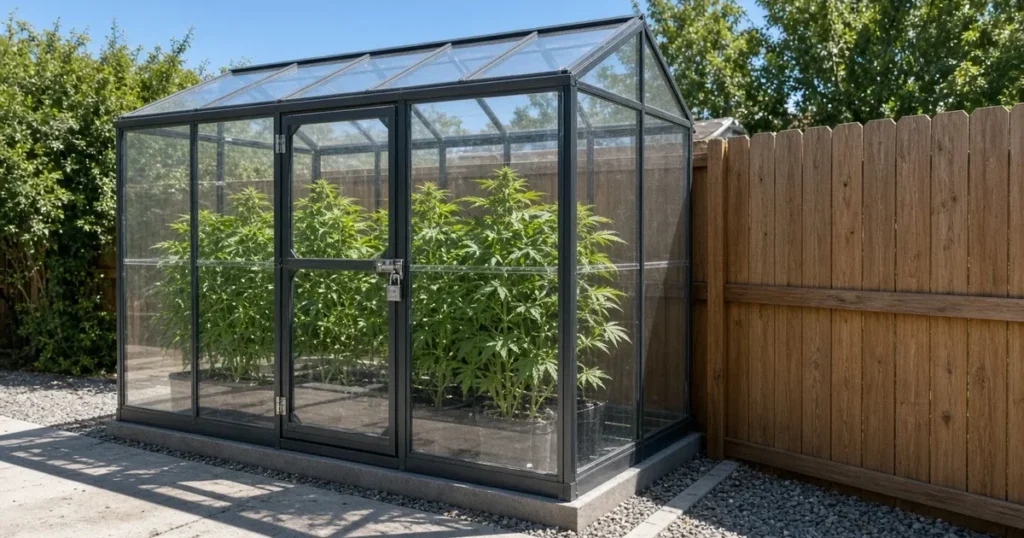
Can landlords ban growing cannabis in a legal state
Short answer: yes, in most legal states a landlord can ban growing cannabis in a rental. Legalizing home grow takes away criminal penalties for adults who follow the plant limits. It does not usually force property owners to allow it. Many state laws say this outright, and even where a law is silent, the lease and federal law give landlords plenty of room to say no. This guide explains why, shows how a few states handle it and gives renters a practical path to growing without risking their home.
Why legalization does not override your lease
Property owners keep control
Most adult use laws include a clause that preserves the rights of people who own or manage property. Michigan is a clear example. Its law lets a person prohibit or regulate the cultivation of marijuana on property they own, occupy or manage. A tenant’s right to grow therefore depends on what the owner allows.
Leases are contracts
When you sign a lease, you agree to its terms. Many leases prohibit illegal activity, and some define illegal activity to include anything that violates federal law. Because cannabis remains illegal under federal law outside narrow exceptions, that clause alone can cover home grow. Other clauses about alterations, electrical use, humidity, odors and nuisance can also apply.
Federal law still matters
Landlords who carry mortgages, insurance policies or government contracts may face rules that do not recognize state legalization. Housing that receives federal assistance follows federal rules, which still treat marijuana as illegal. Tenants in public housing or in units with federal rental assistance should assume growing is not allowed and should check with the housing authority.
How some states handle tenant cultivation
| State | What the law says about landlords |
|---|---|
| Michigan | Owners and managers may ban or regulate growing. A lease may not bar lawful possession and consumption by means other than smoking. |
| Minnesota | Landlords cannot ban legal possession or use other than smoking or vaping. The statute does not create a right to grow. |
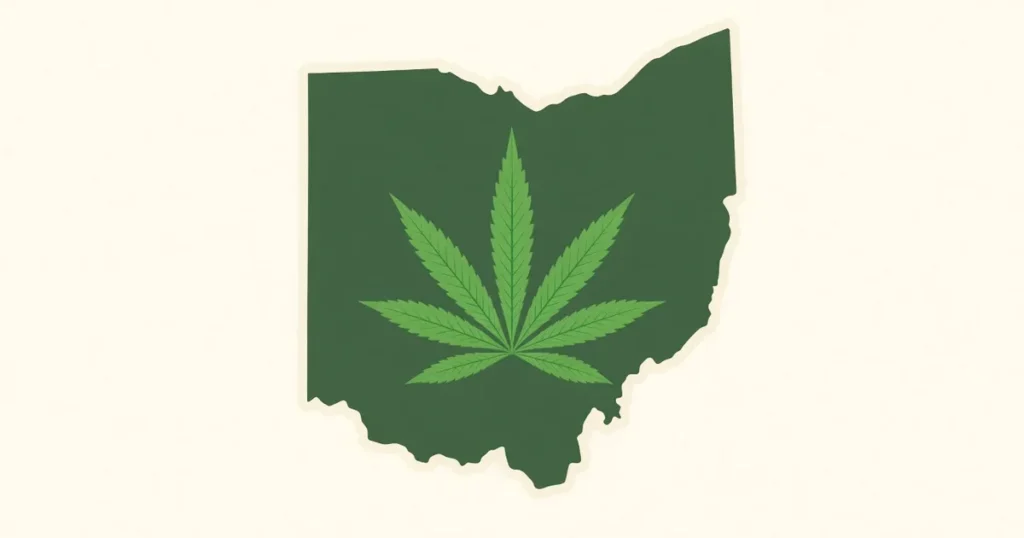
| Ohio | Landlords may prohibit home cultivation through the lease. |
| New York | Landlords may prohibit growing on their premises. |
These summaries are simplified. Statutes and agency rules change, and the exact wording matters. Check your own state’s law and agency guidance on the day you read this.
The pattern
Even states that protect tenants who consume cannabis tend to stop short of protecting tenants who grow. Lawmakers drew the line there because plants raise concerns that a jar of flower does not: humidity, electrical load, odor, security and the risk of damage to the building.
What landlords worry about
Understanding the landlord’s point of view helps if you plan to ask for permission.
- Water and humidity can cause mold and damage drywall, flooring and ceilings
- Lights, fans and dehumidifiers add electrical load and can trip breakers
- Odor can drift to neighbors and lead to complaints
- Plants and harvested flower need to be locked away from children and visitors
- Insurance policies may exclude damage linked to cultivation
- Lenders and federal programs may not accept state legal status
A renter’s step by step plan
1. Read the full lease
Look for clauses on illegal activity, federal law, controlled substances, alterations, electrical equipment, nuisance and smoking. Note anything that clearly bans or allows cultivation.
2. Check your state’s plant limits and rules
Your state sets how many plants you may grow, whether they must be locked away and whether they may be visible. Start with our guide to the legal requirements for growing weed plants in your state.
3. Ask in writing
If the lease is silent or unclear, ask the landlord in writing. Be specific: number of plants, a small tent, a carbon filter for odor and a lock. Offer to let them inspect the setup with notice.
4. Get the answer in writing
A verbal yes is easy to forget or deny. Ask for a signed lease addendum or an email that clearly grants permission and lists any conditions.
5. Respect a no
If the landlord says no, do not grow. A breach can lead to fines, loss of your deposit or eviction proceedings, and it can follow you to your next rental application.
Building a setup a landlord might accept
A small, tidy setup is easier to approve than a room full of equipment.
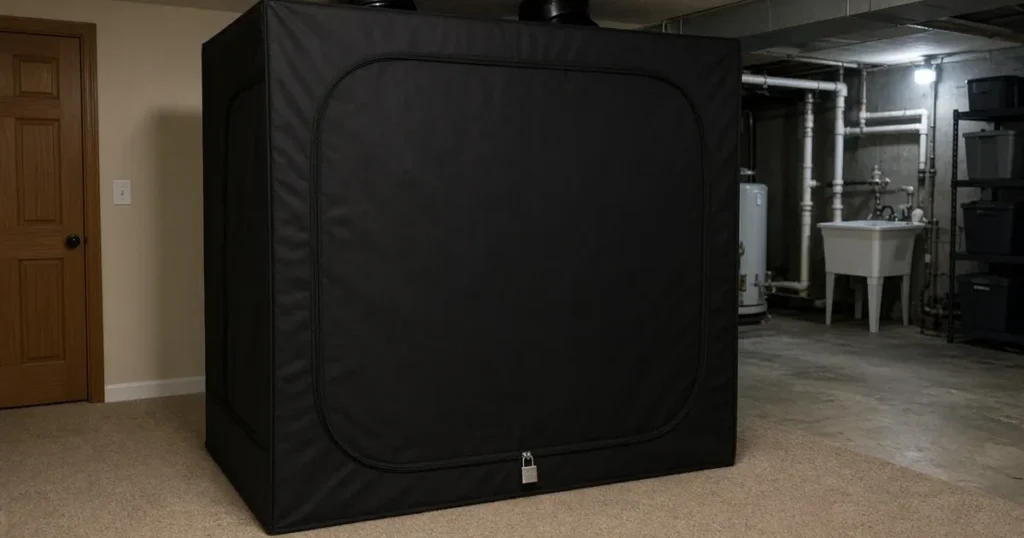
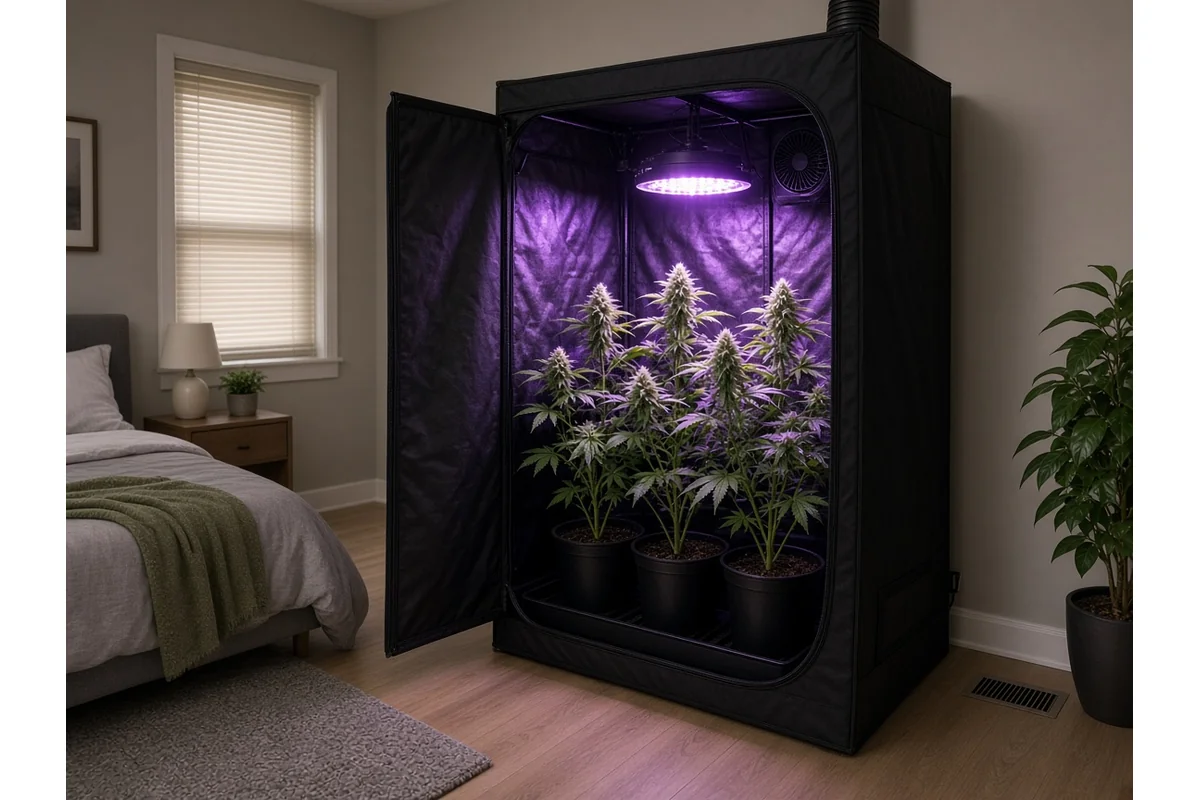
- Use a compact grow tent to contain light, water and humidity
- Run a carbon filter to control odor. See our DIY carbon filter build and our guide on how to prevent weed odor
- Choose efficient LED lighting and plug into a dedicated outlet where possible
- Place trays under pots to catch runoff
- Keep plants and harvest locked away
- Consider compact or autoflowering plants that finish quickly
Our article on how to create a grow room in a rented or leased space goes into more detail.
Medical patients
Some states offer medical patients extra protections in housing, but those protections usually focus on possession and use rather than cultivation, and many have exceptions for federally assisted housing. If you are a registered patient, read your state’s medical cannabis law and ask the program office before assuming you can grow in a rental.
Roommates and subleases
If you share a unit, your roommates have a say too. Plant limits are often set per household, so one roommate’s plants can count against everyone. A sublease does not give you more rights than the original tenant had.
When you move out
Remove all equipment, patch any holes, clean thoroughly and air out the unit. Document the condition with photos. A clean move out protects your deposit and your rental history.
Grow legally and responsibly
Home cultivation is only legal in some states, and each state sets its own plant limits, locking rules and rules about whether plants can be visible from a public place. You must be 21 or older to buy seeds from Kind Seed Co, and you should grow only where your state and city allow it. Check your state rules in our guide to the legal requirements for growing weed plants in your state before you plant. Federal treatment of cannabis seeds is also changing, so read our December 11 2026 seed rule explainer before you order. Keep plants and harvested flower locked away from children, pets and visitors, and never drive after using cannabis. This article is general information. It is not legal advice and it is not medical advice.
Frequently asked questions
Can my landlord ban growing cannabis if it is legal in my state?
In most legal states, yes. Laws generally protect property owners’ right to prohibit cultivation, and leases can ban it.
Can my landlord ban me from consuming cannabis?
It depends on the state. Some, like Michigan and Minnesota, limit how far a lease can restrict possession and use other than smoking or vaping.
What if my lease does not mention cannabis?
Check clauses on illegal activity, federal law, alterations and nuisance. Then ask for written permission before you plant.
Can I grow in federally assisted housing?
Assume no. Federal rules apply to that housing, and federal law still treats marijuana as illegal.
Final thoughts
Landlords in most legal states can ban growing cannabis, and many leases already do. State laws usually protect the owner’s right to say no, even where they protect tenants who consume. If you rent, read the lease, check your state limits, ask in writing and get permission in writing. If the answer is no, wait until you own your space or find a landlord who agrees.
Ready to start
Browse the full range in the Kind Seed Co shop or go straight to indoor seeds. Kind Seed Co sells only to adults 21 and older. Always follow the cannabis laws where you live.