Hydroponic Water Chestnut: Growing Eleocharis dulcis Corms in Tubs
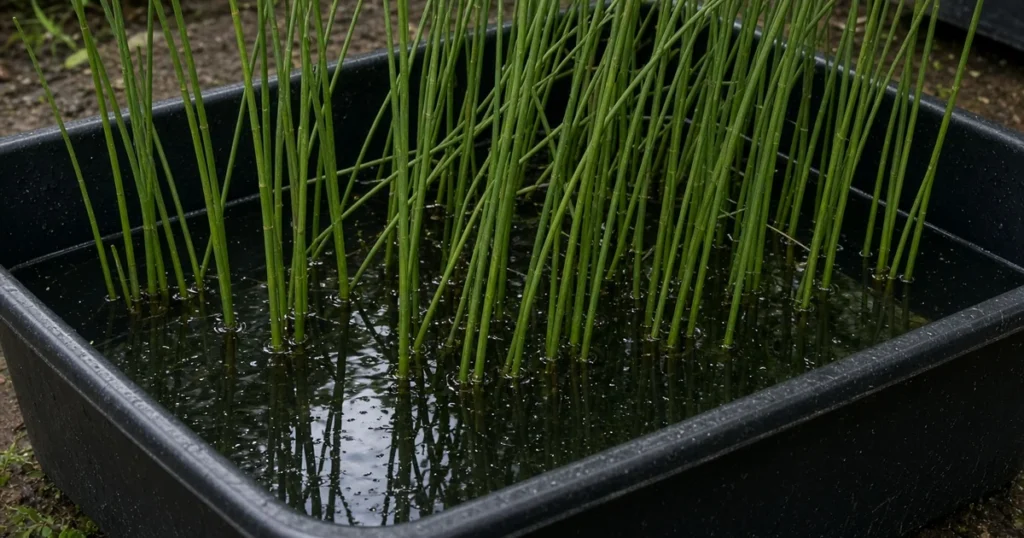
Hydroponic water chestnut is Eleocharis dulcis grown in a tub of nutrient solution rather than a muddy pond. The USDA PLANTS Database calls it Chinese water chestnut and lists it as a perennial graminoid, a grass like plant. It is introduced in the lower 48 states. The crisp edible part is the corm at the base.
The short answer
Grow it in a wide tub or reservoir with net pots or a raft that holds the plants at the surface. Aerate the solution with an air pump and air stone or leave an air gap. Cover open water to cut algae and check pH and EC often.
Can water chestnuts grow in a hydroponic system?
The guides cited here do not list water chestnut as a crop, so this is a home project built on the plumbing they describe. The University of Illinois Extension handout says nutrient solutions must be aerated to get enough oxygen for growth. Its homemade system lists an air pump, a plastic container, air tubing, net pots and an air stone. Compare root zone materials in hydroponic in different mediums.
Which hydroponic setup suits water chestnuts?
Deep water culture fits closest. Oregon State University Extension describes deep water culture as plants growing with their roots in a nutrient rich solution, supported by a floating platform or net pots. It says these systems need effective aeration from air pumps and air stones. Oregon State also advises covering the water surface with opaque material to reduce evaporation and algae, and sizing rafts to fill the tub so few gaps remain.
The large water volume buffers day and night swings in solution temperature. Oregon State suggests a level reservoir floor and a bulkhead fitting and valve at the bottom for easy draining. The University of Minnesota Extension adds that net pots should be only partly submerged so roots get oxygen. Follow the routine in caring for your hydroponic system through the season.
How do you harvest water chestnuts grown in water?
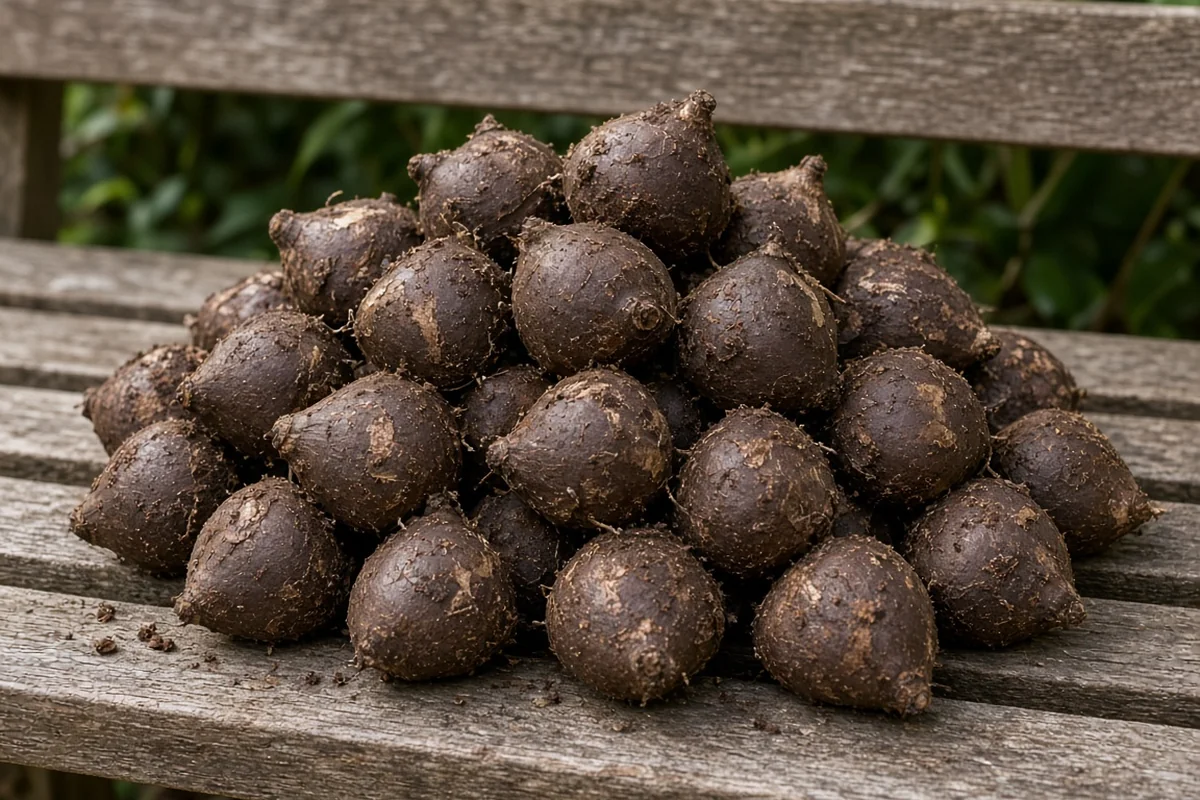
Lift the plants when the season ends and look for corms at the base. Oregon State notes that at harvest you should stop solution dripping from roots onto other plants. Plan the next start with growing schedule for your hydroponics.
Water chestnut in hydroponics
| Need | What to do | Why |
|---|---|---|
| Container | Wide tub or reservoir on the ground | Water is heavy |
| Air | Air pump and air stone | Solution must carry oxygen |
| Cover | Opaque raft or lid with few gaps | Less evaporation and algae |
| Drain | Bulkhead fitting and valve | Easy solution changes |
Sources: USDA PLANTS Database, University of Illinois Extension, Oregon State University Extension, University of Minnesota Extension.
How to: step by step
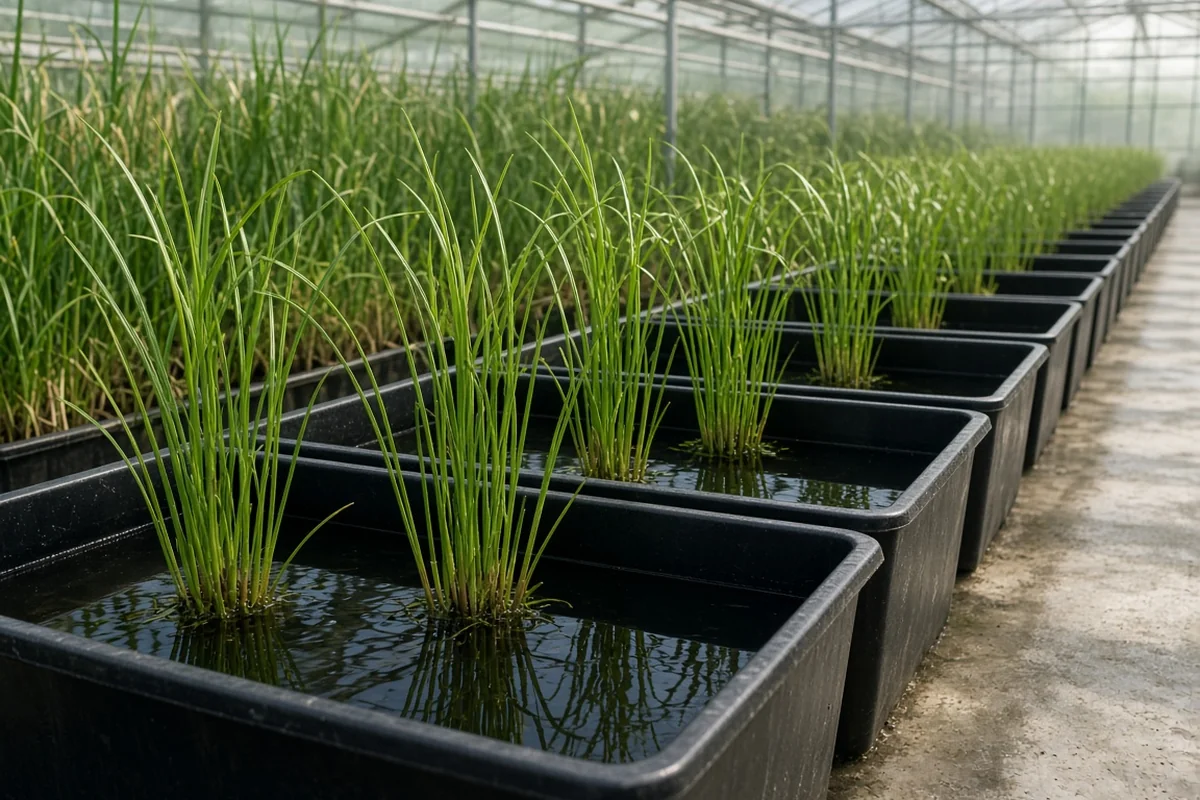
- Set a wide tub on the ground where it can stay all season.
- Fit a bulkhead fitting and valve near the bottom for draining.
- Add an air pump, tubing and an air stone.
- Set plants in net pots or a raft so the base sits at the water line.
- Cover all open water with opaque material.
- Check pH and EC often and lift the corms at the end of the season.
Troubleshooting
Green water or slime: light is reaching the solution, so cover pot gaps.
Dark, smelly roots: still water, so run the air pump and check the air stone.
Tub leaks: split a large reservoir into several tanks so a leak stays local, as Oregon State suggests. Room setup tips sit in hydro setup environment.
Kind Seed Co shares these notes for growers who like to try unusual water crops.
Sources
- Eleocharis dulcis (Chinese water chestnut) plant profile, USDA NRCS PLANTS Database
- Small scale hydroponics, University of Minnesota Extension
- Hydroponics handouts, University of Illinois Extension
- Hydro hints: deep water culture (EM 9455), Oregon State University Extension
FAQ
Is a water chestnut the same as a tree chestnut?
No. The USDA PLANTS Database lists Eleocharis dulcis as a perennial graminoid, a grass like plant. Tree chestnuts are woody trees in a different family, so the two only share a name.
Does a water chestnut tub need an air pump?
An air pump and air stone are the usual choice. The University of Illinois Extension says nutrient solutions must be aerated to get enough oxygen for growth.
Why cover the water surface?
Oregon State University Extension says an opaque cover reduces evaporation and algae growth. Algae thrive where wet surfaces get light and nutrients.
Where should the tub sit?
On the ground. Oregon State notes that deep water systems use large volumes of water that should be supported on the ground to handle the weight.
How do you drain the tub?
Oregon State suggests a bulkhead fitting and valve at the bottom of the reservoir for easy draining of the nutrient solution.