How to Clean Grow Lights: Dust, Residue and Simple Cleaning Steps
The short answer
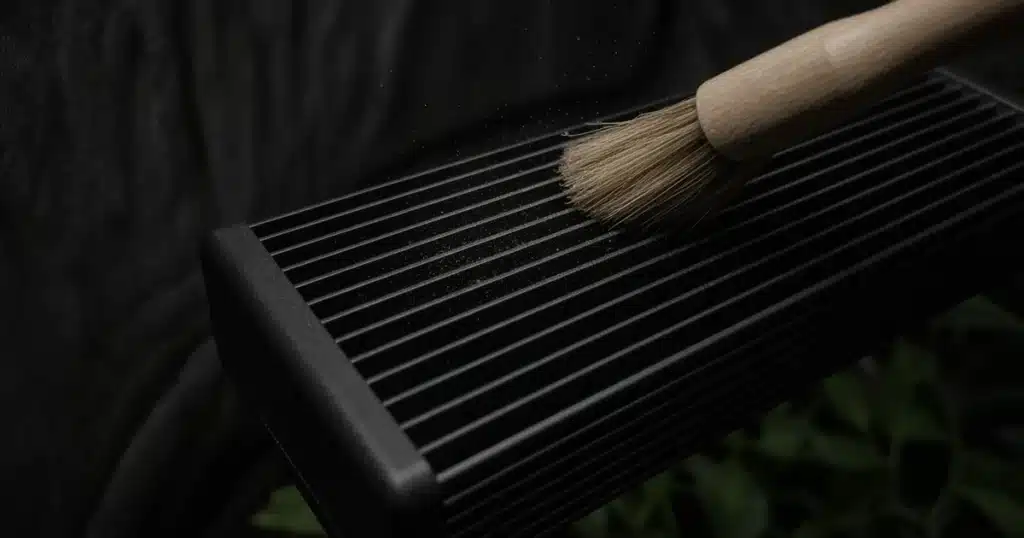
Dust and residue can build up on grow lights. To clean grow lights, clean during the dark period, brush dust from the heat sink and lens, then wipe the lens with a soft dry cloth or a cleaner the maker allows. Use a dry brush on drivers and connectors.
A few minutes of cleaning between grows holds output close to where it started and helps fixtures shed heat.
Why should you clean grow lights?
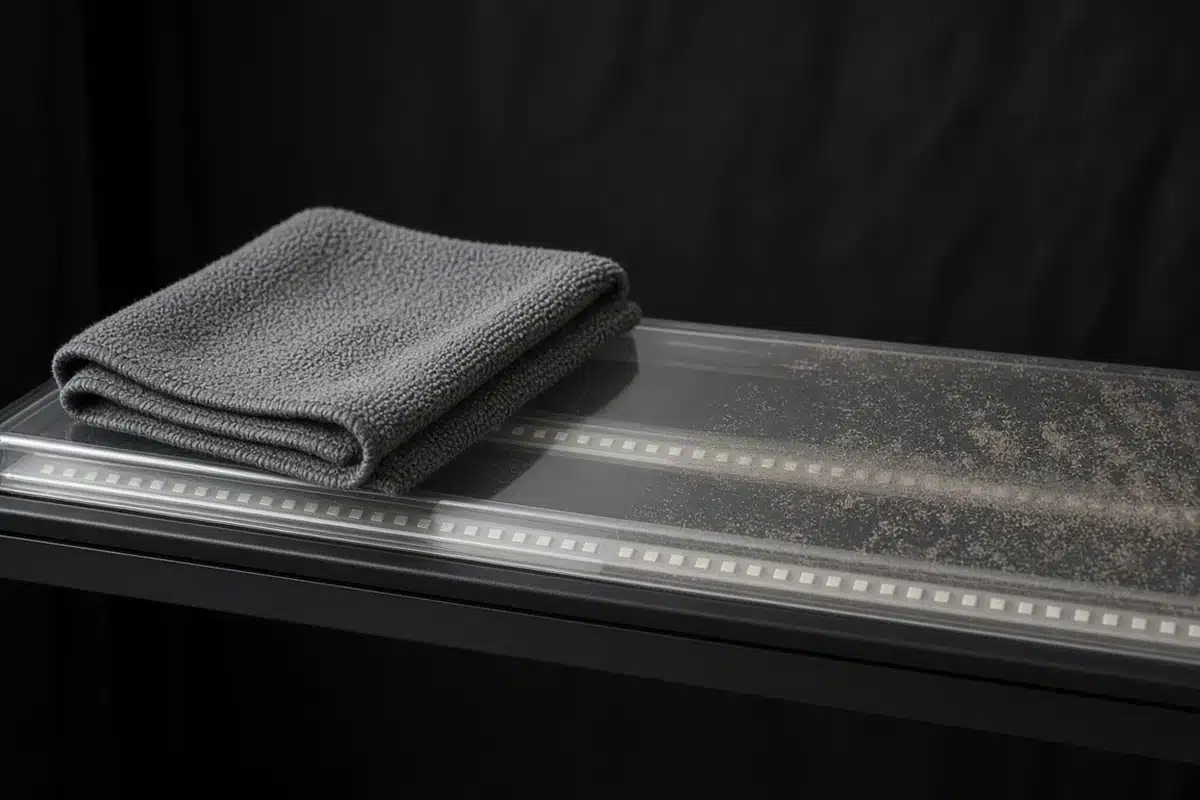
Grow rooms are dusty places. Potting mix, plant debris, pollen and fine fibers float in the air and settle on every surface. Humid air leaves a film, and foliar sprays can drift up and dry on lenses.
That layer blocks some light. A thin film may not look like much, but over a season it adds up. Plants get less light than the fixture can give.
The Resource Innovation Institute lighting practical guide covers maintenance for controlled environment lighting. It lists regular cleaning of fixtures and lenses as part of holding output steady over a fixture’s life.
Dust affects heat. LED fixtures shed heat through metal fins called heat sinks. When dust packs between those fins, air can’t carry heat away. The fixture runs warmer, and LEDs that run warm lose output faster.
The University of Missouri Extension guide to grow lights explains how LED output and lifespan depend on holding diodes within their temperature range.
How do you clean a grow light?
Clean during the dark period, once the fixture has sat idle a while. Warm lenses streak when wiped.
Work from dry to damp. Use a soft brush, a can of compressed air or a small blower on the heat sink first. Brush along the fins, not across them. Then blow dust off the lens.
Next, wipe the lens with a soft, dry microfiber cloth, and most dust lifts off this way. If a film remains, check the maker’s guidance, and some allow a lightly damp cloth with plain water. Some allow a mild cleaner. Avoid harsh solvents unless the maker says they’re fine, because they can cloud plastic lenses or strip coatings.
Use a dry brush on drivers, plugs and cable joints. Put a little cleaner on the cloth, not on the fixture.
The University of Vermont Extension tips for choosing grow lights note that fixtures differ in build and lens type. Read your fixture’s manual before using anything besides a dry cloth.
| Part | Method | Avoid |
|---|---|---|
| Heat sink fins | Soft brush or compressed air | Wet cloths that push dust into gaps |
| Lens or diodes | Dry microfiber cloth | Harsh solvents and rough paper towels |
| Reflector | Soft cloth, gentle wipe | Scratching the reflective surface |
| Driver and cables | Dry brush only | Any liquid |
Sources: Resource Innovation Institute, University of Missouri Extension.
How often should lights be cleaned?
Clean between every grow at minimum. That is when the room is empty and fixtures are easy to reach.
During a grow, look at the lights every few weeks. If you can see dust on the lens or fins, clean them. Rooms with heavy foliar spraying or dusty soil mixes need more frequent cleaning.
Cleaning is a good time to inspect the fixture. Look for loose cables, cracked lenses, dim diodes or discolored spots. Our post on when to replace grow lights explains the signs of an aging fixture.
How do reflectors and bulbs differ from LEDs?
Older HID fixtures use a bulb and a reflector hood. Reflectors lose output fast when dusty because they rely on a shiny surface. Wipe them gently with a soft cloth. Handle bulbs with a clean cloth so skin oils don’t mark the glass.
Fluorescent tubes collect dust along their length. A dry cloth along the tube removes it.
LED fixtures vary. Some have bare diodes. Some have a glass or plastic cover. Bare diodes need extra care because the small lens on each diode can scratch. A blower often works well there.
For more on fixture types, see choose the right LED lights for your cannabis grow.
How do you stop lights getting dirty between cleanings?
Reduce dust at the source. Wet down dry mix before pouring it. Sweep the floor often. Run an intake filter on the tent or room.
Raise lights or cover them when you spray plants. A light cover or a short pause in spraying near fixtures holds mist off lenses.
Tidy cords and lift them off the floor while you work. Our post on tent upkeep around lights covers cable layout and clearing the space.
How to: step by step
- Clean during the dark period.
- Brush or blow dust off heat sinks and lenses.
- Wipe lenses with a soft, dry cloth.
- Use only cleaners the maker approves.
- Dry brush drivers and plugs.
- Let it dry fully before power on.
Lay a towel under the fixture so dust doesn’t fall onto plants or media.
Work in good light so you can see film on the lens.
Troubleshooting
Streaks on lens. The wrong cleaner was used. Use a dry cloth.
Dim output after cleaning. A coating was damaged. Avoid harsh cleaners.
Fixture hot. The heat sink is dusty. Clean the fins.
Dust returns fast. The room is dusty. Add an intake filter.
Spots on lens after spraying. Mist dried on the cover. Shield lights during foliar work.
Clean lights give your plants the output you paid for. Kind Seed Co carries cannabis seeds for growers starting fresh with a clean room.
Sources
- Lighting for controlled environment agriculture, best practices guide, Resource Innovation Institute, Lighting for controlled environment agriculture
- Controlled environment agriculture: understanding grow lights (G6987), University of Missouri Extension, Controlled environment agriculture
- Tips for choosing grow lights, University of Vermont Extension, Tips for choosing grow lights
FAQ
Can I use alcohol on LED lenses?
Only if the maker allows it. Some plastic lenses cloud with alcohol. A dry microfiber cloth is the first choice.
Should lights be cleaned between grows?
Yes. The room is empty and fixtures are easy to reach. It is a good time to clean and inspect.
Does dust really reduce light?
Yes. A film on lenses blocks some light, and dust on heat sinks makes fixtures run warmer.
Can I clean lights while hung?
Yes, during the dark period. Lay a towel below to catch dust.
What tool works well on heat sinks?
A soft brush or compressed air. Work along the fins to lift dust out.