How to make rosin at home
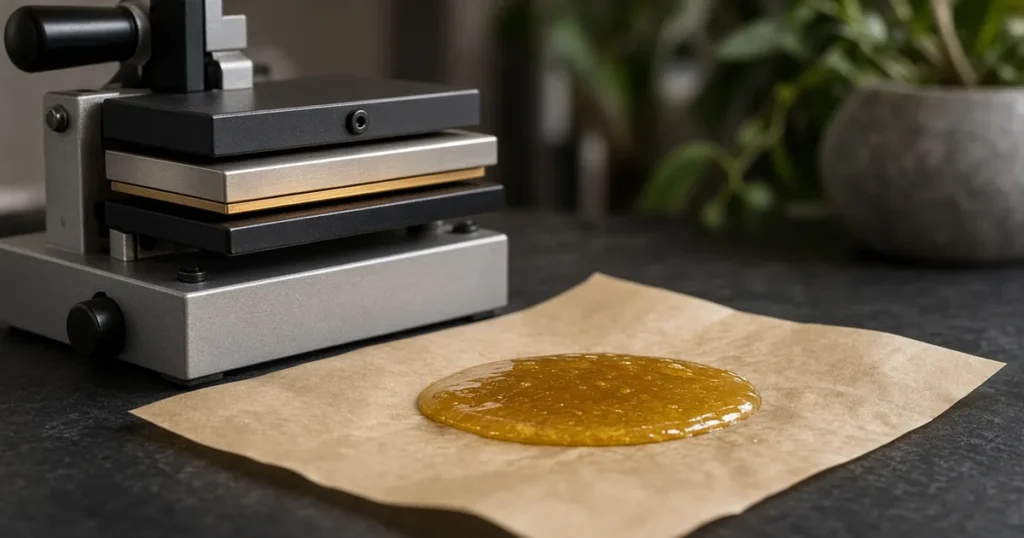
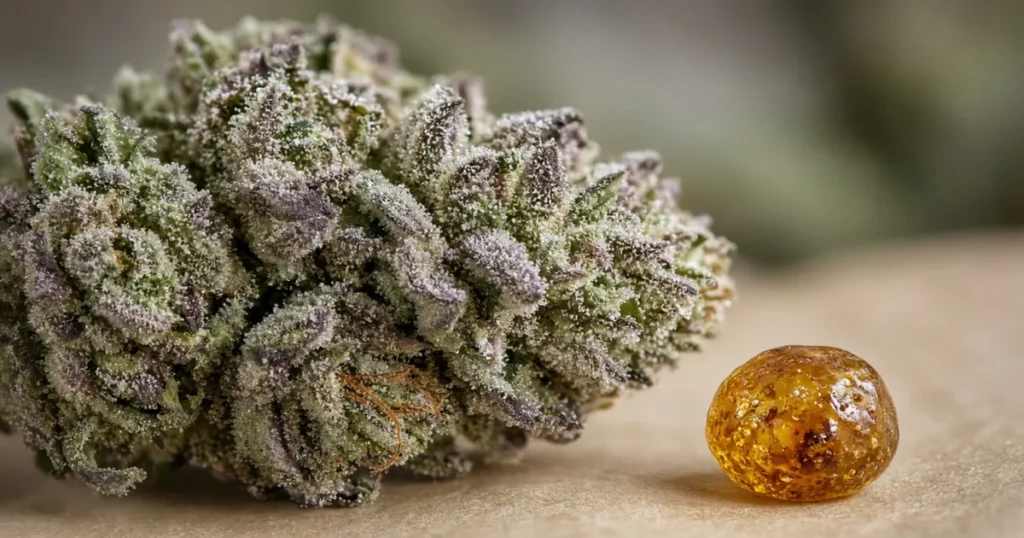
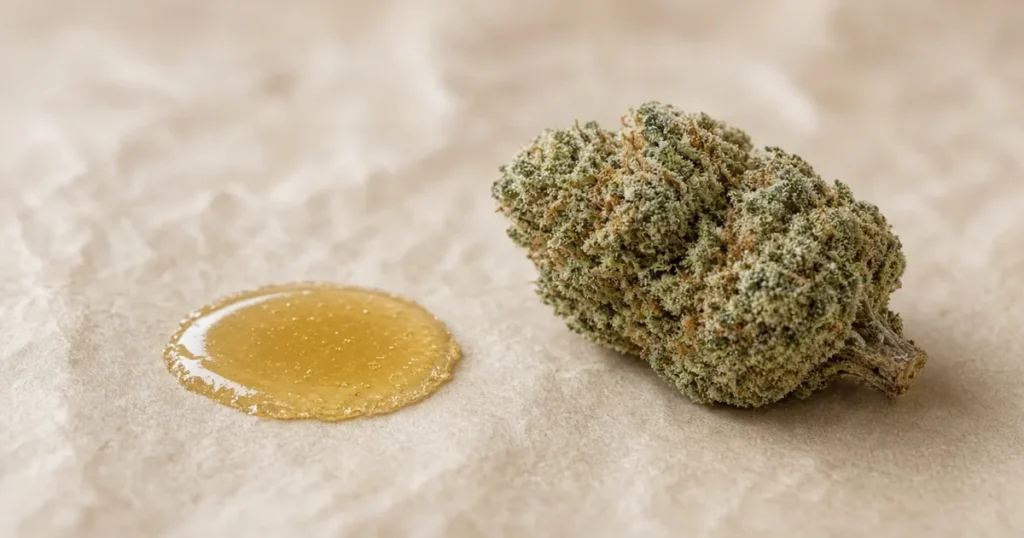
Rosin is one of the cleanest concentrates you can make at home. You take flower, sift or hash, apply heat and pressure, and the resin melts out onto parchment. There are no solvents, no chemicals and no special lab equipment involved, which is why rosin has become the go to method for home hash makers who want a clean product. This guide walks through equipment, starting material, temperatures, pressing technique and storage for adults 21 and older who live where home processing is allowed.
Before you start, check your local law. Some states allow adults to make solventless concentrates from their own legal home grow, while others restrict any processing. Our guide to the legal requirements for growing weed plants in your state is the place to start.
How rosin works
Cannabis resin softens and flows when warmed. When you squeeze warm material between two heated plates, that resin is pushed out of the plant matter and onto the parchment around it. The plant material and most of the debris stay behind in the puck. Because only heat and pressure are used, rosin is fully solventless.
Equipment you need
- A heat press. Small manual and pneumatic presses made for rosin give you dual heated plates and accurate temperature control. Some people start with a hair straightener, but temperature control is poor and yields are low.
- Unbleached parchment paper. Use a silicone coated parchment and cut it a little larger than your plates.
- Rosin filter bags. Optional for flower, strongly recommended for sift and hash. See our rosin bag micron guide.
- A collection tool. A stainless steel dab tool or a flat scraper.
- Heat resistant gloves. The plates get hot enough to burn skin.
- Small glass or silicone containers for storage.
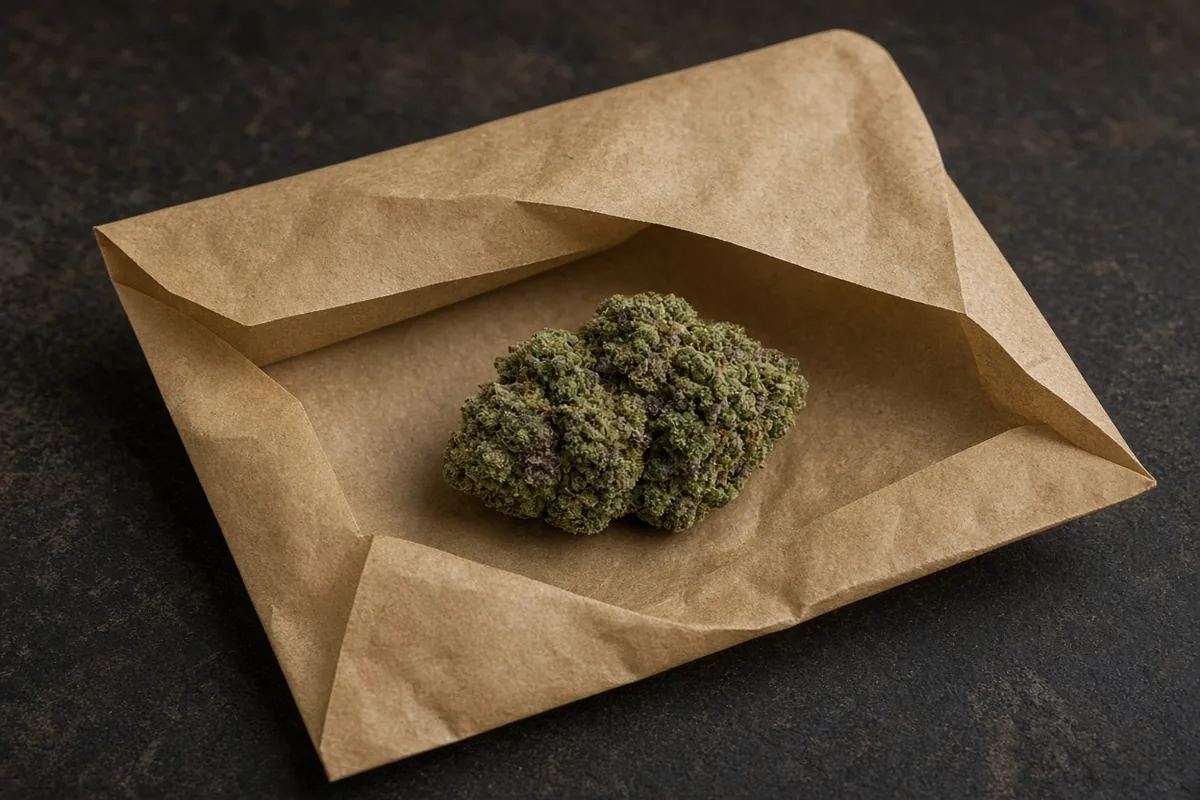
Choosing starting material
You can press three main kinds of material.
| Material | Typical yield | Notes |
|---|---|---|
| Cured flower | Lower | Easy to start with, more plant flavor |
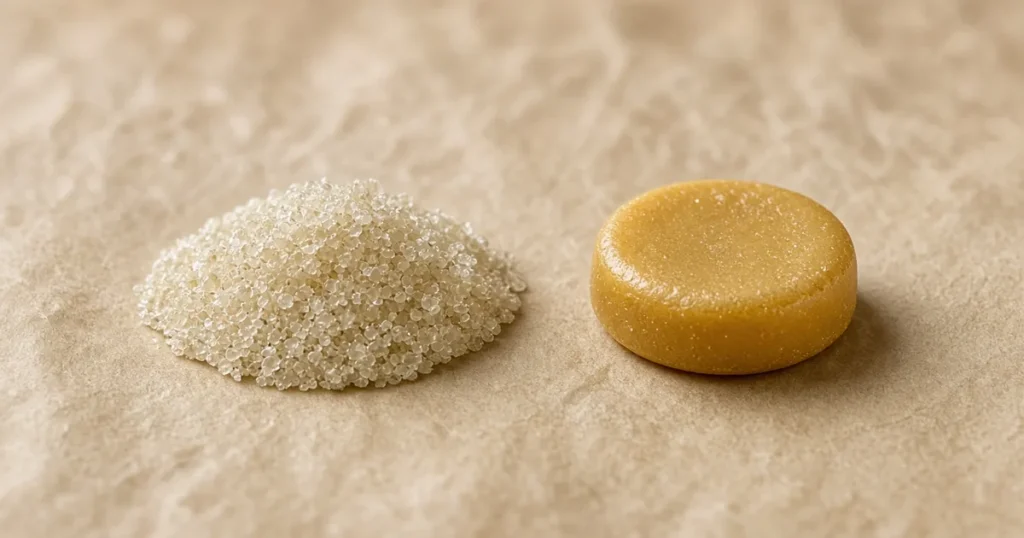
| Dry sift or kief | Higher | Needs a filter bag, cleaner result |
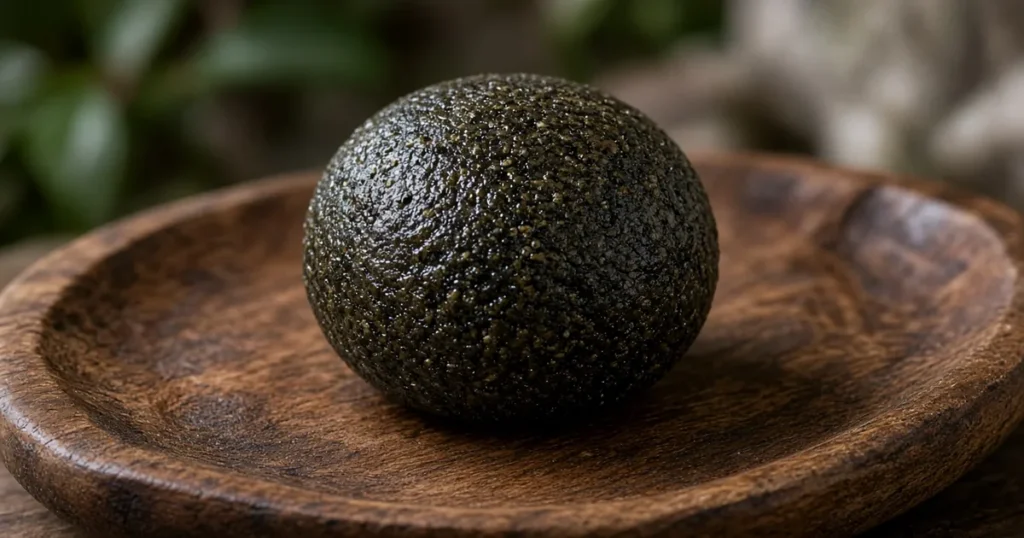
| Ice water hash | Highest | Best quality, needs a fine bag |
Flower is the simplest starting point. Resin heavy cultivars press best, and our 710 seeds collection focuses on that trait. If you already make dry sift, our dry sift hash guide explains how to grade it before pressing. Our guide to making cannabis kief covers simpler collection.
Moisture matters. Flower that is too dry gives a low yield and can soak up rosin into the puck. Many hobbyists aim for flower that has been stored at a steady humidity similar to normal curing conditions so it is pliable but not damp.
Temperature and pressure starting points
Every press, strain and material behaves a little differently, so treat these as starting points to test.
| Material | Common starting temperature | Press time |
|---|---|---|
| Flower | About 180 to 220 F | About 60 to 120 seconds |
| Dry sift | About 160 to 190 F | About 60 to 120 seconds |
| Ice water hash | About 150 to 180 F | About 60 to 180 seconds |
Lower temperatures usually keep more aroma and give a lighter, more buttery texture. Higher temperatures usually push out more rosin with a darker color and a sharper flavor. Start low, take notes and move up in small steps.
Apply pressure slowly. Squeezing too fast can blow out a filter bag or push plant matter into the rosin. Most people ramp up pressure over the first 20 to 30 seconds, then hold.
How to press rosin step by step
- Preheat the plates to your starting temperature and let them settle for a few minutes.
- Prepare the material. Break flower into small, even pucks. Pack sift or hash into a filter bag and press it into a flat, even shape.
- Fold the parchment. Fold a sheet in half and place the material near the fold so rosin flows outward onto clean paper.
- Position and close. Center it between the plates and close gently until the plates touch the parchment.
- Warm briefly. Give the material 5 to 15 seconds to warm before adding real pressure.
- Ramp up pressure. Increase slowly, watching for rosin to spread outward.
- Hold, then release. When the flow slows down, release pressure and open the press.
- Remove the puck with tweezers or a gloved hand and set it aside.
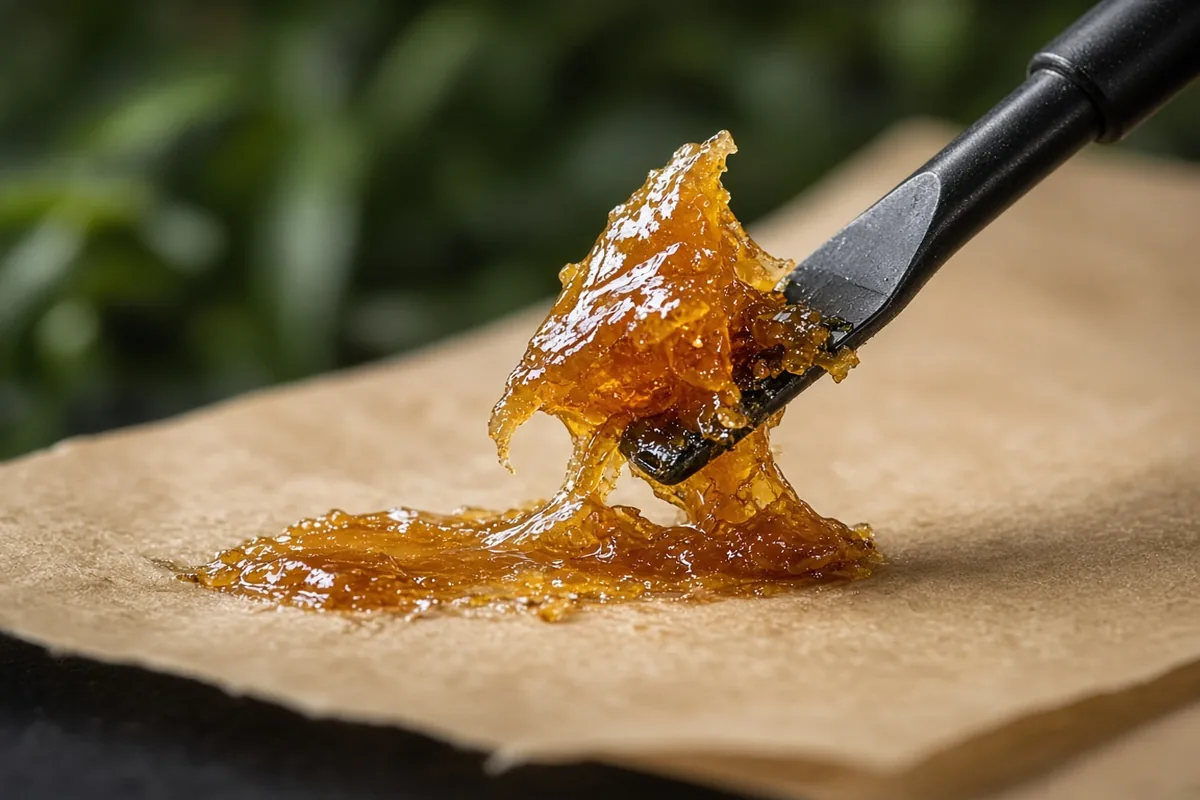
- Collect the rosin. Let the parchment cool for a moment, or set it on a chilled surface, then gather the rosin with your tool.
Troubleshooting
- Low yield. Material may be too dry, the temperature too low or the press time too short.
- Dark, harsh rosin. Try a lower temperature and a shorter press.
- Plant bits in the rosin. Use a filter bag and ramp pressure more slowly.
- Blown out bags. Use a smaller load, a better bag or slower pressure.
Storing rosin
Rosin keeps best in a cool, dark place in an airtight container. Many hobbyists keep it in the fridge for short term storage and in the freezer for longer storage. Over time rosin may change texture, a natural process sometimes called buddering, which is normal. Label each container with strain, material and press date.
Safety notes
Heated plates can burn you and a press can pinch fingers. Wear gloves, keep children and pets away and never leave a hot press unattended. Never add any solvent or flame to the process. Rosin is a solventless method, and that is exactly why it is popular.
Grow legally and responsibly
Home cultivation is only legal in some states, and each state sets its own plant limits, locking rules and rules about whether plants can be visible from a public place. You must be 21 or older to buy seeds from Kind Seed Co, and you should grow only where your state and city allow it. Check your state rules in our guide to the legal requirements for growing weed plants in your state before you plant. Federal treatment of cannabis seeds is also changing, so read our December 11 2026 seed rule explainer before you order. Keep plants and harvested flower locked away from children, pets and visitors, and never drive after using cannabis. This article is general information. It is not legal advice and it is not medical advice.
Frequently asked questions
Is rosin legal to make at home?
It depends on your state. Some states allow adults to make solventless concentrates from their own legal plants. Others restrict any processing. Check your state law before pressing.
What temperature should I press rosin at?
Common starting ranges are about 180 to 220 F for flower and about 150 to 190 F for sift or hash. Start low and adjust in small steps.
Can I make rosin with a hair straightener?
You can, but temperature control is poor and yields are usually low. A small press with dual heated plates is much more consistent.
Do I need a filter bag?
Not always for flower, but a bag is strongly recommended for sift and hash to keep debris out of the rosin.
Final thoughts
Making rosin at home comes down to good material, controlled heat and slow, steady pressure. Start with resinous flower or clean sift, test temperatures in small steps, take notes on every press and store your rosin cool and sealed. Because it is fully solventless, rosin is the cleanest way to make a concentrate at home where it is legal.
Ready to start
Browse the full range in the Kind Seed Co shop or go straight to 710 seeds. Kind Seed Co sells only to adults 21 and older. Always follow the cannabis laws where you live.