
Potassium Deficiency in Cannabis Plants
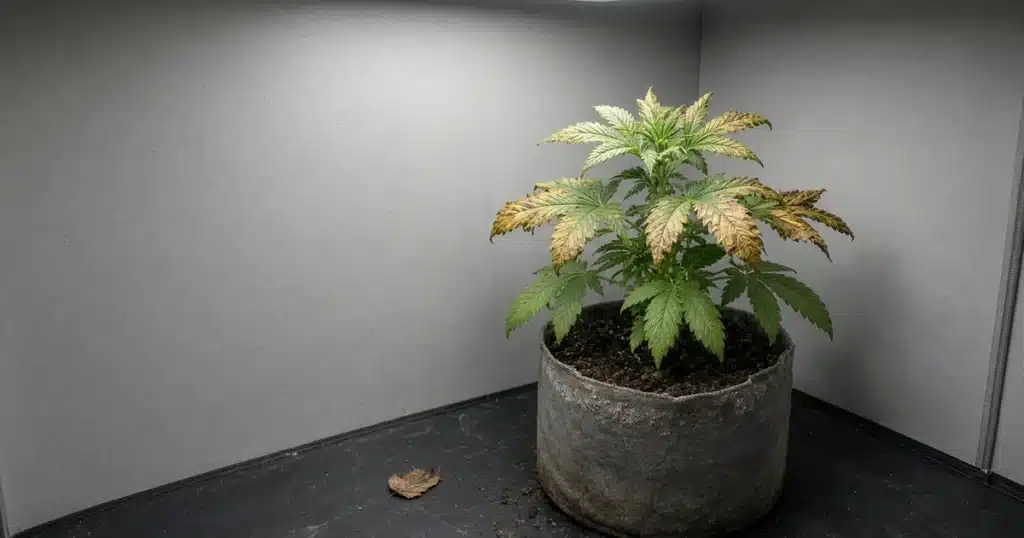
Potassium helps cannabis move water, build strong stems and fill out buds. When it runs low, the leaves show it first. Kind Seed Co walks through the signs of potassium deficiency, how to confirm it and how to fix and prevent it.
Signs of potassium deficiency
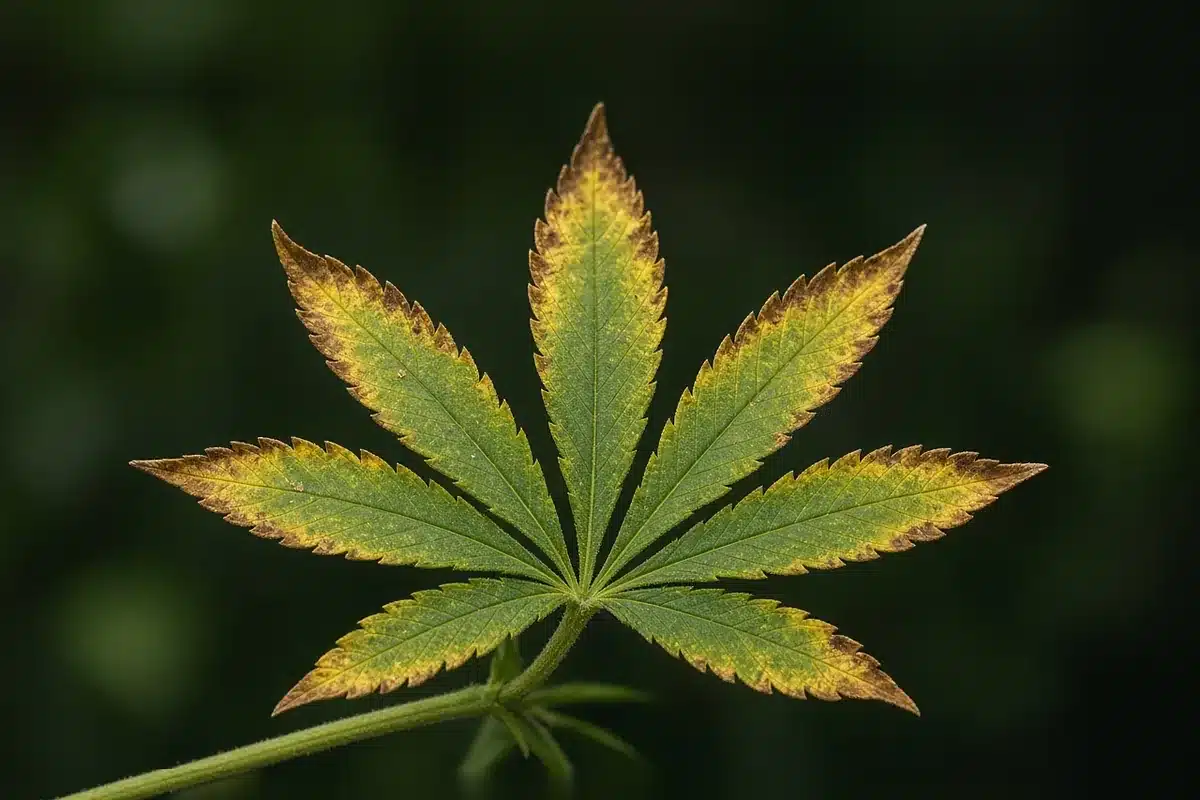
Yellow, then burnt brown edges
Older, lower leaves usually show the first signs. They turn yellow at the tips and edges, then the color changes to a burnt brown that looks scorched. Left alone, those leaves can die.
Curling or crinkled leaves
Leaves may also curl or crinkle. This often starts on older leaves and spreads to younger ones. In bad cases the leaf edges curl upward or the leaf surface takes on a raised, bumpy texture.
How to confirm it
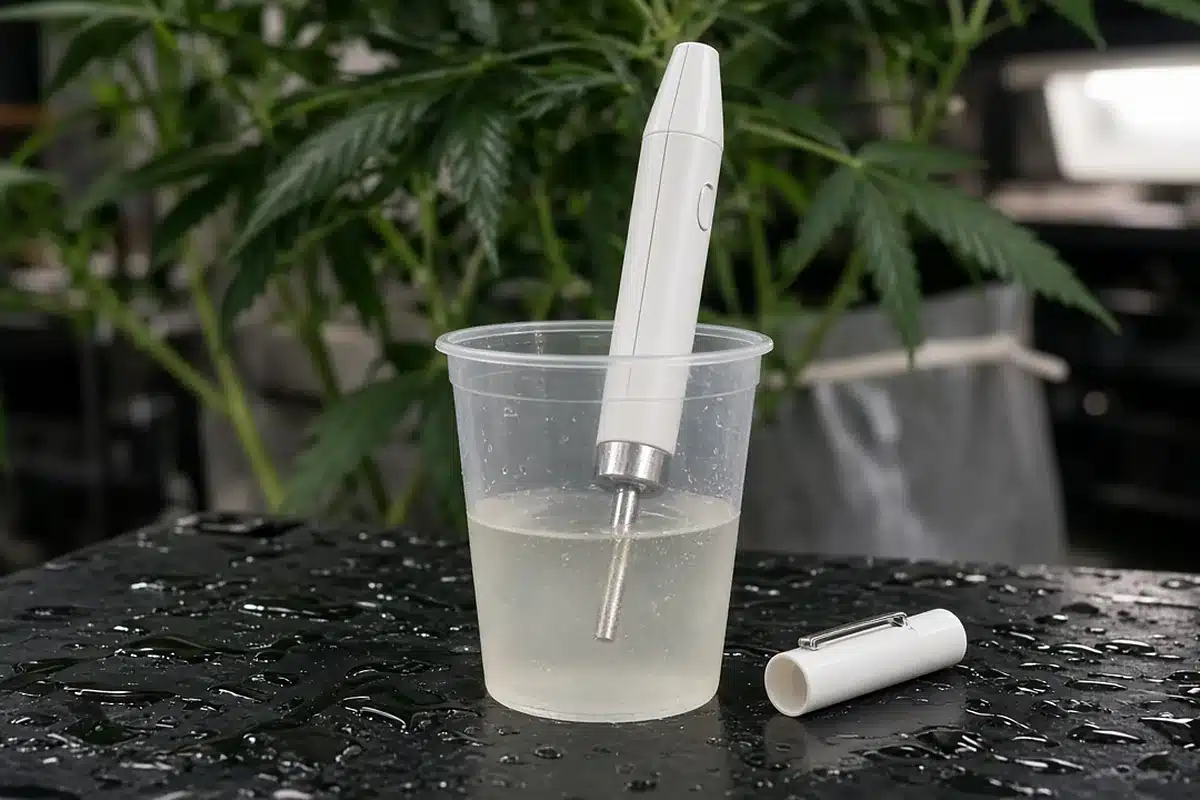
Leaf signs are a good clue, but a soil test is more accurate. Home test kits and portable digital meters can show potassium, overall nutrients and pH in one go.
Check pH while you test. Cannabis prefers slightly acidic soil, and if the soil is too acidic or too alkaline the plant struggles to take up potassium even when there is enough. Our guide to understanding pH and how it affects cannabis plants explains how to adjust it.
How to fix potassium deficiency
Add potassium to the soil
Potassium rich fertilizers and supplements raise levels quickly. Look for products with potassium sulfate, monopotassium phosphate or langbeinite. Mix them into the top layer of soil or into the planting hole before you plant. For plants already in the ground, side dress or spread the fertilizer on the surface. Let your soil test and the product label guide how much and how often.
Use a foliar spray as a backup
A foliar spray puts potassium right on the leaves, and plants absorb it fast. Use it as a helper, not your main fix, since relying on sprays can leave buildup on the leaves. Spray in the cool part of the day, early morning or evening, so the leaves do not burn, and do not overspray.
How to prevent it
Keep every nutrient in balance. Too much of another nutrient, such as nitrogen or phosphorus, can push potassium out of balance and cause a shortage. Regular soil tests and a quick look at your plants each week help you catch problems early.
Potassium problems can look a bit like other shortages. Compare them with our guides to phosphorus deficiency and sulphur for cannabis plants, or check our guide on spotting common deficiencies by their leaves. To learn what potassium does at each stage, see why potassium is so important for cannabis plants.
FAQ
What does potassium deficiency look like on cannabis leaves?
Older leaves turn yellow at the tips and edges, then brown and crispy, almost like they have been scorched. Leaves may also curl or crinkle.
What fertilizers add potassium to soil?
Products with potassium sulfate, monopotassium phosphate or langbeinite all add a good amount of potassium.
Can too much nitrogen cause potassium deficiency?
Yes. Overfeeding another nutrient such as nitrogen or phosphorus can throw potassium out of balance and lead to a shortage.
When should you use a potassium foliar spray?
Use it as a backup to soil feeding, and spray early in the morning or in the evening so the leaves do not burn.


