
Rooting Basil Cuttings in Water: Turning Store Basil Into New Plants
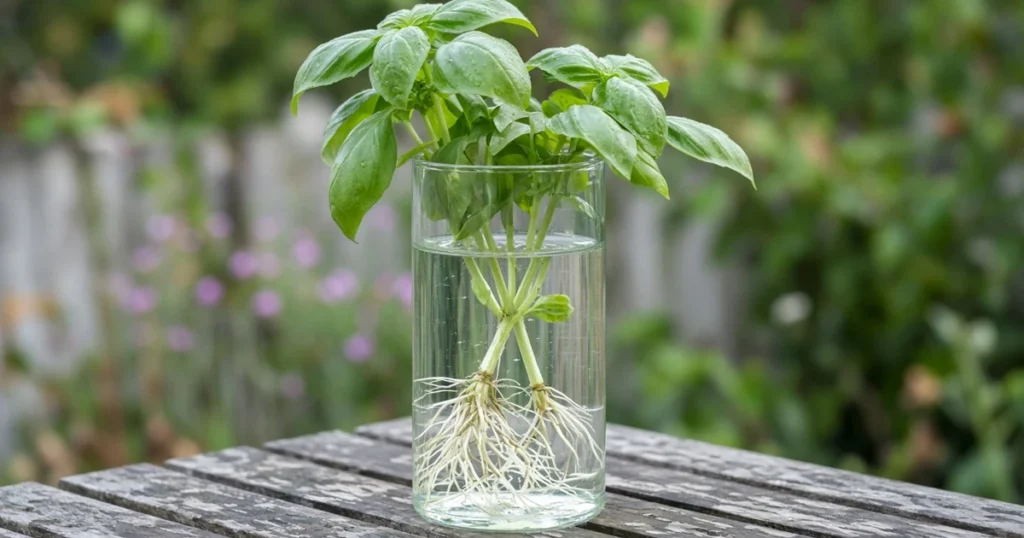
Basil cuttings are stem tips taken from a basil plant or a bunch from the store set in water to grow roots. NC State Extension lists stem cuttings as one way to propagate basil, along with seed.
The short answer
Cut a 3 to 5 inch stem with at least one node. Remove any leaves that would sit under water. Stand it in clean tap water away from cold drafts. University of Maryland Extension advises changing the water at least twice a week. Pot it once roots have grown for a week or two.
Can store bought basil be rooted?
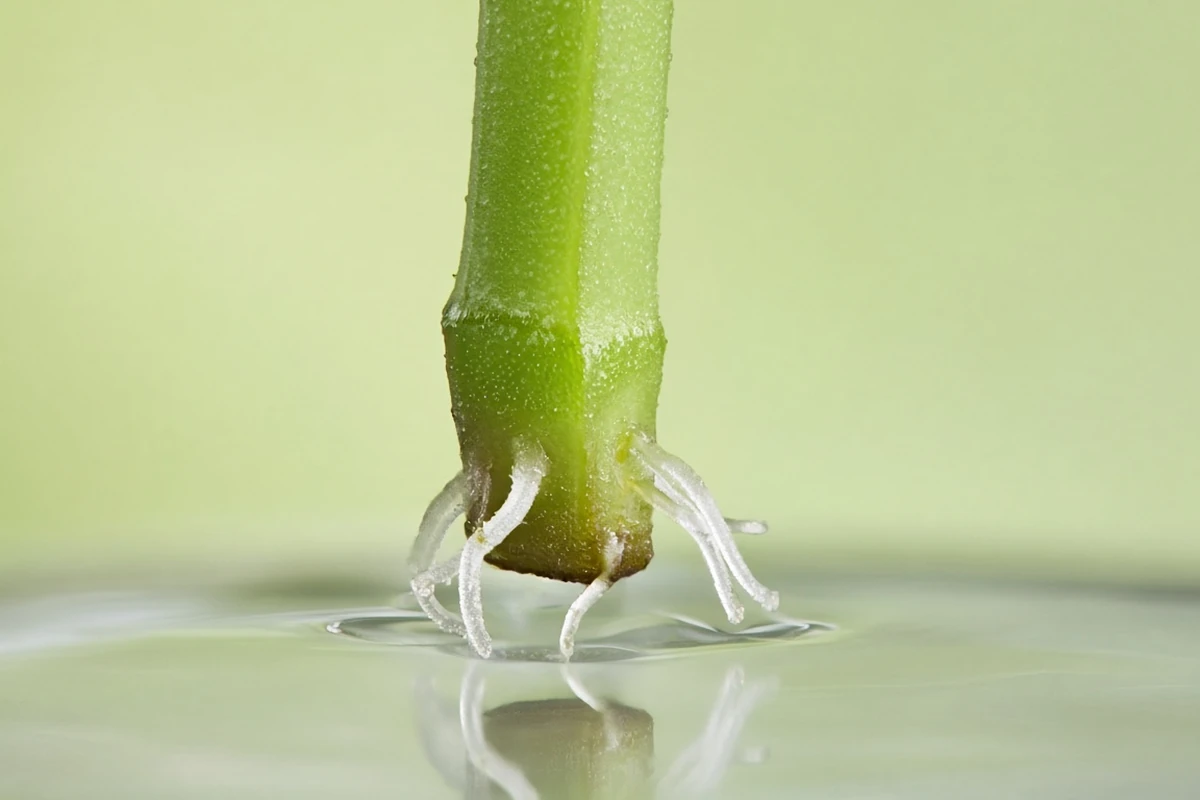
NC State lists stem cutting as a propagation method for sweet basil, Ocimum basilicum. A fresh stem from a store bunch works like any other stem cutting. Maryland Extension notes stems with relatively thin stems are a good choice for water rooting.
University of Maryland Extension notes basil is an annual herb that grows about 18 inches tall. It does not tolerate chilly temperatures, so root cuttings in a warm room.
How do you take a basil cutting?
Maryland Extension gives a general water rooting method written for houseplants. Cut a 3 to 5 inch stem, leaving at least one node plus some leaves at the tip. A node is where a leaf joins the stem. Place the cutting in a clean container of fresh tap water with no leaves below the surface.
Maryland Extension advises changing the water at least twice a week or whenever it looks cloudy. Bacteria in the water can cause rot. Maryland Extension also advises placing cuttings out of cold drafts.
| Step | Target | Source |
|---|---|---|
| Stem length | 3 to 5 inches with one node or more | Maryland |
| Leaves | None under the water | Maryland |
| Water change | At least twice a week | Maryland |
| Time in water after roots | One to two more weeks | Maryland |
| Sun once potted | 6 or more hours of direct sun | Maryland |
Source: University of Maryland Extension.
When should rooted basil be potted?
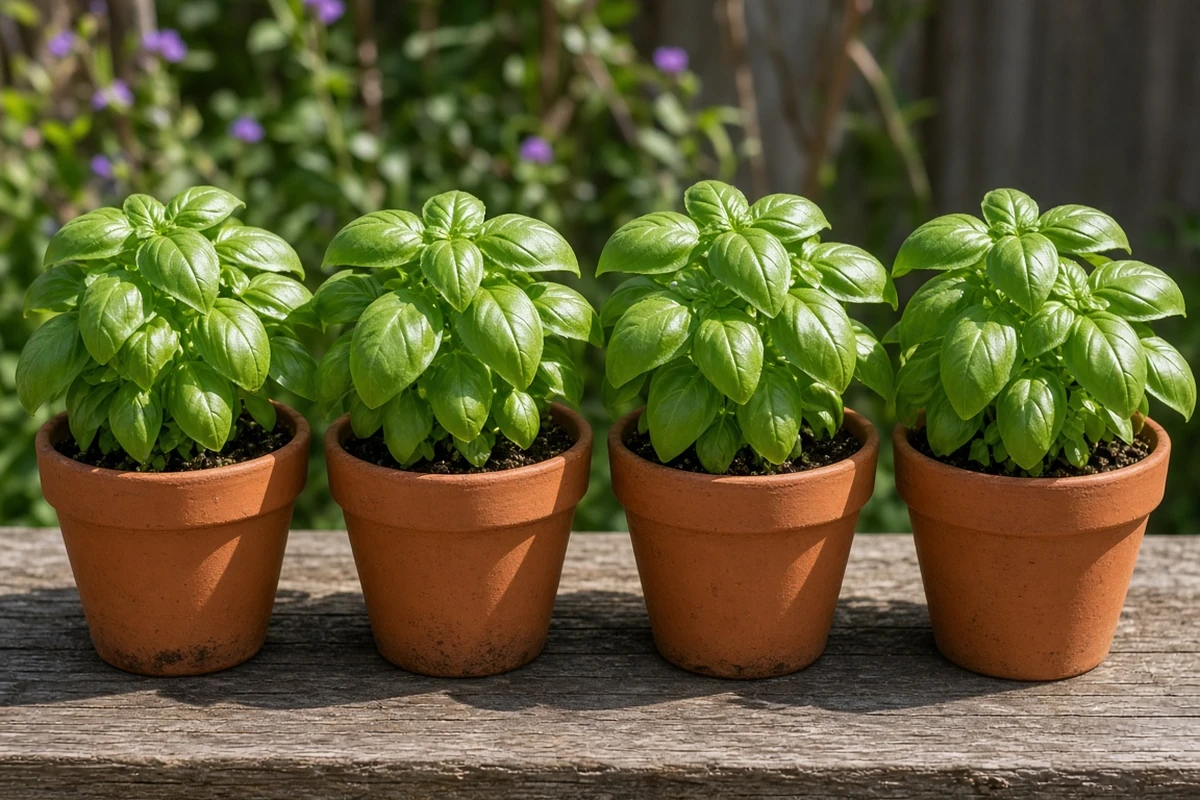
Maryland Extension advises letting new roots grow in water for another week or two. Then set the cutting in a small, well draining pot of potting mix.
Basil needs a full sun spot with 6 or more hours of direct sun in summer, per Maryland Extension. University of Minnesota Extension notes indoor basil may need grow lights for 10 to 12 hours a day in winter.
How to: step by step
- Cut a 3 to 5 inch stem tip.
- Strip leaves from the lower part of the stem.
- Stand it in clean tap water.
- Place it in a warm spot out of cold drafts.
- Change the water at least twice a week.
- Pot it a week or two after roots form.
Troubleshooting
Stem rots: stale water. Change it at least twice a week.
Wilting cutting: too many leaves. Pinch off a few of the larger ones.
Leggy potted basil: low light. Move it to full sun or add a grow light.
For more on root media see hydroponic in different mediums. Read make cannabis clones for cloning steps. See caring for your hydroponic system plus hydro setup environment for system notes. Kind Seed Co also stocks cannabis seeds.
Sources
- Make more plants from cuttings: 5 plants that root easily in water, University of Maryland Extension, Maryland Grows
- Growing basil, University of Minnesota Extension
- Basil, University of Maryland Extension
- Ocimum basilicum (basil), NC State Extension Gardener Plant Toolbox
FAQ
How long does basil take to root in water?
University of Maryland Extension notes that rooting in water can take several weeks. Once roots appear, let them grow for another week or two in water before potting the cutting.
How much light does potted basil need?
University of Maryland Extension advises a full sun spot with 6 or more hours of direct sun in summer. University of Minnesota Extension notes indoor basil may need grow lights for 10 to 12 hours a day in winter.
Should basil be pinched after rooting?
Maryland Extension advises pinching stems as they lengthen for bushy, compact growth. Minnesota Extension notes basil that flowers plus sets seed turns woody and yields less.
Can basil cuttings handle cold?
No. University of Maryland Extension notes basil is not tolerant of chilly temperatures. Maryland Extension also advises holding water cuttings away from cold drafts while they root.
How often should the water be changed?
Maryland Extension advises changing the water at least twice a week or when it starts to look cloudy. Fresh water stays clean plus supplies oxygen. Bacteria in old water can lead to rot.



